
Why Understand Power Transformer Oil Before Specifying It?
-
Power transformer oil affects insulation, cooling, and lifespan, ensuring safety, efficiency, and compliance with global standards.
Power transformer oil fundamentals and functional role
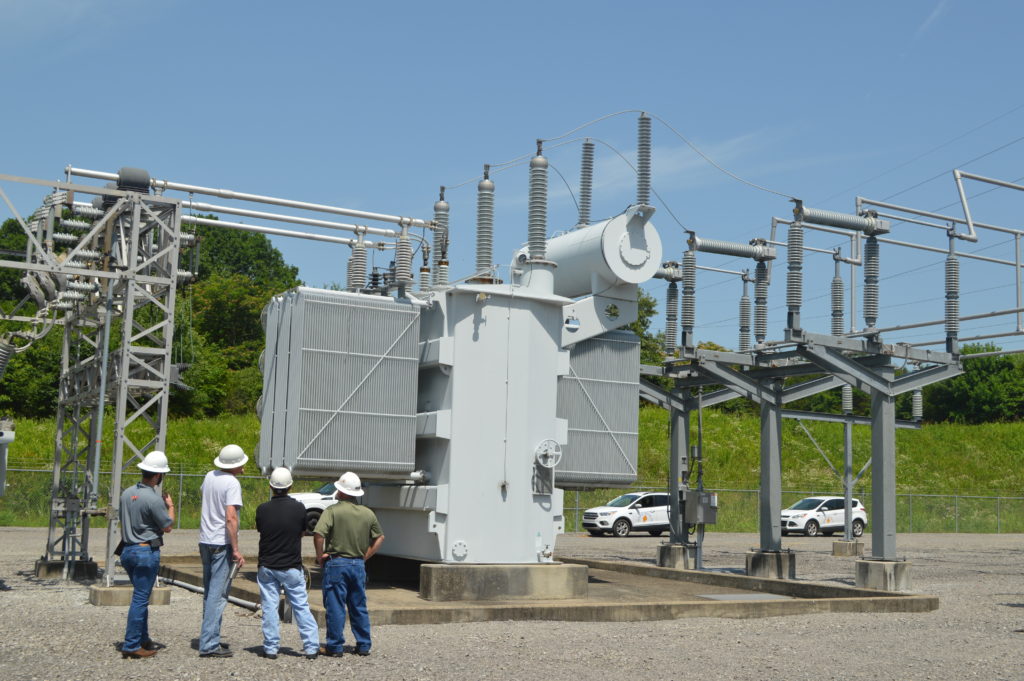
Power transformer oil serves as a critical insulating and cooling medium in transformers. This fluid surrounds internal windings and prevents electrical discharge during operation. It efficiently transfers heat generated under electrical load conditions. Clean oil improves insulation reliability and reduces internal fault risks. Contamination accelerates aging and weakens dielectric strength over time. Manufacturers design systems based on fluid thermal and electrical properties. Engineers must evaluate oil purity and composition carefully. Proper understanding ensures compatibility with insulation materials. Reliable performance depends on maintaining stable operating conditions.
Why understand power transformer oil before specification decisions
Selecting power transformer oil without proper knowledge can create serious risks. Incorrect choices may increase failure rates and reduce equipment lifespan. Fire hazards rise when flash points do not meet safety requirements. Thermal mismatch leads to inefficient cooling and overheating issues. Lifecycle costs increase due to frequent maintenance and replacement needs. Procurement teams must evaluate long-term degradation characteristics. Early understanding prevents design errors and operational disruptions. Careful selection ensures compliance with technical standards. Proper evaluation supports safe and efficient transformer operation.
Chemical composition and performance characteristics of power transformer oil
Power transformer oil includes mineral, synthetic, and natural ester formulations. Mineral oil remains widely used due to cost efficiency and stable properties. Synthetic ester offers improved fire resistance and thermal endurance. Natural ester provides biodegradable benefits and environmental protection. Dielectric strength determines insulation capability under electrical stress. Viscosity affects cooling efficiency and circulation performance. Flash point defines safety under high temperature conditions. Oxidation stability influences maintenance intervals and oil lifespan. Engineers must balance these properties carefully.
Key standards and testing methods for transformer oil quality
International standards define how engineers evaluate oil performance and reliability. Organizations such as IEC, ASTM, and IEEE provide testing frameworks. Dissolved Gas Analysis detects internal faults through gas composition patterns. Breakdown voltage testing measures insulation strength under controlled conditions. Acidity tests reveal oxidation and chemical degradation levels. Moisture analysis identifies contamination affecting dielectric performance. Interfacial tension indicates aging and impurity levels. Standardized testing ensures consistent comparison across oil types. Compliance guarantees safety and operational stability.
Comparative analysis of power transformer oil types
| Oil Type | Dielectric Strength | Fire Resistance | Environmental Impact | Cost |
|---|---|---|---|---|
| Mineral Oil | High | Moderate | Low | Low |
| Synthetic Ester | Very High | High | Moderate | High |
| Natural Ester | High | Very High | Very High | Medium |
Interpreting transformer oil data for real applications
Each oil type suits specific operational environments and safety requirements. Mineral oil works well in standard utility transformers. Synthetic ester suits installations requiring higher fire resistance. Natural ester supports environmentally sensitive applications. Engineers must evaluate both performance and regulatory demands. Cost considerations should not override safety requirements. Accurate interpretation ensures proper selection for each project. Reliable choices improve efficiency and extend equipment lifespan. Proper matching reduces operational risks significantly.
Selection criteria for power transformer oil in different scenarios
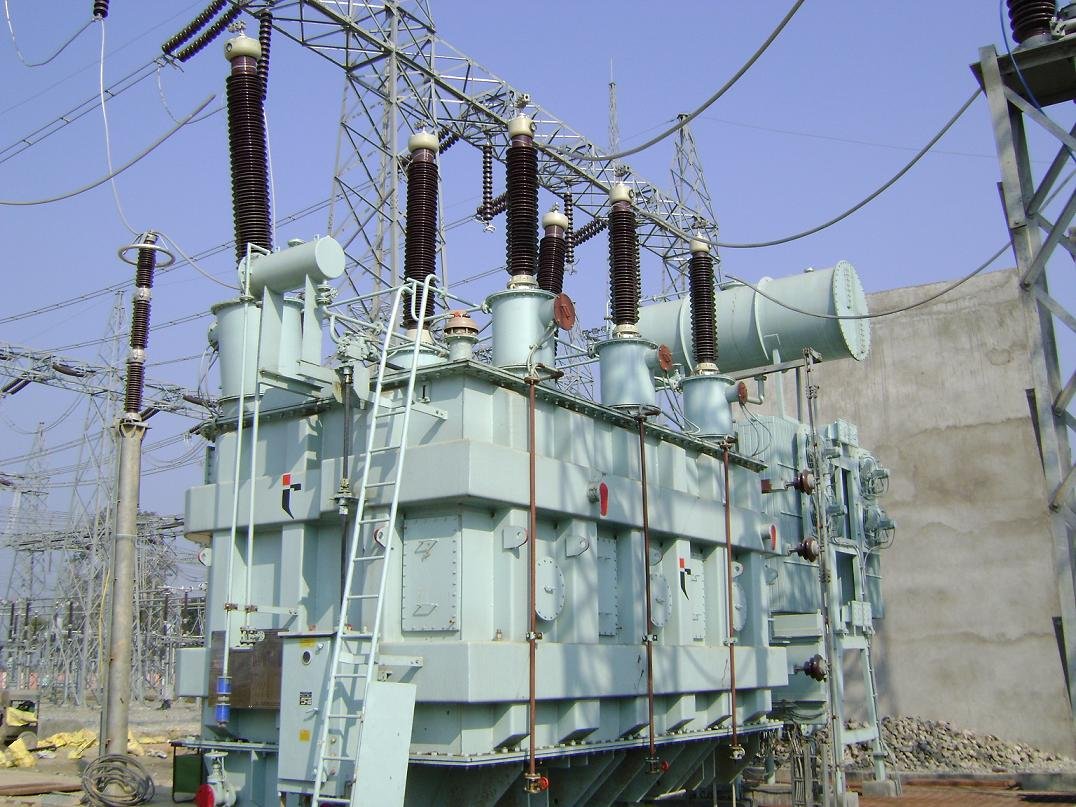
Power transformer oil selection depends on application-specific performance requirements.
- Utility systems require stable dielectric and thermal properties
- Industrial environments demand resistance to contamination
- Indoor installations need higher fire safety standards
- Outdoor systems require strong oxidation resistance
- Renewable energy systems favor biodegradable solutions
Application-based selection ensures optimal performance and safety. Engineers must align oil characteristics with operating conditions. Environmental factors influence long-term reliability and compliance. Careful evaluation reduces maintenance costs and improves efficiency.
Maintenance practices and monitoring strategies for transformer oil
Regular monitoring ensures consistent oil performance over time. Filtration removes contaminants and improves insulation properties. Regeneration restores degraded fluid characteristics effectively. Online monitoring systems track temperature and moisture continuously. Dissolved gas monitoring detects early fault conditions. Routine testing prevents unexpected equipment failures. Predictive maintenance improves reliability and reduces downtime. Engineers rely on data analysis for maintenance decisions. Effective monitoring ensures long-term operational stability.
Common mistakes when specifying transformer oil in systems
Specification errors often result from incomplete technical evaluation. Engineers sometimes overlook moisture sensitivity in humid environments. Compatibility with insulation materials may be ignored. Thermal performance requirements are frequently underestimated. Cost-driven decisions can compromise long-term reliability. Inadequate testing standards lead to poor quality selection. These issues also affect integrated systems like High / Low-voltage switchgear. Proper understanding helps prevent these mistakes. Accurate specification improves system performance and safety.
Practical checklist for power transformer oil specification
Power transformer oil specification requires a structured and consistent evaluation approach.
- Verify dielectric strength requirements
- Confirm compliance with IEC and ASTM standards
- Evaluate flash point and fire safety ratings
- Assess environmental impact and biodegradability
- Review supplier certifications and quality assurance
- Plan maintenance and monitoring procedures
Using a checklist reduces errors and improves decision accuracy. Engineers can standardize procurement and evaluation processes. Structured methods enhance reliability and safety outcomes. Proper verification ensures consistent system performance.
Future trends shaping transformer oil technology
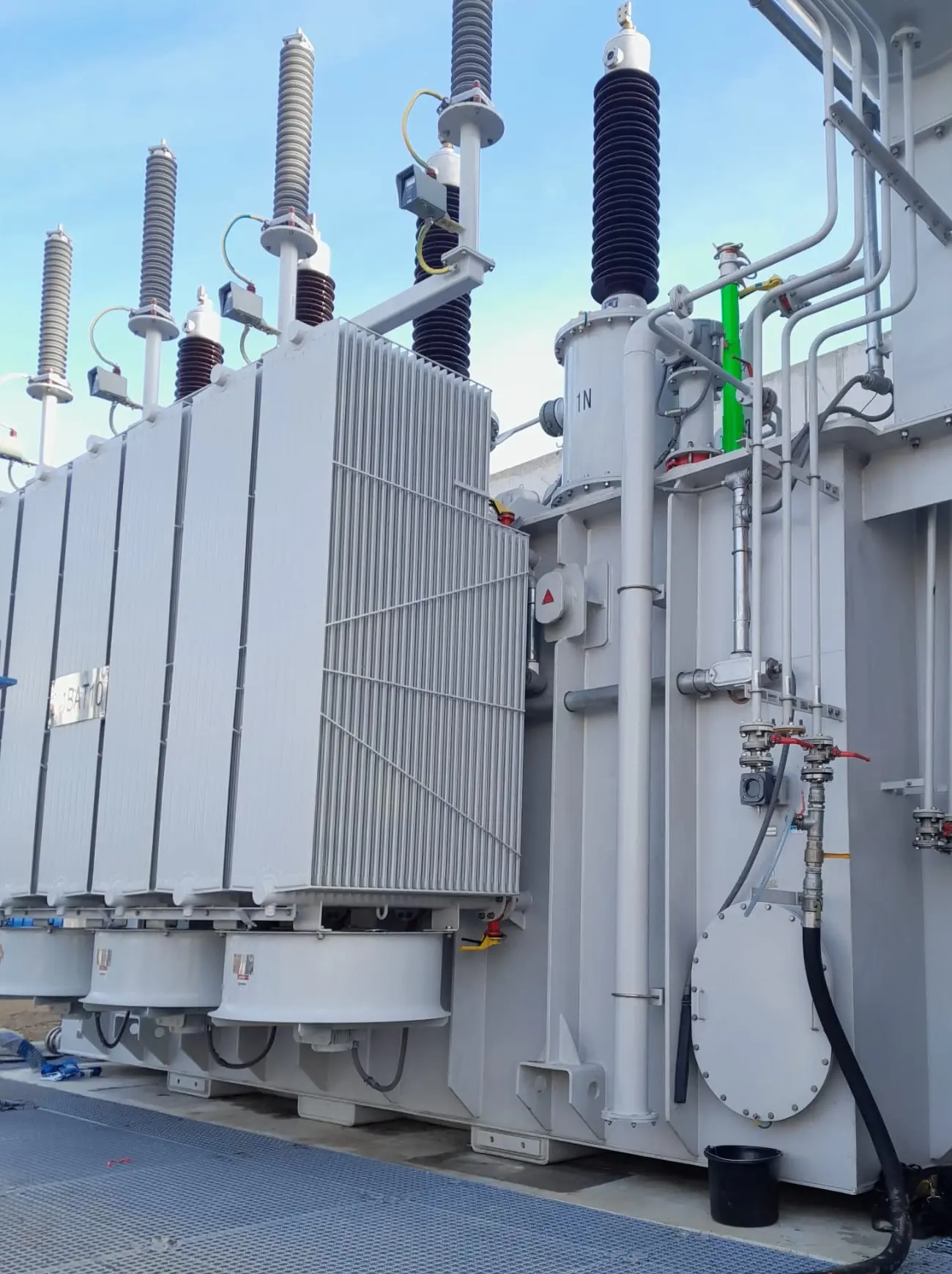
Transformer oil technology continues evolving with modern industry requirements. Eco-friendly fluids gain importance due to environmental regulations. Smart monitoring systems enable real-time diagnostics and analysis. Advanced additives improve oxidation resistance and lifespan. Digital tools enhance predictive maintenance capabilities. Regulatory frameworks influence oil selection standards globally. Engineers must adapt to these technological advancements. Future developments will focus on sustainability and efficiency improvements.
FAQ
What is the main function of power transformer oil?
Power transformer oil provides essential insulation and cooling within transformers. It prevents electrical discharge between energized components during operation. The fluid transfers heat away from windings and cores efficiently. Effective heat dissipation ensures stable performance under varying loads. Oil also protects internal parts from oxidation and contamination. High-quality fluid maintains dielectric strength and system reliability. Regular monitoring ensures continued effectiveness over time. Proper selection directly impacts safety and operational lifespan.
How often should transformer oil be tested?
Testing frequency depends on transformer size and operating conditions. Large systems typically require testing every six to twelve months. Smaller units may follow annual inspection schedules. Harsh environments demand more frequent analysis and monitoring. Key tests include dissolved gas analysis and moisture evaluation. Dielectric strength testing ensures insulation performance remains stable. Regular testing identifies issues before major failures occur. Engineers should follow IEC and ASTM guidelines. Consistent monitoring improves reliability and reduces downtime.
Which type of transformer oil is best for high-temperature environments?
Synthetic ester oil performs best in high-temperature applications. It maintains stability and insulation properties under elevated conditions. This oil also provides higher fire resistance than mineral oil. Natural ester offers good performance but may degrade faster under extreme heat. Mineral oil generally performs less effectively in such environments. Engineers often select synthetic ester for demanding industrial systems. Proper cooling design also supports oil performance. Choosing the right fluid ensures safe and efficient operation.