Why Is a PV Step-Up Transformer Essential for Solar Plants?
-
Why a PV step-up transformer is essential for utility-scale solar plants to ensure efficient transmission, grid stability, and long-term LCOE optimization.
The Role of High Voltage in Solar Infrastructure
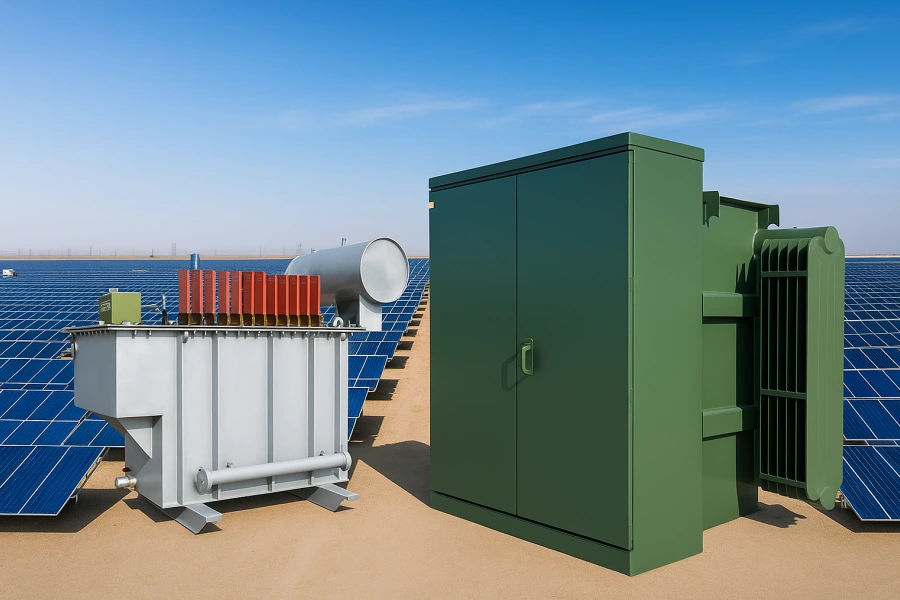
Large utility-scale solar installations generate massive amounts of energy across vast geographical areas. Modern solar inverters typically produce power at low voltage levels that are unsuitable for immediate grid integration. A PV step-up transformer serves as the critical link between these local generation points and the regional transmission network. This equipment increases the voltage from the inverter output to medium or high levels. Without this conversion, the electrical energy would struggle to move efficiently across the plant. Engineers prioritize these components because they dictate the overall reliability of the entire renewable energy system. High-quality step-up solutions ensure that every watt generated by the panels reaches the intended destination.
Maximizing Transmission Efficiency Across Long Distances
Electrical resistance creates significant heat and energy loss when moving power through long cables. Increasing the voltage allows the system to transport electricity with much lower current levels. This physical principle directly minimizes resistive losses during the journey to the utility substation. A PV step-up transformer is essential for utility-scale solar plants to boost low-voltage AC power. High-voltage transmission ensures that the energy generated in remote sunny fields arrives at cities with minimal waste. Reducing these thermal losses significantly improves the total yield of the renewable project over its lifespan. Efficiency at this stage is a primary driver for achieving sustainable energy goals.
Matching Grid Requirements for Successful Interconnection
Utility grids operate at specific high-voltage standards to maintain stability across the country. Solar inverters produce low-voltage power which must be converted to match these existing grid requirements. This usually involves stepping up the electricity to levels like 11kV, 33kV, or even higher. Grid compatibility is a non-negotiable factor for any large-scale solar project seeking a connection permit. The transformer acts as a gatekeeper that ensures the solar farm speaks the same language as the utility. Isolation provided by these units also protects the delicate inverter electronics from external grid faults. Proper interconnection guarantees a smooth flow of green energy into the public power pool.
Maintaining Voltage Regulation and Power Flow Stability
Solar energy production is inherently variable due to changing weather conditions and the daily sun cycle. Rapid fluctuations in power output can cause flickers or even complete grid shutdowns if left unmanaged. A PV step-up transformer regulates these voltage fluctuations to maintain a stable, high-quality power flow. Stable voltage is critical for preventing grid instability and ensuring the safety of nearby electrical equipment. Consistent power quality helps the plant operator avoid penalties from utility companies for poor performance. Maintaining a steady output profile maximizes the uptime and revenue of the entire solar investment. Reliability at the transformer level translates directly into financial security for the project owners.
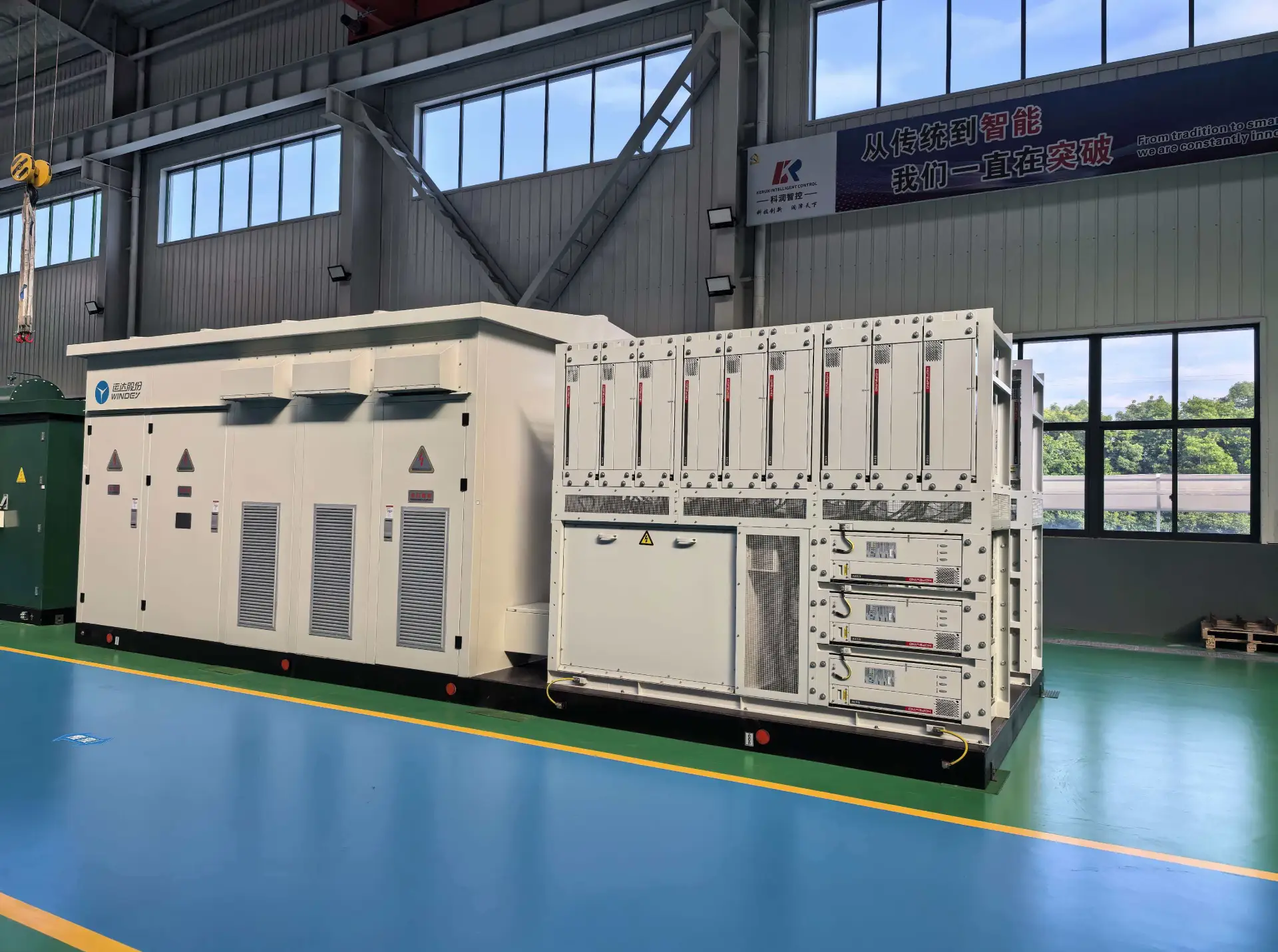
Strategic Comparison of Standard and Solar Duty Transformers
| Feature | Standard Distribution Unit | Specialized PV Step-Up Unit |
|---|---|---|
| Load Cycle | Consistent and predictable | Variable and intermittent |
| Harmonic Handling | Low tolerance levels | Designed for inverter harmonics |
| Cooling System | Mineral oil or dry type | Fire-resistant vegetable oil |
| Environment | Standard indoor/outdoor | Extreme heat and solar radiation |
Designing for the Unique Challenges of Solar Loads
The table above highlights why generic industrial equipment often fails in solar applications. Specialized solar duty designs handle the unique, variable, and often intermittent load cycles of solar energy. Traditional transformers expect a steady demand, whereas solar units must ramp up and down daily. Advanced engineering allows these units to manage significant harmonics generated by high-frequency power electronics. Failure to account for these specific stresses can lead to premature insulation breakdown or cooling failures. Modern units often use fire-resistant vegetable oil to reduce environmental risks and improve thermal performance. These specialized characteristics ensure the long-term durability of the plant’s most critical electrical node.
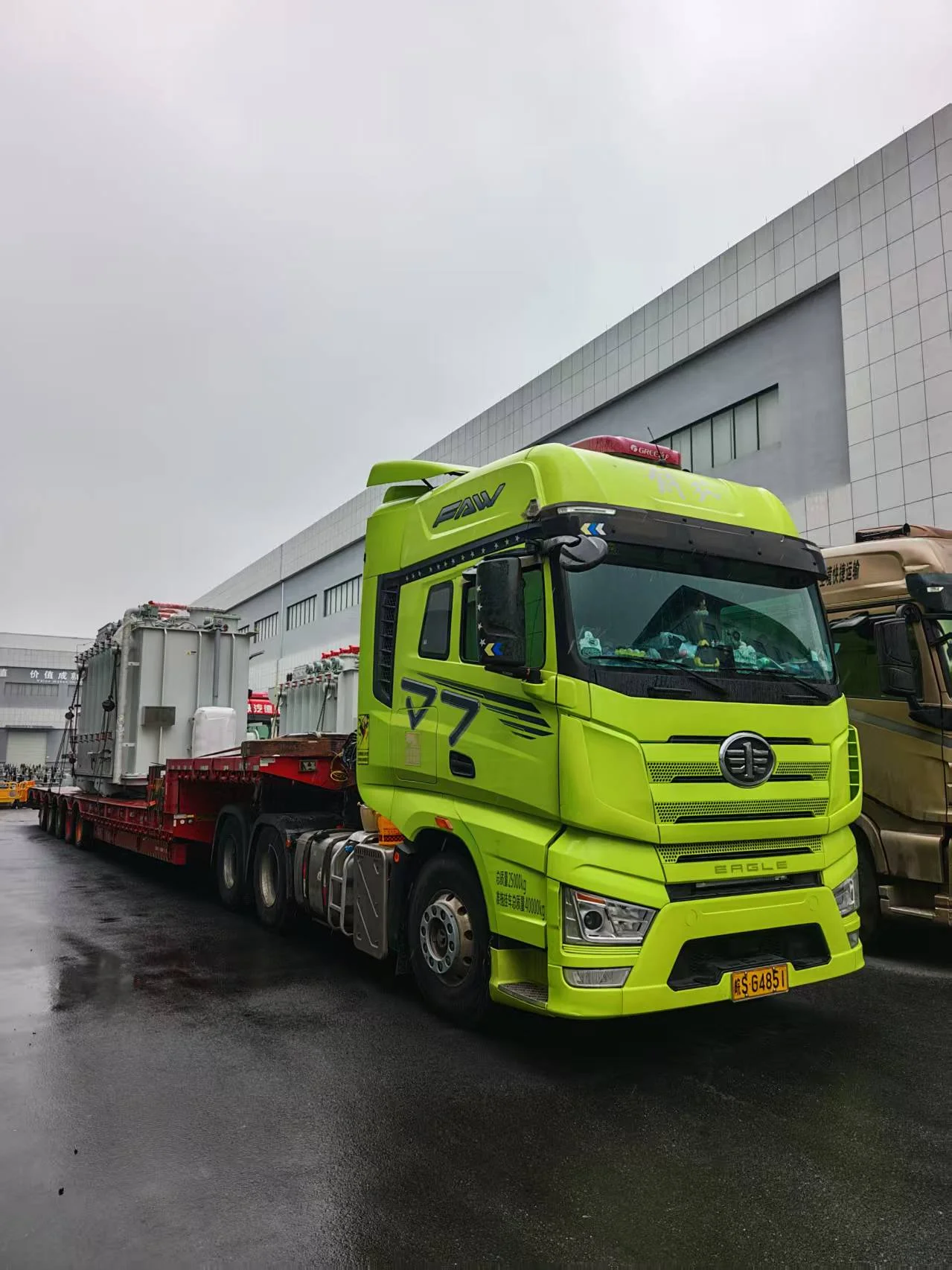
Protecting Equipment from Harmonic Distortion and Heat
Power electronics in solar inverters create harmonic distortion that can damage standard electrical components. Specialized solar duty transformers manage these specific challenges by utilizing reinforced insulation and robust winding designs. They also withstand high ambient temperatures frequently found in desert-based or tropical solar farms. Effective thermal management prevents the core from overheating during peak noon production hours. Protecting the system from overload is essential for maintaining a high safety standard across the site. Reliable protection reduces the frequency of maintenance visits and unplanned downtime for the operator. Engineering for heat and harmonics is a fundamental requirement for modern renewable infrastructure.
-
Select transformers with low-loss core materials to maximize the energy yield.
-
Verify the unit includes environmental containment for cooling liquids to protect soil.
-
Ensure the cooling system is rated for the maximum recorded local temperature.
-
Check for harmonic filtering capabilities to protect the internal coil structures.
Optimizing the Levelized Cost of Electricity for Investors
The list provided outlines critical considerations for selecting the right equipment for a utility project. Properly sized transformers are critical to optimizing the levelized cost of electricity (LCOE) for large-scale solar. Selecting a unit that is too small leads to overheating and efficiency bottlenecks during peak hours. Conversely, an oversized unit increases initial capital expenditure without providing a meaningful return on investment. Accurate sizing requires a deep understanding of the specific inverter configuration and site conditions. Investors prioritize LCOE because it represents the true cost of energy production over twenty years. A high-efficiency PV step-up transformer is a direct investment in the project’s bottom line.
Enhancing Safety Through Advanced Galvanic Isolation
Safety is a primary concern for high-voltage installations that operate in remote or public areas. Galvanic isolation provided by the transformer ensures that DC faults in the solar array do not migrate. This separation protects utility workers and plant technicians during routine maintenance or emergency repairs. Reliable isolation also prevents surges from the grid from damaging the expensive inverter clusters. High-quality transformers incorporate internal sensors to detect gas buildup or sudden pressure changes. These safety features provide early warnings before a catastrophic failure can occur on the site. Building a safe electrical architecture is the foundation of any professional renewable energy project.
Environmental Considerations and Sustainable Fluid Technology
Modern renewable energy projects must minimize their ecological footprint beyond just providing green power. Many utility-scale plants now utilize transformers filled with biodegradable, fire-resistant cooling liquids like vegetable oil. This choice reduces the risk of soil contamination in the event of a rare leak. Fire-resistant fluids also allow for more compact site layouts by reducing the required safety distances. Sustainable fluid technology aligns the physical hardware with the overall mission of the solar project. Using environmentally friendly components improves the public image of the utility company and local developers. Responsibility in material selection reflects a commitment to the long-term health of the planet.
Final Summary of Solar Interconnection Requirements
Choosing a PV step-up transformer is a defining moment for the success of any utility-scale solar plant. This equipment ensures grid compatibility while managing the complex harmonics of power electronics. High-voltage transmission reduces energy waste and maximizes the financial return for global energy investors. Specialized solar duty designs provide the necessary resilience to handle intermittent loads and extreme desert heat. Prioritizing environmental safety through vegetable oil cooling protects the local ecosystem for future generations. Your choice of transformer will determine the stability and efficiency of your entire solar infrastructure. Invest in professional engineering today to secure the energy needs of tomorrow.
FAQ
What are the main differences between mineral oil and vegetable oil in transformers?
Mineral oil is a traditional petroleum-based fluid that is effective but poses environmental risks if spilled. It is also more flammable than modern alternatives used in the renewable energy sector. Vegetable oil, often called ester fluid, is biodegradable and has a much higher fire point. This makes it safer for large-scale solar plants located in dry, fire-prone regions. While vegetable oil is slightly more expensive, it offers superior thermal stability for solar duty cycles. Most modern utility projects prefer ester fluids to meet strict environmental and safety regulations.
How do harmonics from solar inverters affect transformer lifespan?
Solar inverters use high-speed switching to convert DC power to AC, which creates electrical harmonics. These harmonics increase the heating in the transformer windings and core due to higher eddy current losses. Standard transformers are not designed for this extra thermal stress and may suffer from rapid insulation degradation. A specialized solar duty unit features reinforced conductors and improved cooling to handle these harmonic distortions safely. Without proper harmonic management, a transformer might fail in less than half of its expected service life. Investing in harmonic-rated equipment is essential for protecting your long-term capital investment.
Can a single step-up transformer serve multiple inverter clusters?
Yes, many utility-scale designs use a large central transformer to aggregate power from several inverter clusters. This “centralized” approach can reduce the total number of components on-site and simplify the maintenance schedule. However, it requires longer low-voltage cable runs, which can increase the resistive power losses before the step-up stage. Some developers prefer a “string” or “distributed” approach with smaller transformers located closer to the inverters. The best choice depends on the specific geography of your site and the total power capacity required. Proper system architecture is vital for balancing initial costs with long-term energy efficiency.