
Which Sectors Adopt Dry Type Transformer Market the Fastest?
-
Confirm load demand, voltage class, environment, and certification requirements when selecting a 300 kVA dry type transformer for engineering applications.
Dry type transformer market growth driven by safety and urban density
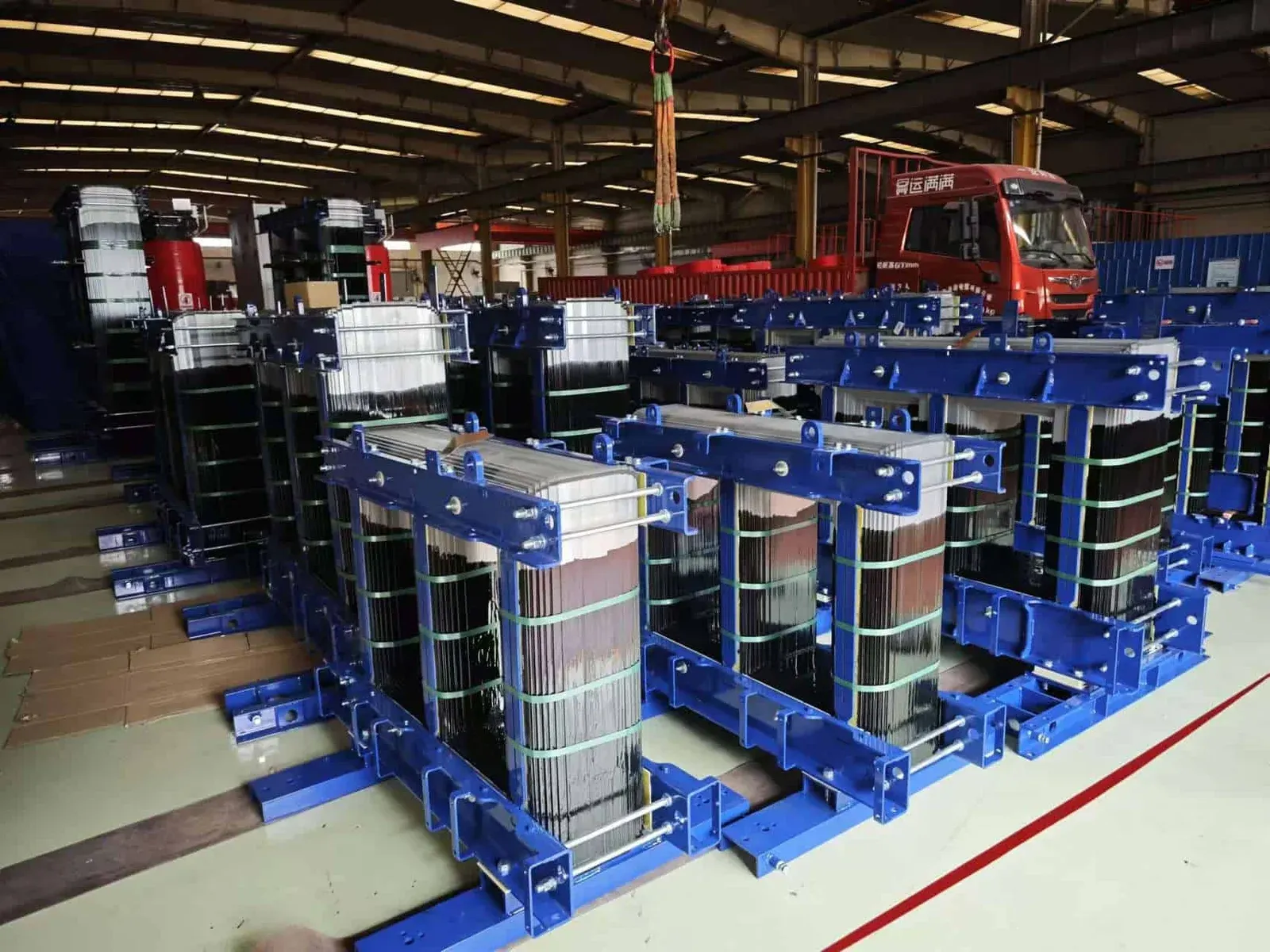
The dry type transformer market continues expanding as urban density, electrification, and stricter fire regulations reshape infrastructure investment. Developers increasingly prioritize equipment that can operate safely inside buildings without oil containment systems. Dry type transformers eliminate flammable liquid risks, making them highly suitable for commercial complexes, hospitals, transit hubs, and data facilities. Sustainability initiatives further accelerate this shift because oil-free equipment aligns with environmental compliance goals. As cities grow vertically and underground infrastructure expands, indoor transformer installations become more common. Market acceleration therefore closely follows regulatory pressure, space constraints, and the need for safer electrical distribution in high-occupancy environments.
Commercial buildings lead early-stage adoption
Commercial real estate projects remain the fastest adopters within the dry type transformer market. Office towers, healthcare facilities, retail centers, and educational campuses require indoor substations close to load centers. Fire safety compliance strongly favors non-liquid insulation systems. Developers benefit from simplified building approval procedures when transformers do not require oil containment pits or blast walls. Reduced environmental liability lowers long-term operational risk for property owners. Quiet operation also improves tenant comfort in mixed-use buildings. As green building certifications and ESG reporting standards expand, commercial developers increasingly specify dry type transformers to meet safety and sustainability benchmarks simultaneously.
Industrial facilities adopt for operational flexibility
Light and medium industrial sectors increasingly contribute to dry type transformer market growth. Manufacturing plants focused on electronics, pharmaceuticals, or precision assembly prefer clean and oil-free indoor electrical rooms. Indoor placement reduces cable distance and improves voltage regulation stability. Automation upgrades and modular production lines demand flexible power distribution systems. Dry type units enable phased capacity expansion without complex containment retrofits. While heavy outdoor processing plants may continue using oil-filled transformers for very high ratings, controlled-environment factories show accelerating adoption due to safety and efficiency benefits.
Transportation infrastructure accelerates deployment
Urban rail systems, metro stations, airports, and tunnels represent another fast-growing segment of the dry type transformer market. Underground environments cannot tolerate oil leakage or combustion hazards. Passenger safety requirements and strict fire codes make dry type transformers a logical choice for confined substations. Compact design simplifies integration into platforms and technical rooms. Reduced fire suppression infrastructure lowers project complexity. Long lifecycle reliability is critical in transit networks where downtime affects thousands of commuters. Infrastructure authorities increasingly standardize dry type specifications for indoor and subterranean installations.
Renewable and distributed energy applications
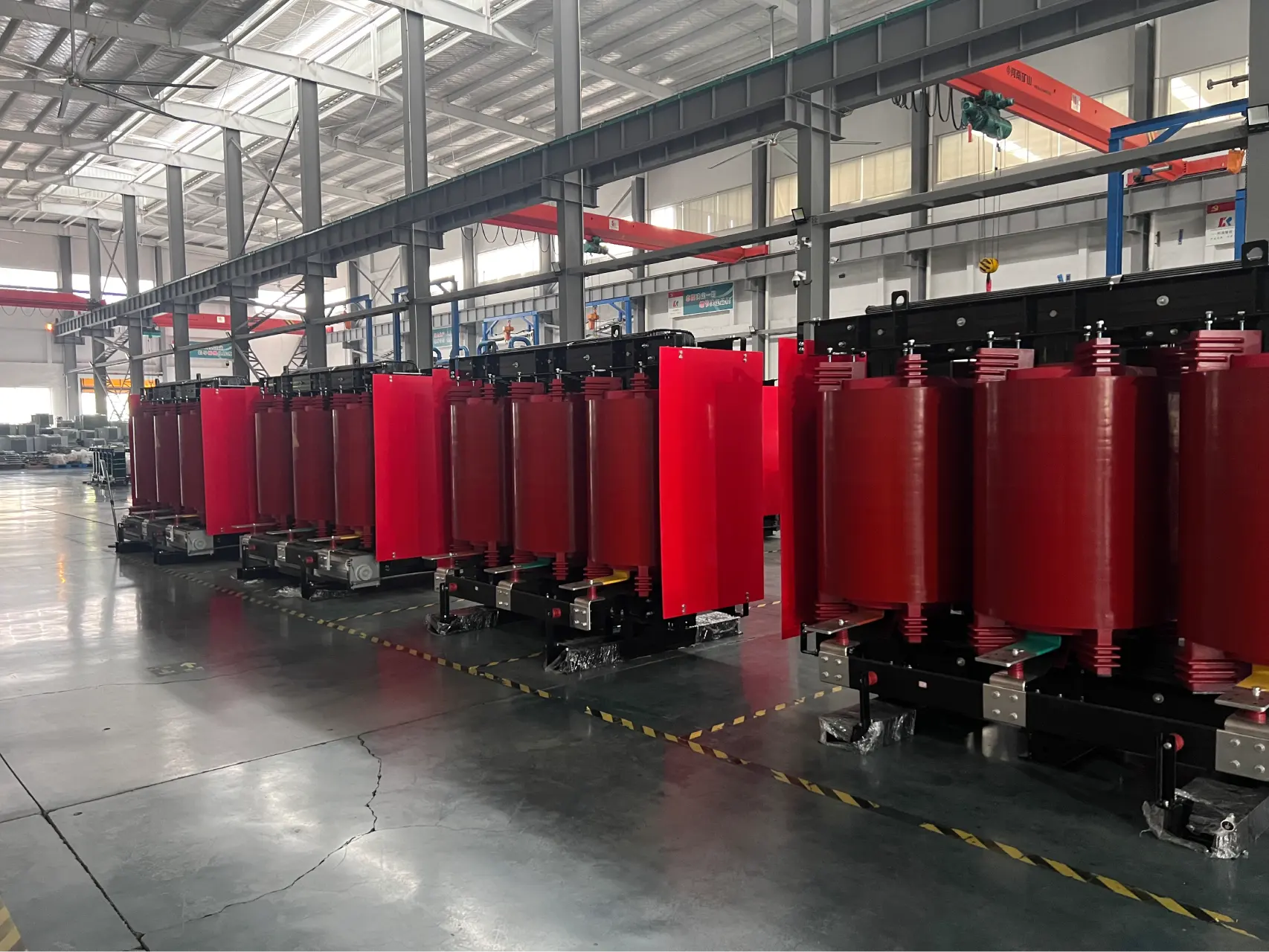
Renewable integration also supports expansion of the dry type transformer market. Commercial rooftop solar systems require safe indoor step-up or isolation transformers. Energy storage systems installed within buildings benefit from oil-free technology. Distributed generation projects often operate in populated areas where environmental risk must remain minimal. Sustainability objectives further reinforce the selection of dry type equipment. As electrification policies accelerate decentralized energy deployment, demand for compact, safe, and environmentally aligned transformer solutions increases steadily.
Sector adoption comparison overview
| Sector | Adoption Speed | Primary Driver | Installation Environment |
|---|---|---|---|
| Commercial Buildings | Very Fast | Fire safety & ESG compliance | Indoor substations |
| Light Industry | Fast | Operational flexibility | Indoor electrical rooms |
| Transportation | Fast | Passenger safety regulations | Underground / confined spaces |
| Renewables | Moderate to Fast | Environmental sustainability | Indoor / distributed sites |
| Heavy Industry | Gradual | Capacity requirements | Outdoor yards |
The table illustrates how sectors with strict fire and occupancy standards move faster toward dry type solutions than outdoor heavy industry applications.
Procurement parameter checklist for buyers
- Rated capacity (kVA) aligned with calculated demand
- Primary and secondary voltage ratings
- Insulation class and allowable temperature rise
- Ingress protection level (IP rating)
- Cooling method such as AN or AF
- Noise level requirements for occupied buildings
- Short-circuit impedance and fault withstand rating
- Harmonic tolerance for nonlinear loads
- Applicable IEC or IEEE standards compliance
- Warranty coverage and after-sales support
Selecting parameters carefully ensures that rapid market adoption translates into long-term reliability and regulatory compliance rather than unexpected redesigns.
Delivery milestones from design to commissioning
- Technical drawing confirmation and approval
- Core and winding manufacturing phase
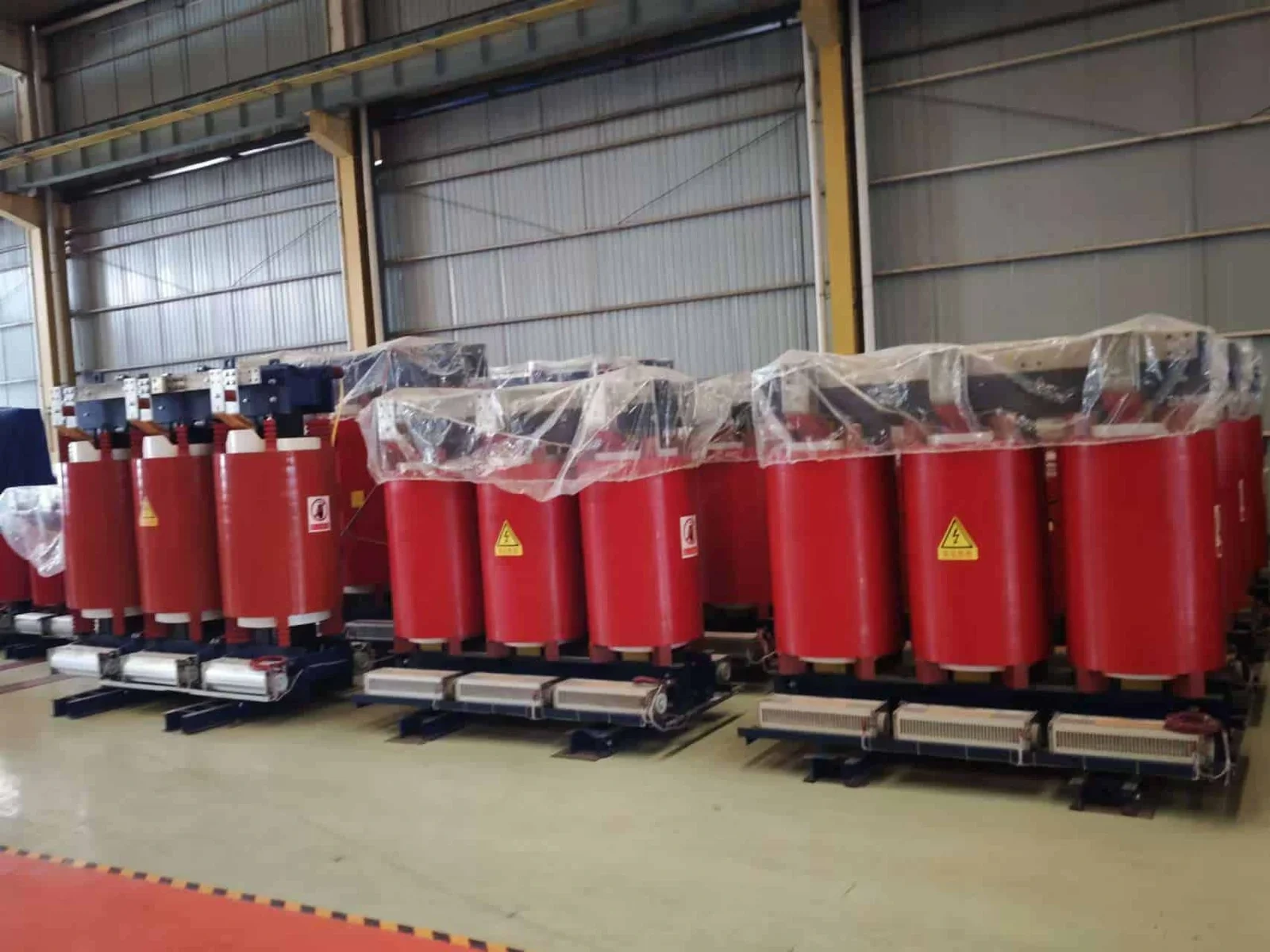
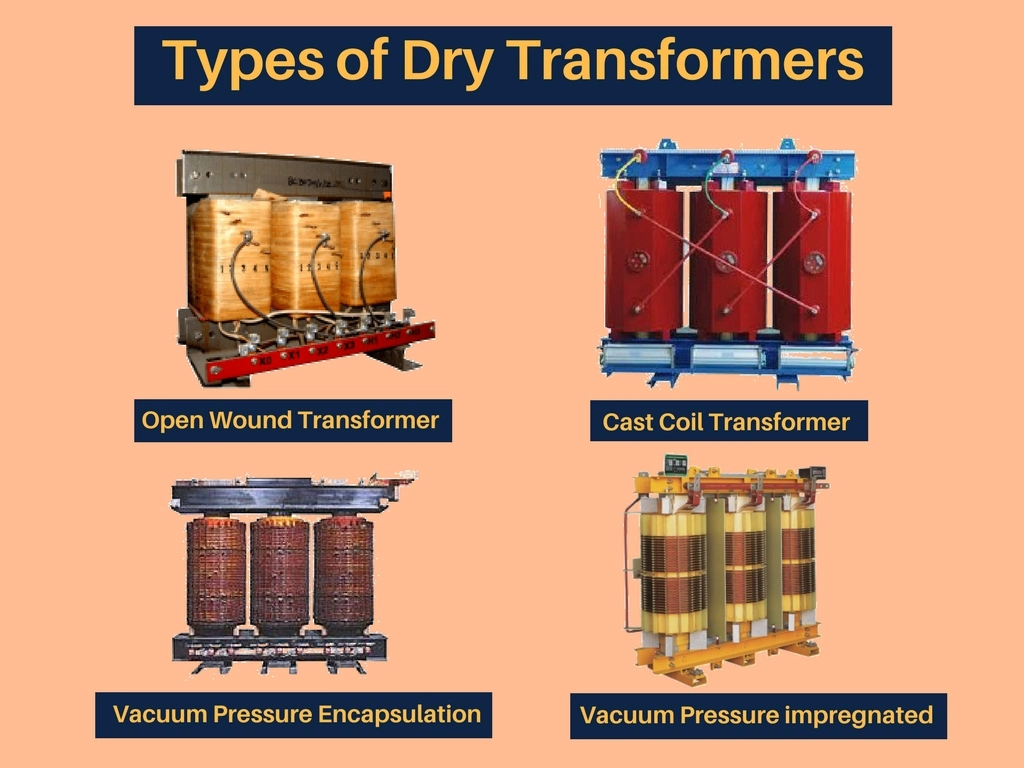
- Resin casting or vacuum pressure impregnation process
- Routine factory tests including ratio and insulation verification
- Optional type testing such as temperature rise validation
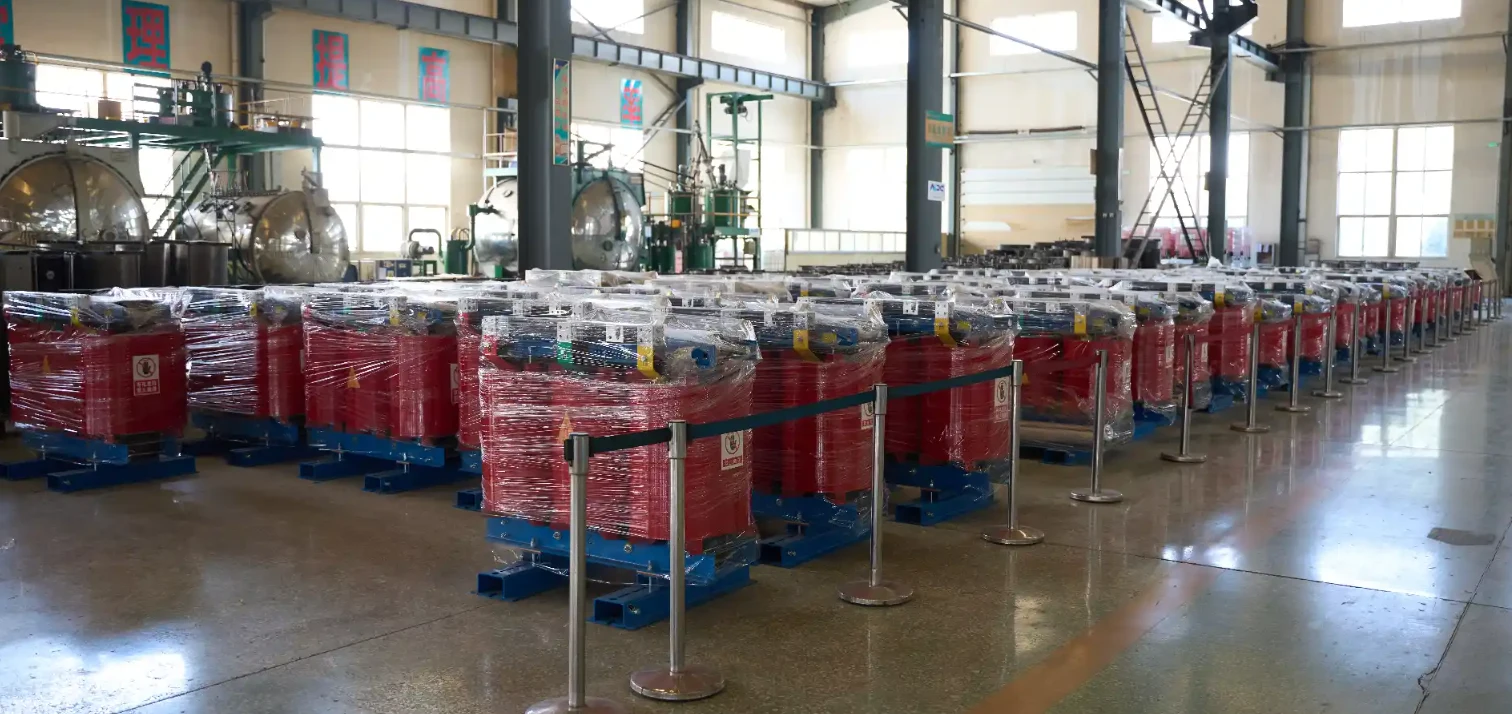
- Protective packaging and moisture sealing
- Transportation and logistics coordination
- On-site inspection and installation supervision
- Pre-energization testing and commissioning
- Final documentation and warranty activation
Milestone transparency supports construction schedule alignment and reduces project delays in large commercial or infrastructure developments.
Regional acceleration and policy influence
Regulatory environments strongly influence dry type transformer market growth rates. Regions with stringent indoor fire codes and sustainability mandates adopt faster. Rapid metro expansion in Asia and the Middle East also drives demand. Electrification upgrades in Europe and North America encourage replacement of aging oil-filled indoor units. Digitalization and smart building systems further increase indoor transformer requirements. Stakeholders seeking deeper statistical forecasting should consult the Dry Type Transformer Market Analysis and Trends Report for detailed regional projections and application breakdowns.
Awareness summary and transition
The dry type transformer market grows fastest in sectors where safety, environmental compliance, and indoor installation flexibility matter most. Commercial buildings, light industrial facilities, and transportation infrastructure lead adoption momentum. Procurement success depends on correct parameter selection and disciplined delivery milestone management. Understanding sector-specific drivers prepares buyers for deeper technical comparison. The next stage advances toward Dry Type Transformer · Selection (Consideration), where insulation systems, cooling methods, and efficiency levels are evaluated in detail.
FAQ
Why is the dry type transformer market growing faster in cities?
Urban areas enforce strict fire safety regulations and concentrate high-occupancy buildings. Dry type transformers eliminate oil-related fire risks and reduce containment infrastructure requirements. Compact indoor installation supports vertical development and underground transit expansion. Environmental and ESG reporting standards also influence city-based developers. These combined factors accelerate adoption rates in metropolitan regions compared to rural heavy industry zones.
Are dry type transformers suitable for heavy industrial loads?
Dry type transformers can support many industrial applications, particularly indoor and medium-capacity systems. However, extremely high-capacity outdoor substations may still rely on oil-filled units due to thermal and cost considerations. Application analysis must consider load profile, ambient temperature, and installation constraints. Many modern factories transitioning toward automated and climate-controlled production increasingly select dry type designs for flexibility and safety.
What shortens delivery time in dry type transformer projects?
Early drawing approval and clear specification alignment significantly reduce production delays. Standardized voltage ratings and insulation classes accelerate manufacturing. Transparent communication between contractor and manufacturer improves scheduling accuracy. Coordinated logistics planning ensures smooth transportation and site readiness. Structured procurement processes therefore enhance both timeline control and installation efficiency.