FAQ
What is the efficiency difference between CRGO and amorphous steel?
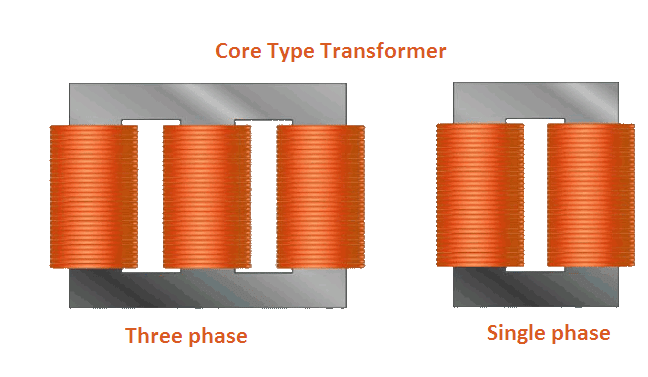
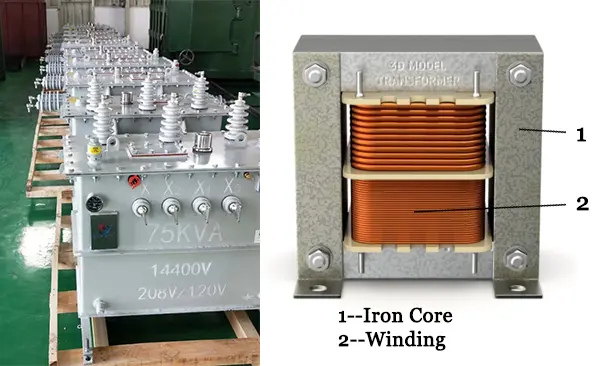
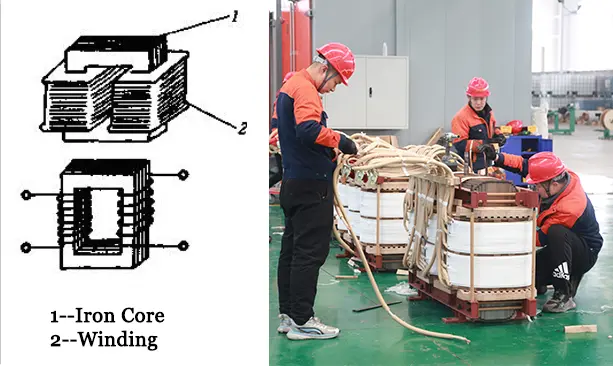
Amorphous steel cores reduce no-load energy losses by nearly eighty percent compared to CRGO steel. This energy saving occurs because amorphous metal lacks a restrictive crystalline lattice structure. Consequently, magnetic domain walls experience minimal friction when alternating current flows. However, CRGO steel sustains a higher magnetic saturation limit during heavy load peaks. Utilizing a core type transformer made of CRGO remains cost-effective for continuous high-load industrial operations. Designers must evaluate specific regional grid conditions to select the optimal material option. Both metals offer unique operational benefits depending on load factors. Proper selection guarantees maximum grid performance over long service spans.
Why does silicon content matter in magnetic steel sheets?
Silicon increases the electrical resistivity of iron sheets to suppress destructive eddy currents. High electrical resistivity restricts parasitic current loops that generate excess heat during operations. Typically, adding up to three point five percent silicon optimizes overall energy transmission efficiency. However, exceeding this percentage makes the metallic alloy brittle and difficult to manufacture. Brittle sheets tend to crack during precision punching and lamination assembly procedures. Therefore, manufacturers control silicon levels carefully to maintain essential mechanical flexibility. This precise metallurgical balance ensures the magnetic core remains robust and efficient. Proper composition prevents physical failures under continuous heavy industrial grid stress. Reliable alloy performance protects high-voltage systems from early electrical breakdown.
How do magnetic flux properties affect core material selection?
Magnetic flux capacity dictates the maximum power density a metallic core can handle safely. Materials with high magnetic saturation limits allow for compact power grid structures. For example, silicon steel supports high flux density without entering premature magnetic saturation. Conversely, amorphous metals saturate at lower magnetic values, requiring larger physical core dimensions. Engineers must calculate expected peak grid voltages to prevent dangerous system saturation events. Saturation leads to rapid overheating and potential insulation breakdown within the coils. Selecting the correct alloy balances physical equipment size with overall grid operating efficiency. This strategic choice secures stable power transmission and lowers overall utility carbon footprint. Careful magnetic modeling guarantees optimal long-term grid substation performance.