
Which Applications Commonly Use a 10kV Oil Immersed Transformer?
-
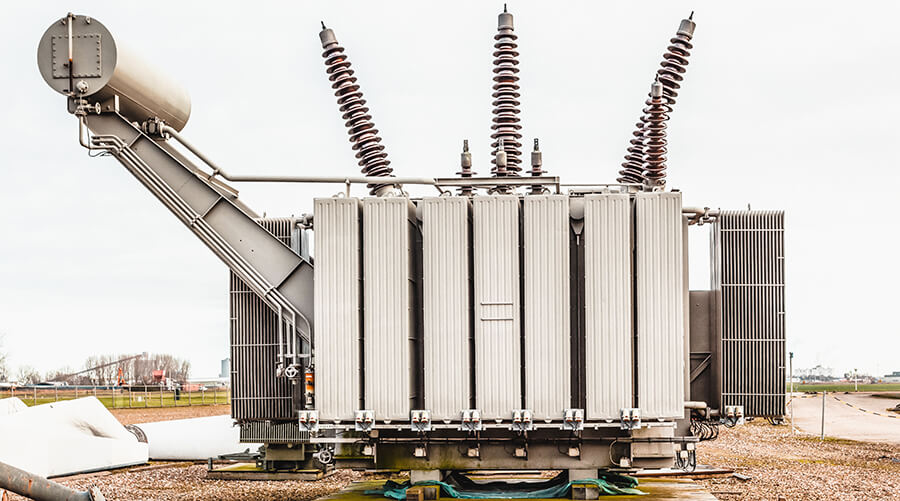
Where a 10kV oil immersed electric power transformer is commonly used in urban and industrial distribution systems.
Why Is 10kV a Core Voltage Level in Distribution Networks?
In modern power systems, the 10kV voltage level acts as a critical distribution bridge. It connects regional substations with end-user consumption networks. Utilities prefer this voltage because it reduces transmission losses while remaining practical for urban deployment. A 10kV oil immersed electric power transformer supports this role through stable insulation and thermal performance. Engineers value its ability to manage fluctuating loads without efficiency collapse. Cities and industrial zones depend on this voltage for predictable energy flow. As power demand grows, this level continues serving as a reliable standard.
What Defines a 10kV Oil Immersed Electric Power Transformer?
A 10kV oil immersed electric power transformer converts medium voltage electricity into lower usable levels. Its core and windings remain submerged in insulating oil. This oil provides electrical insulation and continuous cooling. The design supports long operating cycles under variable demand. Compared with air-cooled alternatives, oil immersion offers superior heat transfer. This advantage allows higher load density in compact installations. Such transformers remain common in distribution substations worldwide.
Why Oil Immersion Supports Stable 10kV Operation
Oil immersion directly improves operational stability. Transformer oil prevents partial discharge within windings. It also absorbs heat generated by current flow. This dual function reduces insulation aging. Lower thermal stress extends operational life. For 10kV systems, insulation reliability directly affects network stability. Oil immersed electric power transformers maintain performance even during peak demand. These properties make them suitable for continuous-duty distribution networks.
Urban Residential Distribution Applications
Urban residential areas require quiet and stable power delivery. A 10kV oil immersed electric power transformer supplies electricity to housing complexes and community substations. Daily load patterns fluctuate based on household activity. Oil immersed designs handle these variations smoothly. Their sealed construction limits environmental exposure. This protection improves reliability in dense city environments. Utilities rely on these transformers to support residential power stability.
Commercial and Public Infrastructure Applications
Commercial buildings demand consistent voltage quality. Shopping centers, hospitals, and office complexes depend on uninterrupted supply. A 10kV oil immersed electric power transformer supports these facilities by delivering steady conversion performance. Voltage stability protects sensitive equipment. Oil-based cooling prevents overheating during high daytime loads. Public infrastructure benefits from reduced outage risk. These transformers often serve as backbone equipment in commercial distribution networks.
Industrial Power Distribution Applications
Industrial operations require strong load tolerance. Motors, compressors, and processing equipment generate high inrush currents. A 10kV oil immersed electric power transformer manages these stresses efficiently. Its thermal capacity supports continuous industrial operation. Oil insulation stabilizes internal electrical fields. This stability reduces fault risk. Manufacturing plants value predictable transformer behavior. Reliable power delivery directly supports production continuity.
Common Application Scenarios for 10kV Oil Immersed Transformers
A wide range of distribution scenarios rely on this transformer type.
-
Residential neighborhood substations
-
Commercial building distribution rooms
-
Industrial production zones
-
Municipal infrastructure facilities
Why These Scenarios Prefer Oil Immersed Designs
Each scenario involves variable loads and long operation hours. Residential systems face daily demand cycles. Commercial facilities require voltage consistency. Industrial zones introduce mechanical and electrical stress. Municipal infrastructure demands reliability. Oil immersed electric power transformers adapt well to all these requirements. Their insulation and cooling performance supports consistent service.
Capacity Ranges and Typical Load Coverage
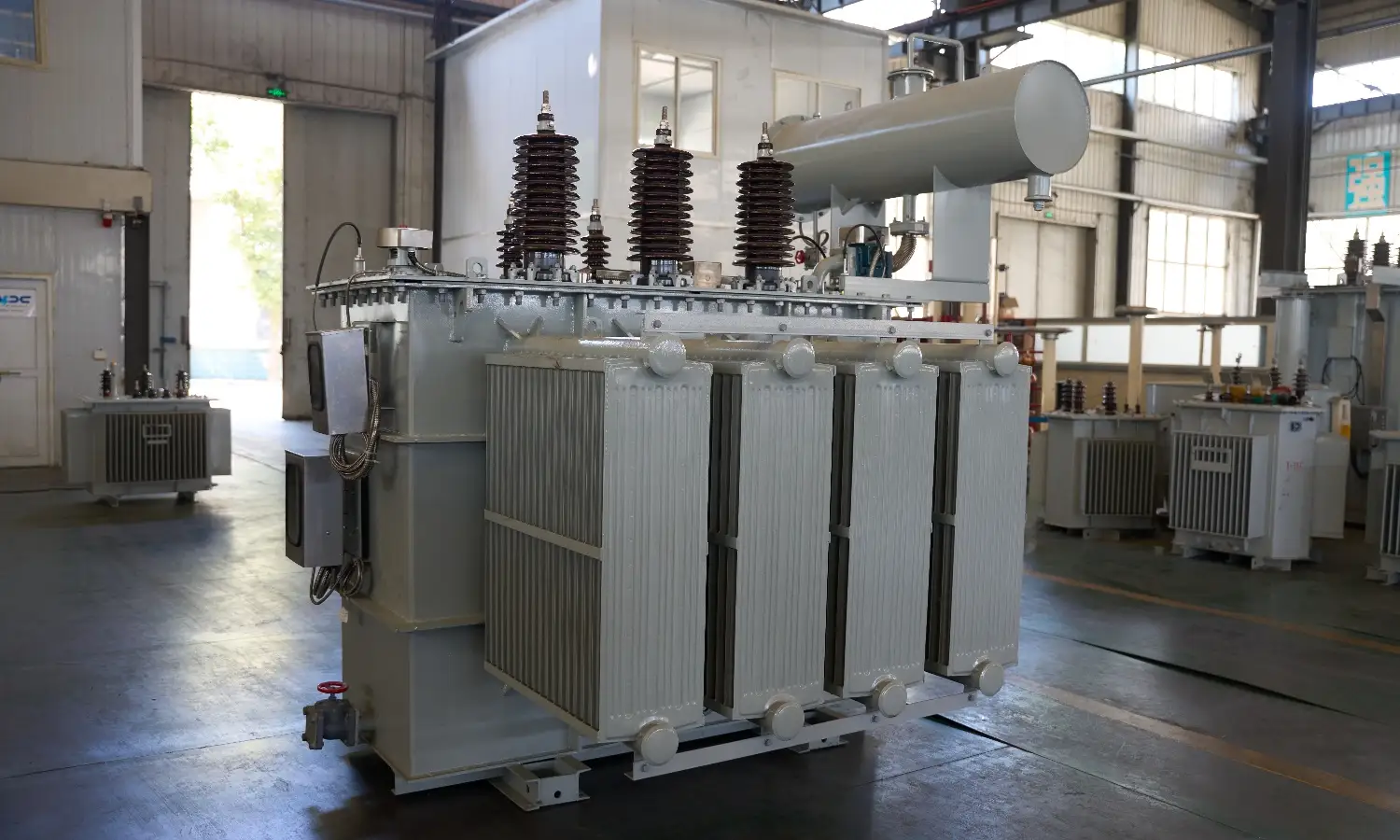
10kV oil immersed electric power transformers cover diverse capacity ranges. Smaller units support residential distribution. Larger units supply industrial networks. Proper capacity selection ensures efficiency and reliability. Oversized units waste energy. Undersized units risk overheating. Engineers select capacity based on load analysis and growth expectations.
Typical Capacity and Application Mapping
| Capacity Range | Typical Application | Load Characteristics |
|---|---|---|
| 100–500 kVA | Residential areas | Daily fluctuating demand |
| 630–1250 kVA | Commercial facilities | Stable daytime loads |
| 1600–2500 kVA | Industrial zones | High inrush currents |
How Capacity Selection Affects Distribution Performance
Capacity selection directly impacts efficiency and service stability. Residential loads require flexibility. Commercial systems need predictable output. Industrial loads demand strong thermal margins. A correctly sized oil immersed electric power transformer maintains voltage stability. Proper selection reduces operational risk and maintenance frequency.
Role in Low Voltage Distribution Networks
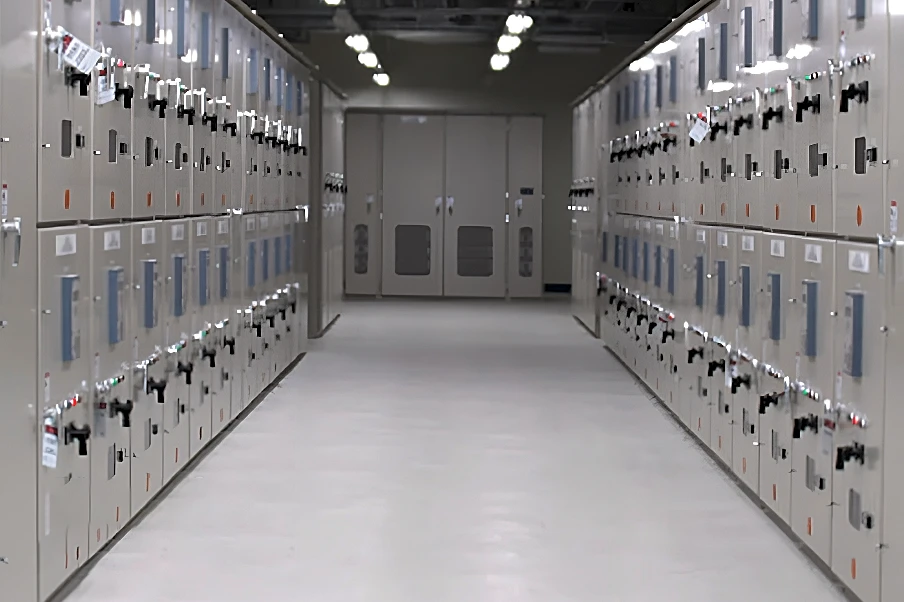
After voltage conversion, electricity reaches end users. A 10kV oil immersed electric power transformer typically steps voltage down to 400V. This level supports household appliances and industrial equipment. Stable secondary voltage protects connected devices. Reliable conversion ensures consistent power quality. Distribution networks rely on transformer performance at this stage. Oil immersion enhances conversion reliability under varying loads.
Installation Environments and Adaptability
Installation conditions influence transformer choice. These transformers operate effectively in outdoor substations and enclosed rooms. Sealed tanks protect internal components from moisture. Oil cooling reduces dependence on forced ventilation. This adaptability supports deployment in diverse environments. Utilities value this flexibility for urban planning and industrial layout.
Operational Maintenance Characteristics
Maintenance routines focus on oil condition and sealing integrity. Oil testing monitors insulation health. Regular inspections detect potential leaks early. Electrical connections require periodic verification. These procedures follow standardized industry practices. Predictable maintenance supports long-term asset planning. Oil immersed electric power transformers offer manageable lifecycle costs.
Why 10kV Oil Immersed Transformers Remain Widely Used
Despite evolving technologies, this transformer type remains relevant. Its insulation reliability supports demanding distribution networks. Thermal performance allows sustained operation. Installation flexibility meets varied site conditions. These strengths explain continued adoption across cities and industries. The 10kV oil immersed electric power transformer remains a cornerstone of modern distribution systems.

FAQ
Why do urban power networks rely heavily on 10kV oil immersed transformers?
Urban power networks require a balance between efficiency and safety. The 10kV level reduces transmission losses while fitting compact infrastructure layouts. Oil immersed transformers provide stable insulation and cooling. These features support continuous operation under daily load fluctuations. Urban environments demand reliability due to population density. Transformer failure can disrupt large communities. Oil immersion enhances operational security and lifespan. Utilities prioritize this design to reduce outage risk and maintenance frequency.
How does a 10kV oil immersed transformer support industrial load stability?
Industrial loads introduce sudden current surges and thermal stress. Oil immersed transformers absorb heat efficiently. Their insulation system stabilizes electrical fields under stress. This stability reduces fault probability. Industrial facilities value consistent voltage during equipment startup. Oil cooling supports long duty cycles. Reliable transformer behavior improves production continuity. These factors explain widespread industrial adoption.
What factors influence the selection of a 10kV oil immersed electric power transformer?
Selection depends on load demand, installation environment, and future expansion. Capacity must match expected consumption. Installation conditions determine enclosure and cooling requirements. Maintenance planning influences design choice. Oil immersed transformers suit applications requiring durability. Engineers evaluate efficiency, insulation reliability, and lifecycle cost. Proper selection ensures stable long-term operation.