
What specs should you confirm for high voltage switchgear?
-
High voltage switchgear specification checklist covering noise, losses, temperature rise, protection rating, installation space, and maintenance access.
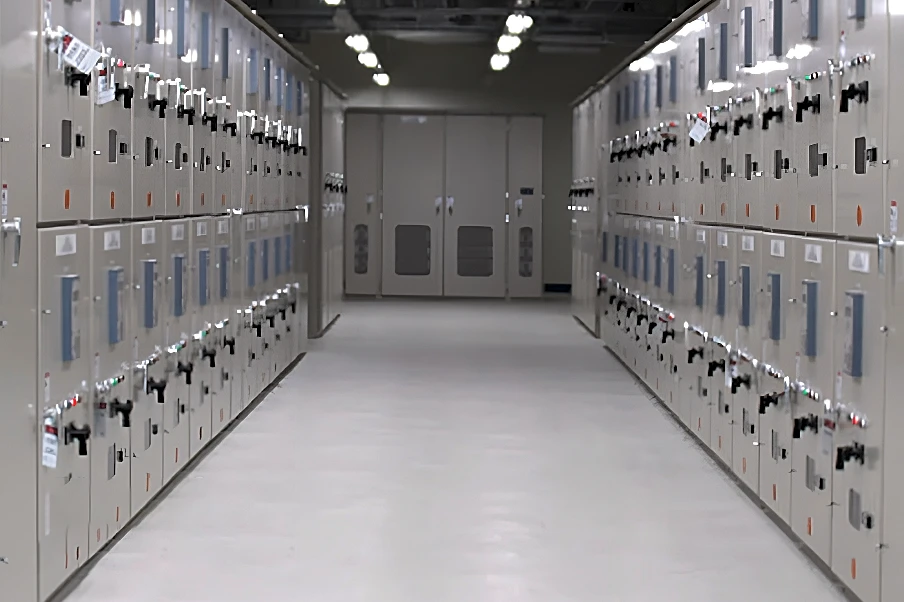

High Voltage Switchgear And Why Specification Confirmation Matters
High voltage switchgear plays a critical role in electrical distribution systems and grid protection. These systems control, isolate, and protect power circuits during normal operation and faults. Proper specification confirmation ensures safe operation under expected electrical loads. Engineers and project managers must verify several parameters before final equipment selection. Incorrect specifications may cause overheating, insulation failure, or system instability. Early evaluation reduces costly redesign during construction stages. Reliable switchgear also improves maintenance efficiency and operational stability. Understanding specification priorities allows project teams to eliminate unsuitable equipment early. Structured confirmation therefore supports safer power infrastructure planning.
Why A Structured Question Approach Improves Switchgear Selection
Engineering teams often encounter multiple questions during early equipment evaluation. A structured question approach simplifies specification confirmation and reduces confusion. Each question focuses on a specific operational factor. Noise, thermal performance, installation conditions, and maintenance accessibility represent typical concerns. Clear answers help determine whether the equipment suits project conditions. Procurement teams benefit from concise evaluation criteria when comparing suppliers. Organized questions also support communication between engineers and manufacturers. When every parameter receives verification, equipment compatibility becomes easier to confirm. Structured evaluation therefore improves decision efficiency.
Noise Performance Considerations In High Voltage Switchgear
Noise levels influence installation feasibility in sensitive environments. High voltage switchgear may produce sound during mechanical switching operations. Electromagnetic vibration may also generate low frequency acoustic output. Engineers therefore confirm rated operating noise levels during evaluation. Sound measurements expressed in decibels help determine environmental suitability. Urban installations often require lower acoustic output near offices or residential buildings. Proper enclosure design and vibration control reduce sound transmission. Manufacturers usually provide acoustic testing data in technical documentation. Reviewing these values early prevents environmental compliance problems.
Electrical Loss And Operational Efficiency Considerations
Electrical losses represent another important specification factor. High voltage switchgear may generate small energy losses during operation. These losses appear mainly through electrical resistance and mechanical contacts. Engineers review loss parameters to estimate long term efficiency. Reduced losses decrease internal heat generation and improve thermal stability. Efficient contact design helps maintain stable electrical performance. Procurement teams often compare supplier data sheets carefully. Loss evaluation therefore supports sustainable power system planning.

Temperature Rise And Thermal Safety Requirements
Temperature rise determines whether internal components operate within safe limits. Electrical current passing through conductors generates heat during operation. Excessive temperature may damage insulation materials or shorten equipment lifespan. Engineers therefore confirm allowable temperature rise values according to standards. Ambient temperature and ventilation conditions also affect thermal performance. High temperature environments require stronger cooling design. Manufacturers often provide detailed thermal testing results. Early verification ensures safe operation under rated electrical loads.
Protection Rating And Environmental Compatibility
Protection rating indicates how well switchgear cabinets resist dust and moisture. Engineers typically confirm enclosure protection using IP classification. Indoor installations usually require protection against accidental contact and dust accumulation. Outdoor installations require stronger resistance against rain and humidity. Corrosion protection may also be necessary in coastal regions. Protective coatings and sealed cabinet designs improve durability. Environmental compatibility therefore becomes an essential specification factor. Confirming this parameter ensures reliable performance throughout the equipment lifecycle.

Installation Requirements And Spatial Planning
Installation conditions strongly influence switchgear configuration and layout. Engineers must confirm cabinet dimensions before construction begins. Limited installation space may require compact equipment designs. Foundation preparation and grounding systems also affect installation planning. Lifting equipment must match cabinet weight and structure dimensions. Cable routing and ventilation clearance require adequate space. Early spatial evaluation prevents construction delays. Coordination between engineering teams and project managers therefore remains essential.
Maintenance Accessibility And Operational Safety
Maintenance accessibility directly affects long term equipment reliability. Circuit breakers, relays, and monitoring instruments require periodic inspection. Engineers verify whether components can be removed safely during servicing. Easy access to busbars and instruments improves maintenance efficiency. Clearly designed service panels reduce operational downtime. Safety interlocks prevent accidental contact with energized components. Reliable maintenance design helps extend switchgear service life. Early evaluation of accessibility therefore supports safer maintenance procedures.
Quick Checklist For Confirming High Voltage Switchgear Specifications
Project teams often prepare a structured checklist before discussing equipment with suppliers. This checklist helps confirm whether the switchgear matches project requirements.
- Confirm rated operating noise level and acoustic performance
- Verify electrical losses and thermal efficiency parameters
- Check allowable temperature rise under rated load conditions
- Confirm enclosure protection rating and corrosion resistance
- Review installation dimensions and grounding configuration
- Evaluate maintenance accessibility and safety mechanisms
Why The Specification Checklist Improves Evaluation Efficiency
A structured checklist allows engineers to review specifications quickly. Each item represents a factor influencing reliability or safety. Noise verification prevents environmental compliance issues. Loss evaluation supports energy efficiency planning. Temperature rise confirmation protects insulation systems. Protection rating verification ensures environmental durability. Installation review reduces construction complexity. Maintenance evaluation improves service safety. Structured evaluation therefore simplifies technical communication between suppliers and project teams.

High Voltage Switchgear Specification Comparison Table
| Specification | Purpose | Project Impact |
|---|---|---|
| Noise Level | Acoustic control | Compliance near offices or residential areas |
| Electrical Loss | Efficiency evaluation | Thermal management and operational cost |
| Temperature Rise | Thermal safety | Equipment lifespan and insulation reliability |
| Protection Rating | Environmental protection | Indoor or outdoor installation suitability |
| Installation Size | Spatial planning | Construction feasibility and layout design |
| Maintenance Design | Service accessibility | Operational safety and maintenance efficiency |
How The Comparison Table Supports Specification Confirmation
The comparison table connects each specification with its practical engineering impact. Noise level relates directly to environmental regulations. Electrical loss values influence internal heat generation. Temperature rise limits define safe operating conditions. Protection ratings determine environmental durability. Installation size affects construction planning and layout design. Maintenance design influences service accessibility and safety. Reviewing specifications together helps engineers identify potential issues early. Structured comparison therefore improves equipment evaluation during the awareness stage.
Moving From Awareness Toward Compliance Evaluation
Understanding high voltage switchgear specifications provides a strong starting point for equipment planning. Noise, losses, thermal performance, and protection ratings represent key evaluation parameters. Installation and maintenance considerations ensure practical implementation during construction. Engineers should combine these checks with real site conditions before final equipment selection. Teams seeking deeper evaluation may consult the High and Low Voltage Switchgear Selection and Implementation Guide. CTA: Submit project operating conditions to receive tailored switchgear configuration recommendations. The next stage focuses on compliance verification where standards and certification receive deeper confirmation.
FAQ
What Is The Most Important Specification When Selecting High Voltage Switchgear
Several specifications influence switchgear performance and reliability. Temperature rise often receives significant attention because it directly affects insulation lifespan. Excessive heating may damage insulation and reduce equipment durability. Engineers therefore confirm allowable temperature limits carefully. Noise levels, protection ratings, and installation requirements also remain important. Balanced evaluation ensures the equipment performs safely under expected operating conditions.
Why Is Protection Rating Important For High Voltage Switchgear
Protection rating determines how well switchgear cabinets resist environmental exposure. Dust accumulation may affect insulation and mechanical components. Moisture penetration can cause corrosion or electrical faults. IP classification defines protection level against these risks. Indoor installations require moderate protection levels. Outdoor environments demand stronger sealing against rain and humidity. Confirming protection rating therefore ensures reliable long term equipment operation.
How Does Installation Environment Influence Switchgear Selection
Installation environment affects switchgear configuration and durability. Limited indoor space may require compact cabinet arrangements. High ambient temperatures require stronger ventilation design. Coastal areas may require corrosion resistant coatings. Seismic regions may also require reinforced structures. Engineers must review these environmental conditions carefully. Proper evaluation ensures the selected switchgear operates safely and efficiently.
