
What Specs Confirm For Three Phase Transformer Bank?
-
Three phase transformer bank specification control ensures electrical, thermal, and safety reliability for stable power system design.
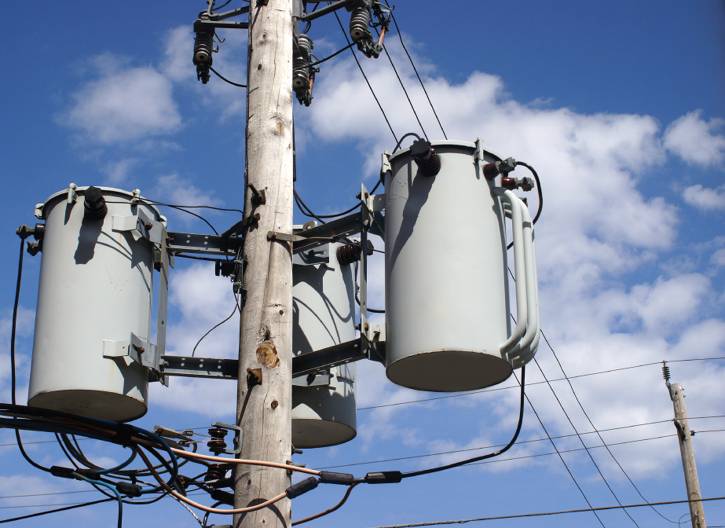
The three phase transformer bank defines a core structure in modern electrical infrastructure. Engineers verify its performance using electrical, mechanical, and thermal indicators. Procurement teams compare datasheets with grid requirements before deployment decisions. Each specification affects long term stability and operational safety. Industrial systems depend on precise parameter validation to avoid performance risks. Voltage balance across phases ensures consistent energy delivery in distribution networks. Load demand analysis helps engineers match system capacity accurately. Testing simulations replicate real operating conditions for validation accuracy. International standards guide acceptable performance thresholds for safety and efficiency. Engineering teams prioritize measurable data instead of theoretical estimates. Expansion planning also influences design verification requirements. Reliable specification control reduces operational failures in high voltage systems. Accurate engineering assessment improves system lifecycle performance and stability.
Electrical Rating Validation and Load Distribution Control
The three phase transformer bank requires precise electrical rating validation for safe operation. Engineers evaluate kVA and MVA capacity according to load demand. Balanced phase distribution ensures stable current flow across the system. Overload conditions increase thermal stress and reduce insulation life. Manufacturers define continuous and peak load limits for operational safety. Testing environments simulate full load conditions for accurate verification. Voltage ratio selection ensures compatibility with connected grid systems. Reserve capacity planning supports future expansion requirements in industrial networks. Efficiency curves help evaluate performance under partial load scenarios. Grid operators monitor stability during peak demand fluctuations. Engineering validation ensures safe integration into complex distribution infrastructure. Electrical rating selection directly affects reliability and system performance outcomes.
Voltage Insulation Design and Dielectric Safety Coordination
The three phase transformer bank depends heavily on insulation coordination for safe operation. Engineers select insulation classes based on dielectric strength requirements. Proper voltage matching between primary and secondary sides ensures energy stability. Thermal aging influences insulation degradation over long operational periods. Clearance distances prevent flashover during voltage spikes or faults. Dielectric testing verifies resistance under controlled high voltage conditions. Oil, resin, or air insulation systems provide different protection methods. Material selection directly impacts breakdown resistance and system durability. Safety margins ensure reliable operation under fluctuating grid conditions. International standards define minimum insulation performance levels. Engineers evaluate long term degradation patterns during system design. Proper coordination enhances operational safety and equipment reliability.
Impedance Control and Fault Current Regulation Strategy
The three phase transformer bank uses impedance control to manage fault current behavior. Engineers adjust impedance values to balance protection and efficiency requirements. Low impedance improves voltage stability during load fluctuations. High impedance reduces fault current but slightly lowers efficiency. System designers evaluate grid strength before final impedance selection. Protection relays rely on stable impedance characteristics for correct operation. Short circuit testing validates mechanical and electrical resilience. Voltage drop analysis ensures stable performance under load variation. Coordination between substations improves overall system reliability. Simulation tools predict fault response under different scenarios. Accurate impedance selection reduces stress on protective equipment. Engineering optimization ensures balanced safety and performance outcomes.
Cooling System Design and Thermal Performance Stability
The three phase transformer bank relies on efficient cooling systems for thermal stability. Oil immersed systems provide effective heat transfer through circulation. Air cooled systems use convection and forced ventilation for temperature control. Temperature rise limits define safe operational boundaries for equipment. Thermal sensors monitor winding and oil conditions continuously. Radiator systems improve heat dissipation under heavy load conditions. Fan systems enhance airflow in high temperature environments. Engineers evaluate cooling efficiency during design validation stages. Proper thermal management prevents insulation aging and degradation. Maintenance teams inspect cooling systems during scheduled service intervals. Stable temperature control ensures long term operational reliability. Efficient cooling design directly impacts system lifespan and performance stability.
Efficiency Optimization and Energy Loss Management
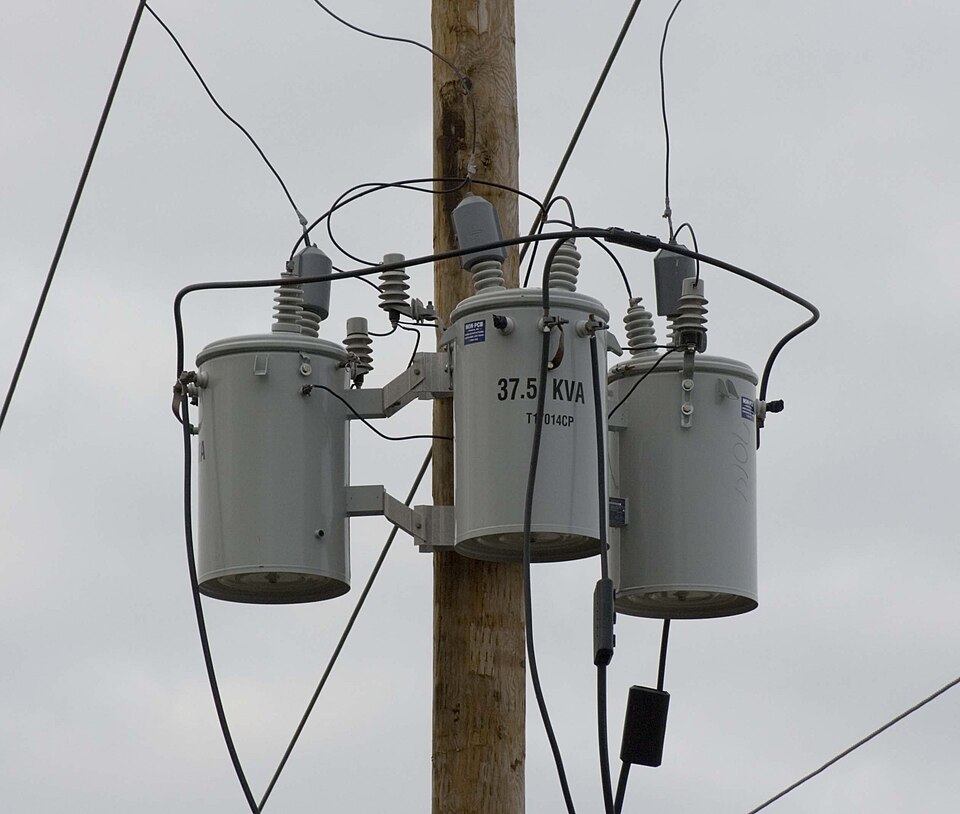
The three phase transformer bank efficiency depends on minimizing core and copper losses. Core losses originate from magnetic hysteresis and eddy currents. Copper losses result from resistance in winding conductors. Engineers optimize core materials to reduce energy waste effectively. Load factor strongly influences real operational efficiency performance. High efficiency reduces long term operational costs significantly. Manufacturers provide efficiency curves for different load conditions. Energy audits evaluate performance consistency in industrial environments. Thermal stability improves efficiency by reducing resistive losses. System designers prioritize low loss configurations for large scale networks. Accurate efficiency assessment supports sustainable energy management strategies. Proper optimization improves both economic and technical performance outcomes.
Mechanical Construction and Structural Durability
| Component | Function | Performance Impact |
|---|---|---|
| Core Assembly | Magnetic flux transfer | Energy efficiency |
| Windings | Voltage transformation | Load stability |
| Tank Structure | Protection system | Environmental resistance |
| Cooling Unit | Heat dissipation | Thermal control |
The three phase transformer bank requires strong mechanical construction for long term stability. Core alignment reduces vibration and magnetic noise during operation. Winding structures ensure stable performance under load variation. Tank structures protect internal components from environmental exposure. Engineers conduct stress testing to evaluate structural durability. Reinforced materials improve resistance to mechanical deformation. Vibration control enhances operational lifespan and performance stability. Proper sealing prevents moisture ingress and contamination risks. Design optimization balances mechanical strength and thermal performance. Structural integrity ensures consistent electrical output in demanding environments.
Material Selection and Engineering Performance
| Material | Application | Benefit |
|---|---|---|
| Silicon Steel | Core structure | Reduced magnetic loss |
| Copper | Windings | High conductivity |
| Aluminum | Alternative windings | Lightweight design |
| Mineral Oil | Cooling medium | Efficient heat transfer |
Material selection determines efficiency and durability performance outcomes. Silicon steel reduces magnetic losses in core structures. Copper ensures high conductivity for stable energy transmission. Aluminum provides lightweight and cost efficient alternatives. Mineral oil enhances cooling and insulation performance. Engineers evaluate material aging under thermal stress conditions. Corrosion resistance improves long term operational stability. Manufacturing quality affects overall system reliability significantly. Material testing validates performance under simulated load conditions. Proper selection improves both electrical and mechanical performance consistency.
Compliance Standards and Certification Requirements
The three phase transformer bank must comply with international safety standards. IEC 60076 defines requirements for power transformer design, temperature rise limits, insulation levels, and routine testing procedures. IEEE C57 series standards specify performance criteria, loss evaluation methods, and short circuit withstand capability for grid integration. Certification ensures equipment meets global operational expectations. Electrical, mechanical, and thermal tests confirm compliance accuracy under standardized conditions.
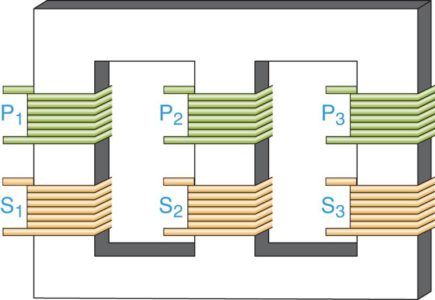
Third party audits verify manufacturing consistency and quality control systems in production facilities. Safety regulations prevent operational hazards in high voltage environments through strict design verification rules. Documentation supports full traceability throughout production cycles, including material sourcing and test reports. Engineers follow standardized validation procedures during type tests, routine tests, and special tests. Compliance reduces operational risk in industrial applications by ensuring predictable performance behavior. Certification improves trust in engineering and procurement decisions across global power projects. Proper validation ensures long term system reliability and stable grid operation.
Installation Planning and Grid Integration
Installation requires precise coordination with existing power infrastructure. Engineers evaluate grid capacity before system integration begins. Grounding systems ensure safety during fault conditions. Protection relays manage abnormal operating scenarios effectively. Cable selection influences transmission efficiency and system stability. Field testing confirms readiness before energization procedures. A 66 kv oil-immersed power transformer is often used in regional substations for medium voltage distribution. System synchronization prevents phase imbalance during startup. Commissioning verifies all protective settings and operational parameters. Proper installation ensures long term safety and reliability in power networks. The three phase transformer bank plays a central role in stable grid integration and energy distribution performance.
Maintenance Strategy and Lifecycle Optimization
Maintenance planning ensures long term operational stability and reliability. Oil analysis detects insulation degradation and contamination levels. Thermal monitoring identifies early signs of system stress. Predictive maintenance reduces unexpected downtime risks significantly. Inspection routines include 220 kv oil-immersed power transformer checks. Engineers analyze performance trends across operational cycles. Preventive maintenance extends equipment service life effectively.
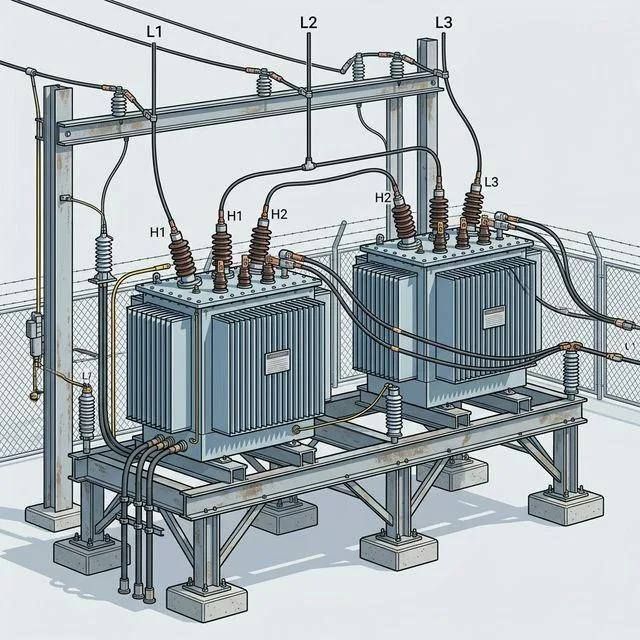
Condition based monitoring improves operational decision making. Maintenance data supports future design optimization efforts. Proper maintenance reduces lifecycle costs and improves system reliability.
System Conclusion and Engineering Validation Summary
Specification validation ensures safe and reliable power system operation. Engineers evaluate electrical, mechanical, and thermal parameters together. Integrated assessment improves system performance consistency. Industrial applications depend on accurate engineering verification methods. Proper validation reduces operational risks significantly. System reliability depends on coordinated engineering evaluation. Lifecycle planning supports sustainable infrastructure development. Compliance ensures long term operational stability. Engineering discipline guarantees predictable energy transformation performance.
FAQ
What parameters define transformer system efficiency in industrial applications
Efficiency depends on core losses, copper losses, and load conditions. Engineers evaluate performance across different operating scenarios. Thermal stability influences energy conversion efficiency significantly. Material selection affects overall loss reduction capability. Load factor determines real operational efficiency outcomes. Cooling systems also impact performance consistency. Testing ensures accurate efficiency measurement under controlled conditions. Industrial systems prioritize efficiency for cost reduction. Proper design minimizes energy waste effectively. Long term monitoring supports performance optimization.
How is impedance selected for stable electrical system operation
Impedance selection balances fault current control and voltage regulation. Engineers analyze grid strength before final configuration decisions. Low impedance improves voltage stability under load variation. High impedance reduces fault current magnitude during faults. Protection systems depend on predictable impedance behavior. Simulation tools validate system response under stress conditions. Coordination between substations ensures stable operation. Testing confirms impedance accuracy in controlled environments. Proper selection improves safety and performance balance. System reliability depends on optimized impedance configuration.
What safety standards apply to high voltage transformer installations
High voltage installations follow IEC 60076 and IEEE C57 series standards globally. IEC 60076 defines requirements for power transformer design, insulation coordination, temperature rise limits, and routine testing procedures. IEEE C57 series defines performance testing methods, loss evaluation, short circuit withstand capability, and system integration requirements. These standards ensure electrical, mechanical, and thermal safety compliance. Testing includes dielectric withstand, load performance, and fault condition verification. Grounding systems ensure safety under fault conditions. Protection devices reduce risks during abnormal events. Certification validates manufacturing quality and compliance consistency. Engineers perform commissioning checks before energization. Regular inspections maintain ongoing safety performance. Documentation ensures traceability across lifecycle stages. Compliance guarantees safe long term operation.