
What Specs Confirm For Single Phase Power Transformer?
-
Single phase power transformer specs cover voltage, insulation, cooling, efficiency for industrial OEM power systems standards.
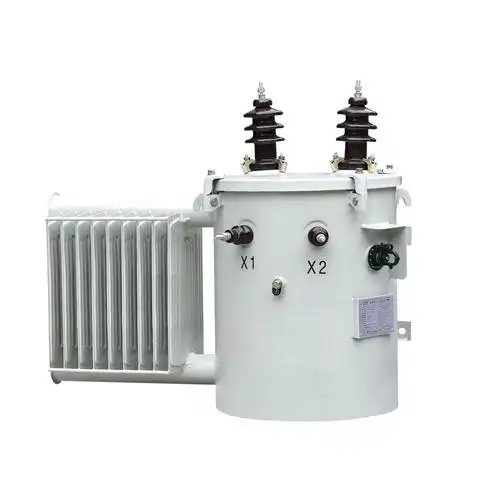
A single phase power transformer defines essential power conversion in industrial and commercial systems. A single phase power transformer ensures voltage stability across varied load conditions. Engineers evaluate multiple specification layers before deployment in critical infrastructure. These specifications determine safety, efficiency, and long-term operational stability. Manufacturers prioritize electrical ratings, insulation systems, and thermal behavior during design validation. Procurement teams also compare mechanical durability and compliance standards. In global supply chains, specification consistency ensures interoperability across regions. Industrial buyers rely on verified parameters to avoid operational failures. Proper specification review reduces system downtime and maintenance cost risks.
Electrical rating parameters of single phase power transformer systems
Electrical ratings define the operational boundary of a single phase power transformer. These ratings include voltage input, output stability, and frequency compatibility. Load capacity determines how much current the system can safely handle. Short circuit impedance controls fault current behavior during abnormal conditions. A single phase power transformer must also maintain voltage regulation within strict limits. These parameters ensure stable energy distribution in sensitive environments. Engineers evaluate rated power in kVA to match application demand. Below is a structured comparison of key electrical parameters.
| Parameter | Typical Range | Function |
|---|---|---|
| Rated Power | 1 kVA - 500 kVA | Defines load capacity |
| Input Voltage | 110V - 33kV | Primary supply compatibility |
| Output Voltage | 12V - 415V | Load-side distribution |
These electrical values directly affect performance reliability. Proper matching prevents overheating and efficiency loss in demanding industrial systems.
Core material selection and magnetic design considerations
Core design directly influences energy efficiency and magnetic performance stability. Silicon steel remains the dominant material due to low hysteresis loss. Grain-oriented steel improves directional magnetic flux alignment. A single phase power transformer benefits from reduced eddy current loss through laminated core construction. Engineers optimize stacking factor to increase magnetic efficiency. Core geometry also affects noise and vibration levels during operation. High-quality insulation coatings reduce inter-lamination losses. Manufacturers test core saturation limits under maximum load conditions. Proper core design ensures consistent magnetic flux distribution and reduces energy waste.
Insulation system and dielectric strength evaluation
Insulation systems define electrical safety boundaries inside transformer structures. Paper-oil insulation remains widely used in high-voltage designs. Solid insulation materials provide mechanical support and thermal resistance. Dielectric strength testing ensures breakdown resistance under extreme voltage stress. A single phase power transformer requires stable insulation performance under humidity and temperature variation.
Partial discharge testing identifies weak points in insulation layers. Proper insulation design prevents arc formation and internal short circuits. Engineers also evaluate aging behavior under continuous electrical stress. High-grade insulation systems extend operational lifespan significantly.
Cooling methods and thermal performance control
Thermal management ensures stable transformer operation under continuous load. Oil-immersed cooling remains the most common method in industrial applications. Natural convection circulates heat away from core and windings. Forced air systems improve heat dissipation under heavy load conditions. Temperature rise limits define safe operating boundaries. A single phase power transformer must maintain stable thermal equilibrium to avoid insulation degradation. Cooling efficiency directly impacts long-term reliability. Sensors monitor winding temperature in real time. Proper thermal design prevents hotspot formation and structural stress.
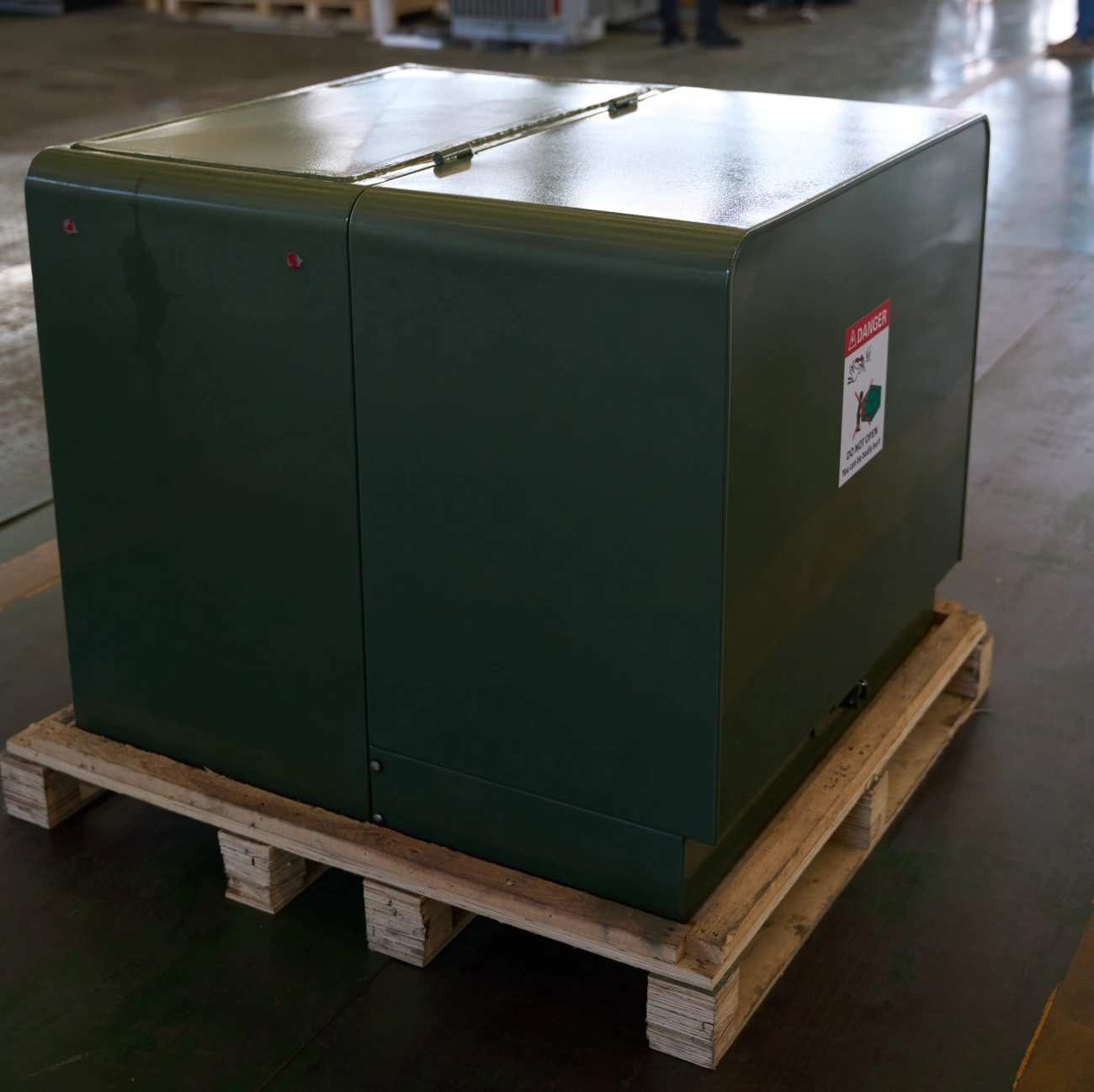
Efficiency loss analysis in single phase power transformer operation
Efficiency determines energy conversion effectiveness in transformer systems. Losses occur through copper resistance and magnetic hysteresis. Load losses increase with current intensity in windings. No-load losses remain constant during idle operation. Optimization reduces both operational and standby losses. A single phase power transformer must balance efficiency and cost-effectiveness. The table below summarizes common loss categories.
| Loss Type | Cause | Impact |
|---|---|---|
| Copper Loss | Winding resistance | Heat generation |
| Core Loss | Magnetic hysteresis | Energy waste |
| Stray Loss | Leakage flux | Efficiency reduction |
Engineers reduce losses using optimized winding design and high-grade materials.
Mechanical structure, housing, and enclosure durability standards
Mechanical strength ensures safe operation in harsh environments. Enclosures protect internal components from dust and moisture. Steel tanks provide structural integrity under pressure variations. A single phase power transformer used in heavy industries requires reinforced housing. One example includes a 220 kv oil-immersed power transformer designed for high-load transmission systems. Vibration resistance testing ensures mechanical stability under dynamic stress. Sealing systems prevent oil leakage and contamination. Surface coatings improve corrosion resistance in outdoor installations. Structural durability directly influences service life and maintenance intervals.
Compliance testing and certification requirements for single phase power transformer
Compliance testing ensures safety and international compatibility. IEC 60076 series and IEEE C57.12.00 frameworks define electrical, thermal, and mechanical benchmarks. High-voltage tests evaluate insulation breakdown resistance. Temperature rise tests ensure safe heat dissipation. Short circuit tests confirm structural resilience under fault conditions. ISO 9001 quality management systems and accredited IEC/IEEE certification bodies audit manufacturing consistency and material quality. Documentation ensures traceability across production batches.
A single phase power transformer must pass all required evaluations before deployment. These standards reduce operational risks in global installations. Compliance ensures predictable performance across diverse environments and load conditions.
Industrial application scenarios and load environment requirements
Industrial applications determine transformer configuration and specification depth. Manufacturing plants require stable voltage for machinery operation. Data centers demand uninterrupted power quality. Rural electrification systems depend on compact transformer designs. A 66 kv oil-immersed power transformer supports regional grid distribution systems. Load variations influence efficiency and thermal behavior. Environmental conditions such as humidity and altitude affect performance stability. Engineers design systems based on real operational scenarios. Proper application matching improves system longevity and reliability.
Procurement checklist for selecting a single phase power transformer
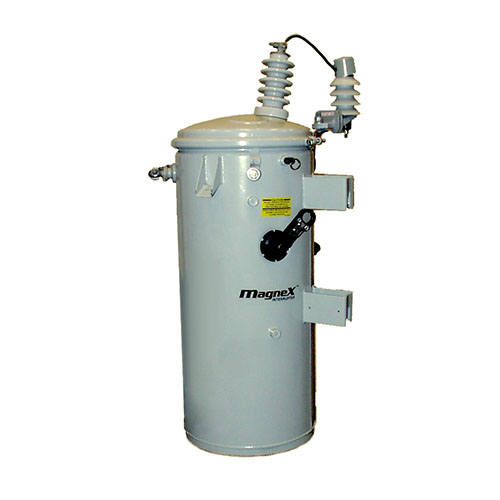
Procurement decisions require structured evaluation criteria. Buyers must verify electrical ratings, insulation class, and cooling method. Mechanical durability and compliance certification are equally important. Supplier reputation influences long-term service quality. A single phase power transformer should meet both technical and operational requirements. Key selection factors include:
- Rated power compatibility
- Insulation class rating
- Cooling system type
- Efficiency performance
- Certification compliance
Each factor reduces operational risk and improves system stability. Procurement teams must align specifications with real load conditions.
FAQ
What specifications are most critical for a single phase power transformer?
The most critical specifications include voltage rating, insulation strength, and thermal performance. These parameters determine operational safety and efficiency. Load capacity also plays a major role in system selection. Magnetic core quality influences energy loss levels significantly. Mechanical durability ensures long-term structural integrity under industrial conditions. Engineers prioritize efficiency metrics to reduce operational cost. Compliance with international standards ensures global usability. Proper evaluation of these specifications prevents system failure. Each parameter must align with application requirements. Balanced design improves performance stability and reliability across all operating conditions.
How do international standards confirm safety for a single phase power transformer?
International standards confirm safety through structured testing and validation protocols. IEC 60076 series and IEEE C57.12.00 frameworks define electrical, thermal, and mechanical benchmarks.
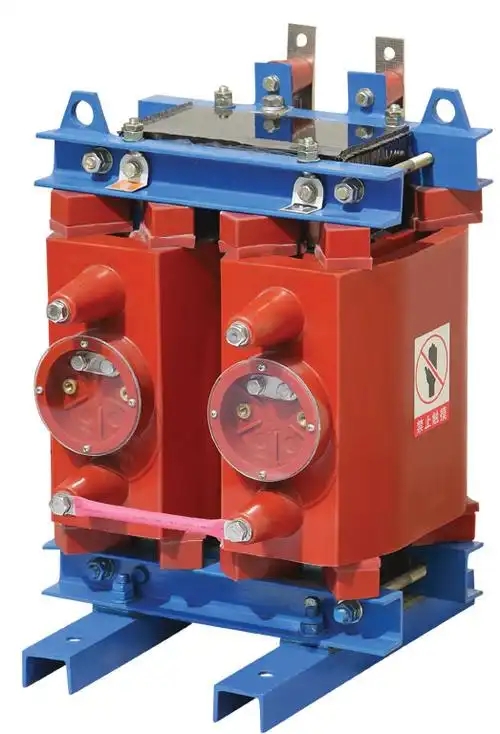
High-voltage tests evaluate insulation breakdown resistance. Temperature rise tests ensure safe heat dissipation. Short circuit tests confirm structural resilience under fault conditions. ISO 9001 quality management systems and accredited IEC/IEEE certification bodies audit manufacturing consistency and material quality. Documentation ensures traceability across production batches. A single phase power transformer must pass all required evaluations before deployment. These standards reduce operational risks in global installations. Compliance ensures predictable performance across diverse environments and load conditions.
What efficiency levels are expected in a single phase power transformer?
Efficiency levels depend on design quality, materials, and load conditions. Modern systems typically achieve high efficiency under rated load conditions. Copper and core losses remain the primary limiting factors. Optimized winding design reduces resistive losses significantly. High-grade silicon steel improves magnetic efficiency. A single phase power transformer must maintain stable efficiency across varying load profiles. Partial load conditions often reduce overall efficiency performance. Cooling systems indirectly influence efficiency by controlling temperature rise. Engineers aim to minimize energy waste through advanced design techniques. Balanced efficiency improves long-term operational cost management.