
What Specs Confirm For Medium And Low Voltage Switchgear?
-
Medium and low voltage switchgear specs include voltage, insulation, current capacity, protection, and standards for reliable power.
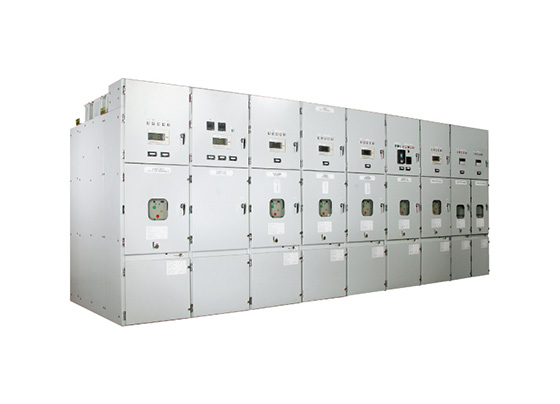
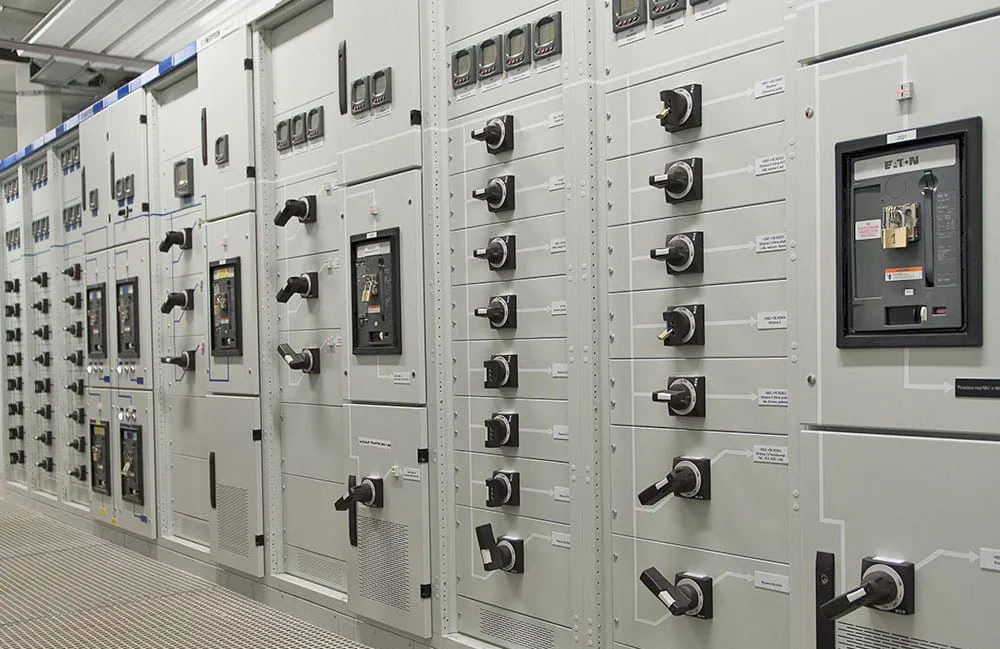
Engineers rely on clear specifications when selecting medium and low voltage switchgear for power systems. Voltage classes define system scope and operational limits. Medium voltage typically ranges from 1 kV to 36 kV. Low voltage systems operate below 1 kV in most industrial environments. High / Low-voltage switchgear often integrates into unified distribution architectures. Designers evaluate insulation, current ratings, and protection coordination carefully. These specifications directly impact system safety and operational continuity. Reliable switchgear ensures controlled power distribution across complex networks. Accurate specification selection reduces risks of failure and downtime. Industrial facilities depend on consistent electrical performance under varying loads. Therefore, confirming detailed technical parameters becomes essential for efficient system design.
Voltage ratings and insulation levels in medium and low voltage switchgear
Voltage rating defines the maximum system voltage that equipment can handle safely. Insulation level determines the ability to resist electrical stress and transient surges.Medium and low voltage switchgear requires insulation systems tested under standardized conditions.Engineers often follow IEC 62271 or ANSI guidelines for insulation coordination. Materials such as epoxy resin and SF6 gas provide strong dielectric properties. Air-insulated designs use controlled spacing to prevent breakdown. Insulation performance directly influences long-term reliability and safety margins.
| Parameter | Low Voltage | Medium Voltage |
|---|---|---|
| Rated Voltage | ≤ 1 kV | 1 kV – 36 kV |
| Insulation Type | Air / Solid | Air / Gas / Vacuum |
| Impulse Withstand | Low | High |
Optimizing insulation requirements enhances equipment longevity and strengthens overall system protection. Selecting appropriate materials minimizes the risk of dielectric failure, even under demanding operating conditions.
Current capacity and short-circuit withstand performance
Current capacity defines the maximum continuous current the system can carry safely. Short-circuit withstand rating indicates how equipment handles fault conditions. Medium and low voltage switchgear must endure thermal and mechanical stress during faults. Engineers calculate peak current and duration based on system design. Copper busbars improve conductivity and reduce resistive losses. Proper thermal management ensures stable operation under high loads.
| Specification | Typical Value |
|---|---|
| Rated Current | 630A – 4000A |
| Short Circuit Current | 25kA – 50kA |
| Duration | 1 – 3 seconds |
Accurate current ratings prevent overheating and mechanical damage. Strong fault tolerance enhances system reliability during abnormal events.
Protection mechanisms and control components
Protection systems ensure safe operation by isolating faults quickly. Medium and low voltage switchgear integrates circuit breakers, relays, and contactors. Intelligent relays monitor voltage, current, and frequency continuously. Coordination between devices prevents unnecessary outages across the network. Selectivity ensures only faulty sections disconnect during failures. Automation systems enable remote monitoring and control capabilities.
| Component | Function |
|---|---|
| Circuit Breaker | Interrupt fault current |
| Relay | Detect abnormal conditions |
| Contactor | Control switching operations |
Efficient protection design minimizes downtime and protects critical equipment assets. Integrated control systems improve operational efficiency significantly.
Standards and certifications
Compliance with international standards ensures consistent product performance. Medium and low voltage switchgear must meet IEC, ANSI, or IEEE requirements. These standards define testing methods and safety criteria clearly. Type tests validate design under extreme operating conditions. Routine tests confirm manufacturing consistency before deployment. Third-party certification enhances product credibility and market acceptance.
| Standard | Scope |
|---|---|
| IEC 62271 | Medium voltage switchgear |
| ANSI C37 | Switchgear performance |
| IEEE | Testing and safety guidelines |
Adhering to standards reduces compliance risks and improves operational safety. Certified systems ensure reliable performance in demanding industrial environments.
Key components used in medium and low voltage switchgear systems
Core components determine system performance and reliability. Medium and low voltage switchgear includes busbars, disconnectors, and enclosures. Copper and aluminum busbars provide efficient current distribution. Enclosures protect internal components from environmental factors. Air-insulated switchgear uses open-air spacing for insulation. Gas-insulated systems rely on sealed chambers for compact designs.
| Type | Advantages | Limitations |
|---|---|---|
| AIS | Cost-effective, simple | Larger size |
| GIS | Compact, high reliability | Higher cost |
Component selection influences system efficiency and installation flexibility. Engineers balance cost, size, and performance when choosing configurations.
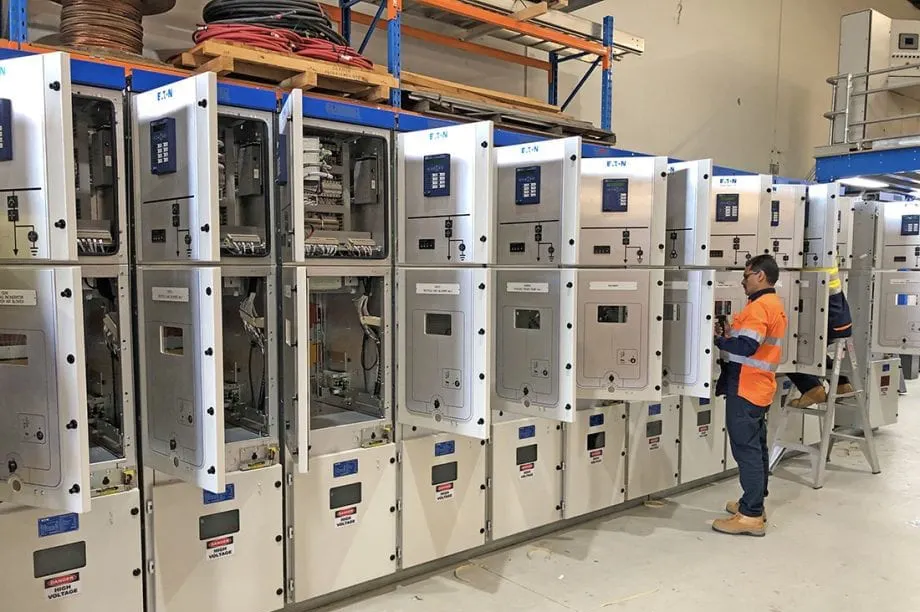
Installation conditions affecting medium and low voltage switchgear performance
Environmental factors significantly affect equipment performance. Medium and low voltage switchgear must operate under varying temperature and humidity conditions. High altitude reduces insulation effectiveness due to lower air density. Dust and pollution increase the risk of insulation failure. Proper enclosure ratings protect against external contaminants.
| Factor | Impact |
|---|---|
| Temperature | Affects thermal limits |
| Humidity | Causes insulation degradation |
| Altitude | Reduces dielectric strength |
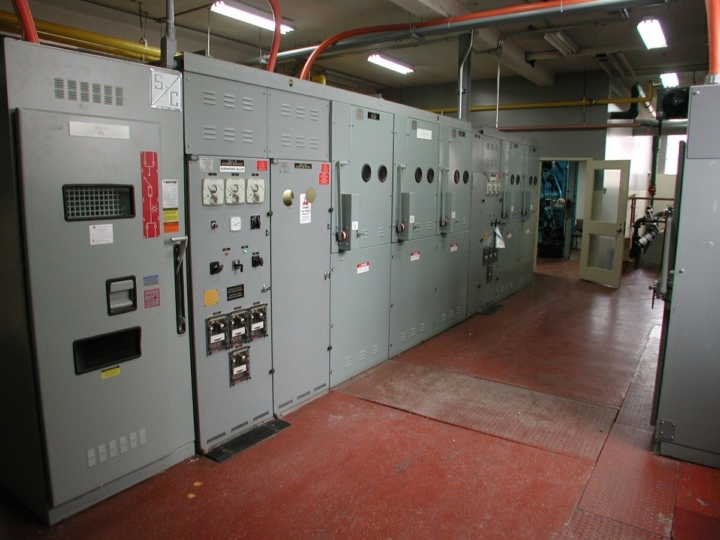
Careful site assessment ensures reliable long-term operation. Environmental adaptation improves safety and equipment lifespan.
Maintenance requirements for medium and low voltage switchgear
Routine maintenance ensures long-term reliability and performance. Medium and low voltage switchgear requires periodic inspection and testing. Technicians check contact wear, insulation condition, and mechanical operation. Predictive maintenance uses sensors to detect early signs of failure. Regular servicing reduces unexpected breakdowns and operational risks.
Effective maintenance planning improves reliability and reduces lifecycle costs. Proper servicing ensures consistent system performance over time.
| Task | Frequency |
|---|---|
| Visual Inspection | Monthly |
| Thermal Scan | Quarterly |
| Full Testing | Annually |
Selecting the right medium and low voltage switchgear configuration
Choosing the right configuration requires careful evaluation of system needs. Medium and low voltage switchgear must match load demand and application type. Industrial plants often require high fault tolerance and automation features. Commercial buildings prioritize compact design and energy efficiency.
Key selection criteria include:
- Rated voltage and current capacity
- Short-circuit withstand capability
- Environmental compatibility
- Compliance with standards
- Maintenance requirements
These factors guide engineers in selecting optimal solutions. Balanced decisions improve performance while controlling project costs.
Key takeaways on medium and low voltage switchgear specifications
Accurate specifications ensure safe and reliable electrical distribution systems. Medium and low voltage switchgear performance depends on voltage ratings, insulation, and protection design. Standards compliance guarantees consistent quality and safety. Environmental conditions and maintenance practices influence long-term operation. Engineers must evaluate each parameter carefully before implementation. Proper configuration supports stable power delivery across industrial and commercial systems.
FAQ
What defines medium vs low voltage switchgear?
Medium voltage systems typically range from 1 kV to 36 kV. Low voltage systems operate below 1 kV in most applications. Classification depends on regional standards and system design practices. Engineers consider insulation requirements and safety margins when defining categories. Medium voltage equipment handles higher energy loads and requires advanced protection.
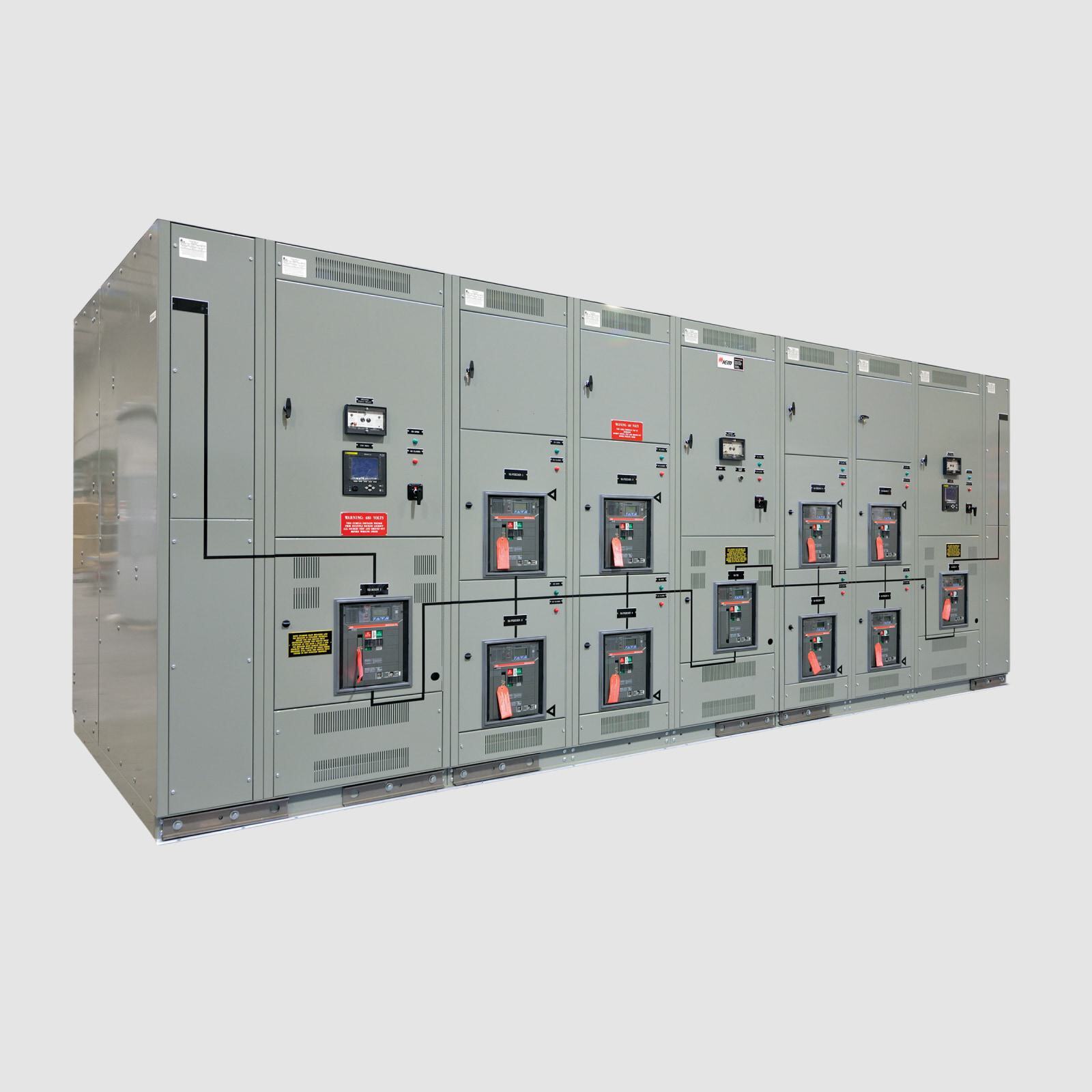
Low voltage systems focus on distribution within buildings and facilities. Each category uses different components and testing standards. Correct classification ensures proper equipment selection and safe operation.
How do standards impact switchgear quality?
Standards define testing procedures, safety requirements, and performance benchmarks. Organizations such as IEC and ANSI establish clear guidelines for manufacturers. Compliance ensures consistent product quality across different suppliers. Testing verifies insulation strength, fault tolerance, and operational reliability. Certified equipment reduces risks of failure and improves system safety. Standards also simplify global trade and project approval processes. Engineers rely on certified products for critical infrastructure projects. Following standards enhances trust and long-term performance.
What factors influence switchgear lifespan?
Several factors determine the lifespan of switchgear systems. Operating conditions such as temperature and humidity play significant roles. Frequent switching operations increase mechanical wear on components. Poor maintenance practices accelerate insulation degradation and contact failure. High fault currents can damage internal structures over time. Quality of materials also affects durability and performance. Regular inspection and predictive maintenance extend equipment life significantly. Proper installation and environmental protection ensure stable long-term operation.