
What Specs Confirm for High Voltage Switchgear Products?
-
High voltage switchgear products specification guide covering preparation, verification, acceptance steps, risks, and engineering compliance factors.
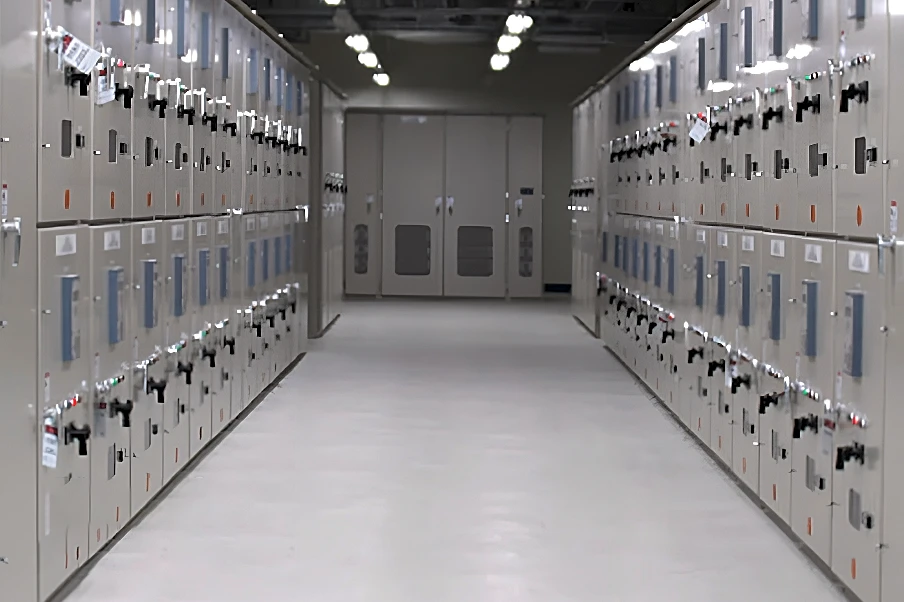

High voltage switchgear products and their role in power systems
high voltage switchgear products serve as the control and protection backbone of modern power distribution systems. These devices manage electrical flow, isolate faults, and ensure operational safety across industrial and utility networks. Engineers rely on accurate specification confirmation to prevent failures during installation or operation. Incorrect ratings may lead to arc faults, overheating, or system instability. Project teams therefore focus on structured verification before procurement begins. Reliable switchgear supports stable voltage control and safe interruption of fault currents. Early awareness of specification requirements improves engineering coordination. Proper planning ensures that equipment matches both technical and environmental conditions. This foundation supports successful project execution.
Why specification confirmation is critical before project execution
Specification confirmation reduces risk during construction and long term operation. Electrical systems must operate under both normal and fault conditions. Switchgear must interrupt high short circuit currents safely without damage. Environmental factors such as temperature and humidity affect insulation performance. Poor specification alignment often leads to installation delays or equipment replacement. Engineers must verify compatibility between switchgear components and system design. Project managers also consider delivery schedules and installation conditions. Early confirmation ensures smooth coordination between suppliers and contractors. Reliable specification planning supports both safety and efficiency.
Preparation stage for high voltage switchgear specification confirmation
Preparation begins with defining core electrical and environmental requirements. Engineers determine rated voltage, rated current, and short circuit breaking capacity. Load characteristics influence equipment sizing and protection coordination. Indoor or outdoor installation conditions affect enclosure design and insulation class. Fire resistance and corrosion protection may also require attention. Future expansion plans influence busbar capacity and panel arrangement. Certification and warranty terms must be verified during this stage. Clear preparation data helps manufacturers recommend suitable configurations. Strong preparation reduces ambiguity during later verification stages.
Why preparation stage defines project success
Preparation stage decisions influence all subsequent engineering steps. Incorrect voltage or current assumptions lead to mismatched equipment selection. Environmental misjudgment can shorten insulation lifespan significantly. Lack of expansion planning may require costly upgrades later. Certification verification ensures compliance with regulatory requirements. Early clarity improves communication between project teams and suppliers. Engineers can align technical specifications with real operating conditions. Proper preparation therefore establishes a stable foundation for specification confirmation.
Verification stage for technical and standard compliance
Verification ensures that selected switchgear meets design standards and operational needs. Engineers compare specifications against IEC and GB standards carefully. Busbar systems must match rated current and thermal limits.

Circuit breakers require correct short circuit interruption capacity. Disconnectors and protection devices must align with system configuration. Grounding systems and enclosure protection ratings require verification. Fire clearance distances must meet safety requirements. Simulation of load and fault conditions confirms capacity adequacy. Detailed verification prevents operational failures after installation.
Why verification stage ensures engineering reliability
Verification provides confidence that equipment can handle real operating conditions. Standard compliance ensures safety under fault scenarios. Proper component matching prevents overheating and mechanical stress. Grounding verification protects personnel and equipment from electrical hazards. Simulation testing identifies potential weak points before installation. Accurate verification reduces the risk of system failure during operation. Engineering teams rely on this stage to confirm design integrity. Reliable verification therefore supports long term system performance.

Acceptance stage before project commissioning
Acceptance occurs before equipment installation and system energization. Inspection teams check equipment appearance and nameplate consistency. Insulation resistance testing verifies internal dielectric condition. Ground resistance testing confirms safe current dissipation. Functional testing ensures proper operation of breakers and protection devices. Interlock mechanisms must operate smoothly to prevent incorrect switching. Alarm systems and indicators require validation. Documentation from manufacturers must be complete and accurate. Acceptance stage confirms readiness for safe operation.
Why acceptance stage prevents operational risks
Acceptance stage identifies defects before equipment enters service. Visual inspection detects transport damage or manufacturing issues. Electrical testing confirms insulation integrity and grounding safety. Functional verification ensures reliable switching operation. Interlock validation reduces human error risk during operation. Complete documentation supports future maintenance and troubleshooting. Proper acceptance reduces unexpected failures after commissioning. This stage therefore protects both equipment and personnel safety.
Practical checklist for confirming high voltage switchgear products
Project teams can use a structured checklist to manage specification confirmation effectively.
- Confirm rated voltage, current, and short circuit capacity
- Verify installation environment and protection level
- Check compliance with IEC or local standards
- Ensure compatibility of busbar and connection systems
- Review grounding and safety clearance requirements
- Validate protection devices and interlock mechanisms
Why the checklist improves specification accuracy
The checklist ensures that no critical parameter is overlooked during evaluation. Electrical ratings define operational limits and safety margins. Environmental verification ensures durability under real conditions. Standards compliance guarantees regulatory approval and safe operation. Busbar compatibility prevents installation mismatch issues. Grounding verification protects against electrical hazards. Interlock validation reduces operational mistakes. Structured evaluation improves coordination between engineering and procurement teams. Accurate specification leads to smoother project execution.

Common pitfalls when selecting high voltage switchgear products
Several common mistakes may lead to project risks or operational failure. Ignoring short circuit capacity may result in equipment damage during faults. Overlooking environmental conditions may accelerate insulation aging. Incompatible busbar connections can cause installation delays. Lack of interlock verification increases operational risk. Missing documentation complicates maintenance and regulatory approval. Poor supplier communication may delay delivery or technical clarification. Awareness of these pitfalls helps teams avoid costly errors. Preventive evaluation improves system reliability.
High voltage switchgear specification comparison table
| Specification Item | Correct Approach | Risk if Ignored |
|---|---|---|
| Rated Voltage | Match system design | Insulation failure |
| Short Circuit Capacity | Verify breaking ability | Equipment damage |
| Protection Level | Match environment | Premature aging |
| Busbar Compatibility | Ensure connection match | Installation issues |
| Interlock System | Verify operation | Operational error |
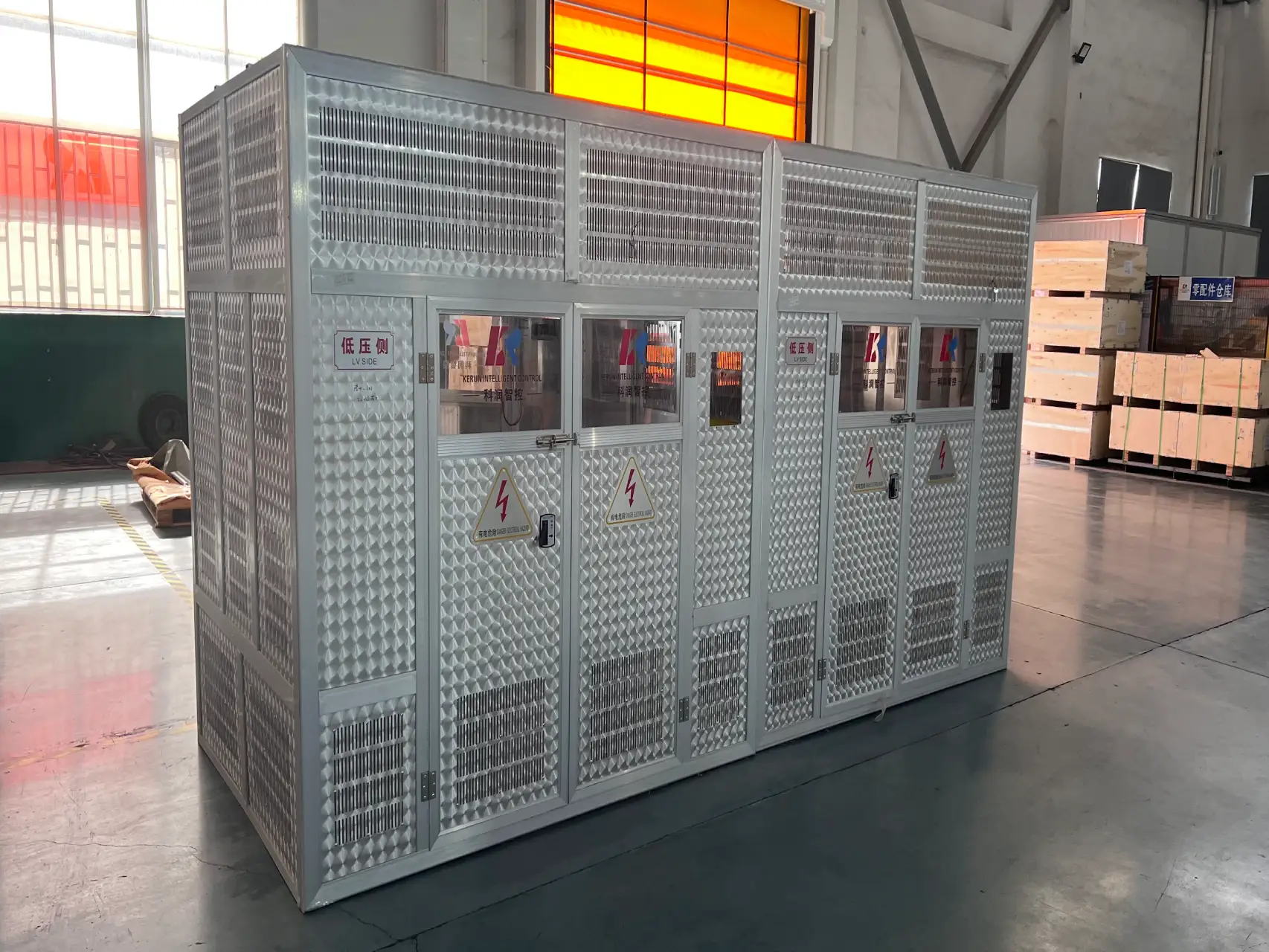
How the specification table supports engineering decisions
The table highlights how each specification connects with real project risks. Rated voltage ensures proper insulation performance under system conditions. Short circuit capacity protects equipment during fault events. Protection level determines resistance to environmental stress. Busbar compatibility ensures smooth installation and reliable current flow. Interlock systems prevent incorrect switching operations. Viewing specifications alongside risks improves decision clarity. Engineers can quickly identify critical factors during evaluation. Structured comparison strengthens project planning and execution.
Moving from awareness to compliance and project execution
Understanding how to confirm high voltage switchgear products builds a strong foundation for project planning. Preparation, verification, and acceptance stages provide a structured workflow. Checklists and comparison tables improve accuracy during evaluation. Awareness of common pitfalls reduces risk during installation and operation. Project teams ready for deeper analysis should review compliance requirements next. The High and Low Voltage Switchgear Selection and Project Implementation Pillar provides detailed guidance. Next stage focuses on Switchgear Compliance where standards and certification become central.
FAQ
What specifications are most important for high voltage switchgear products
The most important specifications include rated voltage, rated current, and short circuit breaking capacity. These parameters define how the switchgear performs under normal and fault conditions. Environmental protection level also plays a critical role in ensuring durability. Grounding systems and insulation resistance affect operational safety. Engineers must verify all these factors to ensure reliable performance across the project lifecycle.
Why is short circuit capacity critical in switchgear selection
Short circuit capacity determines whether switchgear can safely interrupt fault currents. Electrical faults may generate extremely high current levels within milliseconds. If the equipment cannot handle this stress, serious damage may occur. Proper verification ensures that circuit breakers and protection devices operate correctly. This parameter directly affects system safety and reliability during abnormal conditions.
How does environment affect high voltage switchgear performance
Environmental conditions such as temperature, humidity, and pollution influence insulation performance. Outdoor installations require protection against rain and corrosion. High temperature may accelerate insulation aging and reduce lifespan. Dust or moisture may cause insulation breakdown. Engineers must match protection level with environmental conditions to ensure long term stability.
