
What Is Dry Type Transformer? A Complete Introduction
-
What is dry type transformer explained with structure, working principle, types, advantages, applications, and selection considerations.

Introduction to Dry Type Transformer
What Is Dry Type Transformer often becomes a starting point for power equipment selection. Electrical systems now require higher safety margins. Building density continues increasing across cities. Fire prevention remains a top concern for facility owners. Environmental compliance also shapes equipment decisions. Dry type transformers respond to these practical needs. Their oil-free structure removes leakage risks entirely. Indoor installation becomes simpler and safer. Designers prefer predictable thermal behavior. Operators value reduced maintenance requirements. This introduction focuses on structure, function, and application basics. Technical clarity supports better purchasing decisions. Each section explains key aspects without unnecessary complexity. The goal remains clear understanding of dry type transformer fundamentals.
What Is a Dry Type Transformer
What Is Dry Type Transformer refers to a transformer using solid insulation instead of liquid oil. Windings rely on resin or varnish systems. Air serves as the primary cooling medium. This design avoids flammable materials completely. Oil immersed transformers depend on mineral or synthetic oils. Dry units remove spill and fire hazards. Insulation materials resist moisture and dust effectively. Indoor environments benefit most from this structure. Electrical performance remains stable under normal loading. Maintenance routines stay simple and predictable. Engineers often select dry type transformers for safety-driven projects. The dry insulation system defines this transformer category clearly.
Types of Dry Type Transformer
Dry type transformers appear in several structural forms. Each type supports different operating environments.
-
Cast resin dry type transformer
-
VPI dry type transformer
-
Open ventilated dry type transformer
Cast resin units use epoxy encapsulation for insulation. VPI designs rely on vacuum pressure impregnation. Open ventilated transformers allow direct airflow. Selection depends on humidity, dust, and load profile. Resin units suit harsher indoor conditions. VPI models handle industrial vibration well. Open designs fit clean environments. Proper selection improves lifespan and stability. Each type addresses specific operational needs.

Comparison of Dry Type Transformer Types
| Type | Insulation Method | Typical Environment | Maintenance Level |
|---|---|---|---|
| Cast Resin | Epoxy Encapsulation | Humid / Indoor | Low |
| VPI | Vacuum Impregnation | Industrial | Medium |
| Open Ventilated | Air Insulation | Clean Indoor | Medium |
This table highlights insulation and maintenance differences clearly. Cast resin transformers resist moisture effectively. VPI units manage mechanical stress well. Open ventilated designs require cleaner surroundings. Engineers match insulation strength with site conditions. Correct selection reduces overheating risk. Maintenance planning becomes easier with clear comparison. This overview supports practical decision-making.
Dvantages of Dry Type Transformer
Dry type transformers offer several operational benefits.
-
High fire resistance
-
Oil-free environmental safety
-
Reduced maintenance workload
-
Indoor installation flexibility
Fire resistance protects personnel and assets. Environmental safety improves compliance outcomes. Maintenance schedules shorten significantly. Indoor placement avoids external enclosures. These advantages support commercial and public projects. Operational reliability improves in controlled spaces. Long-term costs become predictable. Safety management becomes simpler. These strengths explain growing adoption.
Applications of Dry Type Transformer
Dry type transformers support many applications. Commercial buildings require safe indoor distribution. Industrial facilities demand stable voltage delivery. Renewable energy systems prefer oil-free integration. Hospitals prioritize fire-safe infrastructure. Data centers require consistent reliability. Public facilities favor low-risk equipment. Dry designs adapt well across sectors. Installation flexibility reduces planning constraints. Operational performance remains consistent. These applications highlight practical versatility.
Dry Type Transformer vs Oil Immersed Transformer
Dry and oil immersed transformers differ significantly. Oil units handle higher overload capacity. Dry units prioritize safety and cleanliness. Installation environments vary greatly. Maintenance complexity favors dry designs. Initial cost often appears higher. Lifecycle costs frequently balance that difference. Service life remains competitive. Environmental compliance favors dry technology. Selection depends on project priorities.
Installation and Maintenance of Dry Type Transformer
Installation requires sufficient ventilation planning. Airflow prevents excessive temperature rise. Clearance distances support heat dissipation. Foundation alignment controls vibration effects. Routine inspections focus on temperature readings. Cleaning removes dust accumulation. Oil testing remains unnecessary. Maintenance downtime stays minimal. Proper installation ensures stable operation. These requirements simplify facility management.
Why Choose Kerun Intelligent Control Dry Type Transformer?
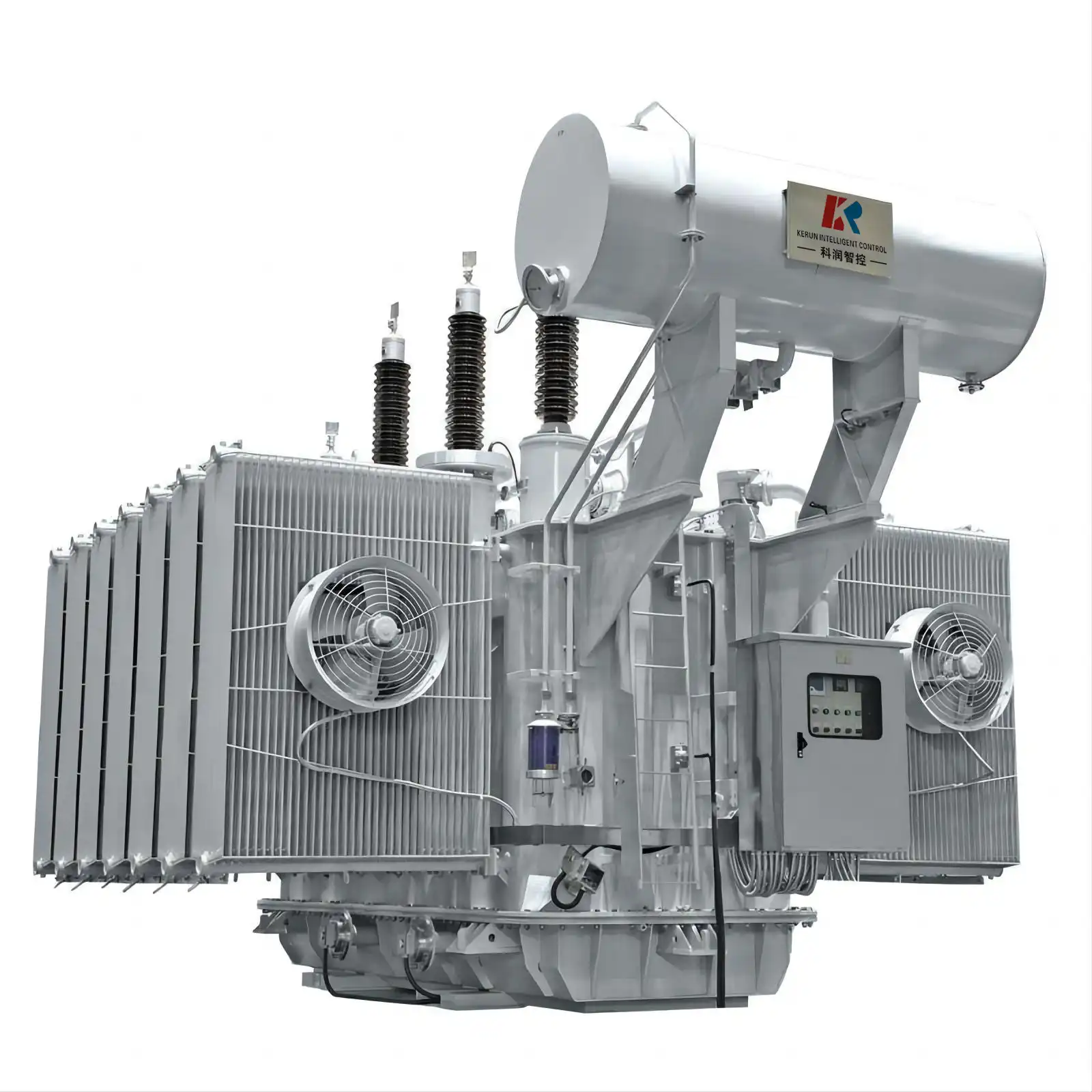
Kerun Intelligent Control delivers advanced dry type transformer solutions. Engineering teams optimize thermal performance carefully. Materials meet international standards consistently. Production follows strict quality control systems. Energy efficiency aligns with current grid demands. Customized designs support complex installations. Extensive project experience spans multiple industries. Technical teams assist during selection. After-sales service ensures operational continuity. Kerun products balance safety, efficiency, and durability.
Future Trends of Dry Type Transformer
Dry type transformer technology continues evolving steadily. Energy efficiency remains a central focus. Intelligent monitoring systems gain wider adoption. Digital sensors support predictive maintenance. Urban infrastructure drives indoor demand growth. Material science improves insulation performance. Integration with smart systems increases gradually. Dry transformers align with long-term sustainability goals. Development remains ongoing across global markets.
Conclusion
What Is Dry Type Transformer defines a safer transformer category. Oil-free insulation improves fire safety. Installation flexibility suits indoor environments. Maintenance efficiency reduces operational burden. Application range continues expanding steadily. Selecting a reliable manufacturer remains essential. Kerun Intelligent Control offers proven solutions. Proper selection protects infrastructure investment.
FAQ About Dry Type Transformer
Is a dry type transformer suitable for outdoor installation?
Dry type transformers can operate outdoors under specific conditions. Protective enclosures remain essential for weather exposure. Moisture control becomes a critical factor. Ventilation must balance airflow and protection. Outdoor placement suits industrial yards and renewable facilities. Temperature monitoring supports operational stability. Without proper enclosure design, performance risks increase. Manufacturers often recommend indoor installation. Customized outdoor solutions remain possible through engineering adaptation. Site conditions determine suitability.
What is the service life of a dry type transformer?
Dry type transformers typically operate for twenty to thirty years. Material quality strongly affects lifespan. Load management prevents thermal degradation. Environmental cleanliness supports insulation durability. Regular inspections maintain performance stability. Overloading shortens service life significantly. Temperature control improves longevity. Modern designs exceed earlier expectations. Manufacturer standards influence actual lifespan. Proper operation ensures long-term reliability.
Is a dry type transformer more expensive than an oil immersed transformer?
Initial costs for dry type transformers appear higher. Installation savings offset part of that difference. Maintenance expenses remain lower long-term. Fire protection costs decrease significantly. Environmental compliance avoids additional investments. Operational efficiency balances capital expense. Total ownership cost often favors dry designs. Budget evaluation should consider lifecycle perspective. Many facilities prioritize long-term stability.