
What is dry type transformer?
-
What is dry type transformer and how standards like IEC, IEEE, and UL define safety, performance, and compliance in global power systems
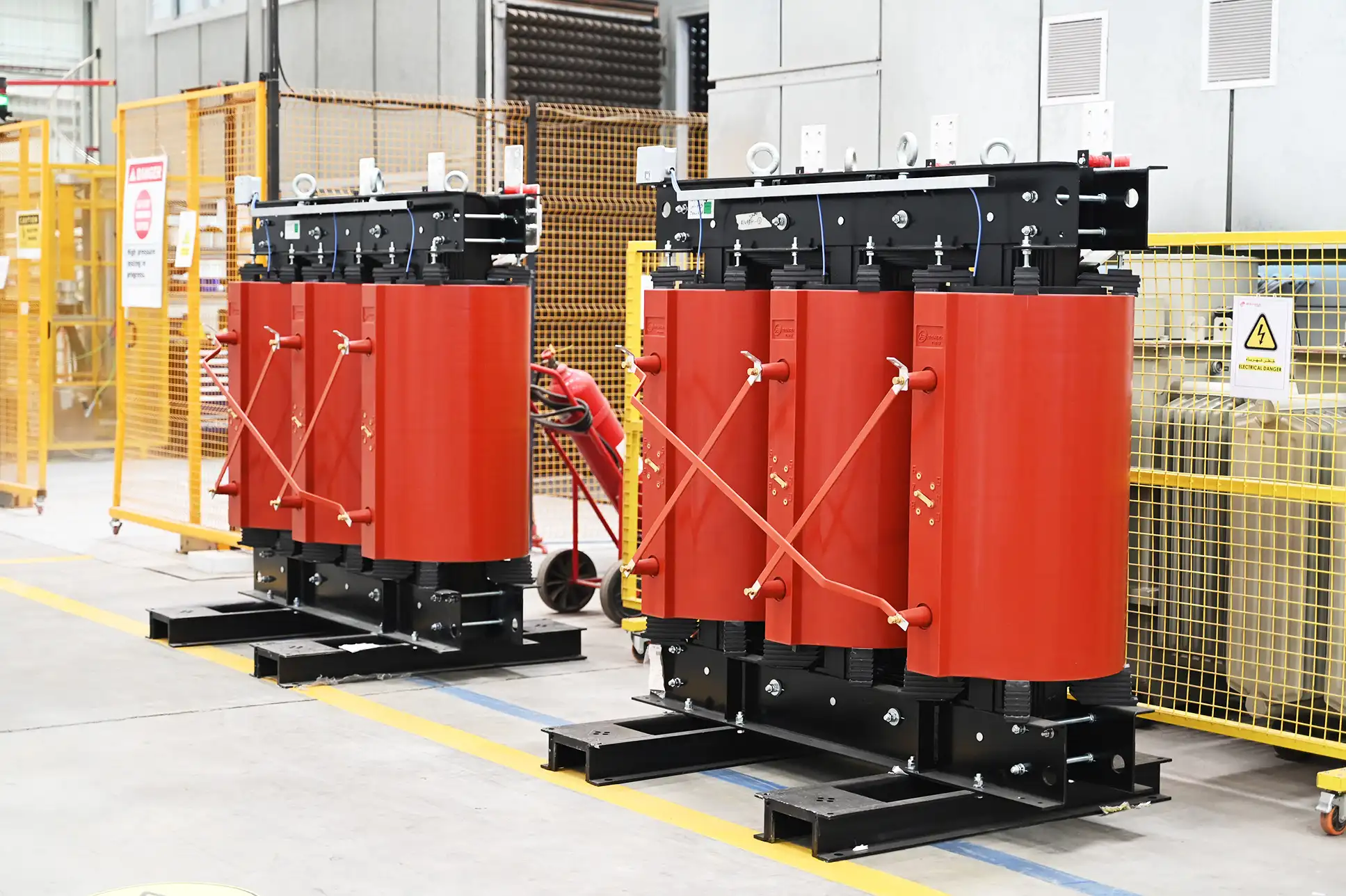
Understanding what a dry type transformer is in modern power systems
When people search for what is dry type transformer, they are usually trying to understand how this equipment fits into real electrical systems rather than memorizing a textbook definition. A dry type transformer is a power transformer that uses air or solid insulation systems instead of liquid insulating oil to provide electrical isolation and voltage transformation. Because no oil is involved, the cooling process relies on natural air circulation or forced ventilation, which significantly reduces fire risk and environmental contamination concerns. This structural difference makes dry type transformers especially suitable for indoor installations, commercial buildings, hospitals, data centers, and industrial facilities where safety and cleanliness are critical. Compared with oil-filled transformers, dry type designs emphasize insulation integrity, thermal management, and enclosure protection, which directly influence reliability, lifespan, and compliance with regional standards.
How does a dry type transformer work without insulating oil?
The working principle of a dry type transformer remains based on electromagnetic induction, yet its insulation and cooling philosophy differs fundamentally from oil-immersed designs. Electrical energy is transferred between primary and secondary windings through a laminated magnetic core, while solid insulation materials such as epoxy resin or varnish systems provide dielectric strength. Heat generated during operation dissipates through the winding surface into surrounding air, assisted by natural convection or forced air systems when higher ratings are required. Because heat removal depends heavily on design geometry and material selection, manufacturers must carefully control temperature rise limits and insulation class. Effective dry type transformer design balances electrical performance, thermal stability, and mechanical strength, ensuring stable operation even under continuous or variable load conditions.
Why are dry type transformers widely used in safety-sensitive environments?
Safety considerations drive the increasing adoption of dry type transformers across global markets. Without flammable oil, the risk of fire and explosion is dramatically reduced, making these transformers ideal for indoor and densely populated areas. Environmental regulations also favor dry type solutions because there is no oil leakage risk that could contaminate soil or water. In addition, modern enclosure designs limit dust ingress and accidental contact, improving operational safety. Noise reduction measures further enhance suitability for commercial and residential proximity. These advantages explain why dry type transformers are commonly specified in buildings, underground substations, transportation hubs, and renewable energy projects where safety, compliance, and maintenance simplicity are prioritized.
Which international standards and certifications apply to dry type transformers?
Standards and certifications play a decisive role when buyers evaluate what is dry type transformer for specific markets. Different regions adopt different regulatory frameworks, and compliance ensures safety, interoperability, and legal acceptance. IEC standards dominate many international and European projects, IEEE standards are widely used in North America, and UL certification is often required for commercial buildings and industrial facilities. These standards define requirements for temperature rise, insulation class, testing procedures, efficiency, and safety performance. Understanding which standard applies to a target market helps buyers avoid costly redesigns, certification delays, or project rejection during inspection.
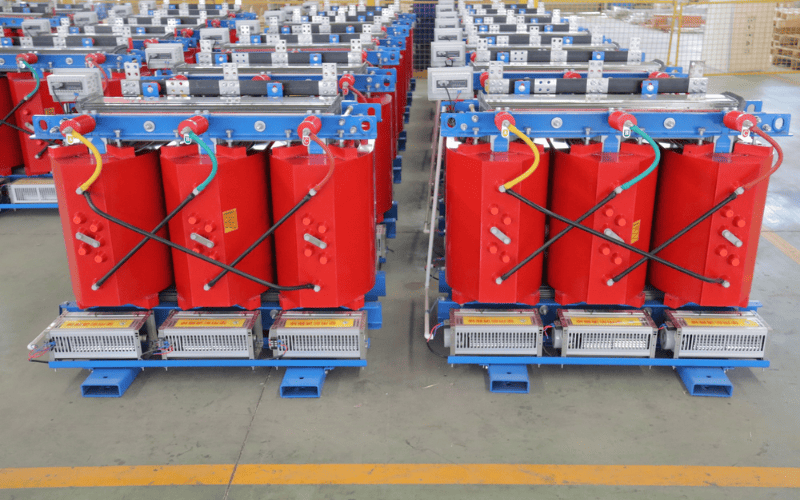
Major dry type transformer standards by target market
| Market / Region | Main Standard | Key Focus Areas |
|---|---|---|
| Europe / International | IEC 60076-11 | Thermal class, safety, testing |
| United States | IEEE C57.12 series | Performance, temperature rise |
| Commercial Buildings (US) | UL 1561 / UL 1562 | Fire safety, insulation systems |
| Canada | CSA standards | Electrical safety compliance |
| Global Efficiency | DOE / Ecodesign | Energy efficiency limits |
How can buyers verify compliance when selecting a dry type transformer?
Compliance verification goes beyond checking a nameplate or certificate copy. Buyers should confirm that the transformer design aligns with the applicable standard version and that routine and type tests have been performed accordingly. Test reports should include temperature rise measurements, insulation resistance values, and partial discharge results where applicable. Factory quality systems and material traceability also support compliance credibility. A reliable manufacturer provides transparent documentation and explains how standards are applied in real production. Skipping this verification step often leads to installation delays or non-acceptance during inspection, especially in regulated markets.
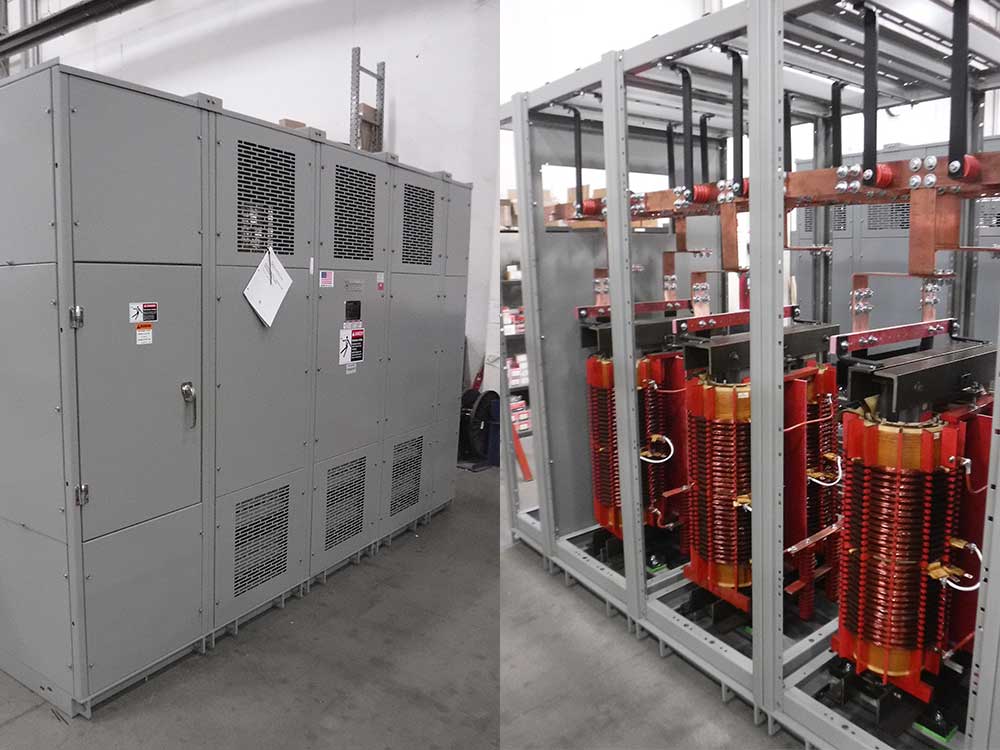
Dry type transformer compliance checklist
- Confirmed applicable standard (IEC, IEEE, UL)
- Valid routine and type test reports
- Temperature rise and insulation class alignment
- Certified manufacturing and quality systems
- Clear labeling and documentation
Why choose Kerun Intelligent Control?
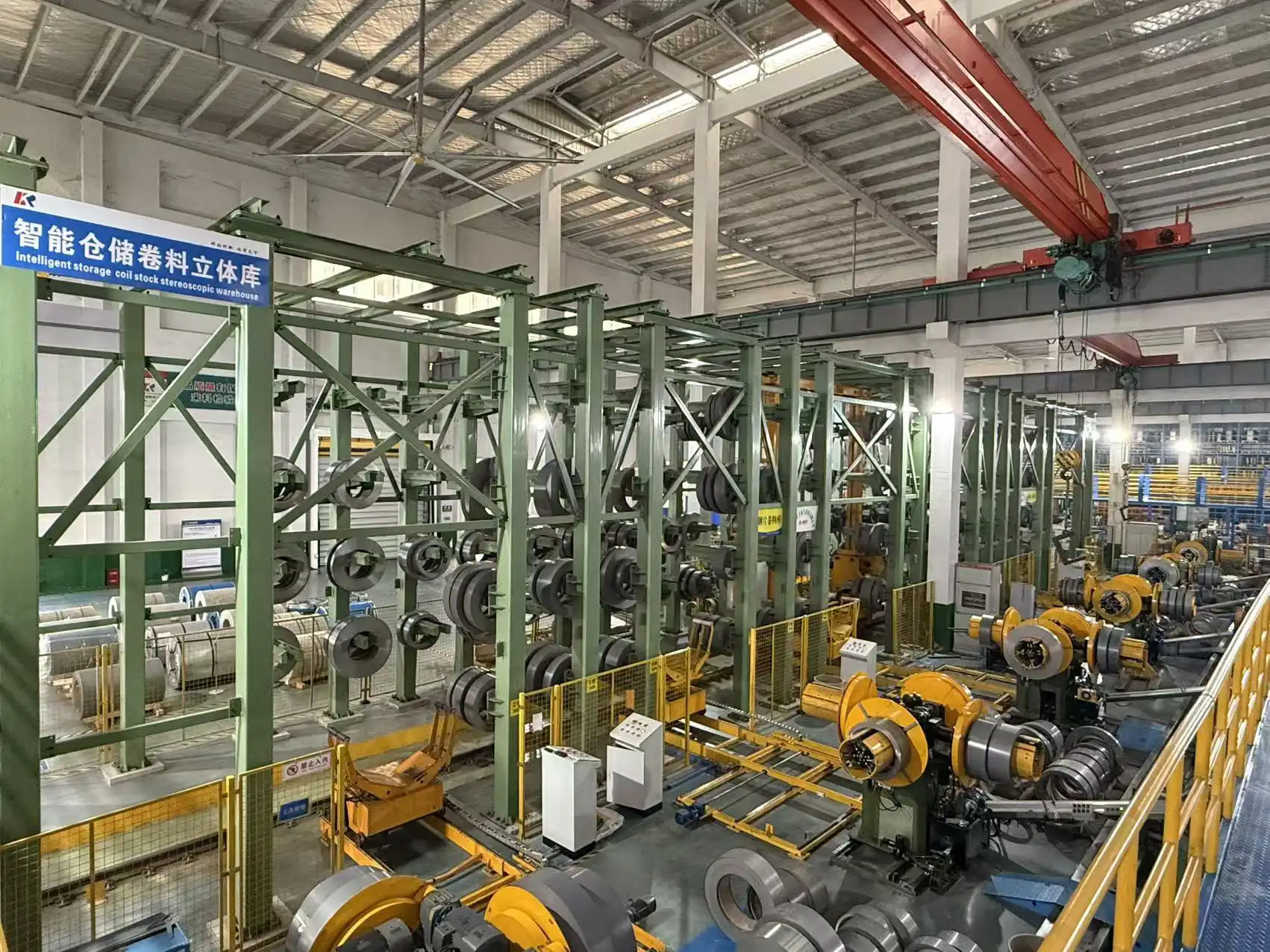
Why choose Kerun Intelligent Control? Kerun integrates standard compliance into every stage of dry type transformer design and manufacturing. Engineering teams develop products in accordance with IEC, IEEE, and market-specific requirements to ensure global applicability. Insulation systems are selected to meet strict thermal and safety criteria, while manufacturing processes follow documented quality controls. Comprehensive testing verifies compliance before delivery. Project experience across multiple regions allows Kerun to support customers with accurate certification guidance and application advice. This approach reduces regulatory risk and simplifies procurement for international projects.
How does understanding dry type transformers support the next selection stage?
A clear understanding of what is dry type transformer helps buyers move confidently into the selection stage. Knowing how insulation systems, cooling methods, and standards interact allows more accurate comparison between options. Buyers can evaluate whether cast resin or VPI designs suit their environment, determine required enclosure protection, and assess lifecycle cost rather than upfront price alone. This awareness stage lays the technical foundation for informed decision-making, reducing uncertainty during specification and supplier evaluation.
FAQ
What is the difference between a dry type transformer and an oil-filled transformer?
When users ask what is dry type transformer, they often want to understand how it truly differs from traditional oil-filled transformers in real applications. The most fundamental difference lies in the insulation and cooling medium. A dry type transformer uses air and solid insulation materials, while an oil-filled transformer relies on mineral oil or synthetic fluids for insulation and heat dissipation. This structural distinction leads to very different safety, maintenance, and installation characteristics. Dry type transformers significantly reduce fire and leakage risks, making them more suitable for indoor, underground, or densely populated environments. Oil-filled transformers, on the other hand, typically offer higher power density and better heat dissipation for outdoor or high-capacity applications. Understanding these differences helps buyers align transformer type with safety requirements, space constraints, and regulatory expectations rather than comparing only rated capacity or price.
Is a dry type transformer suitable for all environments and applications?
Although dry type transformers are widely adopted, they are not universally suitable for every operating condition. Environmental factors such as ambient temperature, ventilation quality, dust levels, and humidity directly affect thermal performance. In poorly ventilated or extremely hot environments, improper selection can lead to excessive temperature rise and accelerated insulation aging. Load characteristics also matter, as continuous high-load operation requires sufficient thermal margin. This is why understanding what is dry type transformer must include awareness of its application limits. Proper enclosure design, insulation class, and cooling method selection allow dry type transformers to perform reliably in most indoor and semi-enclosed environments. Buyers who assess site conditions early can avoid underperforming installations and extend service life significantly.

How do standards and certifications influence dry type transformer selection?
Standards and certifications translate the concept of what is dry type transformer into legally and technically acceptable products across different markets. IEC, IEEE, and UL standards define requirements for temperature rise, insulation systems, safety performance, and testing procedures. These standards are not interchangeable, and selecting a transformer certified for the wrong market can result in inspection failure or project delays. Certifications also reflect how manufacturers design, test, and document their products. Buyers who understand applicable standards can verify compliance more effectively and reduce procurement risk. This knowledge becomes especially important for international projects, where regulatory acceptance is as critical as technical performance.