
What Is A Three Phase Step Up Transformer Used For?
-
Three phase step up transformer increases voltage for efficient transmission, reduces losses, and supports industrial and grid systems.
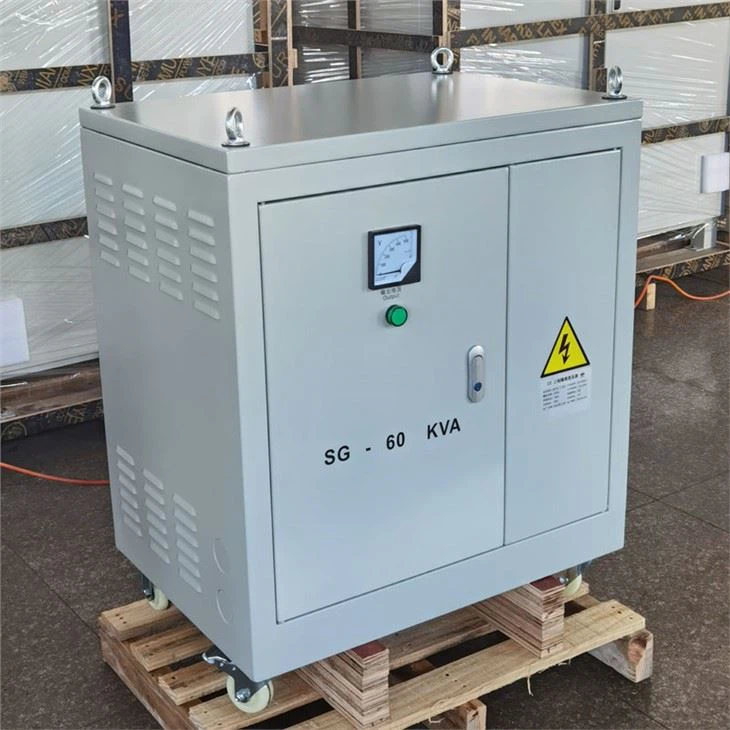
A three phase step up transformer plays a critical role in modern power systems. It increases voltage from generation levels to transmission levels efficiently. Power plants rely on this equipment to deliver electricity over long distances. Engineers design these transformers to handle balanced three phase loads with stability. Industrial operations depend on consistent voltage to maintain performance and safety. Electrical grids require voltage elevation to reduce energy losses during transmission. Proper transformer selection directly affects operational reliability and cost efficiency. Utilities integrate advanced insulation and cooling systems to ensure durability. Manufacturers test each unit under strict standards before deployment. Reliable voltage conversion supports large scale infrastructure and industrial growth worldwide.
How Voltage Transformation Works in Industrial Power Systems
Electromagnetic induction enables voltage transformation inside transformer systems. Primary windings receive input voltage from generators or power sources. Magnetic flux forms within the laminated core during operation. Secondary windings capture this energy and produce higher voltage output. Turns ratio determines the voltage increase between windings. Engineers carefully design winding configurations to optimize efficiency. Current decreases as voltage increases, maintaining power balance. Core materials reduce energy losses caused by hysteresis and eddy currents. Insulation systems prevent electrical breakdown during high voltage operation. Accurate design ensures stable energy transfer across industrial networks.
Key Industrial Uses of Three Phase Step Up Transformer
Industrial sectors widely use a three phase step up transformer for efficient energy distribution. Power generation facilities increase voltage before sending electricity to the grid. Renewable energy plants integrate transformers for grid compatibility and stability. Heavy manufacturing plants require high voltage for large machinery operation. Mining operations depend on reliable voltage for continuous production processes. Oil and gas facilities use transformers to support remote energy systems.
Data centers rely on stable power conversion to prevent downtime. Infrastructure projects require consistent electrical supply across long distances. Each application benefits from improved efficiency and reduced transmission losses.
Role in Long Distance Power Transmission Efficiency
High voltage transmission reduces energy losses significantly over long distances. Lower current minimizes resistive losses in transmission lines. Utilities depend on transformers to enable efficient power delivery across regions. Grid operators maintain voltage levels to stabilize electrical networks. Efficient transmission supports urban and industrial energy demands. Long distance power transfer requires careful voltage management strategies. Transformers ensure compatibility between generation and distribution systems. Infrastructure planning includes voltage step up solutions for scalability. Engineers optimize system performance through precise transformer integration. Reliable transmission enhances overall grid performance and reduces operational costs.
Integration in Renewable Energy Infrastructure
Renewable energy systems require stable voltage conversion for grid integration. Wind turbines generate variable voltage depending on wind conditions. Solar farms produce fluctuating output based on sunlight intensity. Transformers regulate voltage to match grid requirements consistently. Energy storage systems depend on stable input for efficient charging cycles. Grid operators rely on voltage control to maintain system balance. Renewable projects integrate transformers for efficient energy export. Stability becomes essential when managing intermittent energy sources. Proper transformer selection ensures consistent performance in renewable applications. Clean energy expansion depends heavily on reliable voltage transformation technology.
Core Components and Structural Design Features
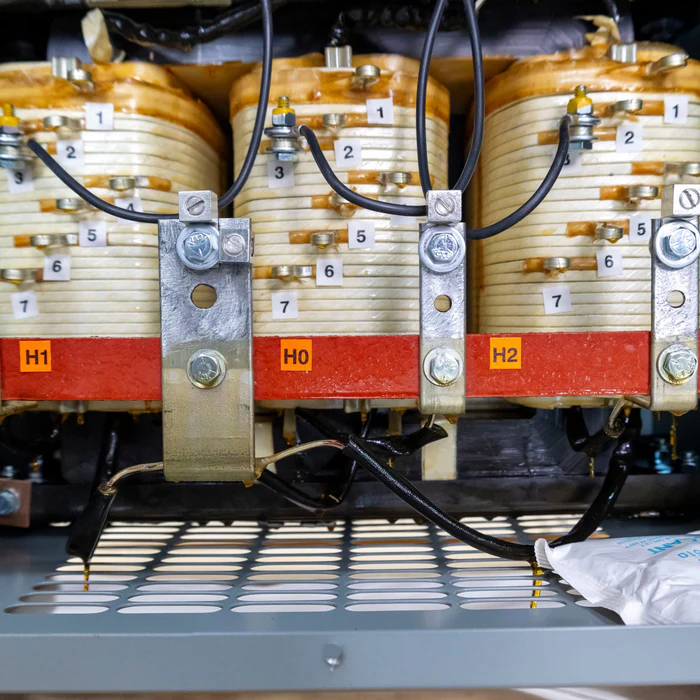
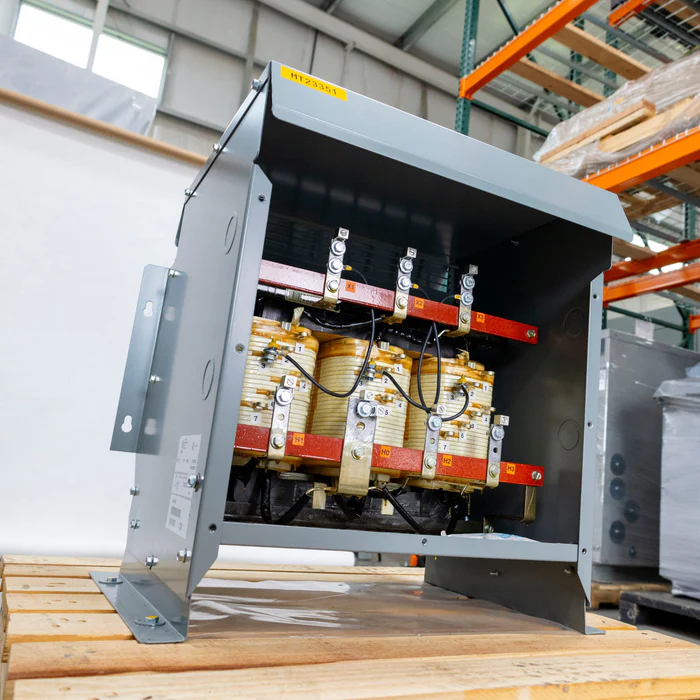
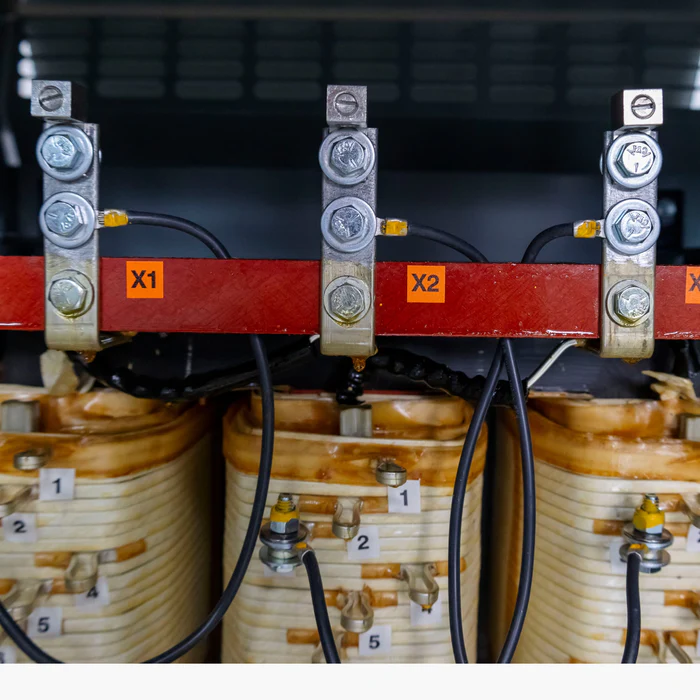
Transformer design includes several critical components that ensure performance. Copper or aluminum windings conduct electrical energy efficiently. Laminated steel cores reduce magnetic losses during operation. Insulation systems protect against high voltage breakdown and thermal stress. Cooling methods include oil immersed and dry type systems. A 220 kv oil-immersed power transformer uses mineral oil for effective heat dissipation. Conservators and radiators maintain optimal operating temperatures under load. Protective devices detect faults and prevent equipment damage. Mechanical structures provide stability during transportation and installation. Each component contributes to long term reliability and safe operation.
Types of Three Phase Transformer Configurations
Different configurations support various industrial requirements and grid designs. Delta-Delta systems offer reliability in balanced load conditions. Delta-Star configurations allow neutral grounding for distribution systems. Star-Delta setups reduce starting current in motor applications. Star-Star configurations support high voltage transmission networks. Engineers select configurations based on system compatibility and efficiency. Each arrangement affects voltage phase relationships and performance characteristics. Proper configuration ensures stable operation under varying load conditions. Industrial applications demand flexibility in transformer design choices. Configuration selection directly impacts system efficiency and reliability.
Performance Comparison of Transformer Configurations
| Configuration | Voltage Stability | Efficiency | Typical Application |
|---|---|---|---|
| Delta-Delta | High | High | Industrial loads |
| Delta-Star | Very High | High | Distribution systems |
| Star-Delta | Moderate | High | Motor starting |
| Star-Star | High | Moderate | Transmission networks |
Detailed Analysis of Transformer Configuration Performance
Each configuration offers distinct advantages depending on system requirements. Delta-Star systems provide excellent voltage stability for distribution networks. Star-Delta setups help reduce inrush current during motor startup operations. Delta-Delta configurations ensure reliability when loads remain balanced. Star-Star systems perform well in high voltage transmission environments. Engineers evaluate load conditions before selecting a configuration. Performance factors include efficiency, stability, and system compatibility. Configuration choice directly influences operational reliability and energy efficiency. Proper analysis ensures optimal transformer performance in industrial environments.
Key Benefits of Using Three Phase Step Up Transformer
A three phase step up transformer improves energy efficiency across industrial systems. High voltage transmission reduces energy losses significantly. Operational costs decrease due to improved efficiency and reduced waste. Reliable voltage regulation ensures consistent equipment performance. Industrial systems benefit from stable and predictable power supply. Reduced current lowers thermal stress on transmission infrastructure. Utilities achieve better grid stability through effective voltage management. Transformer systems support large scale energy distribution with reliability. Efficient power conversion enhances overall system performance and longevity.
Technical Specifications Comparison Table
| Parameter | Typical Range | Impact on Performance |
|---|---|---|
| Voltage Rating | 10 kV – 500 kV | Determines transmission capability |
| Efficiency | 95% – 99% | Affects energy savings |
| Cooling Method | Oil / Dry Type | Controls thermal performance |
| Frequency | 50 / 60 Hz | Ensures system compatibility |
Engineering Considerations Behind Technical Specifications
Engineers analyze technical parameters before selecting transformer systems. Voltage rating determines compatibility with grid requirements. Efficiency directly impacts operational costs and energy consumption. Cooling methods influence thermal stability and equipment lifespan. Frequency alignment ensures proper integration with power systems. Environmental conditions also affect design decisions and material selection. Industrial applications require robust and reliable transformer performance.
A 35 kv oil-immersed transformer suits medium voltage distribution networks effectively. Proper specification selection ensures long term operational stability and efficiency.
Critical Selection Factors for Industrial Buyers
Industrial buyers evaluate several factors before choosing transformer equipment. Load capacity must match operational requirements accurately. Environmental conditions influence insulation and cooling system selection. Compliance with IEC and IEEE standards ensures safety and compatibility. Maintenance requirements affect long term operational costs. Reliability becomes essential in critical industrial applications. Buyers assess supplier reputation and product quality carefully. Installation constraints also influence transformer design choices. Proper evaluation ensures optimal performance and return on investment.
Common Challenges and Maintenance Requirements
Transformer systems face several operational challenges over time. Thermal stress can cause insulation degradation if unmanaged. Overloading may reduce efficiency and increase failure risk. Regular monitoring helps detect faults before they escalate. Maintenance programs include oil testing and thermal inspections. Protective systems prevent damage during abnormal operating conditions. Engineers implement predictive maintenance strategies to improve reliability. Proper maintenance extends equipment lifespan significantly. Industrial operators prioritize safety and operational continuity. Effective management ensures consistent transformer performance in demanding environments.
Future Trends in Transformer Technology and Smart Grids
Modern transformer technology continues to evolve with digital advancements. Smart monitoring systems provide real time performance data. Sensors detect temperature changes and electrical anomalies instantly. Integration with smart grids improves overall energy efficiency. Automation enhances system responsiveness and fault management. Sustainable materials reduce environmental impact during manufacturing. Energy efficiency remains a key focus in new designs. Digital solutions enable predictive maintenance and performance optimization. Future developments will improve reliability and operational intelligence. Advanced transformers will support growing global energy demands.
Frequently Asked Questions
What is the main function of a three phase step up transformer?
A three phase step up transformer increases voltage from a lower level to a higher level. Power generation systems produce electricity at moderate voltages. Transmission networks require higher voltage to reduce losses during long distance delivery. The transformer enables efficient voltage conversion while maintaining power balance. Engineers design winding ratios to achieve the desired voltage increase. Industrial systems depend on stable voltage for safe operation. High voltage transmission improves efficiency and reduces operational costs. Utilities use these transformers to support grid stability and energy distribution. Reliable voltage transformation ensures consistent performance across power networks.
How does a three phase step up transformer improve power transmission efficiency?
Efficiency improves because higher voltage reduces current flow in transmission lines. Lower current minimizes resistive losses caused by conductor resistance. Power systems achieve better performance with reduced energy waste. Transformers enable voltage adjustment to match transmission requirements precisely. Grid operators rely on voltage control for stable system operation. Efficient transmission supports large scale energy distribution across regions. Engineers design transformers to optimize energy transfer with minimal losses. Improved efficiency reduces operational costs and enhances system reliability. Power networks depend on these systems for consistent and stable electricity delivery.
What industries rely most on three phase step up transformer systems?
Several industries depend heavily on these transformer systems for reliable power supply. Power generation plants use them to transmit electricity to the grid efficiently. Renewable energy sectors integrate transformers for wind and solar power systems. Manufacturing industries require stable voltage for heavy machinery operation. Oil and gas facilities depend on consistent power for remote operations. Mining companies rely on transformers to support continuous production processes. Data centers require stable power to prevent downtime and data loss. Infrastructure projects also depend on efficient voltage conversion systems for reliable operation.