
What is a step down transformer?
-
Learn about the definition, working principle, applications, advantages, and how to choose the right transformer for your needs.

A step down transformer reduces high voltage to a controlled lower level for safe use across electrical systems. Many devices depend on stable voltage, so this conversion supports reliable performance during daily operation. The step down transformer handles power demands from small household loads to large industrial machines. Its structure enables steady output without mechanical action, which improves durability and consistency under varied conditions. Magnetic transfer between windings provides smooth voltage reduction for sensitive equipment. This process also improves system safety by preventing excess current from damaging connected loads. A step down transformer therefore supports broad applications where stable low voltage matters.
What Is a Step Down Transformer
A step down transformer converts incoming high voltage into a low voltage output suited for many devices. Its voltage conversion process uses magnetic flux rather than moving parts. Primary windings handle high voltage input and direct magnetic flow through the core. Secondary windings release reduced voltage to loads that depend on controlled electrical levels. This approach protects equipment designed for limited voltage ranges. A step down transformer supports systems requiring stabilized current flow without excess heat. Engineers rely on predictable output during construction of electrical networks. Its predictable behavior keeps devices secure during routine operation.
Main Components of a Step Down Transformer
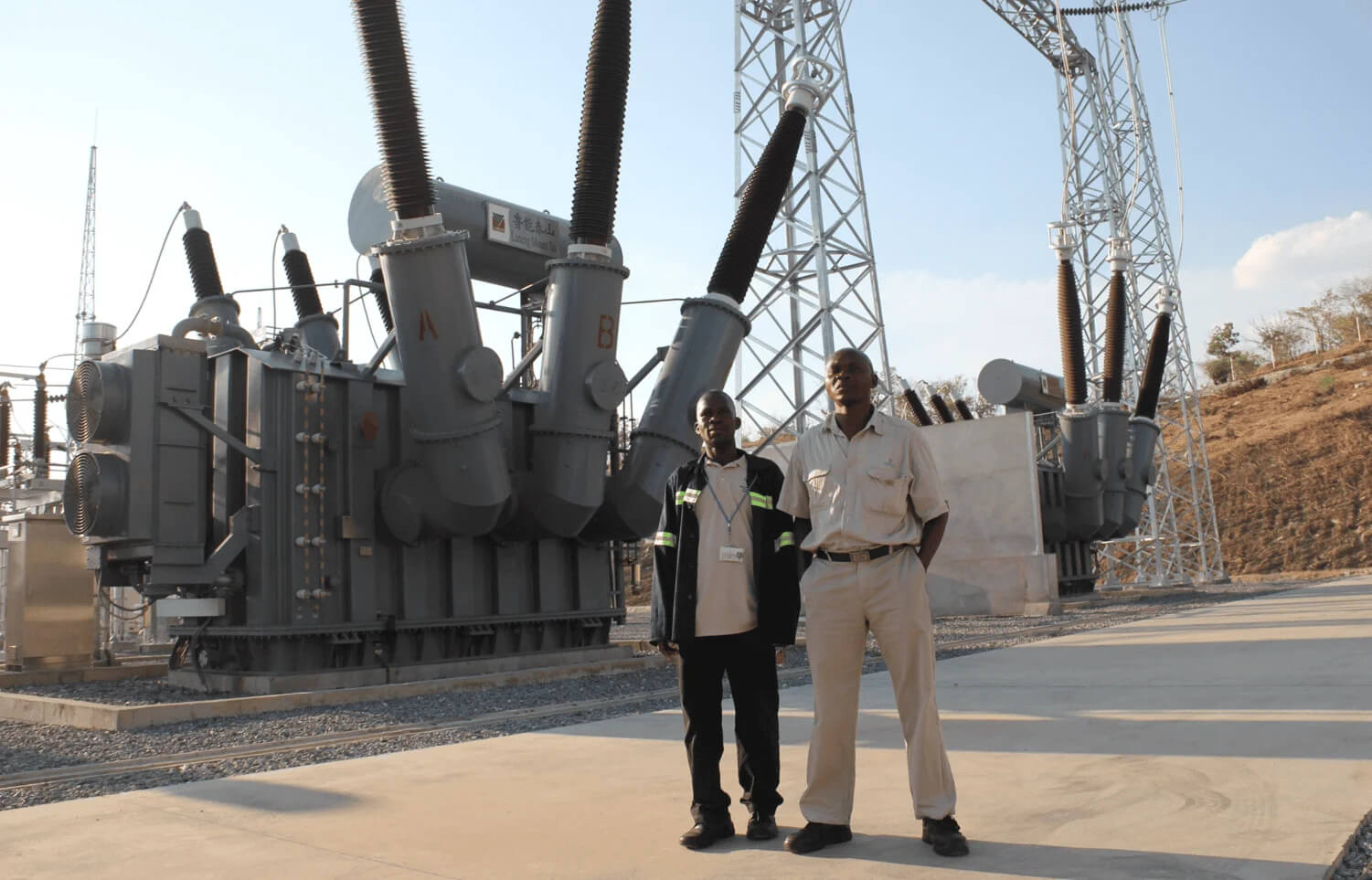
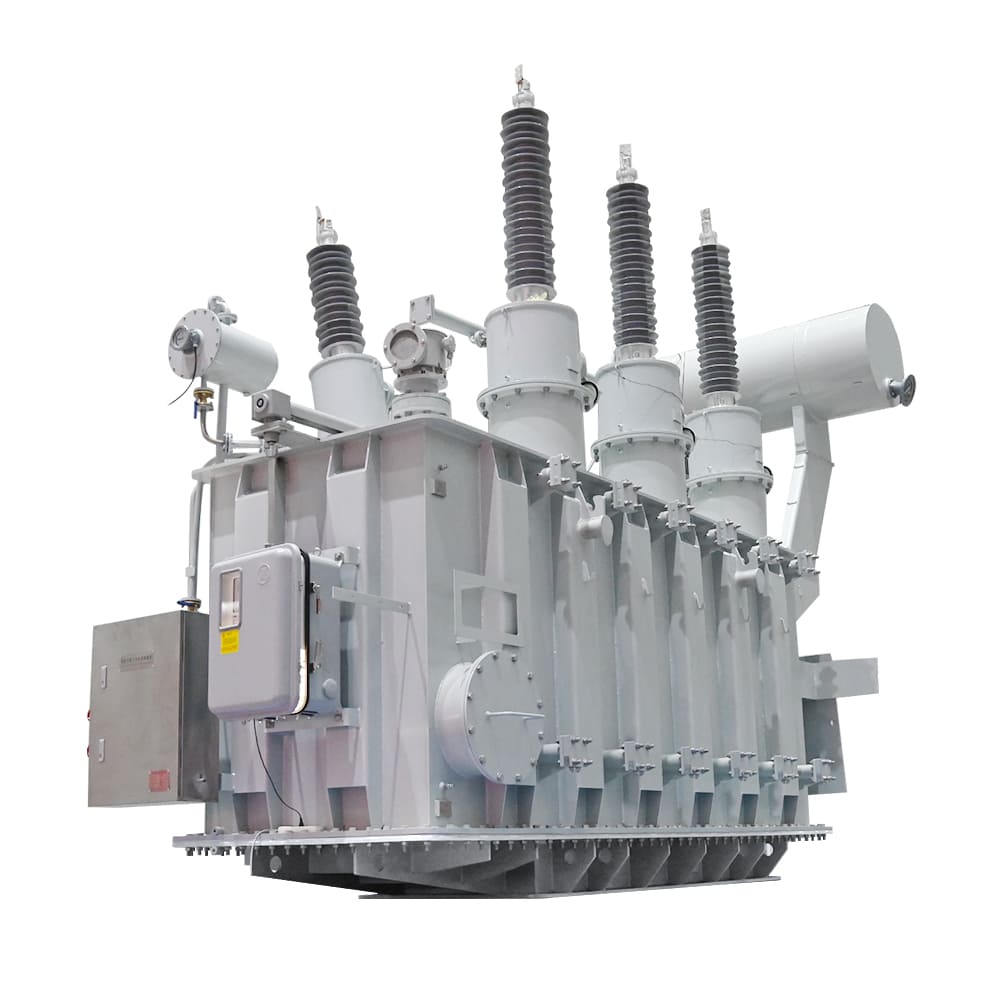
A step down transformer contains a core, windings, an insulation system, and a cooling structure. The core guides magnetic flux between windings and influences overall efficiency. Primary and secondary windings carry electrical current at defined levels. Insulation protects the windings from electrical stress and heat. Some models use an oil tank that increases cooling capacity and reduces temperature rise. These elements shape the performance of each unit. Material quality affects reliability, and winding design impacts voltage control. Each component cooperates to sustain stable energy transfer. Their alignment ensures smooth voltage reduction during normal operation.
Basic Step Down Transformer Parameters
Step Down Transformer Specification Table
| Input Voltage | Output Voltage | Core Type | Cooling | Frequency |
|---|---|---|---|---|
| 220V | 24V | Silicon Steel | Air | 50Hz |
| 380V | 48V | Iron Core | Oil | 60Hz |
A step down transformer relies on these parameters to support its voltage conversion range. Input voltage defines the required winding design while output voltage determines suitability for target devices. Frequency affects magnetic behavior within the core, and cooling controls heat under load. Engineers examine each value when planning installations. Proper matching prevents overheating and helps maintain long service life. These specifications shape performance during routine cycles and reduce stress on equipment connected downstream. Every parameter influences stability, so precision remains important during system design.
How Does a Step Down Transformer Work
A step down transformer operates through electromagnetic induction between primary and secondary windings. Current enters the primary winding and forms a magnetic field inside the core. This magnetic field moves across the core structure and induces a lower voltage in the secondary winding. The step down transformer manages energy flow by using controlled magnetic coupling. This process allows stable voltage output for varied equipment types. It also enhances safety because electrical isolation protects downstream circuits. Voltage reduction occurs instantly when load conditions shift. Each cycle maintains continuous magnetic transfer for steady operation.
Effect of Turns Ratio
The turns ratio determines the output voltage produced by a step down transformer. Fewer turns on the secondary winding lead to lower voltage output. Voltage follows the ratio U1/U2 = N1/N2, which helps define final voltage levels for specific systems. Designers calculate this ratio to support power demands while limiting heat. turns ratio changes influence magnetic strength and current behavior inside the transformer. Each winding must be precise to maintain controlled performance. A correct ratio keeps energy loss minimal and improves overall reliability. This relationship therefore determines final voltage output across different applications.
The Impact of Core Size and Material on Transformer Performance
Core material influences efficiency, heat, and magnetic behavior within a step down transformer. Silicon steel provides stable magnetic flow and low core loss, which improves performance over long periods. Iron powder cores support targeted applications that need controlled flux density. Material selection changes noise levels and energy behavior when loads shift. Each type supports different performance goals. Engineers choose materials based on efficiency requirements and expected thermal limits. A step down transformer depends on this choice to maintain safe operation and consistent output. Its internal magnetic path also changes according to selected material density.
The Impact of Core Size on Transformer Performance and Efficiency
Core size shapes performance during heavy load cycles. A larger core supports higher power and reduces magnetic saturation. Smaller cores offer compact design but increase heat when stressed. Size influences loss, current stability, and thermal control. A step down transformer therefore uses core dimensions that match its rated capacity. Oversized cores improve reliability at the cost of weight, while undersized cores reduce efficiency and shorten lifespan. Proper sizing ensures balanced output and long-term durability. Core size must support winding structure and cooling for complete performance stability.
The Relationship Between Turns Ratio and Output Voltage
Turns ratio controls the voltage output in a step down transformer. Secondary turns must be fewer than primary turns to decrease voltage effectively. Each ratio defines the amount of voltage delivered to equipment that depends on safe levels. A ratio such as 5:1 will reduce incoming voltage to one fifth at the output. This relationship remains consistent under many load conditions. Engineers adjust turns to support specific power requirements. Careful selection keeps thermal behavior stable and reduces energy loss. Winding alignment also influences magnetic flow and determines voltage accuracy during operation.
How to Calculate Output Voltage
Output voltage can be calculated using the formula Output Voltage = Input Voltage × (Secondary Turns / Primary Turns). This equation defines how a step down transformer manages voltage levels across the magnetic path. A clear example shows how this works: if a transformer receives 220V with a turns ratio of 10:1, the output becomes 22V. This calculation helps technicians set proper parameters during installation. A stable ratio supports predictable output during system operation. Voltage accuracy also protects equipment connected to the secondary side.

Applications of Step Down Transformers
Step down transformers support industrial systems that require stable voltage for motors, controllers, and monitoring equipment. These environments depend on precise values that protect equipment during heavy operation cycles. Output stability improves safety and reduces maintenance.
Residential applications rely on step down transformers to supply safe voltage to appliances. Devices such as lighting systems, televisions, and small electronics depend on controlled voltage that does not exceed design limits. Stable power also extends product life.
Power distribution networks depend on step down transformers to reduce transmission voltage to useable local levels. This process supports city infrastructure and protects grid equipment. Voltage control remains essential for safe distribution across broad regions.
Advantages and Disadvantages of Step Down Transformers
Advantages
-
Reduces high voltage to safe levels
-
Improves energy efficiency
-
Supports diverse applications
A step down transformer offers stable voltage conversion that benefits many systems. Lower voltage protects equipment and reduces current stress. Efficiency improvements help reduce energy costs while supporting continuous operation. Its flexibility makes it suitable for many environments.
Disadvantages
-
Large models can be bulky
-
Requires periodic maintenance
-
Heat buildup requires monitoring
A step down transformer may require notable space in larger facilities. Maintenance schedules also increase operational cost. Cooling concerns must be managed for long-term stability. These limitations influence placement and system design considerations.
Comparing Step Down Transformers with Other Transformer Types
Step down transformers differ from step up transformers in their voltage direction and function. A step up transformer increases voltage for long-distance transmission, while a step down transformer reduces voltage for equipment use. These contrasting roles shape their use in networks. Step up systems serve transmission needs, and step down units support end-user equipment. Applications therefore differ across power networks and facility layouts.
Autotransformers vs. Step-Down Transformers: Size, Cost, and Isolation
Autotransformers offer compact size and lower cost when compared with a step down transformer. Their single winding design allows direct electrical connection between sections. This structure improves efficiency but reduces isolation. Such units therefore remain unsuitable for high voltage systems. A step down transformer provides stronger isolation and safer operation for sensitive loads.
Selection Criteria and Considerations for Step Down Transformers
Rated power defines which step down transformer matches a target load. System frequency shapes core behavior and must align with local standards. Environmental factors such as heat, humidity, and ventilation influence material selection and cooling performance. These factors shape transformer longevity and stability. Engineers examine protective measures such as overload safeguards and short-circuit control. Proper cooling also helps control thermal rise. Safe operation depends on selecting units with correct features for the installation environment. A step down transformer must align with both electrical and environmental factors to ensure reliable performance.
Why Choose Kerun Intelligent Control Transformers
Kerun intelligent control transformers deliver stable performance through advanced materials, reliable engineering, and precise manufacturing processes. Each unit uses high-grade silicon steel to reduce core loss and maintain strong magnetic efficiency under continuous load. The winding structure is optimized to control heat buildup and minimize noise during operation. Every transformer undergoes strict testing, including insulation checks, load evaluations, and dielectric strength assessments, to confirm stable performance in demanding environments. Kerun offers a wide range of voltage classes and capacities, which supports industrial, commercial, and distribution systems with long-term reliability. Technical teams assist with configuration, cooling selection, and protection planning, allowing users to match each transformer to specific load and environmental conditions. The maintenance system ensures quick inspection and service response, reducing downtime and enhancing overall system safety.
FAQ
Do Step Down Transformers Require Regular Maintenance
Regular maintenance helps sustain performance for a step down transformer. Oil-filled units need fluid checks to confirm cooling capacity and insulation strength. Dry-type models require inspections to monitor dust buildup and airflow. Technicians evaluate winding temperature, terminal tightness, and insulation quality. These checks help prevent voltage instability and excess heat. Early detection of wear improves long-term reliability. Maintenance tasks also confirm that the transformer can support designed load levels without stress. Consistent inspection schedules reduce outage risks and enhance operational safety for the entire system.
How Can You Tell if a Step Down Transformer Is Faulty
A faulty step down transformer shows several signs that indicate internal problems. Output voltage may fluctuate beyond safe limits, and connected devices may show irregular behavior. Unusual noise from the core can signal loose laminations or excessive vibration. Heat buildup may also appear when internal stress increases. Visual inspection sometimes reveals discoloration or insulation damage. Testing with appropriate meters highlights abnormal current or resistance. Early identification helps reduce further damage. Quick action prevents failure and maintains stable voltage output for equipment that depends on the transformer.
What Is the Difference Between a Step Down and Step Up Transformer
A step down transformer reduces voltage for safe use, while a step up transformer increases voltage for efficient transmission. Their winding ratios differ to support these functions. Step up transformers occupy high-voltage sections of the power grid, while step down transformers serve end-user environments that require controlled voltage. Safety needs also differ because step down transformers provide stronger isolation for sensitive loads. Applications therefore separate across the electrical network. Understanding this contrast helps operators select the correct unit for each installation and ensure proper energy flow across systems.
