
What Are The Essential Facts About Pole Mounted Transformers?
-
Discover the types, working principles, voltage range, and pricing of pole mounted transformers. Essential guide for power distribution.
What Are The Types Of Pole Mounted Transformers?
Single Phase Pole Mounted Transformer
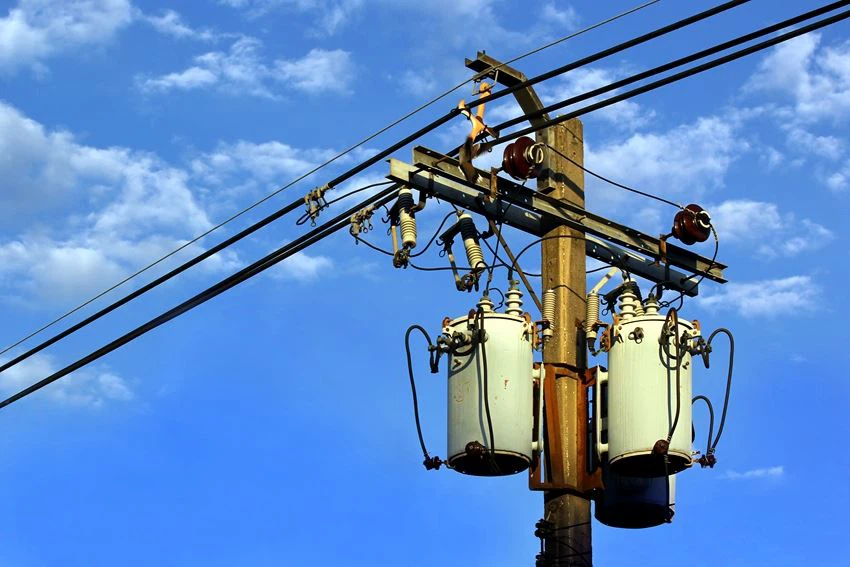
Single-phase pole-mounted transformers appear very commonly in neighborhoods. Each individual residence often uses its own single-phase unit. This system ideally serves typical household power needs. In a single-phase system, electricity travels through one wire, and the second wire provides the neutral return path. This configuration delivers a steady, low-power supply. The power flow momentarily drops to zero because the sinusoidal curve causes this variation.
Three Phase Pole Mounted Transformers
Commercial settings generally use three-phase pole-mounted transformers. Light industrial applications also rely on them. These units typically contain three distinct parts. Engineers design them to produce massive amounts of power when needed. Builders can construct three-phase transformers easily, and they function well. They efficiently convert AC power. They transfer power from the main winding to the secondary winding, changing the voltage from high to low or low to high.
Pole Mounted Substation
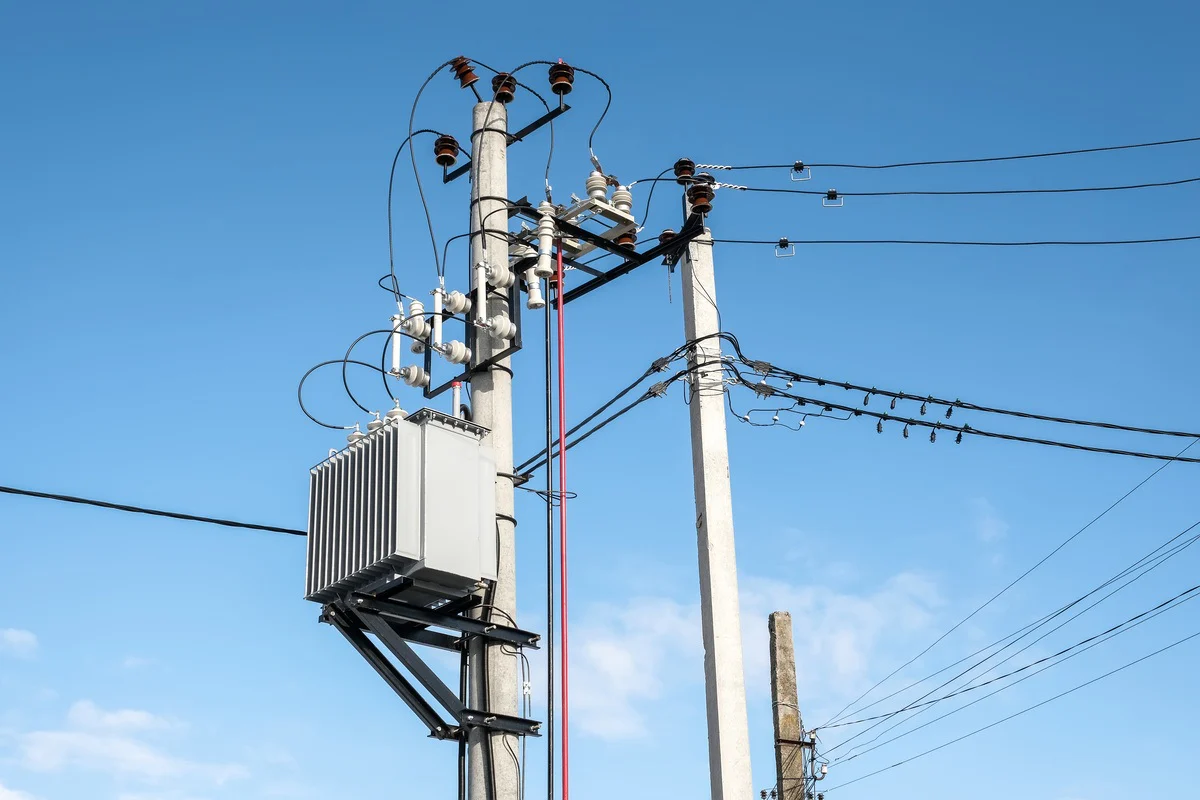
Utility crews construct pole-mounted substations as outdoor distribution substations. They usually build these directly on utility poles. This design offers the cheapest and easiest installation method. It eliminates the need for a separate structure to house the substation equipment. This pole-mounted setup supplies most of the electricity for homes. Engineers design the transformers to last a long time. Manufacturers build their tanks to prevent rust and mildew effectively, enabling them to withstand extremely corrosive environments.
How Do Pole-Mounted Transformers Work?
Pole-mounted transformers step down high-voltage electricity. They reduce the voltage from power lines to safer, usable levels, making residential or commercial consumption possible. They achieve this voltage change through electromagnetic induction. Current flows into the primary coil of the transformer and creates a strong magnetic field. This magnetic field induces a current in the secondary coil, transferring energy and adjusting the voltage level.
How Does a Pole-Mounted Transformer Operate?
A pole-mounted transformer operates based on electromagnetic principles. When the transformer functions correctly, current flows into the inductor coil. This coil usually connects to a metal core. The coil focuses the electrical current coming from the other coil, and this flow produces a constantly fluctuating electric current. Pole-mounted transformer insulators connect directly to the power grid. Operators must switch on a “go switch” to activate and connect the devices.
In What Range of Voltage Does a Pole-Mounted Transformer Operate?
People commonly refer to pole-mounted transformers as distribution transformers. They receive high voltage from nearby substations. These transformers often take input voltages up to 13 kilovolts (kV), representing a single-phase voltage relative to the ground. The power flows through these transformers in three separate phases. Typically, they operate between 5 kV and 35 kV. For 60-hertz systems, most power networks use standard voltages such as 11 kV and 15 kV.
How Many Residences May Be Serviced By A Single Pole-Mounted Transformer?
Why Are Pole-Mounted Transformers Grounded?
-
The system ensures the lowest feasible voltages are maintained relative to the ground.
-
Grounding the secondary neutral winding allows for effective voltage control.
-
This process guarantees that any potential short to the exterior lasts only a minimal amount of time.
-
Connecting the casing to the ground provides over-current protection.
Pole Mounted Transformer Diagram
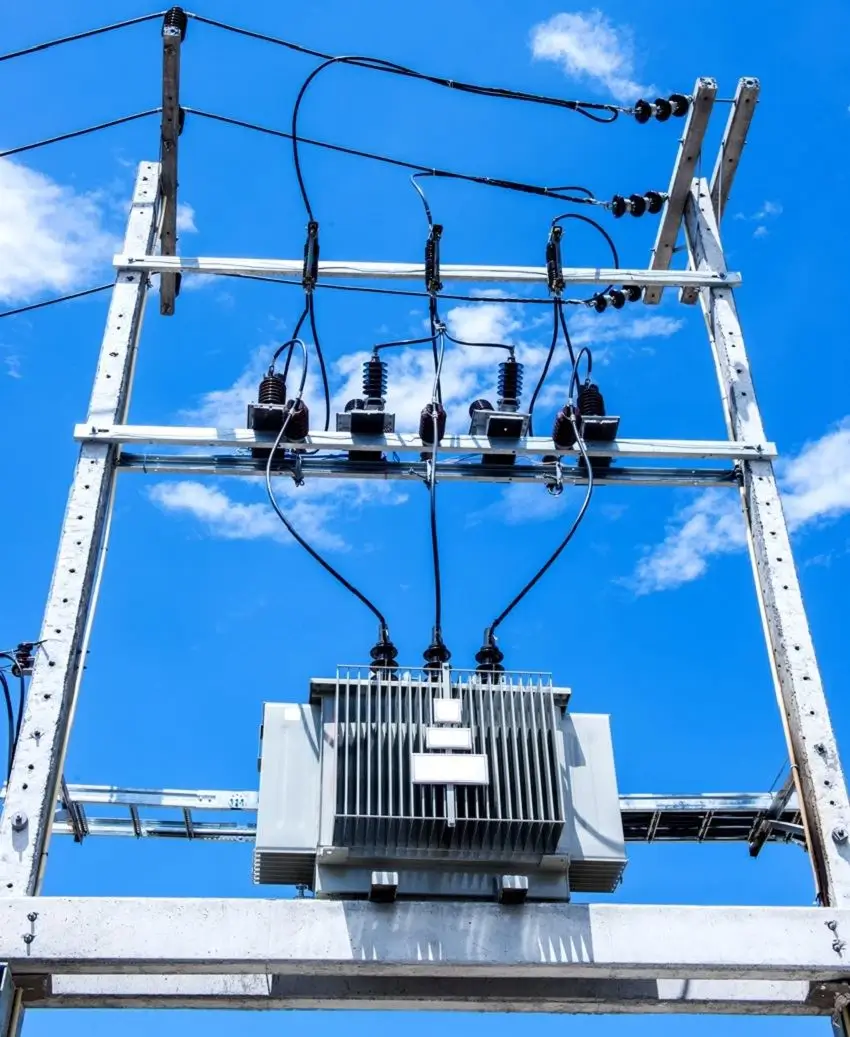
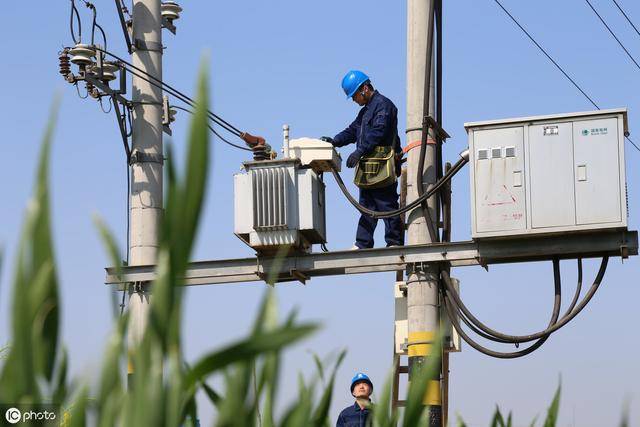
A typical pole-mounted transformer diagram illustrates the components and their connections. The installer mounts the transformer at the top of the pole. High-voltage lines connect to the primary bushings, and the secondary bushings feed the low-voltage service lines. The diagram shows the internal windings and core and clearly marks the grounding connection. The system sends the incoming current through a gang isolator and HT fuses. The diagram often includes an oil circuit breaker, which trips and cuts power on the low-voltage side when a problem occurs.
Pole Mounted Transformer Construction
Engineers design the construction of a pole-mounted transformer to be robust and functional. They typically place the unit at the top of the pole or overhead. The system sends the incoming current through a gang isolator and HT fuses. Technicians commonly use a mechanical three-pole gang isolator switch. Pulling the handle at the base of the isolator shuts off the transformer. Technicians must disable the transformer’s high-voltage isolator and low-voltage circuit breaker before performing any servicing.
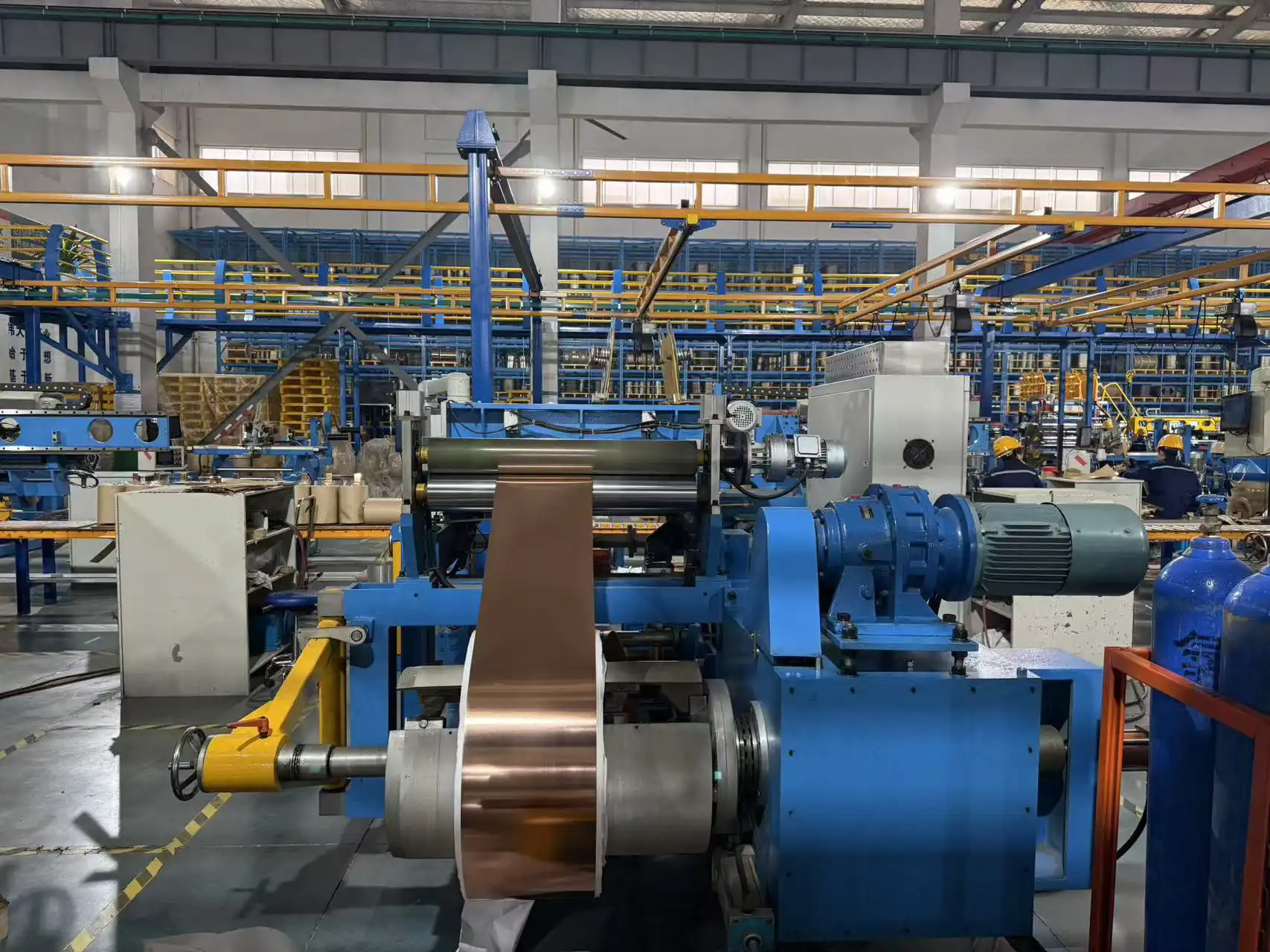
The construction involves several key materials and components. These are chosen for durability and performance.
| Component | Material/Feature | Function |
|---|---|---|
| Tank | Steel (often 3CR12) | Protects internal components from the environment |
| Windings | Copper or Aluminum | Facilitates voltage transformation via induction |
| Core | Steel | Provides a path for the magnetic flux |
| Bushings | Porcelain | Insulates and connects windings to external lines |
| Insulating Medium | Mineral Oil | Provides cooling and electrical insulation |
The pole mounted substation has lower installation and maintenance costs. This is due to the lower capacity equipment and simpler construction. The steel tank, often made of 3CR12 steel, protects the internal parts. Copper or aluminum windings are used for efficient power transfer. Porcelain bushings insulate the high-voltage connections. Mineral oil is used to cool the windings and provide insulation. This construction ensures a long operational life.
Pole Mounted Transformer Application
What Is The Average Pole Mounted Transformer Price?
Where Can You Find Pole Transformers For Sale?
You can find pole transformers from various specialized suppliers. Manufacturers and authorized distributors are the primary sources. Companies like Daelim Transformer offer a wide range of pole transformer sizes, with power ratings ranging from 10 kVA to 333 kVA. You can often buy these units directly from the manufacturer. Reputable suppliers ensure that they shape the bushings properly and guarantee that the windings are error-free. This commitment makes the transformer exceptionally trustworthy.
Who Are the Leading Pole-Mounted Transformer Manufacturers?
Several companies are recognized as leading pole-mounted transformer manufacturers, including global giants like Siemens and ABB. Other reputable names include Toshiba and Daelim Transformer. Kerun Intelligent Control also stands out as a notable manufacturer. These companies adhere to strict international standards and offer a wide range of designs and capacities. Choosing a leading manufacturer ensures product quality and reliability. Their experience gives you confidence in the product’s performance.
How Does a 25 kVA Pole-Mounted Transformer Convert Energy?
A 25 kVA pole-mounted transformer converts energy through induction. The primary side receives medium voltage, such as 13.2 kV, and steps it down to a low voltage, typically 120/240V. This conversion process is highly efficient. The 25 kVA rating indicates the transformer’s apparent power capacity, which is approximately equal to 20 kilowatts (kW) of real power. The transformer achieves the conversion by adjusting the ratio of turns in the windings, which determines the voltage change. The transformer ensures a safe and usable voltage level for consumers.
Why Choose Kerun Intelligent Control Transformers?
Kerun Intelligent Control is a reputable manufacturer known for its commitment to quality and innovation. Their transformers meet numerous international standards, including IEC, IEEE, GB, ANSI, and others. They ensure that each product complies with these standards through a dedicated testing facility. Kerun also focuses on intelligent control technology, which offers advanced grid integration capabilities. Choosing Kerun means selecting a reliable, certified product. Their focus on a vertical supply chain ensures consistent product quality.
FAQs
What is the primary difference between single-phase and three-phase pole-mounted transformers in terms of application?
The primary difference lies in their intended application and the power they deliver. You typically use single-phase pole-mounted transformers for residential distribution. They are designed to service individual homes or small groups of houses because most household appliances run on single-phase power. This power delivery is sufficient for typical domestic loads. On the other hand, you use three-phase pole-mounted transformers for commercial and industrial applications. They provide the three separate alternating currents required by large machinery, including motors and heavy equipment. Three-phase power offers a constant, non-pulsating power flow, making it more efficient for high-power applications. The choice between the two depends on the end-user’s power requirements.
How does the grounding system protect the pole-mounted transformer and surrounding environment from electrical faults?
The grounding system plays a critical safety role for a pole-mounted transformer. It provides a low-resistance path for electrical current to follow. This path becomes essential when a fault or breakdown occurs. Without proper grounding, a fault could raise the voltage on the transformer’s casing and create a severe shock hazard for people or animals. Grounding directs the fault current safely into the earth and immediately triggers protective devices like circuit breakers. These devices respond quickly, minimize transformer damage, and protect the surrounding environment from dangerous electrical potential. Grounding also stabilizes voltage levels throughout the system.
What factors contribute most significantly to the overall cost of a pole-mounted transformer, and how does capacity affect the price?
Several key factors significantly influence the overall cost of a pole-mounted transformer. The kVA capacity and phase type contribute the most. Higher-capacity transformers require more raw materials, including copper windings and steel core material, which directly increase manufacturing costs. The phase type also affects the price, as three-phase units are generally more complex and more expensive than single-phase units. Additional factors include the voltage class, the manufacturer’s reputation, and any specialized features—such as advanced cooling systems—which further raise the price. Depending on these variables, prices can range from a few hundred dollars for small single-phase units to tens of thousands of dollars for large, specialized three-phase models.