
What Are The Benefits Of Three Phase Power Transformers?
-
Three phase power transformer improves efficiency, stability, cost savings, and reliable power distribution in industrial systems.
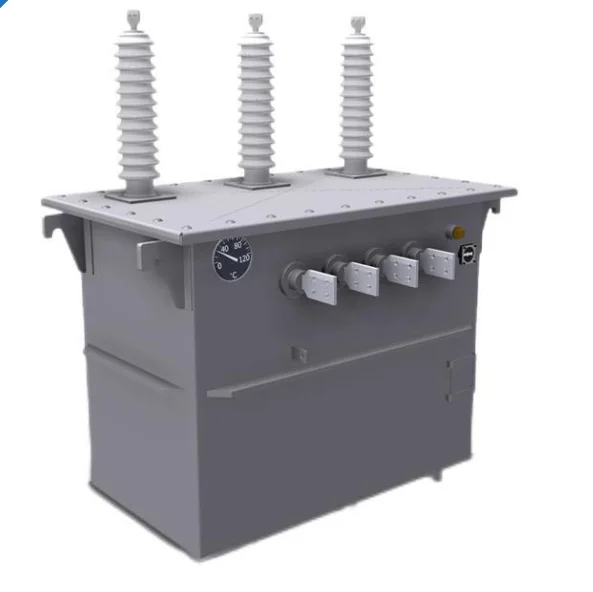
Industrial facilities depend heavily on stable electrical infrastructure for continuous operations. A three phase power transformer plays a critical role in balancing heavy electrical loads across production environments. It improves energy distribution efficiency while reducing fluctuations that can disrupt sensitive equipment. Engineers often select this system for its ability to maintain consistent voltage levels under demanding conditions. Manufacturing plants, processing units, and large-scale infrastructure projects rely on this technology to ensure uninterrupted performance. The design supports high-capacity transmission with reduced energy loss across long distances. In modern industrial grids, reliability and operational stability remain essential performance indicators. This system supports both economic efficiency and technical durability across complex electrical networks.
Core Definition and Working Principle of Three Phase Power Transformer
A three phase power transformer operates by transferring electrical energy through three interconnected alternating current phases. Each phase carries equal load spacing, which improves balance and reduces system stress. Magnetic induction occurs within laminated steel cores, allowing efficient energy transfer between primary and secondary windings. Copper conductors enhance conductivity while minimizing resistance loss during operation. This configuration allows industries to step up or step down voltage levels based on application needs. Engineers design the system to maintain phase symmetry, which reduces vibration and thermal stress. As a result, equipment lifespan improves significantly. The system also supports large-scale grid integration without compromising stability or safety standards.
Key Efficiency Gains of three phase power transformer in Power Networks
Energy efficiency remains a primary advantage of modern industrial electrical systems. A three phase power transformer reduces transmission losses by distributing electrical load evenly across all phases. This balance minimizes overheating and improves overall system performance. Facilities experience lower operational costs due to reduced energy waste and optimized voltage regulation. Industrial grids benefit from smoother load transitions during peak demand cycles. Equipment reliability increases when voltage fluctuations remain controlled within narrow thresholds. Power distribution networks also gain improved scalability for future expansion. In high-demand environments, consistent efficiency directly supports productivity and reduces downtime risks. These advantages make the system essential for large infrastructure applications.
Internal Structure and Engineering Design of Three Phase Power Transformer
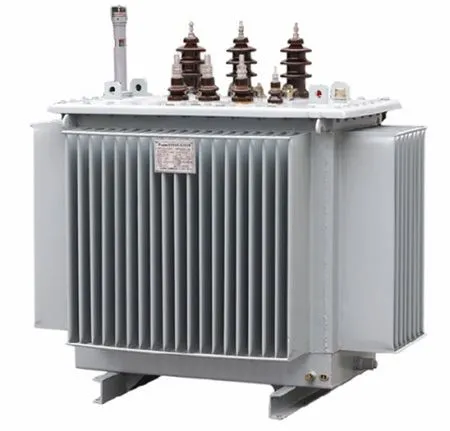
Engineers construct advanced transformer systems using high-grade silicon steel cores to enhance magnetic efficiency. Copper or aluminum windings provide controlled conductivity and reduce resistive losses. Insulation systems use heat-resistant materials to withstand continuous electrical stress. Cooling mechanisms such as oil-immersed circulation or air ventilation maintain optimal operating temperatures. For example, a 220 kv oil-immersed power transformer requires advanced thermal regulation to manage high-voltage loads safely. Structural design also focuses on minimizing core losses through laminated construction. Mechanical stability ensures reduced vibration during heavy load operation. Each component works together to improve durability, safety, and long-term efficiency under industrial conditions.

Performance Data Comparison Table of Three Phase Power Transformer Systems
| Performance Metric | Standard Efficiency Model | High Efficiency Model | Industrial Grade Model |
|---|---|---|---|
| Energy Loss Rate | 3.5% | 2.1% | 1.4% |
| Voltage Regulation | ±5% | ±3% | ±1.5% |
| Load Capacity | Moderate | High | Very High |
| Maintenance Cycle | 6 Months | 12 Months | 18 Months |
Performance Data Comparison Table of Three Phase Power Transformer Systems
The comparison table highlights efficiency differences across transformer categories used in industrial environments. High-efficiency models significantly reduce energy loss while maintaining tighter voltage control. Industrial-grade units support higher load capacity, making them suitable for continuous operations. Maintenance frequency decreases as design quality improves, reducing operational interruptions. Engineers select models based on system demand, voltage stability requirements, and long-term cost planning. These performance indicators help organizations evaluate investment decisions for electrical infrastructure upgrades. Data-driven selection improves system reliability and ensures optimal energy utilization across complex distribution networks.
Industrial Application Scenarios of Three Phase Power Transformer
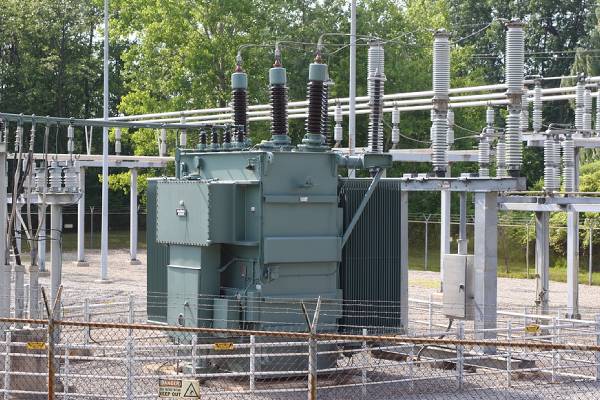
Industrial sectors rely on transformer systems for stable and scalable energy distribution. Manufacturing plants use them to power heavy machinery and automated production lines. Data centers depend on consistent voltage delivery to prevent system failures. Utility grids integrate these transformers to manage regional electricity distribution efficiently. Renewable energy systems also utilize them for voltage conversion in wind and solar installations. In medium-voltage environments, a 35 kv oil-immersed transformer supports localized distribution networks with stable performance. These applications demonstrate the versatility of transformer technology across different industrial scales. Reliable energy flow directly influences productivity and operational safety in every sector.
Operational Advantages and System Reliability of Three Phase Power Transformer
System reliability defines the performance value of industrial electrical infrastructure. A three phase power transformer maintains load stability even under fluctuating demand conditions. Engineers design phase balancing mechanisms to prevent overload on individual circuits. This improves equipment protection and reduces failure risks. Continuous operation becomes possible in environments with high energy consumption. Thermal management systems further enhance durability under long-term usage. Electrical disturbances remain minimal due to regulated voltage output. Industrial operators benefit from reduced downtime and improved production consistency. These advantages contribute to stronger infrastructure resilience in critical power systems.
Energy Loss Reduction Mechanisms in Three Phase Power Transformer Systems
Energy loss reduction remains a key engineering focus in transformer design. Core losses decrease through improved silicon steel lamination techniques. Copper losses reduce when conductors use optimized cross-sectional areas. Insulation upgrades also limit leakage currents during operation. Advanced cooling systems maintain stable internal temperatures, improving efficiency. Magnetic flux control reduces hysteresis losses across operational cycles. These combined mechanisms enhance total system performance and lower operational costs. Industrial energy savings accumulate significantly over long-term usage. Engineers continuously refine these systems to improve sustainability and reduce environmental impact in large-scale power networks.
Safety Standards and Compliance in Three Phase Power Transformer Manufacturing
Manufacturers follow strict international standards to ensure operational safety. IEC 60076 defines power transformer design, temperature rise limits, insulation coordination, and dielectric strength. IEEE C57.12.00 specifies general requirements for liquid-immersed transformers, including voltage ratings, impulse withstand levels, and short-circuit performance. IEEE C57.91 provides thermal loading guidelines for safe operation under variable load conditions. Protection systems isolate faults quickly to prevent equipment damage. Temperature monitoring devices detect overheating conditions in real time. Grounding systems enhance operator safety during maintenance procedures. Electrical enclosures reduce exposure to high-voltage components. These safety measures ensure reliable operation in industrial environments. Compliance also guarantees compatibility with global electrical infrastructure requirements. Manufacturers test each unit under controlled conditions before deployment to ensure consistent performance and reliability.
Maintenance Strategies for Long-Term Three Phase Power Transformer Efficiency
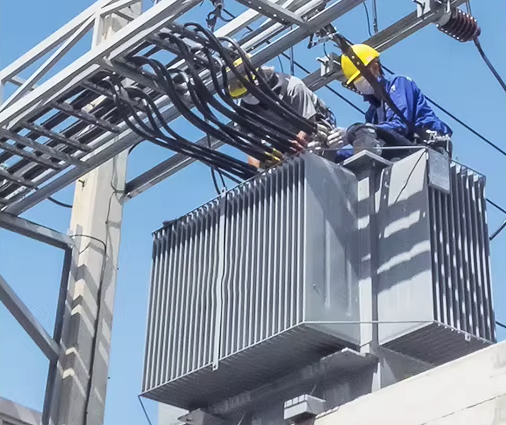
Preventive maintenance improves system longevity and operational stability. Engineers schedule regular inspections to detect insulation degradation early. Oil testing identifies contamination or moisture levels inside cooling systems. Vibration analysis helps detect mechanical imbalance within core structures. Condition-based monitoring systems provide real-time performance data for predictive maintenance. Cleaning procedures prevent dust accumulation that affects cooling efficiency. Proper maintenance reduces unexpected failures and extends service life. Industrial operators benefit from lower repair costs and improved system uptime. Maintenance planning remains essential for ensuring continuous electrical reliability.
Economic Impact and ROI of Three Phase Power Transformer Installation
Investment in transformer systems generates long-term financial returns for industrial operators. Energy efficiency reduces monthly operational expenses significantly. Reduced downtime increases production output and revenue stability. Maintenance cost savings further improve return on investment over time. System scalability allows future expansion without major infrastructure replacement. Equipment durability reduces replacement frequency, lowering capital expenditure. Financial analysis shows improved cost-to-performance ratios in large-scale deployments. These economic benefits make transformer systems essential assets in industrial development strategies.
List of Key Advantages of Three Phase Power Transformer in Industry
- High energy efficiency with reduced transmission loss
- Stable voltage regulation under varying loads
- Improved operational reliability in industrial environments
- Long service life with reduced maintenance requirements
- Scalable design for expanding power systems
- Strong compatibility with renewable energy integration
The listed advantages highlight the technical and economic value of transformer systems in modern infrastructure. Each benefit contributes to improved operational efficiency and system stability. Industries adopt these solutions to enhance productivity and reduce long-term operational risks. Engineering advancements continue to refine performance capabilities across different application scenarios.
Frequently Asked Questions
Why is a three phase power transformer more efficient than single phase systems
A three phase power transformer distributes electrical load evenly across three circuits. This balance reduces conductor heating and improves energy transfer efficiency. Engineers design phase spacing to maintain stable voltage output under heavy industrial loads. The system also reduces material usage compared to equivalent single-phase setups. Equipment operates more smoothly due to reduced electrical stress.
Industrial users experience lower energy losses and improved system reliability. These factors combine to deliver higher overall efficiency in large-scale power distribution networks.
What industries benefit most from three phase power transformer installation
Heavy industries such as steel manufacturing, chemical processing, and automotive production benefit significantly from these systems. Data centers rely on them for stable and continuous power supply. Utility companies use them for regional electricity distribution. Renewable energy plants integrate them for voltage conversion and grid compatibility. Large infrastructure projects also depend on these systems for operational stability. Each sector values reliability, efficiency, and scalability in electrical systems. These transformers support demanding operational environments with consistent performance.
How often should a three phase power transformer be maintained for optimal performance
Maintenance frequency depends on load conditions and operational environment. Most industrial systems require inspection every six to twelve months. Oil-immersed systems need periodic testing for moisture and contamination levels. Temperature monitoring helps identify early signs of overheating. Condition-based monitoring systems allow predictive maintenance scheduling. Regular servicing improves system reliability and prevents unexpected failures. Proper maintenance extends equipment lifespan and ensures consistent energy efficiency. Industrial operators should follow manufacturer guidelines for optimal performance management.