
What Are ONAN/ONAF Transformer Rating and Power Selection?
-
Understand transformer rating, ONAN/ONAF cooling stages, kVA calculation, and key rules for selecting the right transformer.
1. What Is Transformer Rating?
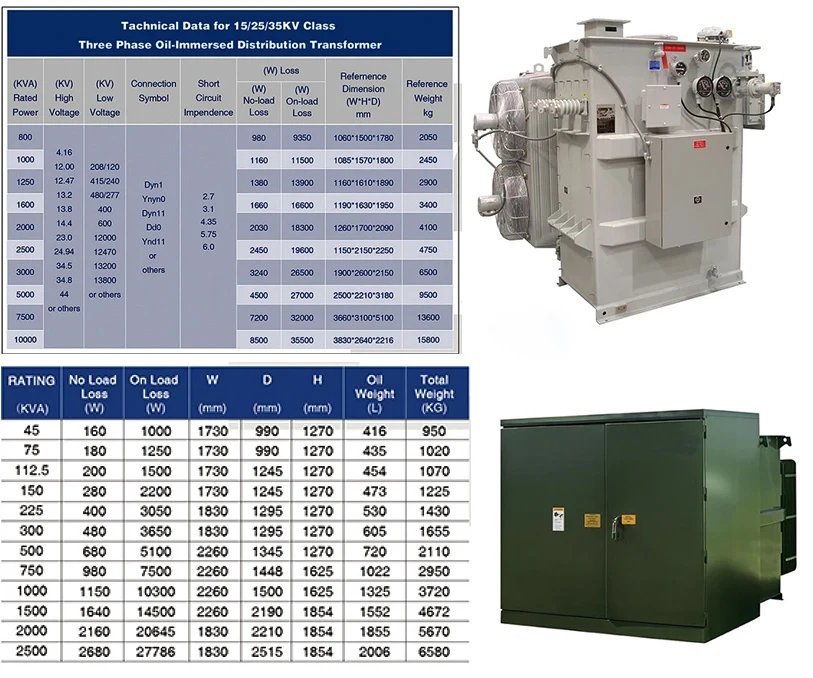
Transformer rating defines the maximum load a unit can handle under stable temperature conditions. The rating reflects the heat level that the windings and insulation can endure while the device runs at full output. It guides correct equipment selection across both distribution networks and large industrial grids. Heat rises when load increases, and that heat limits the performance boundary of every design. The rating helps users avoid overload events that shorten insulation life. It also supports grid planners who must match supply and demand in many operating conditions. The value appears in kVA or MVA because both formats track the total apparent power. This method keeps the rating stable even when power factor changes due to system behavior. It also gives designers a uniform way to compare different models and sizes.
2. How to Choose the Transformer Power Rating?
Selecting the correct rating requires an analysis of the target load, the surge range, and the ambient temperature. A design should run at a load near 70% to 85% during regular use to support life extension. High ambient temperatures reduce heat dissipation and increase internal stress. A safe rating helps a unit maintain stable service even during seasonal load peaks. Voltage conditions and local grid rules also affect the choice because they change insulation requirements. The rating must also support short-term surge tolerance because many systems drive motors or compressors. Those loads produce spikes that need strong thermal capacity.
Distribution Transformer
Distribution transformers work near consumer endpoints, and they must support steady low-to-medium voltage output under constant cycles. Designers use kVA values that match daily consumption patterns. Ratings such as 25 kVA, 50 kVA, and 100 kVA appear often in residential zones. These units must resist environmental factors like humidity, dust, and temperature shock. They also need stable voltage regulation because small drops affect user electronics. A correct rating gives the system smoother voltage delivery and lower loss under long daily operation.

Large Power Transformer
Large power transformers support bulk transmission and must match wide output ranges. Their designs include stronger insulation, higher clearances, and advanced cooling systems. Ratings usually reach several MVA or tens of MVA. These units supply heavy industrial lines, renewable energy grids, or utility transmission corridors. A correct rating protects equipment from overheating during long service cycles. The correct value also supports grid stability during switching events, faults, or seasonal load transitions.
3. Transformer Rating Chart
| Transformer Type | Typical Rating | Voltage Class |
|---|---|---|
| Distribution | 25–500 kVA | ≤34.5 kV |
| Medium Power | 500 kVA–5 MVA | ≤69 kV |
| Large Power | 5–500 MVA | ≥69 kV |
Transformer Rating Chart Summary
The chart above shows the rating ranges for major transformer groups. Each group supports a different point in the electrical chain. The ranges guide engineers who must set load levels across several grid points. Voltage class also matters because insulation design changes across different ranges. A correct chart reference prevents mismatch between conductor sizes and transformer output. It also keeps losses within a target range for long-term operation.
4. What Is the ONAN ONAF Transformer Rating?
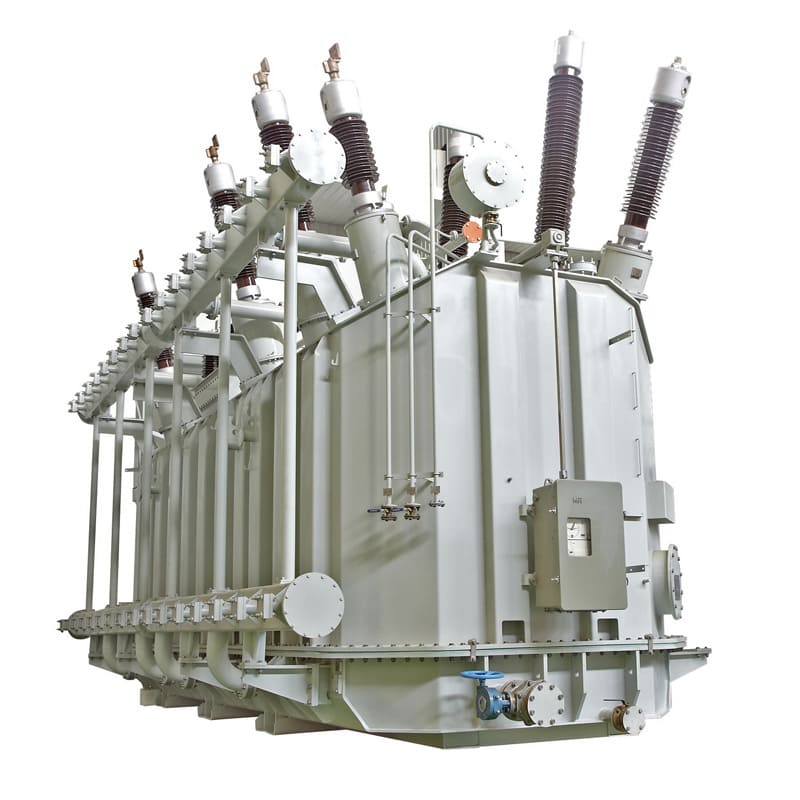
The ONAN and ONAF rating structure describes cooling stages inside oil-immersed units. ONAN uses natural oil circulation and natural air flow. Heat moves through natural convection loops inside the tank. ONAF uses forced air to expand cooling when load rises. Both methods control temperature, but ONAF supports higher performance output.
ONAN Transformer Rating
ONAN reflects the first stage of cooling. Oil moves by natural convection, and heat flows outward under ambient air conditions. The design supports stable use under normal daily loads. It also reduces noise because no forced fans operate during this stage.
ONAF Transformer Rating
ONAF adds forced cooling fans. Oil still circulates naturally, but fans push air across the radiator fins. This action increases heat removal and boosts rating. It also supports emergency loads because the unit can handle short bursts of higher output.
OFAF Transformer Rating
OFAF adds pumps that force oil flow through the radiators. This structure supports much higher MVA values. It also lowers hotspot temperatures under heavy industrial use.
Kerun 44 kV 5/6.667 MVA ONAN ONAF Power Transformer
| Parameter | Value |
|---|---|
| Voltage Level | 44 kV |
| ONAN Rating | 5 MVA |
| ONAF Rating | 6.667 MVA |
| Cooling Type | ONAN/ONAF |
Kerun Cooling Stage Summary
The table shows how cooling stages affect the rating of a single model. The ONAF stage increases the allowable load because forced air removes heat faster. The cooling combination helps users who need stable service during load peaks. It also supports grid planners who handle seasonal pressure and emergency switching events.
5. Why Transformer Rating Is in kVA Not in kW?
Transformers handle voltage and current, but they do not set power factor. Power factor depends on the load attached to the secondary side. Using kVA gives a constant rating independent of load behavior. This method helps designers calculate copper loss and core loss. It also gives operators a clear reference when they face load conditions that shift due to motors or inverter systems. A kW rating would change when the power factor changes. A kVA rating stays constant under all load profiles and makes comparison easier.
6. How Do You Find the kVA Rating of a Transformer?
The kVA rating appears on the nameplate of every model. The value combines voltage and current across the windings. Operators must read both primary and secondary values because each side carries a unique voltage level. Manufacturers also include cooling stages on the nameplate because each stage supports a different rating. Users should review all stages before setting load levels. This review helps avoid overload under heavy seasonal use.
7. How to Calculate the kVA Rating of the Transformer?
The kVA rating uses basic power formulas. These formulas compare voltage and current under set conditions.
Single-phase kVA Formula
Formula:
S(kVA) = (V × I) / 1000
Three-phase kVA Formula
Formula:
S(kVA) = (√3 × V × I) / 1000
| Phase Type | Voltage | Current | kVA Output |
|---|---|---|---|
| Single-Phase | 240 V | 100 A | 24 kVA |
| Three-Phase | 480 V | 50 A | 41.6 kVA |
kVA Calculation Summary
The table shows how voltage and current combine to form the final rating. Single-phase designs support simple residential networks, while three-phase units support heavy industrial loads. Correct use of formulas helps operators confirm system limits. It also prevents excess heat during peak demand cycles.
8. What Are the Standard Ratings of Transformers?
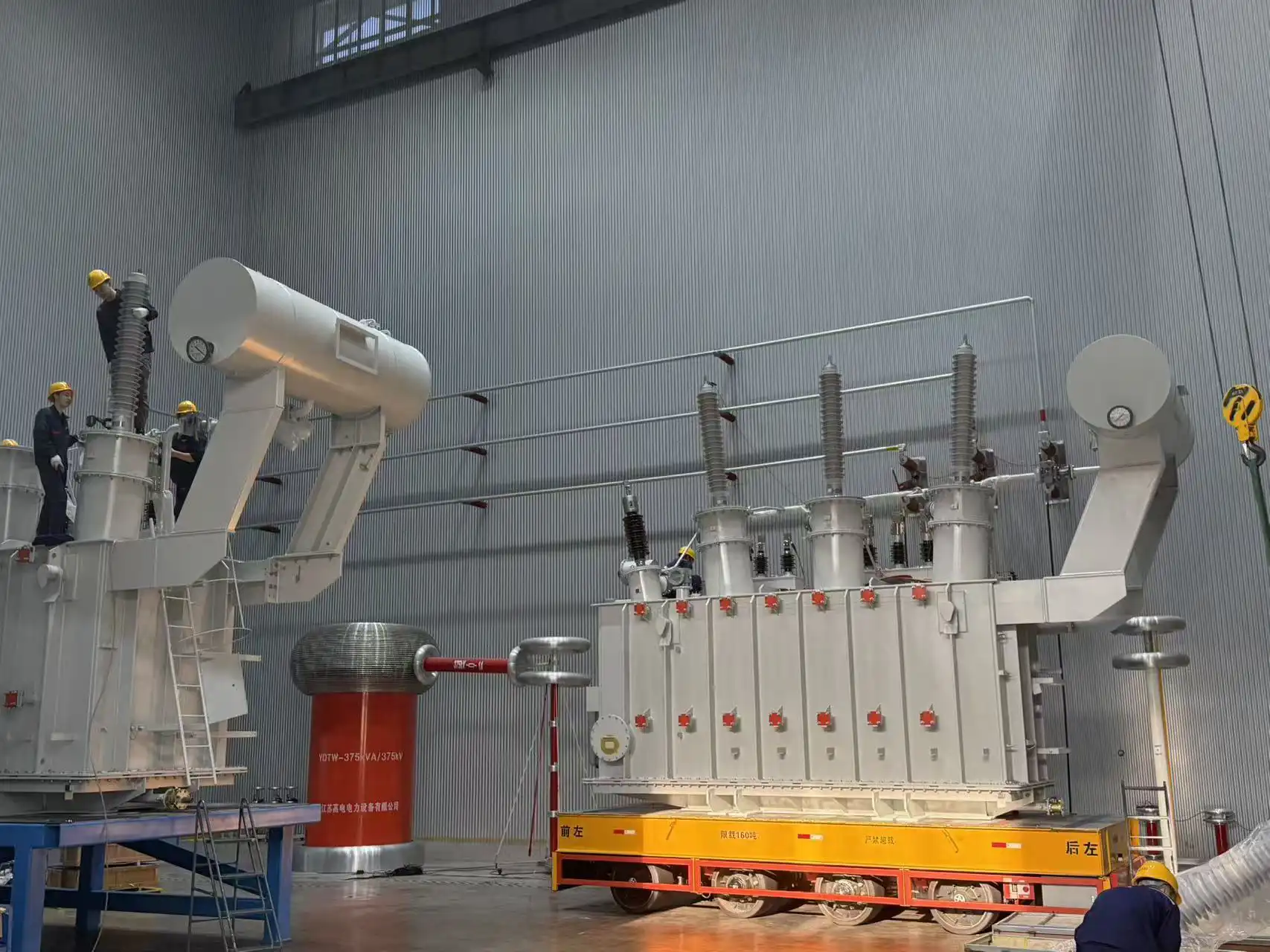
Multiple regions keep standard kVA and MVA scales to support compatibility. These standards help manufacturers align designs with utility rules. They also help grid planners distribute load evenly. A regular pattern also simplifies replacement when a unit reaches its life limit.
MVA Transformer Rating Standard for Single-Phase Transformers
| MVA Level | Typical Use |
|---|---|
| 1–5 MVA | Small industrial |
| 5–20 MVA | Medium grid support |
| 20–100 MVA | Utility transmission |
Transformer Rating Standard Summary
Standard rating levels allow smooth integration across grid zones. Consistent numbers help manufacturers maintain uniform design clearances. The structure also supports long-term planning for expansions and equipment upgrades.
9. What Is the Rating of the 11 kV Transformer?
11 kV systems appear in local distribution grids. These systems support both small industrial loads and commercial zones. The rating depends on phase design and cooling method. Load demand also affects the final choice because some zones face higher seasonal peaks.
Single-Phase Type
Single-phase 11 kV units appear near rural or low-density regions. Ratings range from 25 kVA to 250 kVA. These units must support long lines that face voltage drops. The correct rating helps reduce loss under long delivery paths.
Three-Phase Model
Three-phase 11 kV models support commercial facilities and industrial parks. Ratings start at 100 kVA and reach up to 2.5 MVA. The rating depends on motor load density and surge behavior. The correct rating ensures stable voltage during start cycles.
10. How Can I Know If a Transformer Has a kVA Rating?
Every certified unit includes a nameplate that lists its kVA output. The nameplate includes key details such as voltage, current, cooling type, impedance, and frequency. The label ensures compliance with industry rules. It also helps technicians install and maintain the system. The rating gives planners a direct way to verify whether the model fits the target zone.
11. Exactly How Efficient Can a Transformer Be?
Modern transformers reach high efficiency because they use improved core materials and advanced winding structures. Efficiency rises when losses remain low across all load levels. Copper loss comes from the current running through the windings. Core loss comes from magnetizing the steel core. Both factors shape the final efficiency. Higher ratings require stronger core designs that maintain stability during long runs.
12. How To Increase The Efficiency And Power Transformer Rating Of Transformers?
Engineers can increase efficiency by using better core steel and thicker conductors. Cooling systems also raise performance because they control hotspot temperatures. Operators can raise efficiency by reducing harmonics and improving system voltage. Stable voltage reduces stress on the windings. Clean connections also support greater efficiency because they reduce joint heating. Regular maintenance keeps parts in strong condition and protects the insulation from damage.
List of Key Methods to Increase Efficiency
-
Improve core material quality
-
Use thicker copper or aluminum conductors
-
Enhance cooling systems
-
Reduce harmonic distortion
Efficiency Improvement Summary
The list shows basic methods that increase system life and reduce total loss. Better materials increase the performance margin during long load cycles. Improved cooling stabilizes temperature and protects insulation. Reduced harmonics keep currents smooth and reduce heat at sensitive points.
13. What Is the Difference Between Single-Phase and Three-Phase kVA Ratings?
Single-phase ratings support simple networks and lower total load. Three-phase ratings support heavier loads because the three winding sets share current evenly. This structure increases thermal capacity and yields higher kVA performance. It also gives smoother voltage because three-phase power maintains stable waveforms. The correct rating choice depends on the type of load and the scale of the electrical network.
14. Why Choose Kerun Intelligent Control Transformer?
Kerun produces advanced transformer solutions with strong focus on stable output and long service life. The designs include premium insulation systems, high-grade core steel, and effective cooling structures. Kerun also offers flexible rating options that support both distribution and industrial networks. The manufacturing process uses strict quality control at each stage. This process helps users operate with lower risk and higher safety margins. Kerun also provides strong technical support for custom rating needs and advanced grid applications.

FAQ
1. How do I select the correct kVA rating for a new installation?
You must match the kVA rating with the expected load and the ambient temperature range. A system that runs near 70% to 85% of its rated value achieves better life performance. Seasonal conditions also influence the choice because heat rises when current increases. Strong cooling systems support higher ratings and longer service cycles. Surge loads matter because they produce heat spikes, especially in compressors or motors. A correct rating protects insulation, stabilizes voltage, and maintains service quality for many years.
2. Why does the rating increase when the transformer shifts from ONAN to ONAF cooling?
The ONAF stage adds forced air flow through external fans. These fans increase heat removal from the radiator fins and stabilize oil temperature even under high load. Natural convection in ONAN mode limits heat transfer because it relies on slow oil movement. Forced air changes that limit and expands the safe load boundary. The ONAF stage supports higher kVA because heat leaves the system more rapidly. This structure helps industrial grids that face heavy surge cycles or long peak periods. The change also protects winding insulation from harmful hotspots.
3. How do I verify that a transformer is operating within its safe rating?
You must monitor temperature rise, oil level, cooling stage status, and load percentage. Temperature readings show whether internal heat stays within limits. Oil level indicates whether cooling works as designed. The load percentage confirms if the system is close to its thermal boundary. Modern units also include sensors that track winding temperatures. Readings from these sensors help detect early issues before they grow into failures. Regular checks keep the system stable and prevent overload events that shorten insulation life.