
What Are Dry Type Triplex Transformers Used For in Power System
-
Dry type triplex transformers use three single-phase units to deliver flexible, safe, and reliable power for modern distribution systems.
What Is a Dry Type Triplex Transformer?
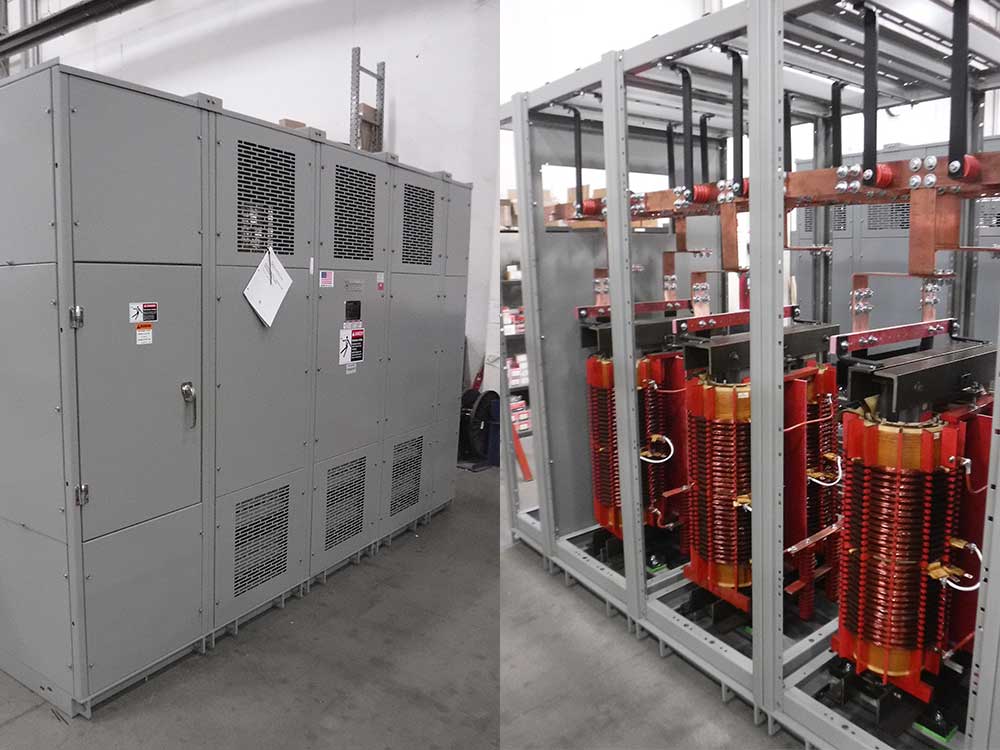
A dry type triplex transformer consists of three single-phase transformers working together. Each unit shares a coordinated electrical relationship. This structure supports balanced three-phase power delivery. Dry insulation replaces liquid cooling media entirely. That feature improves fire safety and environmental compatibility. Triplex designs appear frequently in North American power systems. Utilities favor them for flexibility and redundancy. Each phase operates independently while supporting system balance. This arrangement allows partial operation during maintenance. Engineers value triplex transformers for adaptable installation planning. Compared with integrated three-phase units, triplex designs offer structural independence and simplified replacement.
How Does the Triplex Configuration Work Electrically?
Electrical coordination defines triplex transformer performance. Each single-phase unit handles one phase of the system. Together, they form a complete three-phase supply. Voltage balance depends on precise winding design. Load distribution remains stable under symmetrical conditions. Phase separation reduces magnetic coupling interference. This design improves fault isolation capability. If one unit requires service, others may remain operational. Electrical protection schemes also benefit from this separation. Engineers often select triplex designs where system continuity matters. Proper specification alignment ensures synchronized performance across all three units.
Why Are Dry Type Triplex Transformers Chosen Over Integrated Units?
Triplex transformers offer structural flexibility unavailable in integrated designs. Transportation becomes easier due to reduced unit weight. Installation planning adapts better to confined spaces. Maintenance operations affect only one phase at a time. This approach minimizes downtime impact. Fire safety improves through oil-free insulation. Indoor installations benefit from reduced environmental risk. Triplex configurations also support phased capacity upgrades. Utilities often expand systems incrementally using this design. These advantages make triplex transformers attractive in distribution networks.
Where Are Dry Type Triplex Transformers Commonly Installed?
Dry type triplex transformers serve diverse applications across power systems.
-
Residential distribution networks
-
Commercial buildings and campuses
-
Light industrial facilities
-
Utility substations
These environments demand reliability and installation flexibility. Residential areas value fire safety and low maintenance. Commercial sites require adaptable layouts. Industrial users prioritize phase-level serviceability. Utilities depend on redundancy and operational continuity. Triplex designs align well with these requirements through modular structure and dry insulation benefits.

How Do Dry Type Triplex Transformers Compare With Three-Phase Units?
The structural distinction between triplex and three-phase transformers influences performance and maintenance.
| Aspect | Triplex Transformer | Three-Phase Transformer |
|---|---|---|
| Structure | Three single-phase units | Integrated core |
| Maintenance | Phase-level servicing | Full unit servicing |
| Flexibility | High | Moderate |
| Transportation | Easier | More complex |
Triplex designs simplify logistics and servicing. Integrated units often offer higher efficiency in compact footprints. Selection depends on site constraints and operational priorities. Engineers weigh flexibility against space and efficiency requirements.
What Are the Technical Characteristics of Dry Type Triplex Transformers?
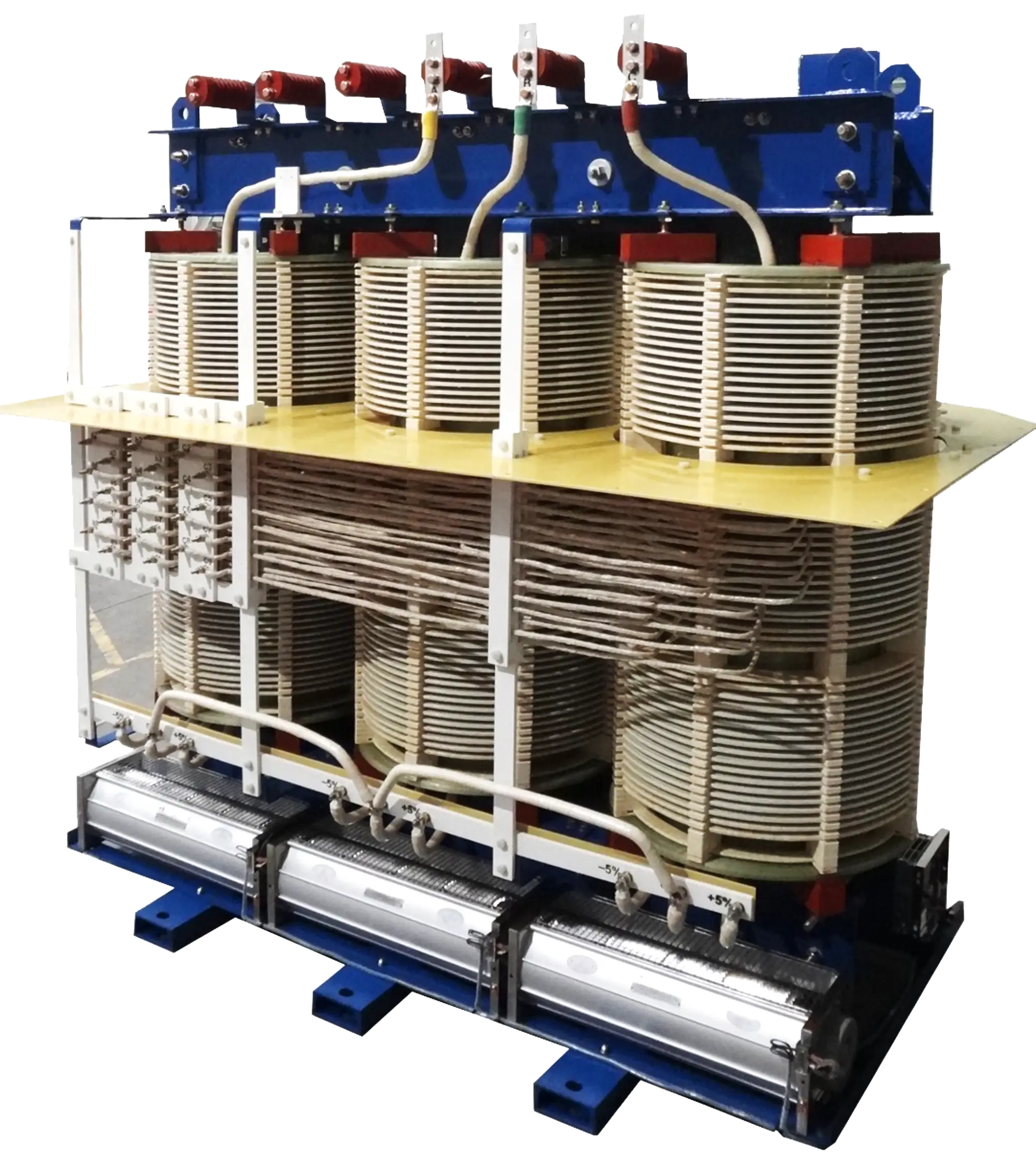
Dry type triplex transformers share core characteristics with other dry units. Insulation systems typically use Class F or Class H materials. Cooling relies on natural or forced air circulation. Voltage ratings align with medium and low voltage distribution levels. Each unit maintains identical electrical parameters. Synchronization ensures balanced phase operation. Mechanical enclosures provide environmental protection. Noise levels remain suitable for indoor installations. These characteristics support stable performance across varied applications.
How Do Triplex Transformers Affect System Reliability?
Reliability improves through structural independence. Phase-level isolation limits fault propagation. Maintenance planning becomes more flexible. Operators can service one unit while maintaining partial supply. This capability reduces outage duration. Redundancy enhances resilience in distribution networks. Dry insulation reduces fire-related risk factors. Together, these features strengthen system reliability. Utilities often select triplex designs for critical loads requiring continuity.
What Are the Limitations of Dry Type Triplex Transformers?
Triplex transformers also present certain limitations. Installation footprint may exceed integrated units. Initial cost per kVA can appear higher. Efficiency may vary depending on load balance. Coordination requires careful specification alignment. Space planning becomes critical in compact substations. Despite these factors, many projects still favor triplex designs. Engineers assess trade-offs based on project priorities. Proper evaluation ensures optimal system integration.

How Do Specifications Influence Triplex Transformer Selection?
Specification accuracy plays a crucial role in triplex selection. Each unit must share identical ratings. Voltage balance depends on winding consistency. Cooling capacity affects overall system output. Insulation class determines thermal endurance. Standards compliance ensures compatibility with grid requirements. Poor specification alignment risks imbalance and overheating. Buyers must review technical documentation carefully. Reliable manufacturers provide clear specification data and customization support.
Why Choose Kerun for Dry Type Triplex Transformers?
Kerun manufactures dry type triplex transformers with precise engineering control. Design teams customize electrical and mechanical parameters. Production processes ensure consistency across all three units. International standards guide testing and quality assurance. Kerun supports diverse project environments worldwide. Technical teams assist with specification review and system integration. This capability ensures reliable triplex transformer performance throughout service life.
How Will Triplex Transformer Applications Evolve?
Urban expansion and grid modernization increase demand for flexible solutions. Triplex transformers support modular infrastructure growth. Dry insulation aligns with stricter environmental standards. Smart monitoring integration will enhance phase-level visibility. Future designs will emphasize efficiency and resilience. Manufacturers with strong R&D capacity will lead this evolution. Triplex configurations will remain relevant in adaptive power systems.
Why Do Dry Type Triplex Transformers Remain Strategically Important?
Triplex transformers address reliability, safety, and flexibility simultaneously. Modular structure supports operational continuity. Dry insulation reduces environmental and fire risks. Phase-level independence simplifies maintenance planning. These advantages sustain long-term relevance. Utilities and commercial users continue adopting this design. Strategic selection improves system stability and lifecycle performance.
FAQ
Are dry type triplex transformers suitable for indoor installations?
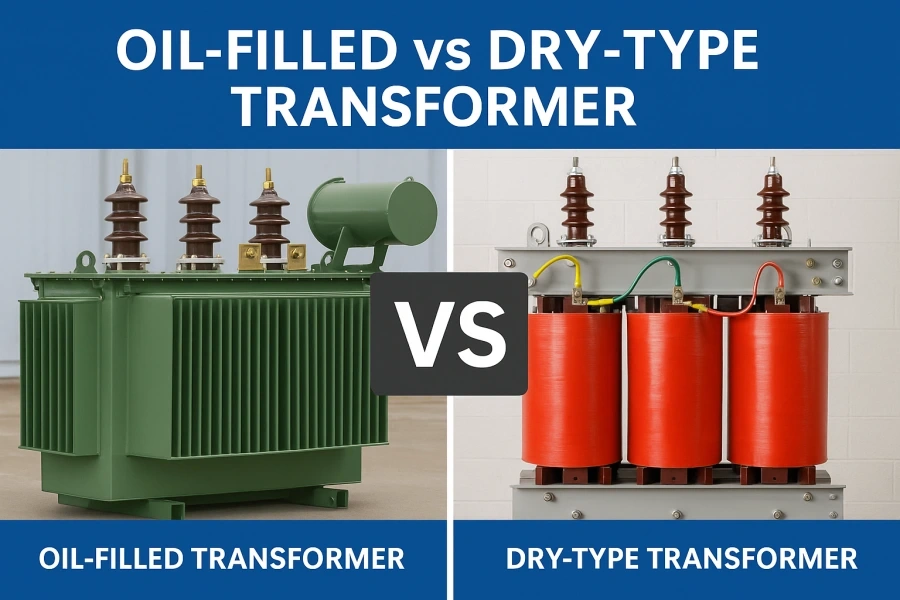
Dry type triplex transformers suit indoor installations very well. Oil-free insulation reduces fire hazards significantly. Ventilation requirements remain manageable with air cooling. Noise levels meet commercial building standards. Modular structure allows flexible placement. Indoor substations benefit from reduced environmental risk. Proper enclosure selection enhances protection. Engineers often choose triplex designs for buildings with strict safety codes. These characteristics support widespread indoor use across industries.
How do triplex transformers improve maintenance planning?
Triplex transformers simplify maintenance through phase-level servicing. Each unit operates independently within the system. Maintenance crews can isolate one phase without full shutdown. This approach reduces downtime impact. Spare unit replacement becomes easier. Inventory management also improves. Utilities appreciate reduced operational disruption. Planned maintenance schedules gain flexibility. These benefits contribute to higher system availability.
Are dry type triplex transformers more expensive than three-phase units?
Initial cost comparisons depend on project scale. Triplex transformers may show higher unit cost per kVA. However, lifecycle cost often balances this difference. Reduced downtime lowers operational losses. Maintenance efficiency reduces service expense. Transportation and installation flexibility also save cost. When evaluated over long service life, triplex designs often deliver competitive value.