How To Choose Single Phase Distribution Transformer?
-
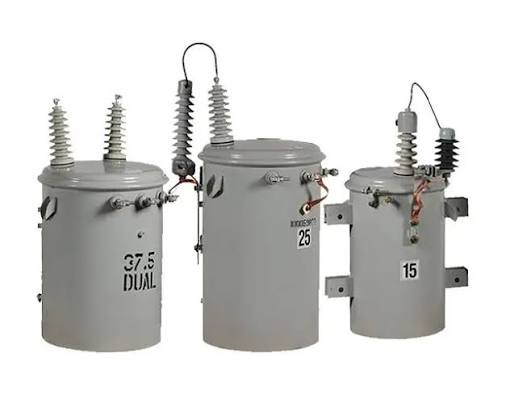
Single phase distribution transformer selection depends on oil cooling, insulation stability, voltage control, and industrial load capacity.
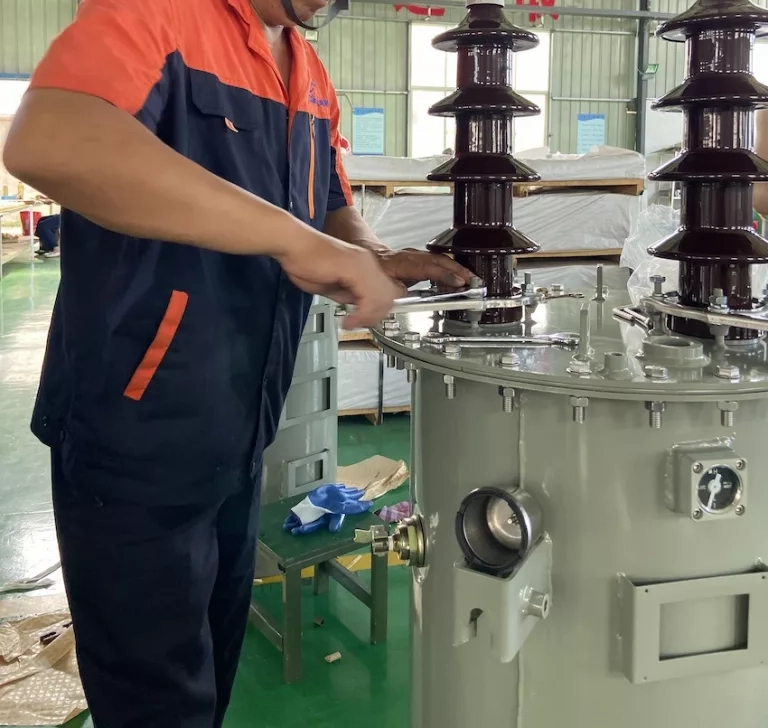
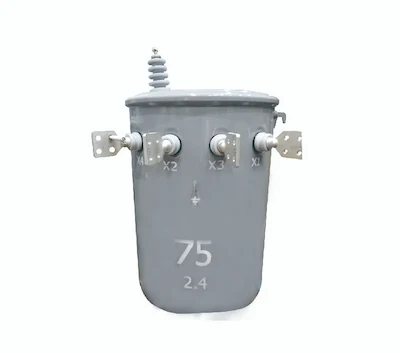
Industrial facilities require stable voltage during continuous production cycles. A single phase distribution transformer often supports lighting systems, control cabinets, and medium industrial equipment. Oil-immersed structures deliver stronger cooling performance than dry-type alternatives. Mineral oil transfers internal heat away from winding assemblies efficiently. Stable cooling reduces insulation aging during heavy operating periods. Manufacturers also prefer compact oil tank structures for outdoor installations. Corrosion-resistant coatings improve equipment durability in humid industrial zones. Many utility projects select oil-filled systems for long transmission distances. Proper transformer sizing reduces harmonic stress across connected devices. Reliable electrical performance supports automated manufacturing environments effectively. Industrial buyers usually compare load loss, impedance values, and insulation strength carefully. Technical procurement teams also evaluate future expansion demands before final approval.
Single Phase Distribution Transformer Load Planning
Electrical engineers calculate transformer capacity from connected operational loads. Production lines often create temporary startup current surges during activation. Continuous loads require accurate thermal margin calculations before equipment selection. A single phase distribution transformer should maintain stable voltage during peak demand periods. Many factories reserve additional capacity for future production expansion plans. Oversized transformers may increase unnecessary operating losses over time. Smaller units often experience accelerated insulation degradation during overload conditions. Procurement teams normally review demand curves from previous operational records. Voltage imbalance may damage motors, drives, and precision control devices. Several industrial plants use smart monitoring systems for load analysis. Engineering teams also inspect ambient temperature before final transformer selection. Oil circulation efficiency changes slightly under high environmental temperatures. Stable sizing decisions improve operational continuity across industrial distribution networks.
Core Materials And Winding Structure Selection
Transformer efficiency strongly depends on core material quality and winding construction. Cold-rolled silicon steel reduces magnetic loss during voltage transformation cycles. High magnetic permeability supports lower no-load energy consumption levels. Copper windings provide stronger conductivity than aluminum winding alternatives. Many industrial operators prefer copper because thermal resistance remains relatively stable. Winding geometry also affects short-circuit resistance during sudden current fluctuations. Mechanical support structures prevent winding displacement under electromagnetic stress conditions. Several manufacturers apply vacuum drying processes before oil filling operations. Moisture removal improves dielectric strength inside insulation systems significantly.
Advanced production facilities conduct impulse voltage testing before shipment approval. Some power stations integrate 110 kV Oil-Immersed Power Transformer systems into regional distribution infrastructure. Proper core clamping pressure also minimizes vibration and operational noise during service.
Cooling Systems And Insulation Performance
Oil-immersed cooling systems support reliable thermal control under demanding operating conditions. Transformer oil absorbs heat from windings and magnetic core assemblies. Radiator fins release accumulated heat through natural air circulation processes. Forced cooling systems improve thermal stability during high-capacity industrial operations. Cellulose insulation paper protects conductors from electrical discharge damage effectively. Manufacturers often select thermally upgraded insulation materials for longer operational life. Dielectric oil quality directly affects insulation reliability and operational safety. Regular oil testing identifies moisture contamination before severe failures develop internally. Many industrial facilities perform dissolved gas analysis during scheduled inspections. IEC 60076 standards define transformer temperature rise and dielectric testing procedures clearly. ANSI C57 standards also specify insulation coordination and overload performance requirements precisely. Consistent cooling performance lowers maintenance frequency across industrial distribution systems substantially.
| Cooling Method | Heat Dissipation Efficiency | Maintenance Demand | Industrial Application |
|---|---|---|---|
| ONAN | Moderate | Low | Light industrial systems |
| ONAF | High | Medium | Manufacturing facilities |
| OFAF | Very High | Higher | Heavy industrial plants |
Cooling Method Selection For Industrial Operations
Cooling method selection influences long-term operational reliability and maintenance costs. ONAN systems use natural oil and air circulation during operation. These systems support moderate industrial loads with simpler structural designs. ONAF systems add forced airflow through external cooling fan assemblies. Additional airflow improves temperature stability during extended heavy-load conditions. Large industrial sites often require stronger cooling performance during summer periods. OFAF systems circulate oil mechanically through external heat exchange structures. Advanced cooling improves insulation stability during continuous operational cycles. Maintenance teams monitor pump performance and oil pressure regularly. Cooling selection also affects transformer installation footprint and operational noise levels. Several export projects specify advanced cooling systems for tropical climates. Reliable thermal management protects winding insulation from accelerated degradation over time.
Voltage Stability And Energy Efficiency Standards
Voltage regulation performance affects industrial equipment stability and production consistency significantly. Rapid voltage fluctuations may damage automation systems and electronic control modules. Engineers normally inspect impedance values during transformer specification evaluation procedures. Lower energy losses reduce operational expenses throughout long service periods. Energy-efficient transformers support sustainability targets across industrial manufacturing sectors effectively. Many suppliers provide certified efficiency reports during project bidding procedures. Load loss values increase when conductors experience excessive operating temperatures. Proper conductor sizing limits thermal buildup during continuous industrial usage. Modern transformer factories use automated winding equipment for production accuracy. Some regional utilities deploy 66 kV Oil-Immersed Power Transformer equipment within expanding infrastructure projects. Consistent voltage output improves operational reliability across automated industrial facilities. Stable efficiency performance also supports long-term investment planning strategies.
| Transformer Capacity | Typical Voltage | Efficiency Range | Recommended Industry |
|---|---|---|---|
| 50 kVA | 11 kV | 96% | Commercial facilities |
| 200 kVA | 22 kV | 97% | Processing workshops |
| 500 kVA | 35 kV | 98% | Industrial production plants |
Installation Conditions For Single Phase Distribution Transformer
Environmental conditions strongly affect transformer reliability and insulation durability. A single phase distribution transformer installed outdoors requires corrosion-resistant protective coatings. Coastal facilities often experience severe humidity and airborne salt contamination. Corrosive environments accelerate tank degradation and external connector oxidation processes. Elevated ambient temperatures also influence transformer oil aging speed considerably. Industrial buyers usually inspect enclosure sealing structures before procurement decisions. Concrete foundations should support equipment weight and vibration resistance properly. Adequate ventilation prevents excessive heat accumulation around cooling radiators efficiently. Installation zones must remain clear from combustible industrial materials continuously. Grounding systems protect equipment from lightning and switching surge damage.
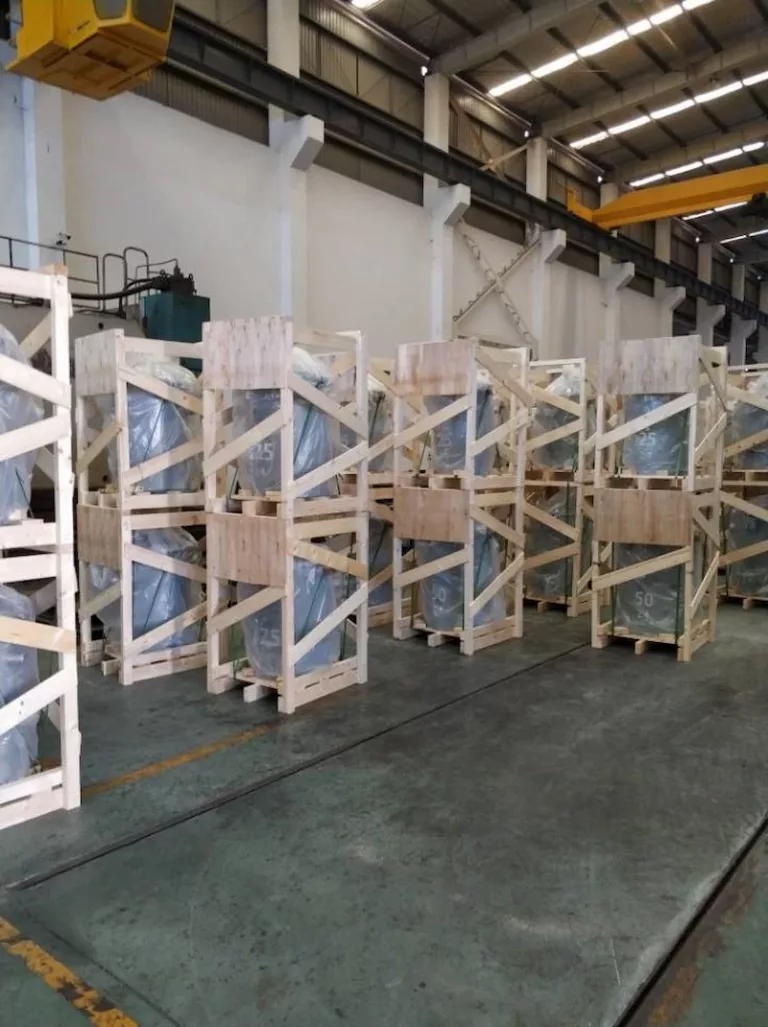
Cable routing layouts also influence operational safety and maintenance accessibility. Careful environmental planning reduces unexpected shutdown risks across industrial projects substantially.
Supplier Evaluation And Factory Qualification
Industrial procurement teams evaluate supplier capability before large-scale purchasing agreements carefully. Factory audits normally inspect winding workshops and testing laboratory conditions. Experienced manufacturers maintain traceable production records for each transformer unit. Quality systems should comply with recognized international industrial certification standards. Buyers often request short-circuit testing reports before project approval stages. Reliable suppliers also provide detailed installation and maintenance documentation packages. Technical response speed influences project coordination efficiency during urgent schedules. Export projects require stable logistics management and protective packaging procedures. Some suppliers maintain dedicated engineering teams for customized industrial applications. Procurement managers also review historical operational performance from previous installations. Financial stability remains important for long-term maintenance support agreements globally. Strong supplier partnerships improve equipment reliability across industrial power distribution systems.
Testing Standards For Single Phase Distribution Transformer
Testing procedures verify operational safety before industrial transformer commissioning activities begin. A single phase distribution transformer normally undergoes routine dielectric and ratio testing procedures. Temperature rise testing confirms cooling performance during continuous operational loading conditions. Partial discharge inspection identifies insulation defects inside winding assemblies early. Oil sampling procedures evaluate moisture concentration and dissolved gas content carefully. Acoustic testing also measures operational vibration and transformer noise levels accurately. Industrial operators often request factory acceptance testing before shipment authorization stages. Several utility projects additionally require third-party laboratory verification documentation. Reliable testing procedures reduce commissioning delays across complex industrial projects. Consistent inspection schedules also improve long-term operational stability significantly. Detailed technical records support maintenance planning and future replacement strategies. Strong testing standards protect industrial facilities from unexpected electrical system failures.
Common Procurement Errors And Long-Term Maintenance
Many industrial projects experience failures because procurement planning remains incomplete initially. Some buyers focus only on equipment pricing during supplier evaluation stages. Low-cost products sometimes contain inferior insulation or unstable winding materials. Inadequate cooling structures may accelerate internal thermal degradation during operation. Maintenance schedules should include regular oil analysis and seal inspections. Engineers often inspect dissolved gas content during preventive maintenance programs. Oil filtration procedures remove moisture and oxidation contaminants from insulation systems. Routine inspection also identifies loose connectors and abnormal vibration conditions early. Industrial facilities normally maintain spare gasket sets for emergency repairs. Proper maintenance planning extends transformer lifespan and operational efficiency considerably. Long-term service agreements also improve technical response speed during unexpected failures. Careful maintenance investment reduces operational interruption costs across industrial production environments.
FAQ
What capacity should industrial facilities choose?
Industrial facilities should calculate transformer capacity from actual operational demand levels. Engineers usually review startup currents and continuous operating loads together. Additional reserve capacity supports future production expansion requirements effectively. Excessive oversizing increases no-load losses and operating expenses unnecessarily. Smaller transformers often experience accelerated insulation degradation during overload conditions. Manufacturing facilities normally analyze historical consumption data before equipment procurement decisions. Ambient temperature also affects transformer thermal performance during continuous operation periods. Facilities using automated systems require stronger voltage stability during peak production cycles. Technical teams should compare impedance values, cooling methods, and efficiency ratings carefully. Reliable sizing improves operational continuity and protects connected electrical equipment from instability. Accurate load planning also lowers maintenance frequency across industrial distribution systems.
How does oil cooling improve transformer reliability?
Oil cooling improves thermal management inside industrial transformer structures significantly. Transformer oil absorbs heat from winding assemblies and magnetic core materials. Efficient heat transfer lowers insulation aging during continuous heavy-load operation periods. Stable internal temperatures reduce mechanical stress across winding support structures effectively. Oil also improves dielectric insulation between energized conductive components continuously. Many industrial operators perform dissolved gas analysis for preventive maintenance purposes. Regular oil testing identifies moisture contamination before serious failures develop internally. Cooling radiators release accumulated heat through natural or forced airflow circulation. Advanced cooling systems support stable operation during demanding industrial production schedules. Reliable thermal performance extends transformer service life and reduces unexpected operational interruptions. Proper oil maintenance also improves electrical safety across industrial power distribution networks.
Which certifications matter for export projects?
Export projects usually require compliance with recognized international technical standards globally. IEC certification remains important for voltage performance and insulation coordination verification. ANSI standards also define temperature rise and electrical testing requirements clearly. Many industrial buyers request factory acceptance testing before shipment authorization procedures begin. Third-party inspection reports improve procurement confidence during large infrastructure projects significantly. Environmental compliance documentation may support customs clearance within regulated markets efficiently. Manufacturers often provide short-circuit testing records for industrial project evaluations. Utility companies frequently inspect transformer efficiency reports before procurement approval stages. Reliable suppliers maintain traceable production records for exported transformer equipment consistently. Technical certifications also improve long-term operational confidence across industrial distribution systems. Comprehensive compliance documentation supports smoother installation and commissioning processes internationally.