
Steps In Power Transformer Manufacturing Process
-
Learn the steps involved in power transformer manufacturing, including material selection, assembly, testing, and final inspection.
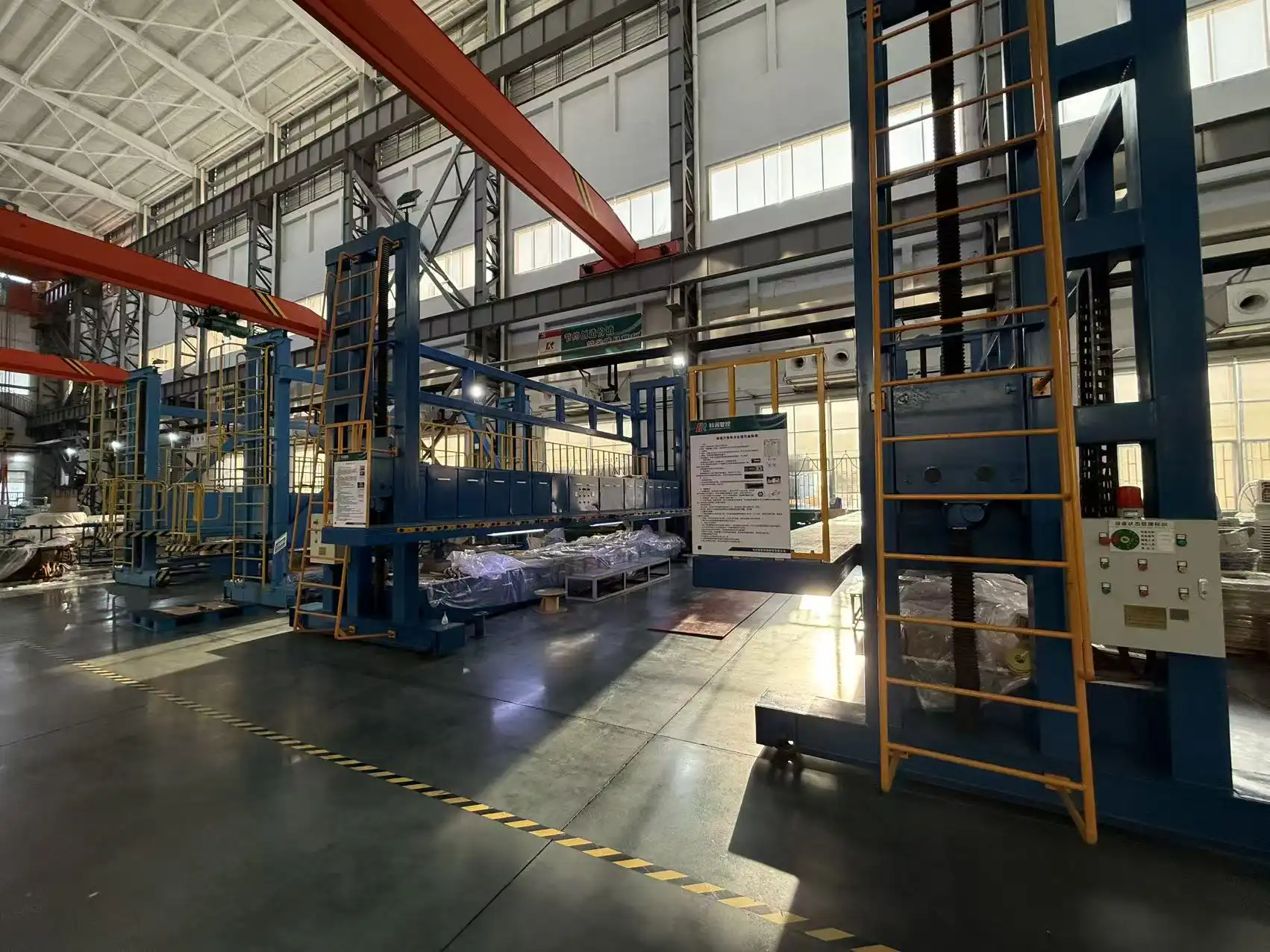
The power transformer manufacturing process involves transforming raw materials into crucial electrical components for the grid. This highly specialized procedure requires precision and care. It ensures that each transformer performs effectively and reliably in various environments. Quality control remains a top priority throughout the manufacturing stages to guarantee that the final product meets industry standards and customer requirements.
What Are The Components Of The Transformer Assembly Process?
The transformer assembly relies on several critical components, each playing an essential role in the transformer’s function. These parts include:
-
Magnetic Core: Directs the magnetic flux through the transformer.
-
Primary and Secondary Windings: Facilitate voltage conversion between circuits.
-
Insulation: Prevents electrical leakage, ensuring safety.
-
Cooling Systems: Manage the temperature and prevent overheating.
-
Protective Devices: Safeguard against faults.
-
Bushings: Enable safe external electrical connections.
Each component must be meticulously installed to ensure proper transformer operation.
What Materials Are Used In Power Transformer Manufacturing Process?
Power transformers require high-quality materials that can withstand electrical and thermal stresses. These materials impact the transformer’s efficiency and lifespan, so careful selection is necessary.
| Component | Primary Material Used | Purpose in Manufacturing |
|---|---|---|
| Tank | Iron or Steel | Provides structural integrity and protection |
| Windings | Copper or Aluminum | Conducts electrical current for transformation |
| Magnetic Circuit | Grain-Oriented Steel (CRGO) | Forms the low-reluctance path for magnetic flux |
| Insulation | Paper and Pressboard | Separates electrical conductors and prevents short circuits |
| Cooling/Insulating Medium | Mineral Oil or Ester Fluid | Dissipates heat and enhances electrical insulation |
| Coating | Specialized Paint | Protects external metal surfaces from corrosion |
Each material is selected based on its properties, ensuring that the transformer performs efficiently and remains durable over time.
What Is The Importance Of Transformer Manufacturing?
The manufacturing process of transformers plays a crucial role in modern society. Transformers enable power transmission and distribution by stepping up or stepping down voltage. Without transformers, the electrical grid would fail to function effectively. By stepping up voltage for long-distance transmission and stepping it down for local consumption, transformers minimize energy loss. Their reliability and efficiency are essential for ensuring a consistent and safe power supply to users.
What Are The Steps In Power Transformer Manufacturing Process?
The power transformer manufacturing process follows a structured sequence of steps. Each step ensures that the transformer operates optimally and meets the required standards.
Step 1. Transformer Core Manufacturing Process
Engineers create the core using cold-rolled grain-oriented (CRGO) silicon steel sheets. They precisely cut and laminate these sheets to form the magnetic pathway. Technicians seal the laminations to prevent energy losses, ensuring maximum transformer efficiency.
Step 2. Transformer Coil Manufacturing Process
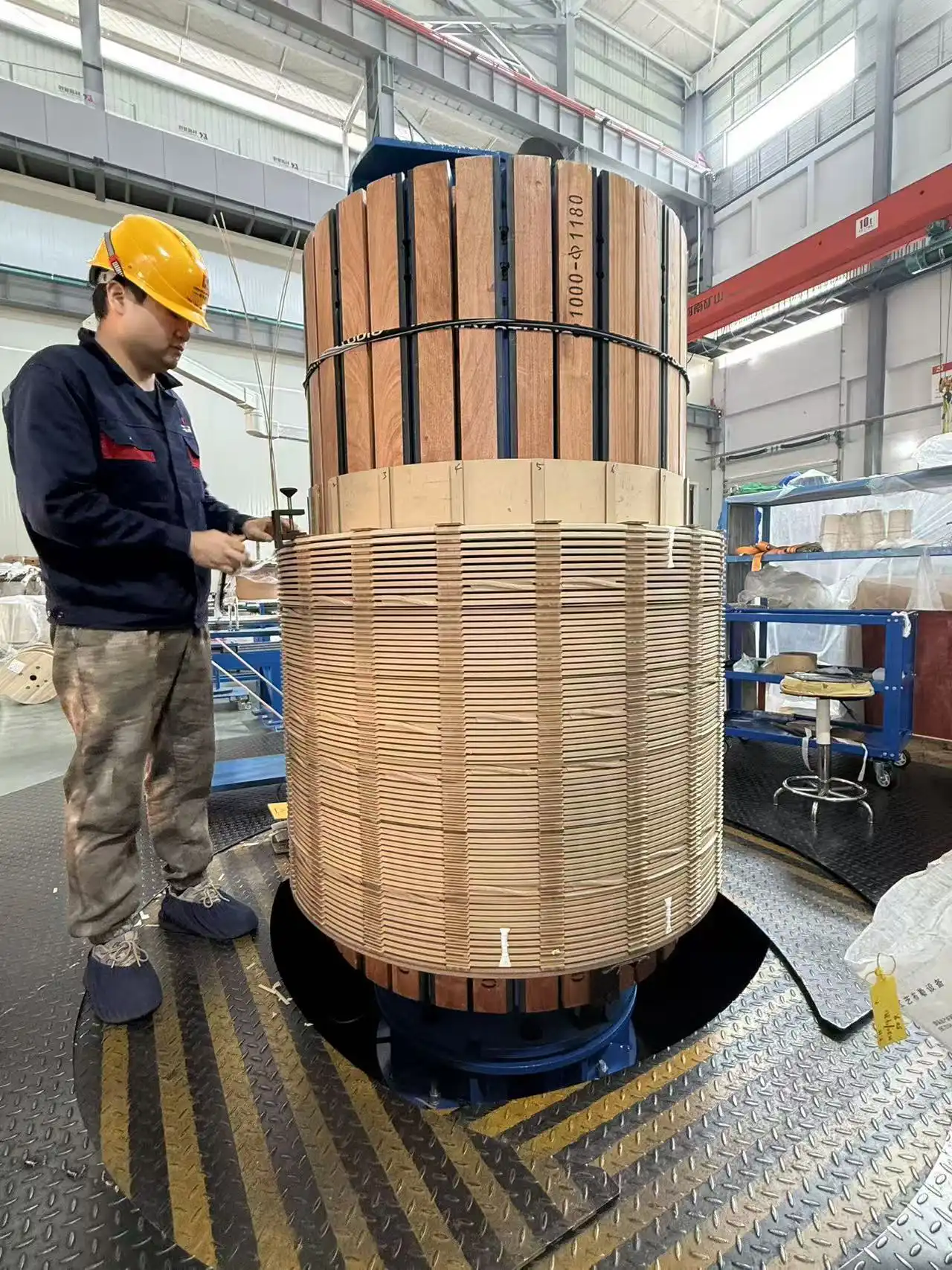
After the core assembly, workers wind copper or aluminum wire into coils. They insulate these coils to prevent electrical leakage and arrange them around the core. Technicians connect the windings in series or parallel based on voltage requirements. They use spacers and insulation barriers to ensure that the coils remain properly separated.
Step 3. Transformer Tank Manufacturing Process
Engineers construct a robust tank from high-quality steel to house the core and windings. They inspect the tank for durability and seal it to prevent oil leakage. Technicians then add transformer oil to provide cooling and insulation. Workers install accessories such as oil level monitors and explosion vents.
Step 4. Transformer Painting and Finishing Process
The manufacturing team performs a thorough painting process to protect the transformer from environmental damage. They apply a high-temperature resistant coating to the inside of the tank, while they paint the exterior with a corrosion-resistant primer and enamel. Engineers conduct an air pressure test to ensure that no leaks are present.
What Is The Final Stage of the Transformer Assembly Process?
The final stage of assembly involves sealing the tank and preparing the transformer for testing. After workers place the core and coil assembly inside the tank and fill it with oil, they seal the tank to preserve the oil’s insulating properties. Technicians mount the bushings and other external components. Once sealed, the transformer is ready for testing and final quality inspection.
What Are The 3 Types of Transformer Testing During the Power Transformer Manufacturing Process?
Testing is essential to verify the performance and safety of transformers. Engineers conduct these tests in three categories:
-
Routine Tests: Technicians perform these on each transformer produced to confirm basic operational standards. Tests include winding resistance and insulation resistance.
-
Type Tests: Engineers conduct these on prototype units to validate the design and its ability to handle operational stress. Examples include impulse voltage and temperature rise tests.
-
Special Tests: Manufacturers perform these based on specific customer requirements. These may include noise level testing or high-voltage tests in extreme conditions.
These tests ensure the transformer’s safety, reliability, and compliance with industry standards.
What Is The Importance Of Assessment And Inspection During Transformer Assembly?
Throughout the manufacturing process, engineers and inspectors conduct continuous assessment and inspection to identify and correct defects early. This proactive approach prevents issues from becoming permanent in the final product. Inspections ensure that workers install all components correctly and that they meet the required specifications. Regular assessments guarantee the transformer’s integrity, quality, and safety during operation.
Why Factory Acceptance Test Checklist Is Necessary For Transformer Manufacturing?
A Factory Acceptance Test (FAT) checklist plays a crucial role in transformer manufacturing by ensuring that the finished product meets all customer and regulatory specifications. The checklist documents the testing process and confirms that the manufacturer has prepared the transformer for shipment. It includes routine, type, and special tests, and serves as an agreement between the manufacturer and the customer. The FAT ensures the transformer’s operational reliability and safety.
What Are The Maintenance Procedures For the Manufacturing Process Of Distribution Transformers?
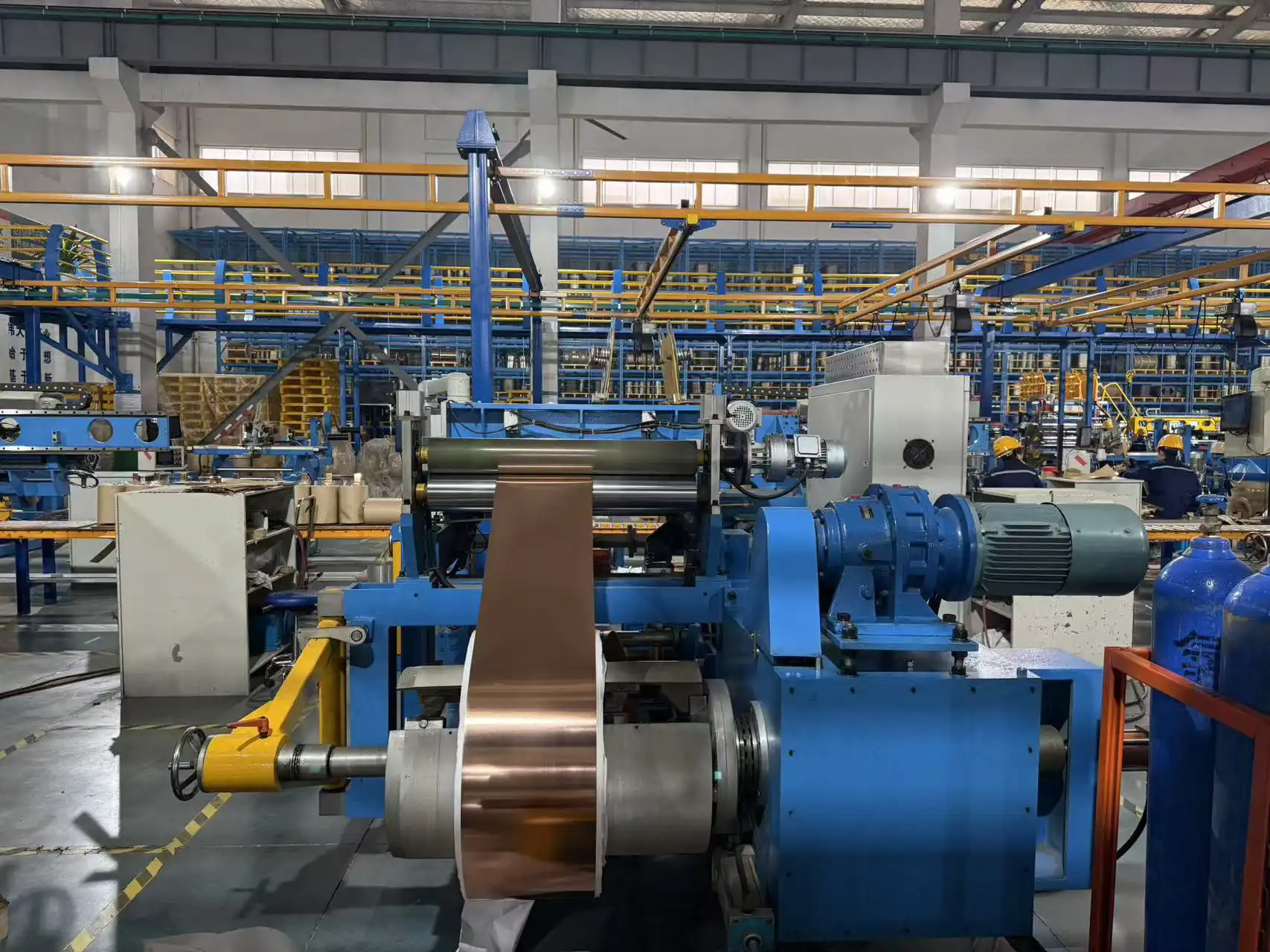
Proper maintenance of manufacturing equipment ensures precision and efficiency. Maintenance procedures include:
-
Engineers calibrate the winding machines.
-
Technicians monitor the temperature in drying ovens.
-
Workers regularly clean assembly areas to prevent contamination.
-
Inspectors check insulation materials to maintain quality.
Regular maintenance minimizes downtime and ensures that production stays efficient and meets standards.
Which Manufacturer Passes All Standard Quality of Transformer Manufacturing? Why Choose Kerun Intelligent Control Transformers?
Kerun Intelligent Control Transformers stand out for their commitment to quality. The company follows strict industry standards and employs advanced manufacturing techniques. Engineers build Kerun’s transformers with precision and care, ensuring reliability and performance. Kerun focuses on intelligent control technology, enabling modern grid integration and making their products ideal for both industrial and commercial applications. By choosing Kerun, customers benefit from high-quality, durable transformers and comprehensive after-sales support.
FAQ (Frequently Asked Questions)
1. What materials are used in power transformer manufacturing?
Power transformers use various materials selected for their specific properties. Engineers make the core from grain-oriented steel (CRGO) to ensure efficient magnetic flux transfer. Manufacturers typically use copper or aluminum for the windings, chosen for their conductivity. Technicians use mineral oil or ester fluid for cooling and electrical insulation, while they apply specialized paint to protect the exterior from environmental damage.
2. Why is the core manufacturing process important in transformer efficiency?
The core manufacturing process directly impacts transformer efficiency. By using high-quality CRGO steel and employing precise cutting techniques, manufacturers minimize energy losses from eddy currents and hysteresis. Engineers ensure proper core assembly and clamping to reduce vibrations and enhance energy transfer. This process ultimately lowers operating costs and improves performance over time.
3. What are routine tests in transformer manufacturing?
Routine tests are standard procedures conducted on every transformer to verify its basic functionality and safety. Technicians check winding resistance, turns ratio, and insulation resistance. These tests ensure that each transformer meets essential operational standards and is safe for use.