Oil-Immersed Transformer Price Trends & Smart Buying Tips
-
Oil-immersed transformer price trends, cost drivers, and buying tips for smarter procurement and lifecycle savings.


The global demand for oil-immersed transformer price trends reflects grid upgrades and renewable connections. Manufacturers report steady order books from utilities and project developers. Buyers face material cost swings for copper and silicon steel. Suppliers must manage lead times for cores and windings. Engineers set specifications to meet efficiency rules and safety codes. Project managers add contingency for transport and testing. Utilities plan replacements based on asset age and failure risk. Contractors compare lifecycle cost instead of only purchase price. Investors evaluate return on losses and maintenance savings. Procurement teams ask for loss data during tender evaluation. Designers examine cooling schemes and oil types for each site.
Key Components That Shape oil-immersed transformer price trends
Core steel grade, winding conductor choice, and insulating oil are primary determinants. Grain-oriented silicon steel reduces no-load losses and raises cost. Copper windings improve conductivity yet increase material expense. Oil type affects fire safety and environmental compliance, which alters price. Radiator size and cooling arrangements change manufacturing complexity. Tap changers and control panels add engineering hours. Bushings and porcelain quality influence reliability and warranty terms. Factory testing, including temperature rise and dielectric tests, add to supplier charges. Logistics, both inland and ocean freight, further change landed cost. Buyers should request itemised cost breakout from vendors. That detail enables apples-to-apples comparisons across offers.
Technical Specification Checklist Before Tendering
Specify these items clearly to avoid cost surprises.
• Rated capacity and expected growth allowance.
• Primary and secondary voltages with tap ranges.
• Ambient temperature and altitude derating conditions.
• Insulating oil type and filling procedures.
• Cooling class and radiator configuration.
• Efficiency targets and permissible losses.
• On-load tap changer type if required.
• Factory acceptance tests and documentation.
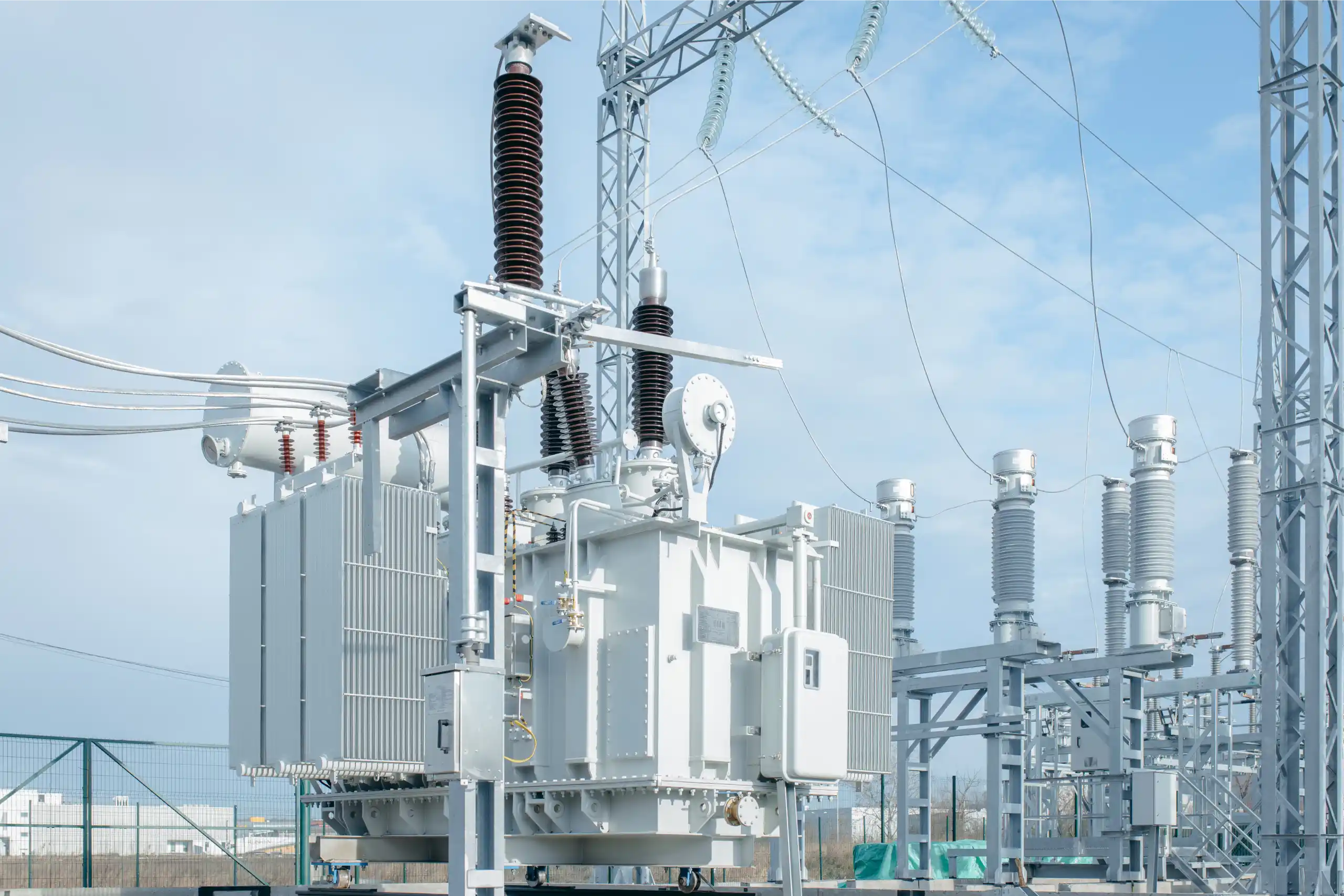
Specification Rationale: why detailed specs affect final price
Defining rated capacity and growth margin prevents early overloads and unplanned upsizing. Voltage selections determine insulation clearances and bushing dimensions. Ambient and altitude inputs guide thermal design and may require special cooling. Oil selection moves cost and affects maintenance regimes. Efficiency targets force use of premium core and winding materials. Tap changer type affects on-site operability and repair complexity. Test requirements impose factory time and instrumentation needs. Clear documentation speeds commissioning and reduces onsite disputes. Tender clarity reduces ambiguous change orders. Suppliers will price certainty more competitively when scope is fixed.
Cost Drivers: raw materials, labor, and testing fees
Copper pricing drives winding costs directly. Steel and silicon content set core expenses. Oil procurement, especially specialty oils, adds margin. Skilled labor for precise winding and core stacking consumes time. Factory testing equipment and lab usage bill into counts. Certification efforts for IEC or IEEE compliance create administrative load. Spare parts packaging and warranty obligations add to seller risk and are passed to buyers. Transport of heavy transformers needs special handling and lifts, increasing logistics fees. Temporary storage and inland transfer affect schedules and demurrage risk. Buyers should ask for material certificates and test records with each quotation.
Efficiency vs. Purchase Price: balancing upfront and operating expense
Low loss designs raise initial purchase price. Higher efficiency lowers operational energy losses. Over the service life, reduced losses can offset premium cost. Owners should model lifecycle cost using expected load profiles. Peak load duration and load factor critically change savings estimates. Energy tariffs and carbon pricing also alter the payback period. For sites with continuous heavy loading, efficiency upgrades yield faster returns. Remote facilities face higher maintenance cost, increasing the value of reliable, low-loss units. Project teams must request loss envelope data and perform a simple payback analysis before final selection.
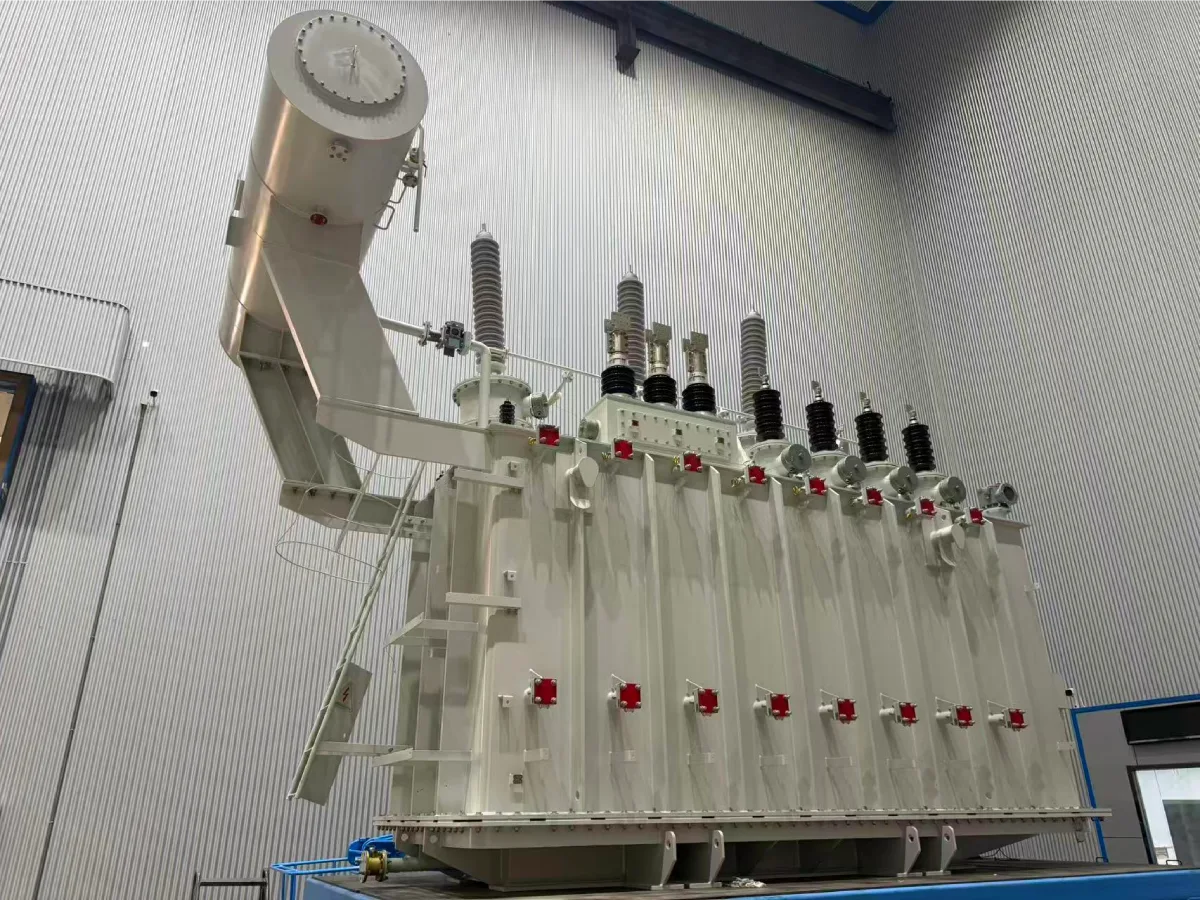
Maintenance & Oil Management that influence lifecycle cost
Regular oil testing for moisture and dissolved gases prevents failures. Scheduled oil filtration or replacement supports dielectric strength. Radiator and cooling fan cleaning maintain heat transfer efficiency. Tap changer contact inspection reduces in-service faults. Bushing and gasket checks avoid leaks and oil loss. Condition monitoring via temperature and pressure sensors aids proactive maintenance. Predictive programs extend asset life and reduce unplanned outages. Suppliers offering maintenance packages or local service partnerships can lower total ownership costs. Buyers should require an oil management plan in the technical proposal and evaluate service response times.
Regulatory and Environmental Factors Affecting oil-immersed transformer price trends
Regulations can mandate fire-safe or biodegradable oils in populated zones. Such oils cost more than mineral oil but reduce spill liability. Emission rules or recycling requirements change disposal costs at end of life. Efficiency standards tighten over time, forcing design upgrades that increase price. Local certification needs may require additional testing and documentation. Noise limits in urban installations can call for acoustic enclosures or special designs. Buyers must consider permitting timelines that influence project schedules and cost escalation. Early engagement with regulators reduces scope changes and unexpected expenses.
Supplier Selection: how to evaluate manufacturers and quotations
Check manufacturer track record on similar rated units and site references. Verify quality systems and ISO certifications. Request factory acceptance test reports and witness options. Compare warranties and spare part lead times explicitly. Ask about local service presence for commissioning and aftercare. Evaluate financial stability to avoid mid-project supplier failure. Seek transparent, itemised pricing and delivery schedule commitments. Prefer vendors who provide comprehensive documentation and clear commercial terms. Obtain client contacts for prior projects to validate performance claims. Negotiate penalties for delayed delivery when timelines are critical.
Procurement Tactics That Can Reduce Total Cost
Bundle purchases for multiple units to gain volume discounts. Accept standardised specifications to reduce bespoke engineering charges. Lock material price clauses with suppliers when raw material volatility is high. Arrange inspections during manufacturing to catch deviations early. Plan orders to avoid peak freight seasons and manage lead times proactively. Combine warranty and maintenance agreements to secure lower service rates. Request long-term spare parts pricing agreements when possible. Time purchases when copper and steel prices fall to capture savings. Use competitive tendering but value technical compliance equally with cost.
Kerun Transformer Business Overview and Call to Action
Kerun offers a full range of oil-immersed transformers for distribution and substation applications. The company manufactures units from small distribution sizes to large power transformers. Kerun provides options for mineral oil and eco-friendly ester oils. The firm supports custom tap ranges and on-load tap changers. Testing follows IEC and domestic standards with certificates supplied upon delivery. After-sales includes oil testing and local service partners in key regions. Customers can request a tailored proposal and lifecycle cost estimate. Prospective buyers should contact Kerun for a project review and quotation. Submit a request for quotation to start technical clarification and pricing.
Installation and Site Preparation Considerations that affect cost
Foundation design and oil retention basins increase civil scope and cost. Oil containment must meet local environmental codes and reduce spill risk. Adequate access for cranes and transport avoids costly site modifications. Earthing and lightning protection installation warrant early engineering. Cable terminations and yard layout influence bushing positions and conduit runs. Cooling ventilation and clearance spaces must be planned for noise mitigation. Fire suppression systems in enclosed stations add budget items. Inspectors will verify grounding and oil containment prior to commissioning. Include installation scope in the purchase contract to align responsibilities.
Warranty, Spare Parts, and Long-Term Support Requirements
Confirm warranty length and terms for defects and oil leaks. Define spare parts list and guaranteed availability windows. Establish response times for on-site support and emergency repairs. Consider extended warranties or service level agreements for critical assets. Require as-built documentation and test certificates to be handed over at acceptance. Plan inventory for common consumables like gaskets and tap changer contacts. Train local teams for routine inspections and minor maintenance. Document service escalation paths with the supplier. Favor suppliers who commit to spare part support for the expected service life.

Risk Management and Contingency Planning for transformer procurement
Identify risks like material price surges and logistics delays early. Include contingencies for currency fluctuation in international contracts. Plan for substitute suppliers in case of manufacturing disruptions. Schedule buffer time for factory testing and shipping to avoid project slippage. Insure high-value cargo during transport and storage. Define acceptance criteria clearly to prevent rework. Test oil samples upon delivery to ensure dielectric strength and cleanliness. Implement phased commissioning to validate performance under load slowly. Maintain clear communication channels between owner, contractor, and supplier.
Table of Typical Cost Components and Impact
| Component | Relative Cost Impact |
| Core steel and winding | High |
| Insulating oil | Medium |
| Cooling system | Medium |
| Tap changer and controls | Medium |
| Testing and certification | Low to Medium |

Interpretation of Table Data and Procurement Actions to Take
Core and winding selection exerts the largest influence on price. Selecting appropriate core grade reduces losses and operating costs. Oil choices affect safety and environmental compliance. Cooling configuration determines maximum continuous rating and site suitability. Tap changers add operational flexibility but require spare parts planning. Testing ensures conformity and reduces risk. Buyers should prioritise core and winding quality in technical weighting during tender evaluation. Allocate budget for oil management and periodic testing. Use table insights to focus negotiations on the most cost-sensitive items.
Comparative Pricing Examples and How to Use Them
Gather sample quotes for similar rated units and normalise for differences. Adjust prices for oil type, loss figures, and auxiliary equipment. Use the itemised breakdown to convert offers into cost per kVA metrics. Include estimated lifecycle energy losses in comparative models. Apply simple net present value calculations when comparing different efficiency classes. Consider transport and installation charges specific to each quote. Ask suppliers for scenario pricing to reflect varying timelines. Use historical purchase data to benchmark new offers. Make procurement decisions based on total cost of ownership rather than headline price.
Final Buying Checklist and Scorecard for Evaluation
Create a weighted scorecard that balances cost, efficiency, delivery, and service. Assign numeric weights to losses, warranty, lead time, and vendor experience. Score each bid against technical compliance items. Include lifecycle cost and maintenance burden in final scoring. Confirm financial terms and penalties for delays before award. Prepare contract annexes for spare parts supply and service response. Require factory acceptance testing and witness options in contract clauses. Ensure oil testing and commissioning are part of final acceptance. Use the scorecard to justify procurement choices to stakeholders.
Frequently Asked Question:
What factors most influence oil-immersed transformer price trends?
Major influences include raw material pricing for copper and steel, oil type selection, and efficiency requirements. Market demand from utilities and renewables shapes lead times and pricing power. Regulatory mandates for higher energy efficiency or fire-safe oils add engineering and materials costs. Site constraints like altitude and ambient temperature impose design changes that raise price. Logistics and shipping rates influence landed cost, especially for large units. Warranty and service offerings affect supplier pricing and risk allocation. Buyers should ask vendors for granular cost breakdowns and test data. Lifecycle cost modeling reveals long-term value beyond purchase price and aids decision making. Conduct tenders with clear technical scope to reduce ambiguity and price variation.
How should buyers compare efficiency and purchase cost for oil-immersed transformers?
Start by collecting no-load and load loss figures from each supplier. Estimate expected annual energy loss using site load profile and energy price. Convert losses into annual dollars to compute payback for efficiency upgrades. Apply discounting for multi-year comparisons and include maintenance costs. For high load factor sites, efficiency premiums often pay back faster. For intermittent load locations, consider whether downtime risk or lower capital cost yields better value. Request case studies or references that demonstrate real savings. Ensure that test reports validate claimed losses under standard test conditions. Use a simple NPV approach to compare alternatives and present findings to procurement stakeholders.
Why include Kerun services when sourcing oil-immersed transformers and how to request a quote?
Kerun provides manufacturing, testing, and after-sales service tailored to utility and industrial projects. The company offers standard and customised oil-immersed transformer designs with documented loss data and test certificates. Local service partners deliver oil testing and commissioning support where available. Buyers can request build-to-spec quotations and lifecycle cost estimates from Kerun’s sales team. Provide load profiles, voltage requirements, site ambient conditions, and desired oil type to receive accurate pricing. Kerun responds with itemised proposals and recommended spare parts lists. Prospective clients should submit technical enquiries and arrange factory inspection during production. Contact Kerun to initiate a quotation and technical clarification session.