
Why Are Oil Immersed Power Transformer Factories in China Competitive?
-
Oil immersed power transformer factories in China combine cost efficiency, large-scale production, and reliable delivery for global projects.
How Did China Become a Major Manufacturing Base for Oil Immersed Transformers?
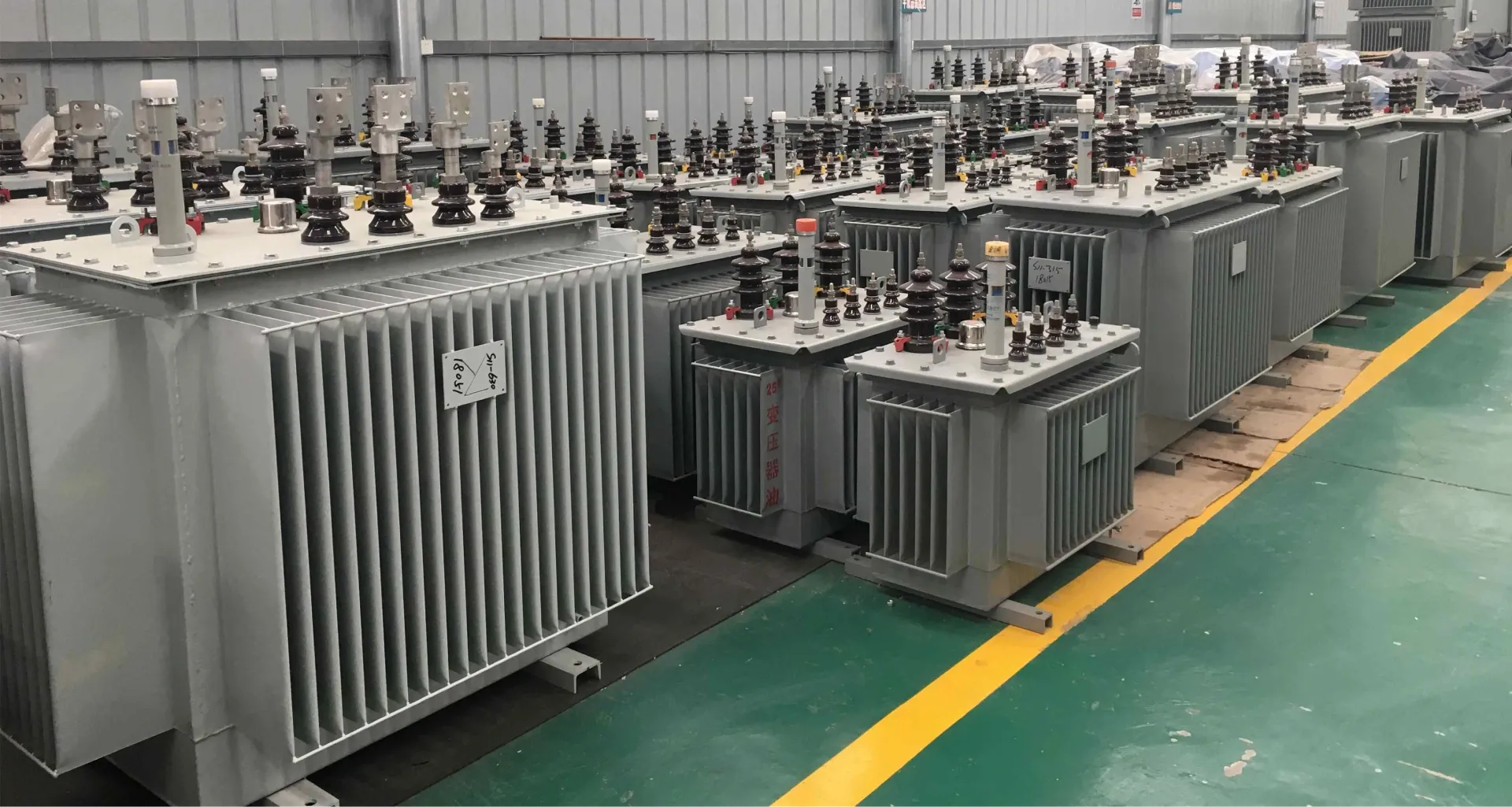
Oil immersed power transformer factories in China developed through decades of industrial accumulation. Early investment in heavy electrical equipment created strong foundations. Grid expansion demanded large transformer volumes. Local manufacturers gained experience through continuous production cycles. Supply chains matured alongside national infrastructure growth. Engineering talent increased steadily. These conditions allowed factories to refine processes efficiently. Over time, China became a central production hub for power transformers. Competitiveness now comes from integrated capability rather than isolated advantages.
Why Does Cost Structure Favor Transformer Manufacturing in China?
Cost competitiveness originates from structural efficiency rather than material compromise. Chinese factories benefit from localized raw material sourcing. Copper conductors and silicon steel remain widely available. Component suppliers cluster near production zones. Logistics distances stay short. Labor specialization improves productivity per worker. Energy and utility costs remain predictable. Scale purchasing reduces unit pricing. Together, these factors lower manufacturing cost while maintaining technical requirements. Buyers gain budget flexibility without sacrificing performance expectations.
How Does Production Scale Strengthen Factory Competitiveness?
Production scale allows factories to stabilize output quality. Large batch manufacturing improves process repeatability. Equipment utilization remains high. Workforce specialization increases consistency. Inventory planning supports flexible scheduling. Scale also enables parallel production lines. Factories handle varied voltage classes simultaneously. This capacity supports utility projects with tight timelines. Large-scale operation therefore enhances delivery reliability. Scale transforms factories into dependable long-term suppliers.
What Role Does Delivery Time Play in Global Transformer Projects?
Delivery time strongly influences project execution. Power projects follow strict construction sequences. Transformer delays disrupt commissioning plans. Chinese factories manage lead times through integrated production. Component availability reduces waiting periods. Standardized designs accelerate manufacturing. Testing facilities operate continuously. Export logistics experience minimizes clearance delays. These strengths shorten overall delivery cycles. Faster delivery increases project certainty. Time reliability strengthens buyer confidence.
Which Competitive Factors Distinguish Chinese Transformer Factories?
- Integrated material supply chains
- High-volume production capacity
- Experienced technical workforce
- Flexible customization capability
- Established export logistics systems
How These Competitive Factors Support Global Buyers
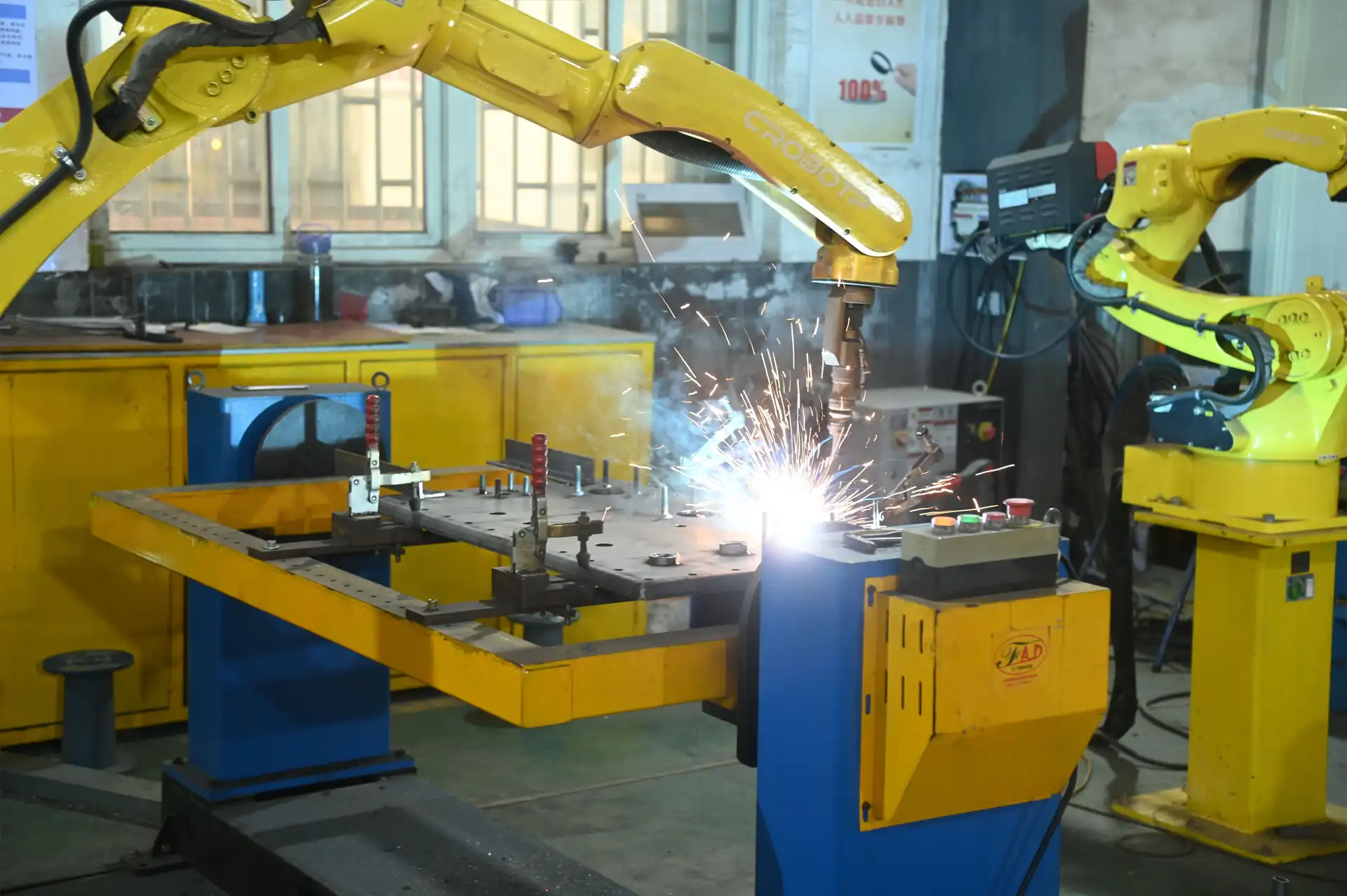
Integrated supply chains reduce dependency risk. High capacity supports large orders. Skilled teams manage complex specifications. Customization adapts to regional standards. Logistics experience ensures smooth export handling. These combined strengths simplify procurement processes. Buyers gain predictable outcomes. Factory coordination reduces project uncertainty. Competitiveness therefore extends beyond pricing alone.
How Do Chinese Factories Balance Cost and Quality?
Cost efficiency does not eliminate quality discipline. Reputable factories apply strict quality systems. Material inspection precedes production. Process checkpoints monitor deviations. Internal testing verifies performance. Certifications reinforce compliance. Continuous improvement programs refine execution. Cost savings arise from efficiency, not omission. Quality remains measurable and documented. Balanced control sustains international acceptance.
Why Is Customization Easier Within Chinese Transformer Factories?
Customization benefits from modular production structures. Factories design around flexible platforms. Voltage ratings adapt quickly. Cooling configurations adjust per project. Accessories align with utility standards. Engineering teams coordinate with production lines directly. Short communication paths reduce revision delays. Custom orders integrate smoothly into schedules. This responsiveness strengthens competitiveness in diverse markets.
How Do Export Capabilities Enhance Factory Advantage?
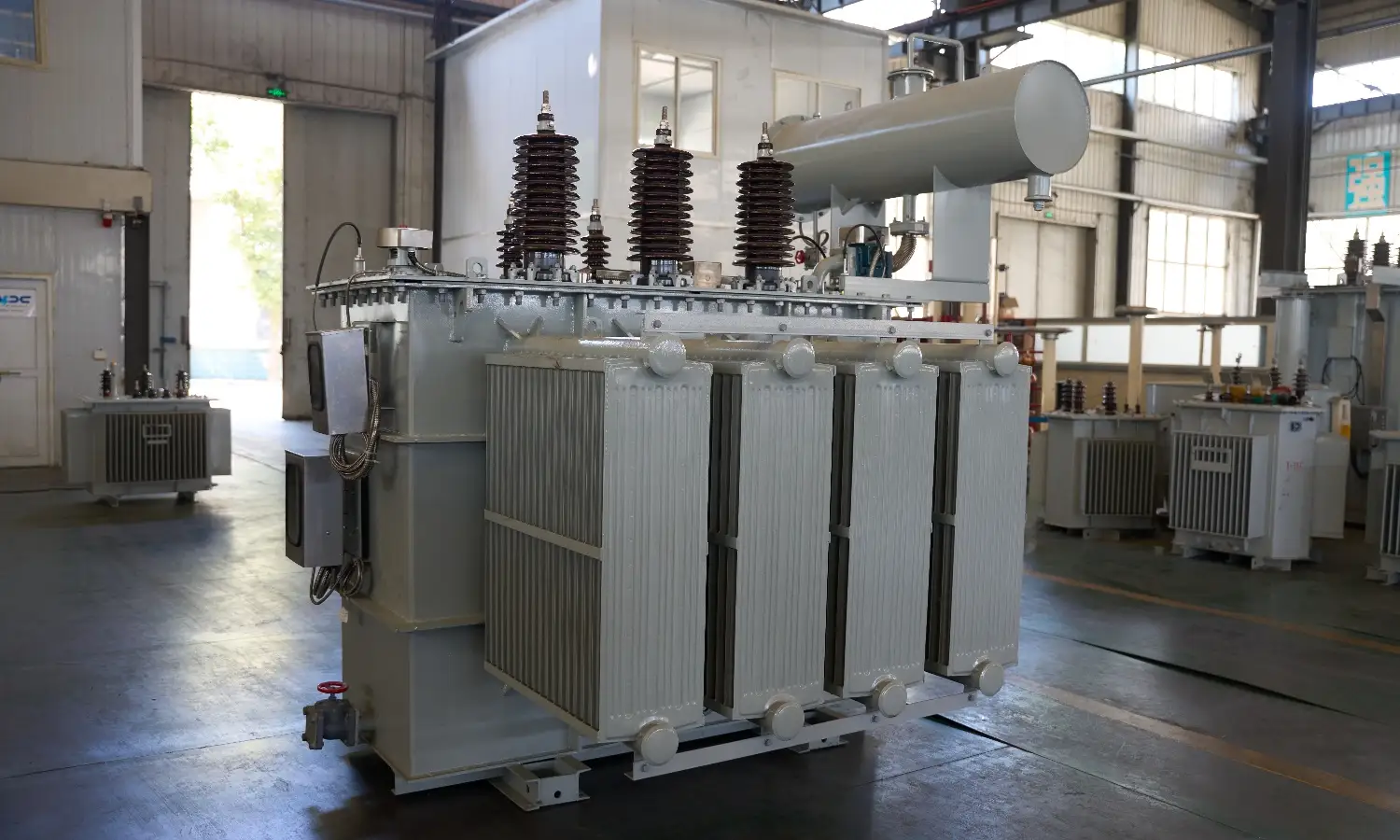
Export experience simplifies international transactions. Documentation processes remain standardized. Packing meets transport requirements. Compliance aligns with destination regulations. Shipping coordination reduces transit risk. After-sales communication supports overseas clients. These capabilities reduce buyer workload. Factories operate as export-ready partners. Global reach therefore becomes an operational strength rather than a barrier.
How Can Buyers Evaluate a Chinese Transformer Factory Objectively?
| Evaluation Area | Key Observation |
|---|---|
| Production scale | Annual output capacity |
| Cost control | Material sourcing efficiency |
| Delivery performance | Lead time consistency |
| Quality system | Inspection and testing scope |
| Export experience | Project references |
Why Objective Evaluation Prevents Procurement Risk
Objective evaluation avoids assumptions. Capacity data reveals reliability. Cost structure explains pricing logic. Delivery records confirm execution ability. Quality systems indicate long-term stability. Export experience reduces compliance risk. Structured assessment improves supplier selection. Buyers gain confidence through verified capability.
How Do Chinese Factories Support Long-Term Partnerships?
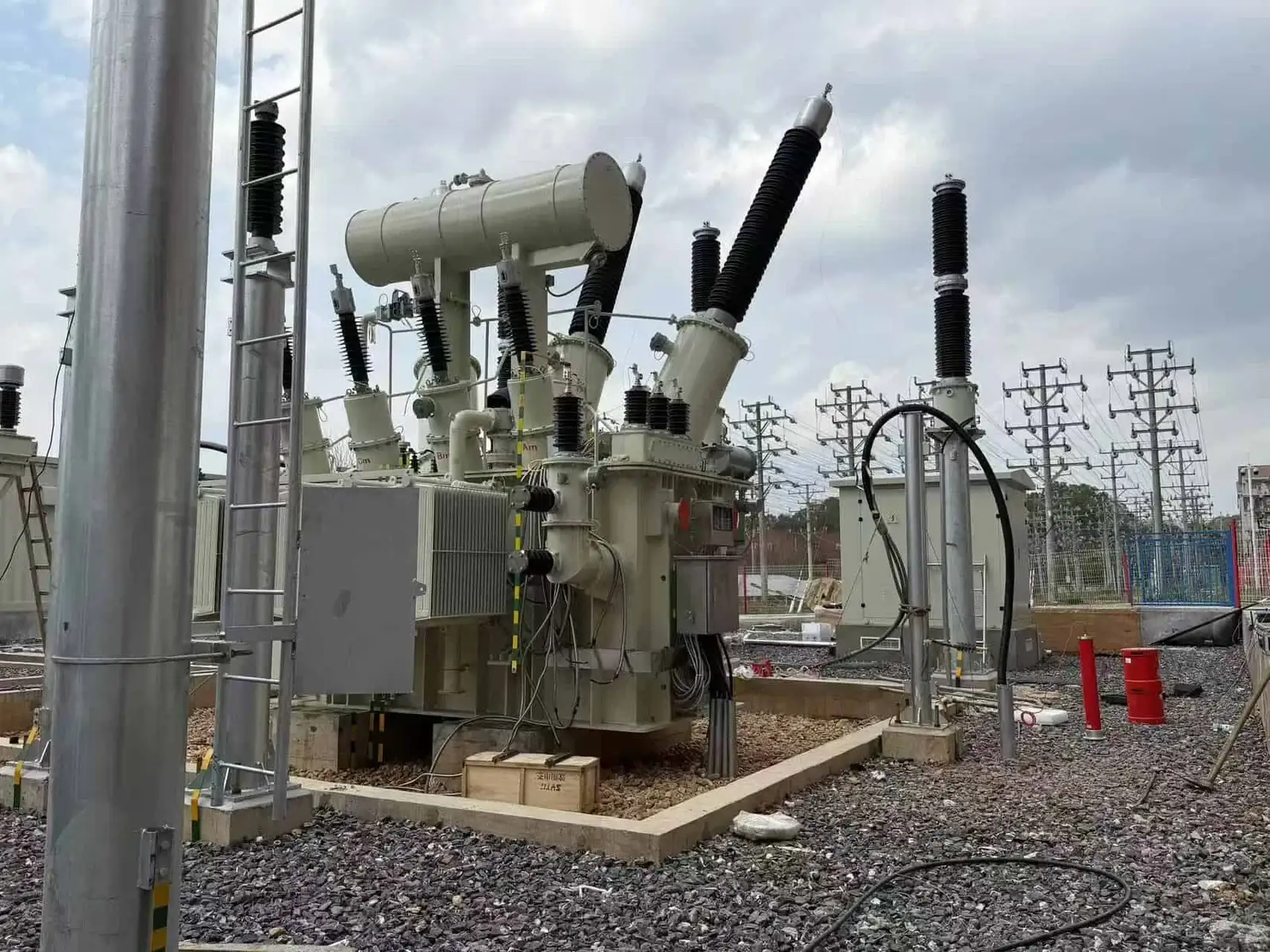
Long-term cooperation relies on consistency. Stable pricing supports budgeting. Predictable delivery supports planning. Technical continuity supports maintenance. Communication channels remain open. Factories invest in relationship stability. Repeat orders receive optimized scheduling. Engineering feedback improves future designs. Partnerships evolve beyond transactional supply. This continuity strengthens mutual value creation.
Why Do Global Utilities Continue Choosing China-Based Factories?
Global utilities prioritize reliability and scalability. Chinese factories offer both attributes. Cost efficiency supports large deployments. Production scale supports grid expansion. Delivery performance supports project schedules. Technical compliance meets standards. Export readiness simplifies procurement. These combined factors explain continued preference. Competitiveness remains grounded in execution capability.
FAQ
Does lower cost from Chinese factories mean lower transformer quality?
Lower cost reflects efficiency rather than reduced standards. Integrated supply chains lower material expense. Scale manufacturing improves process stability. Skilled labor increases productivity. Quality systems remain enforced. Testing verifies performance. Many Chinese factories hold international certifications. Quality therefore remains measurable. Cost advantage comes from structural efficiency.
How reliable are delivery schedules from Chinese transformer factories?
Delivery reliability depends on capacity planning. Large factories manage parallel production. Component availability reduces bottlenecks. Internal testing avoids external delays. Export logistics experience minimizes shipping risk. Reliable factories provide realistic schedules. Performance history supports trust. Delivery reliability often exceeds expectations when suppliers are properly evaluated.
What should buyers verify before selecting a factory in China?
Buyers should review production capacity, quality systems, and export experience. Reference projects reveal execution history. Certifications confirm compliance. Communication responsiveness indicates partnership quality. Clear documentation supports transparency. These checks reduce risk. Proper verification ensures successful cooperation.
