
How to Size High Voltage Switchgear Breakers for Your Load?
-
High voltage switchgear breakers sizing guide covering load current, breaking capacity, voltage class, and industrial switchgear selection factors.

High voltage switchgear breakers and their role in industrial power systems
high voltage switchgear breakers protect and control electrical equipment within medium and high voltage distribution systems. Industrial facilities depend on these breakers to isolate faults and maintain stable power supply. Transformers, large motors, and distribution feeders require reliable switching protection. Engineers must size breakers correctly to prevent overload damage and system instability. Incorrect sizing may increase maintenance cost or create operational safety risks. Project planners therefore evaluate electrical parameters carefully during early design stages. Proper breaker selection improves reliability across the entire power network. Industrial operators also benefit from reduced downtime and predictable system performance when breakers match load characteristics accurately.
Typical applications for high voltage switchgear breakers
Industrial power networks often require breakers operating within voltage ranges between 3kV and 40.5kV. Manufacturing plants commonly install them inside main distribution rooms to protect feeder circuits. Utility substations use these breakers for incoming and outgoing power connections. Large motors within mining or processing plants rely on dedicated protection systems using high voltage breakers. Data centers and commercial complexes also deploy them to protect high capacity transformers. Reliable switching devices maintain stable electrical supply across critical infrastructure. Engineers choose breaker types based on load profile and system architecture. Proper application ensures electrical equipment operates safely under varying demand conditions.
Understanding the operational boundaries of high voltage breakers
High voltage breakers operate efficiently only within defined electrical boundaries. Systems below one kilovolt typically require low voltage circuit breakers instead. MCCB or ACB devices handle smaller loads within building distribution panels. Installing high voltage breakers in small load circuits increases system cost and complexity. Certain installations also require coordination with vacuum breakers or SF6 switching devices. Engineers therefore analyze system architecture before selecting switching technology. Clear understanding of operational limits prevents equipment misuse. Matching device capability with system requirements improves long term reliability.
Why correct breaker sizing protects electrical infrastructure
Proper breaker sizing protects electrical systems from overload and fault conditions. Undersized breakers may trip frequently during normal load variations. Oversized breakers might fail to disconnect dangerous fault currents quickly. Balanced selection ensures effective protection while maintaining operational stability. Industrial power networks often experience load fluctuations caused by motor startup or production changes. Engineers must anticipate these variations during design. Accurate sizing helps prevent equipment damage and unexpected downtime. Correct capacity planning therefore becomes an essential engineering task in industrial power distribution systems.

Rated current must align with load requirements
The rated current of a breaker should exceed the maximum operating current of the load. Engineers generally select a margin between twenty and thirty percent above peak load. This margin prevents continuous thermal stress on breaker components. Industrial motors and transformers often produce temporary current surges during startup. Breakers must withstand these short duration conditions without unnecessary tripping. Engineers analyze operational profiles before selecting rated current levels. Accurate load calculations ensure stable electrical protection performance. Reliable current matching also extends the mechanical life of switching equipment.
Breaking capacity must handle potential short circuit current
Short circuit current capability determines whether a breaker can interrupt fault energy safely. Electrical networks may produce extremely high current during system faults. Breakers with insufficient breaking capacity may fail during these conditions. Engineers therefore calculate maximum short circuit current using transformer capacity and network impedance. Grid connection conditions also influence fault current levels. Manufacturers provide rated breaking capacity data within technical specifications. Selection must ensure breaker capacity exceeds calculated fault current values. Adequate interrupting capability prevents catastrophic equipment damage and improves system safety.
Rated voltage must match the system voltage level
Voltage compatibility remains another essential factor during breaker sizing. The breaker rated voltage must equal or exceed the operating voltage of the electrical system. Engineers commonly use standardized voltage classes to simplify equipment coordination. Matching insulation levels ensures safe electrical clearance inside switchgear panels. Incorrect voltage rating may cause insulation stress or electrical breakdown. Selecting appropriate voltage levels therefore protects both equipment and operators. Consistent voltage alignment also ensures compliance with electrical safety standards.
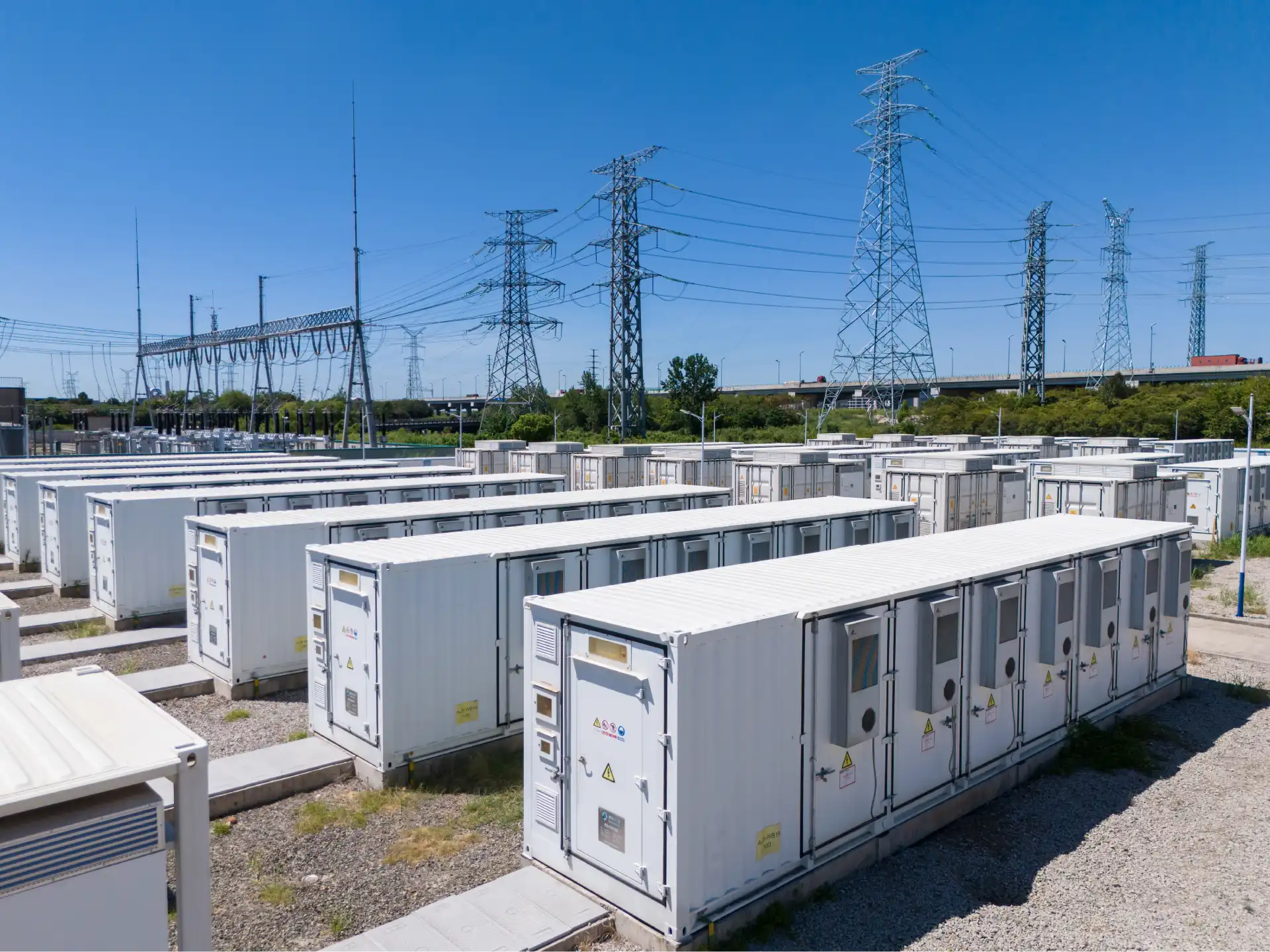
Common voltage classes used in high voltage switchgear systems
| System Voltage | Typical Switchgear Rating | Typical Application |
|---|---|---|
| 6kV | 7.2kV | Industrial motor feeders |
| 10kV | 12kV | Factory distribution networks |
| 35kV | 40.5kV | Substation feeder protection |
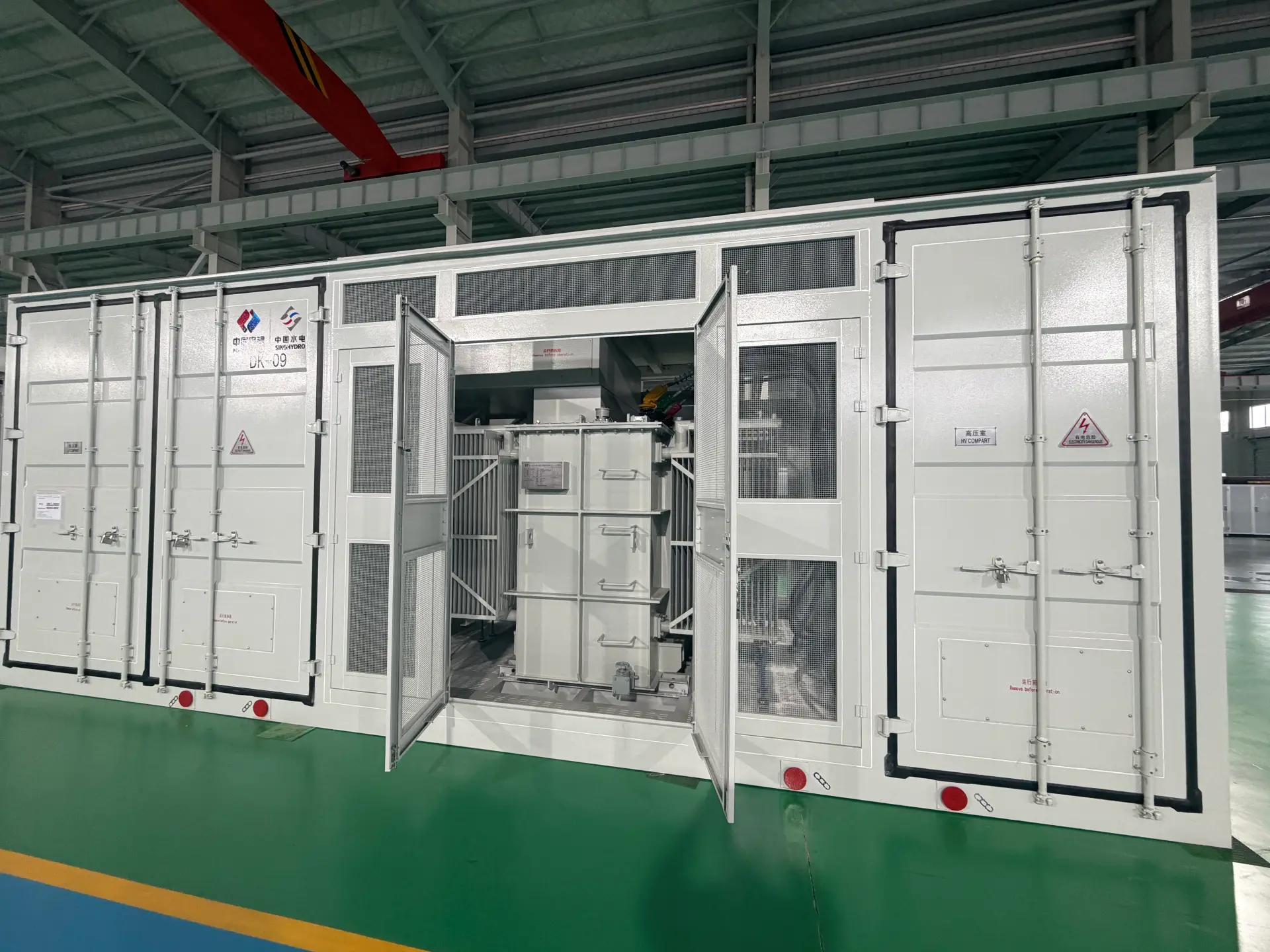
Why voltage class selection ensures insulation safety
Voltage class coordination prevents insulation stress inside switchgear assemblies. Equipment insulation must withstand both operating voltage and transient surges. Engineers therefore choose switchgear ratings slightly above nominal system voltage. This margin improves reliability during voltage fluctuations or switching operations. Standardized voltage classes simplify design across industrial distribution systems. Manufacturers design breakers and insulation components around these classes. Proper voltage matching ensures safe operation and stable long term performance.
Additional factors affecting breaker selection in real projects
Engineers evaluate environmental and operational factors beyond electrical parameters. High temperature environments may require enhanced cooling within switchgear cabinets. Dust or humidity conditions may demand sealed enclosure designs. Switchgear structure also affects maintenance accessibility and installation configuration. Fixed type cabinets differ from withdrawable designs in maintenance procedures. Protection relay integration influences breaker control systems. Automation requirements may also require communication interfaces. Considering these aspects ensures the switchgear system operates efficiently in real industrial conditions.
Checklist for evaluating breaker selection factors
- Maximum load current within the electrical system
- Calculated short circuit current capacity
- System voltage class and insulation requirements
- Motor starting current or surge load characteristics
- Environmental conditions including humidity and temperature
- Future system expansion or capacity increase
Why this evaluation checklist supports reliable breaker sizing
The checklist ensures engineers review both electrical and operational conditions before finalizing equipment specifications. Maximum load current defines baseline protection requirements for breaker selection. Short circuit current calculations determine the required interrupting capacity. Voltage class verification prevents insulation compatibility problems. Surge load analysis accounts for motor startup conditions. Environmental review ensures the breaker operates reliably under local site conditions. Expansion planning prepares the electrical system for future load increases. Structured evaluation therefore improves engineering accuracy and reduces redesign risk.
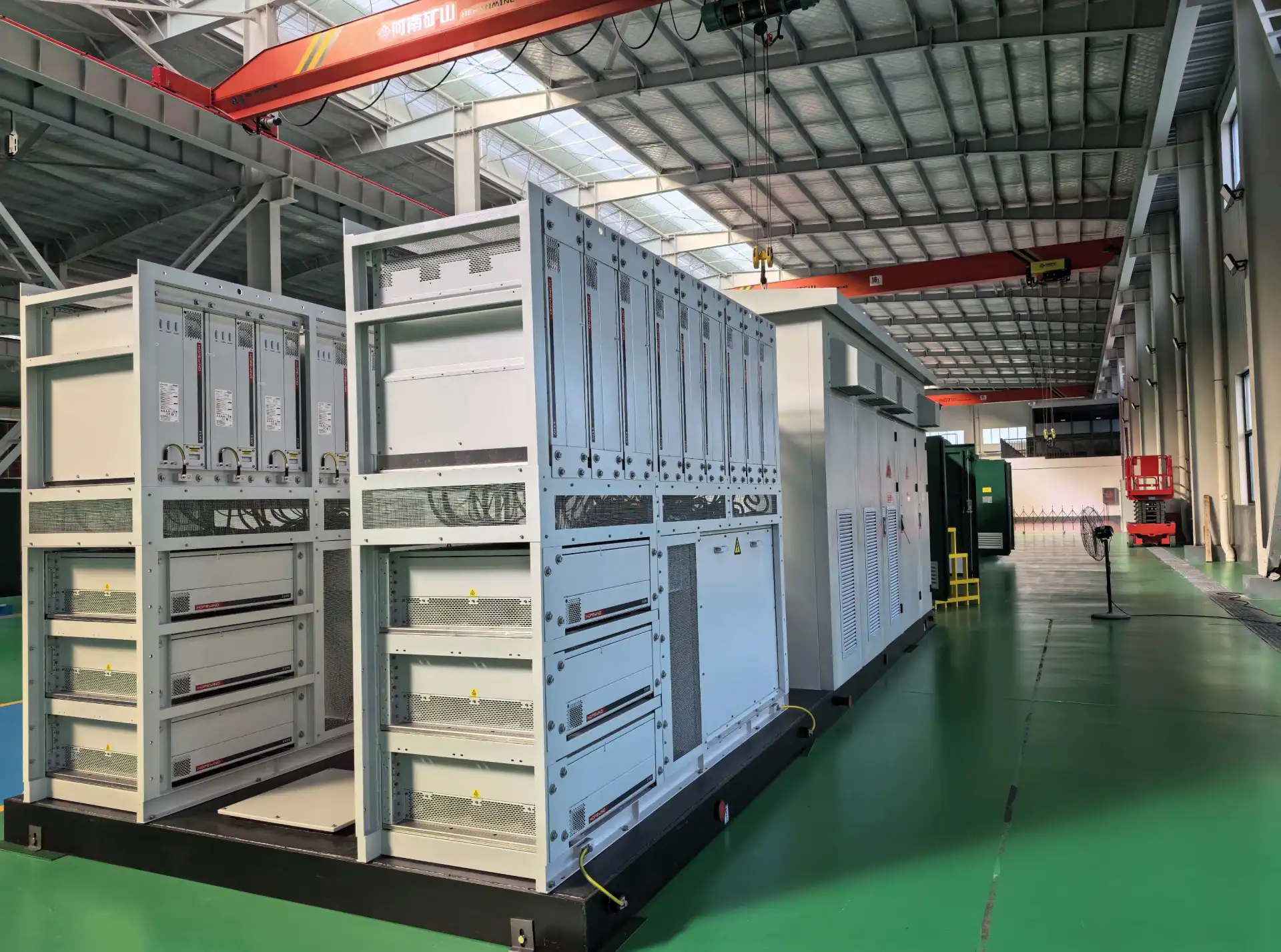
Common mistakes when sizing high voltage switchgear breakers
Several common mistakes appear during switchgear planning. Some projects select breakers based only on load current values. Ignoring fault current capability may cause protection failure during short circuit events. Another mistake involves neglecting motor startup current or surge loads. Large motors often produce current several times higher than rated levels during startup. Incorrect voltage class selection may introduce insulation hazards. Engineers also sometimes overlook future system expansion plans. Avoiding these mistakes improves electrical system reliability and operational safety.
Moving toward switchgear compliance and system design
Understanding how to size high voltage switchgear breakers helps engineers maintain stable industrial power distribution. Correct current rating, voltage class, and breaking capacity form the foundation of reliable switchgear design. Environmental factors and maintenance requirements further influence equipment selection. Engineers planning deeper system design can continue toward compliance and switchgear configuration stages. The guide titled High and Low Voltage Switchgear Selection and Project Implementation provides a broader overview of switchgear system architecture and project deployment considerations.

FAQ
What current margin is recommended for high voltage switchgear breakers
Engineers usually select breakers with rated current about twenty to thirty percent higher than the maximum load current. This margin allows the breaker to handle temporary load increases without overheating. Industrial motors and transformers often create surge current during startup conditions. Adequate margin ensures the breaker maintains stable operation during these events. Engineers must still verify thermal performance and coordination with protection relays. Balanced margin selection improves reliability while preventing unnecessary equipment oversizing.
Why is short circuit breaking capacity critical for breaker selection
Short circuit breaking capacity determines whether a breaker can interrupt fault current safely. Electrical faults may produce extremely high current levels in distribution networks. Breakers must interrupt these currents without mechanical failure or insulation damage. Engineers calculate fault current based on transformer capacity and network impedance. The breaker rated interrupting capacity must exceed the calculated fault current value. Adequate breaking capacity protects equipment and ensures safe system shutdown during fault conditions.
Can high voltage breakers be used in low voltage systems
High voltage breakers normally operate within systems above one kilovolt. Low voltage systems require different protection devices such as MCCB or ACB circuit breakers. Using high voltage breakers in small load circuits increases cost and complexity. Electrical protection coordination may also become difficult. Engineers therefore select switching devices according to the system voltage class. Proper equipment matching improves safety and simplifies maintenance operations.