
How To Choose Transformer Single Phase To Three Phase?
-
Transformer single phase to three phase selection for capacity, voltage balance, efficiency in industrial power systems.
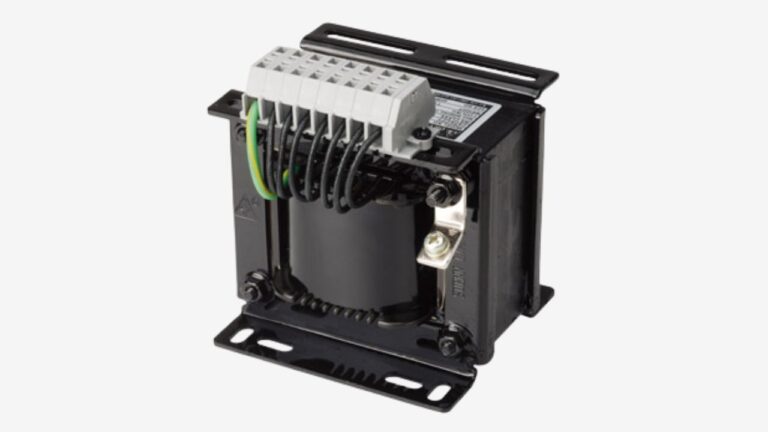
Selecting transformer single phase to three phase requires precise technical evaluation for industrial applications. Power engineers focus on load characteristics and operational stability during early planning stages. Input supply conditions often vary across regions and affect conversion efficiency directly. Output balance must remain stable to protect motors and sensitive equipment from damage. Harmonic distortion also impacts performance and should be minimized through proper design. Equipment lifespan depends heavily on insulation systems and thermal endurance ratings. Industrial buyers must also consider compliance with IEC and ANSI standards for safety. A well-chosen system reduces downtime and improves productivity across manufacturing environments. Accurate selection ensures consistent voltage transformation and reliable three-phase power delivery under varying operational loads.
Power Capacity And Load Type Evaluation
Power capacity defines how effectively the system handles continuous and peak demands. Engineers calculate total load by analyzing connected equipment and startup currents. Inductive loads such as motors require higher initial current compared to resistive loads. Load diversity factors also influence the final sizing decision for optimal performance. Oversizing increases cost while undersizing risks overheating and failure during operation. Duty cycle plays a critical role in determining appropriate transformer capacity levels. Industrial systems often require margin allowances for future expansion or load fluctuations. A properly sized transformer single phase to three phase ensures stable operation under dynamic conditions. Load imbalance must be minimized to prevent voltage drops and efficiency losses. Careful evaluation supports long-term reliability in demanding industrial environments.
Voltage Compatibility And Conversion Accuracy
Voltage compatibility ensures smooth integration with existing electrical infrastructure. Input voltage variations can affect output waveform and system stability significantly. Engineers must verify primary and secondary voltage ratings before final selection. Frequency consistency also plays a crucial role in maintaining operational accuracy. Voltage imbalance leads to uneven current distribution across three phases. This imbalance can damage sensitive machinery and reduce equipment lifespan. Precision in conversion directly influences motor efficiency and operational stability. Transformer design must account for regional grid variations and fluctuation patterns. Advanced systems provide tighter voltage regulation and improved phase balance. Reliable transformer single phase to three phase solutions maintain consistent output under fluctuating supply conditions.
Efficiency Ratings And Energy Loss Control
Efficiency determines operational cost and long-term energy consumption in industrial systems. Core losses and copper losses are primary contributors to total energy waste. High-grade silicon steel cores reduce hysteresis and eddy current losses effectively. Copper winding quality directly impacts resistance and thermal performance. Energy-efficient systems help reduce operational expenses over extended usage periods. Loss reduction also supports environmental compliance and sustainability goals. Load-dependent efficiency curves must be evaluated for accurate performance assessment. Modern transformer designs incorporate improved materials and optimized magnetic circuits. Selecting transformer single phase to three phase with high efficiency improves ROI significantly. Continuous operation environments benefit from minimized energy losses and improved thermal stability.
Cooling Methods And Thermal Performance
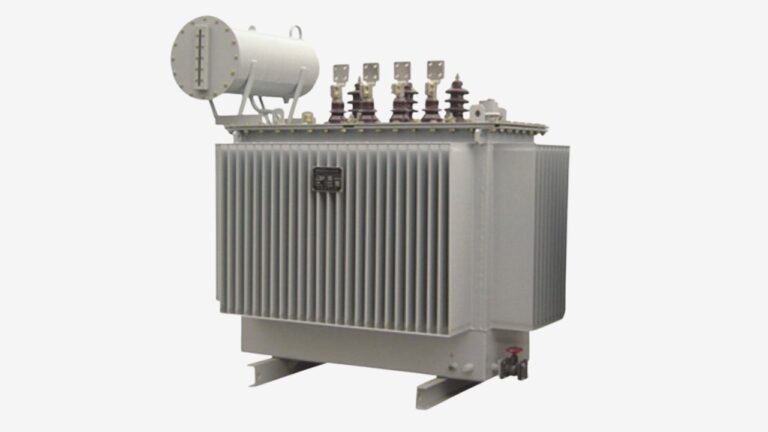
Cooling systems directly influence transformer lifespan and operational safety. Heat generation occurs due to electrical losses within core and windings. Effective cooling prevents insulation degradation and maintains stable operating temperatures. Air-cooled systems suit light industrial environments with moderate load conditions. Oil-immersed systems provide superior heat dissipation for heavy-duty applications. Advanced cooling designs include forced air and oil circulation mechanisms. Thermal monitoring systems help detect abnormal temperature rises during operation. Proper ventilation ensures consistent airflow and prevents localized overheating issues. A 110 kv oil-immersed power transformer demonstrates strong thermal stability under high load conditions. Selecting transformer single phase to three phase with proper cooling ensures long-term reliability.
Material Selection And Core Design Standards
Material quality directly determines durability and electrical performance in transformer systems. Core materials must comply with IEC 60076-1, which defines loss limits and magnetic performance requirements. Grain-oriented silicon steel follows IEC 60404-8-7 standards, ensuring high permeability and low hysteresis loss. This improves magnetic flux control and reduces energy loss during operation. Winding conductors must meet IEC 60228 standards for conductivity and dimensional precision. High-purity copper enhances current capacity and thermal stability under load conditions. Insulation systems must satisfy IEC 60076-3 for dielectric strength and impulse voltage resistance. Thermal classification is defined by IEC 60085, which sets insulation temperature limits. In North America, ANSI C57.12.00 provides additional requirements for construction and performance.
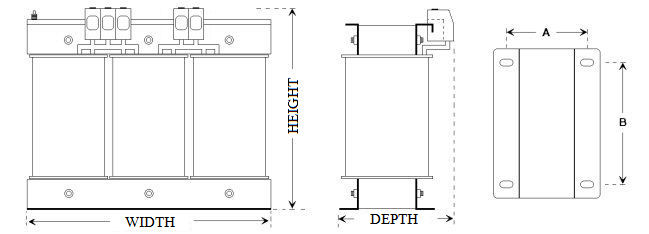
Mechanical strength is evaluated using IEC 60076-5, ensuring resistance to short circuit forces. Noise levels are controlled under IEC 60076-10 to limit operational sound emissions. Proper material selection ensures reliable transformer single phase to three phase performance.
Protection Systems And Short Circuit Strength
Protection mechanisms safeguard equipment against electrical faults and abnormal conditions. Short circuit strength defines the ability to withstand sudden fault currents without damage. Protective relays detect overloads and initiate shutdown procedures when necessary. Surge protection devices prevent damage from voltage spikes and lightning events. Ground fault protection ensures safety in industrial environments with complex wiring systems. Circuit breakers must match system ratings for effective fault isolation. Advanced systems include real-time monitoring for early fault detection. Reliable transformer single phase to three phase designs incorporate multiple protection layers. Strong fault tolerance improves system safety and reduces maintenance costs significantly. Industrial operations benefit from enhanced protection and minimized downtime risks.
Installation Environment And Space Constraints
Installation conditions affect performance and maintenance requirements significantly. Indoor installations require proper ventilation and temperature control systems. Outdoor environments demand weather-resistant enclosures and corrosion protection measures. Space limitations influence transformer size and configuration choices. Noise levels may also impact placement decisions in certain industrial facilities. Accessibility for maintenance should be considered during layout planning stages. Environmental factors such as humidity and dust affect insulation longevity. Proper grounding ensures operational safety and system stability. A 66 kv oil-immersed power transformer often requires dedicated installation space with safety clearance. Selecting transformer single phase to three phase must align with site conditions and spatial constraints.
Cost Structure And Lifecycle Investment Analysis
Initial cost represents only part of the total investment in transformer systems. Operational efficiency impacts long-term energy expenses significantly. Maintenance costs depend on design complexity and component durability. Downtime risks can result in production losses and increased operational expenses. Lifecycle analysis helps evaluate total cost of ownership over time. High-efficiency systems often justify higher upfront investment through energy savings. Spare parts availability also influences maintenance planning and cost control. Reliable transformer single phase to three phase solutions reduce unexpected repair expenses. Budget planning must consider installation, operation, and maintenance factors collectively. Strategic investment decisions improve overall financial performance in industrial projects.
Comparison Of Common Transformer Configurations
| Configuration Type | Application Scenario | Advantages | Limitations |
|---|---|---|---|
| Rotary Phase Converter | Heavy Industrial Motors | Stable output and high torque support | Requires regular maintenance |
| Static Converter | Light Machinery | Lower cost and simple design | Limited power handling capability |
| Digital Converter | Precision Equipment | High efficiency and stable voltage | Higher initial investment |
Technical Comparison Of Performance Metrics
| Parameter | Low Capacity System | Medium Capacity System | High Capacity System |
|---|---|---|---|
| Efficiency | 85% - 90% | 90% - 95% | 95% - 98% |
| Cooling Method | Air Cooled | Air or Oil | Oil Immersed |
| Application | Small Workshops | Manufacturing Plants | Heavy Industry |
Technical Considerations After Configuration Selection
After selecting configuration, deeper technical evaluation ensures optimal system performance. Engineers must validate phase balance under varying load conditions. Harmonic filtering may be required for sensitive equipment protection. Voltage regulation mechanisms should maintain stability during fluctuations. Installation alignment must follow safety and operational standards strictly. Regular testing ensures consistent performance over time. Monitoring systems provide real-time data for maintenance planning. Transformer single phase to three phase systems require periodic inspection for insulation integrity. Proper commissioning ensures all parameters meet design expectations. Continuous evaluation improves operational efficiency and reduces unexpected failures in industrial environments.
Key Selection Criteria Checklist
- Evaluate input voltage stability before system integration
- Confirm output phase balance under load conditions
- Check insulation class for thermal endurance requirements
- Review harmonic distortion levels for sensitive equipment
- Assess cooling system suitability for operating environment
- Verify compliance with IEC and ANSI standards
Detailed Explanation Of Selection Criteria
Each checklist item plays a critical role in ensuring reliable system operation. Voltage stability affects overall efficiency and equipment protection. Phase balance prevents uneven load distribution and overheating risks. Insulation class determines resistance to thermal and electrical stress over time. Harmonic distortion can disrupt sensitive devices and reduce performance quality. Cooling systems must match load intensity and environmental conditions precisely. Standards compliance ensures safety and compatibility across industrial systems. Transformer single phase to three phase selection becomes more accurate when these factors are evaluated collectively. Engineers rely on these criteria to optimize performance and extend equipment lifespan in demanding operational settings.
FAQ
What Is A Transformer Single Phase To Three Phase Used For?
A transformer single phase to three phase is commonly used in industrial environments where only single-phase power is available. It enables operation of three-phase machinery such as motors, compressors, and production equipment. Many factories depend on this conversion to avoid costly infrastructure upgrades. The system provides balanced power output, which improves efficiency and equipment performance. Manufacturing plants, workshops, and agricultural facilities often rely on these solutions. Stable three-phase output ensures smoother motor operation and reduces vibration. This technology helps expand operational capability without major electrical system changes. Businesses benefit from improved productivity and flexible power management across different applications.
How To Calculate Capacity For Transformer Selection?
Capacity calculation begins by identifying all connected loads and their power ratings. Engineers must include starting currents, especially for motor-driven equipment. Total load demand is calculated using kilowatts or kilovolt-amperes depending on system requirements. A safety margin is added to handle unexpected load increases. Load diversity and duty cycles also influence final capacity decisions. Continuous operation requires more conservative sizing for reliability. Power factor correction may be considered to improve efficiency. Accurate calculations ensure the transformer operates within safe limits. Proper sizing prevents overheating and extends equipment lifespan significantly.
What Standards Should Be Followed In Industrial Applications?
Industrial transformer systems must follow specific international and regional standards to ensure safety and performance. IEC 60076 series defines requirements for power transformer design, testing, and operation. IEC 60076-1 covers general specifications, while IEC 60076-3 focuses on insulation and dielectric testing. Short circuit strength is verified under IEC 60076-5, ensuring mechanical durability during faults. Thermal performance is controlled by IEC 60076-2, which sets temperature rise limits. In North America, ANSI C57.12.00 specifies construction, ratings, and testing procedures. Efficiency and energy performance may align with DOE regulations for minimum efficiency levels. Insulation materials follow IEC 60085 for thermal classification standards. Compliance with these standards ensures reliable transformer operation, reduces failure risks, and guarantees compatibility with industrial electrical systems.