
How To Choose Three Phase Transformers Are Available In?
-
Three phase transformers are available in voltage classes, cooling types, ratings, and certified B2B sourcing options.
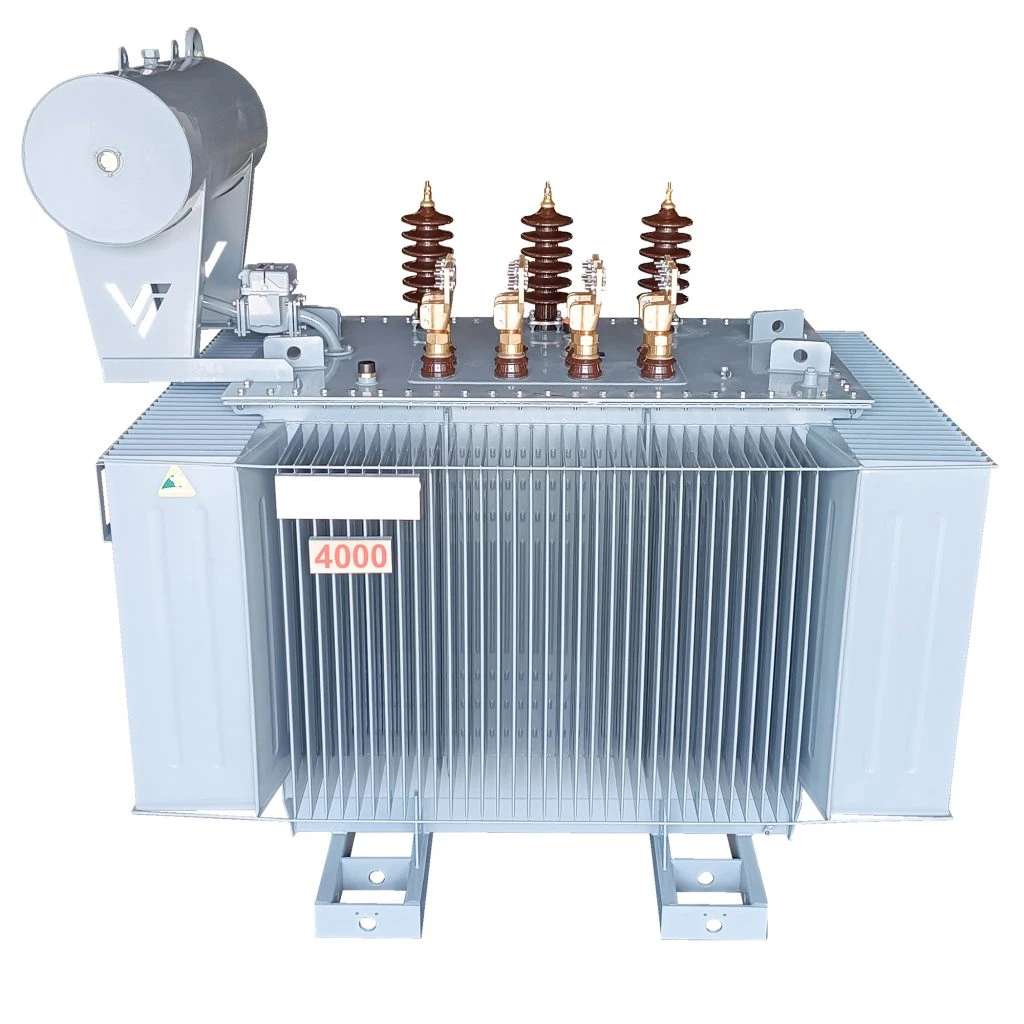
Industrial buyers often ask where three phase transformers are available in real product ranges. The phrase points to options, not geography. Factories need clear voltage matches first. Utilities need grid stability next. Data centers need tight efficiency targets. Mining sites need rugged insulation systems. Buyers should map load profiles early. They should record starting currents carefully. Harmonic loads also need review. Future expansion matters during sizing. Spare capacity avoids costly retrofits later. Reliable vendors share test data quickly. They also explain standards clearly. Delivery planning affects shutdown schedules. Freight dimensions can change crane costs. Strong procurement starts with exact operating data. That step reduces pricing errors greatly. It also shortens engineering revisions.
Voltage Classes Used in Industrial Projects
Voltage class decides insulation thickness and terminal design. Low voltage units serve internal plant systems. Medium voltage units feed motors and process lines. Higher classes support distribution substations. Common primaries vary by country. Common secondaries vary by machinery needs. Buyers must confirm frequency too. Fifty hertz and sixty hertz differ. Tap changers help voltage correction. Surge protection remains important outdoors. Clearance distances need code review. Cable terminations must match lugs. Wrong class selection raises failure risk. Engineers usually compare utility supply first. Then they match downstream equipment ratings. A 66 kv oil-immersed power transformer often suits larger networks. It offers strong thermal endurance. Proper bund walls may be required.

Cooling Methods and Safety Choices
Cooling design affects footprint, service, and risk. Dry type units suit indoor buildings often. They reduce liquid containment needs. Resin systems resist moisture well. Oil immersed units manage overloads efficiently. They also perform well outdoors. Fans can raise temporary capacity. Noise limits should be checked early. Fire rules differ by region. Ventilation planning matters indoors. Dust control extends insulation life. Ambient temperature changes real output. Buyers should request temperature rise values. Routine maintenance plans need budgeting. Oil sampling predicts internal issues. Thermal scans reveal loose joints. Each site needs a practical balance. Safety, uptime, and cost must align.
Three phase transformers are available in Power Ratings
Power rating uses kVA or MVA values. Correct sizing starts with actual demand data. Peak demand differs from average load. Motor starts can spike current sharply. Welders create unstable loading patterns. Variable drives add harmonics sometimes. Engineers apply demand factors carefully. Diversity can reduce oversizing. Growth margin should remain reasonable. Huge margins waste capital quickly. Tiny margins shorten service life. Continuous duty needs thermal reserve. Emergency duty needs clear limits. Nameplate values require ambient assumptions. Ask vendors for derating curves. Those curves aid hot climates. three phase transformers are available in many capacities. Selection should follow measured usage.
| Typical Rating | Common Use | Buyer Focus |
|---|---|---|
| 100-500 kVA | Small plants | Space and cost |
| 630-2500 kVA | Factories | Efficiency |
| 3-10 MVA | Heavy industry | Redundancy |
| 10+ MVA | Utility nodes | Grid compliance |
Material Selection and Efficiency Targets
Winding material changes losses and weight. Copper offers higher conductivity. Aluminum can lower purchase cost. Busbar interfaces need proper design. Core steel quality affects no-load loss. Better laminations cut heat output. IEC 60076 covers tests and ratings. IEC 60034 guides connected motor loads. IEEE C57 defines many practices. Buyers should request guaranteed losses. Penalty clauses protect operating budgets. IEC 60529 covers enclosure ingress levels. Hospitals and offices need quieter units. IEC 60076-5 covers short circuits. Mechanical bracing prevents winding movement. IEC 60076-3 covers impulse tests. Strong documentation separates serious suppliers.
Installation Conditions and Protection Planning
Site conditions can ruin good equipment. Coastal air increases corrosion risk. Chemical vapors attack finishes quickly. Desert dust blocks cooling paths. Earthquake zones need anchoring plans. Flood areas need raised plinths. Indoor rooms need airflow studies. Outdoor yards need UV resistance. Cable trenches need drainage paths. Access space aids maintenance crews. Earthing systems need inspection. Sensors can improve uptime. Temperature probes warn operators early. Moisture alarms help stored spares. Buyers should share site photos. Vendors then refine enclosure details. three phase transformers are available in custom protection packages.
| Environment | Recommended Feature | Main Benefit |
|---|---|---|
| Coastal | Anti-corrosion coating | Longer enclosure life |
| Dusty | Filtered airflow | Stable cooling |
| Indoor tower | Low noise design | Comfort compliance |
| Flood zone | Raised base | Water protection |
Supplier Qualification for B2B Orders
Vendor strength matters beyond price. Factory audits reveal process control. Buyers should inspect winding lines. Core stacking methods deserve review. Resin curing control is important. Test bays must be calibrated. ISO 9001 helps quality discipline. Type test reports add trust. FAT schedules reduce disputes. Packaging methods affect transit damage. Export experience speeds customs flow.
Response time shows service maturity. Spare parts policy needs clarity. Warranty scope should be written. Project references help verification. Financial stability also matters. Long lead vendors need planning. three phase transformers are available in many markets, yet capability differs.
Commercial Checks Before Purchase Orders
Procurement teams should collect exact data first. Use a structured RFQ pack. Missing details create change orders later. Include these items below.
- Primary and secondary voltages
- Frequency and vector group
- Required impedance range
- Cooling type preference
- Indoor or outdoor location
- Noise and efficiency limits
- Delivery deadline and destination
- Spare parts request
Complete RFQs shorten quotation cycles. They also improve price comparability. Engineers can compare like-for-like offers. Logistics teams can reserve lifting gear. Finance teams can model lifetime cost. Better preparation lowers total risk.
Special Product Segments and Custom Builds
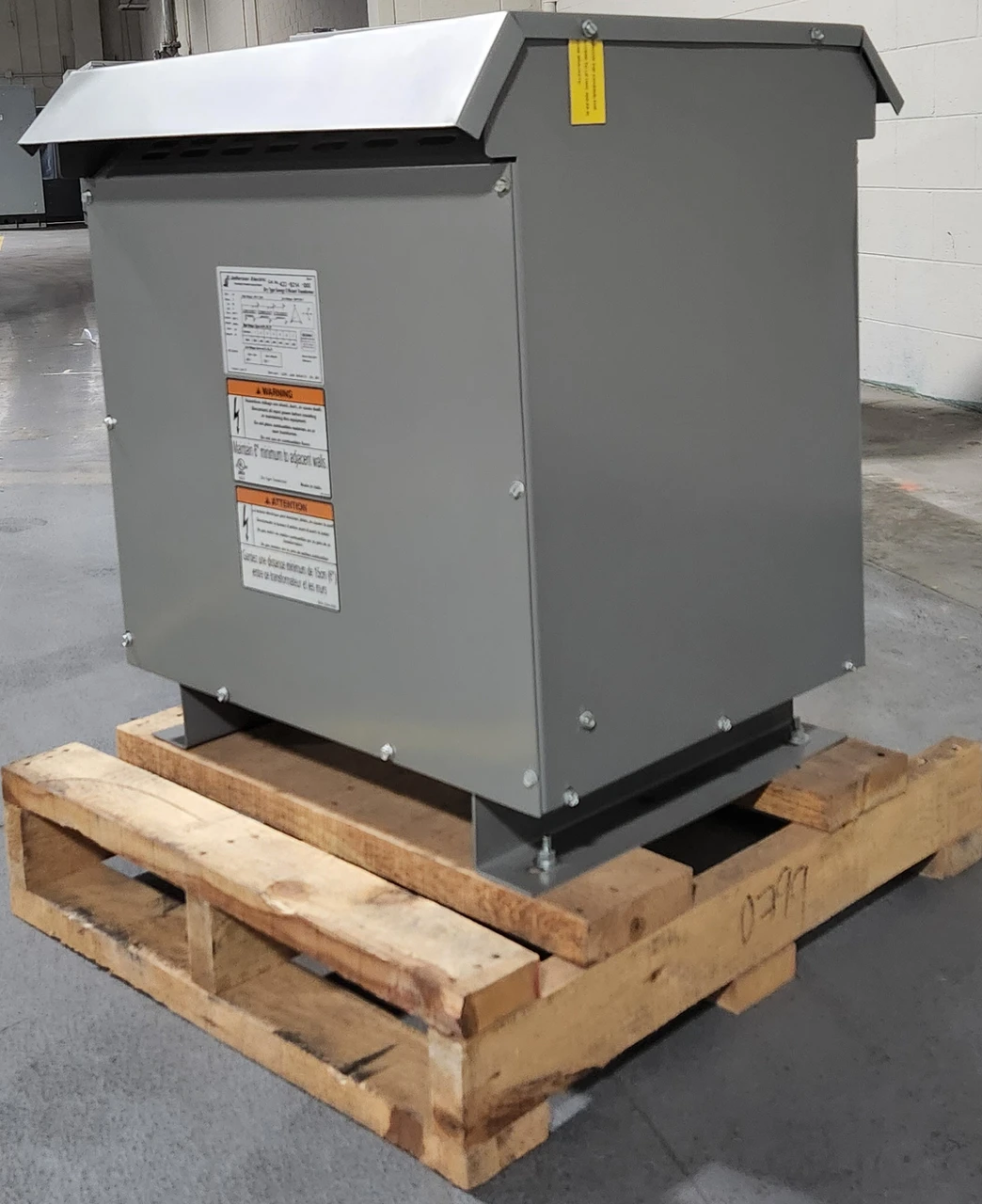
Some projects need unusual configurations. Rectifier duty units handle heavy harmonics. Furnace units face severe cycling. Marine units need vibration tolerance. Renewable plants need fluctuating profiles. Compact skid stations save civil work. Smart sensors add remote visibility. Parallel operation needs matching impedance. Neutral earthing may need reactors. Buyers should define every accessory. A 10kv -35kv dry type transformer suits many indoor networks. It can simplify fire planning. Cast resin designs resist humidity well. Service access still matters greatly. three phase transformers are available in many engineered variants.
Final Buying Strategy for Industrial Teams
Best selection combines engineering and commerce. Start with verified load data. Confirm grid parameters next. Compare lifecycle losses carefully. Review maintenance resources honestly. Match cooling design to site. Demand documented tests before shipment. Plan spares with criticality logic. Choose vendors with fast support. Avoid cheapest bids alone. Delays often cost more later. Warranty response time matters. Installation supervision can prevent errors. Commissioning records support future claims. three phase transformers are available in broad choices, so disciplined selection wins.
FAQ
What capacity should a factory order?
Capacity should reflect measured demand, not guesses. Review twelve months of utility data first. Then inspect seasonal peaks carefully. Add motor starting effects next. Include future expansion plans realistically. Many plants add fifteen percent reserve. Some volatile sites need more. Oversizing raises no-load losses yearly. Undersizing causes overheating and trips. Ask suppliers for loading curves. Request harmonic impact comments too. Confirm ambient temperature assumptions clearly.
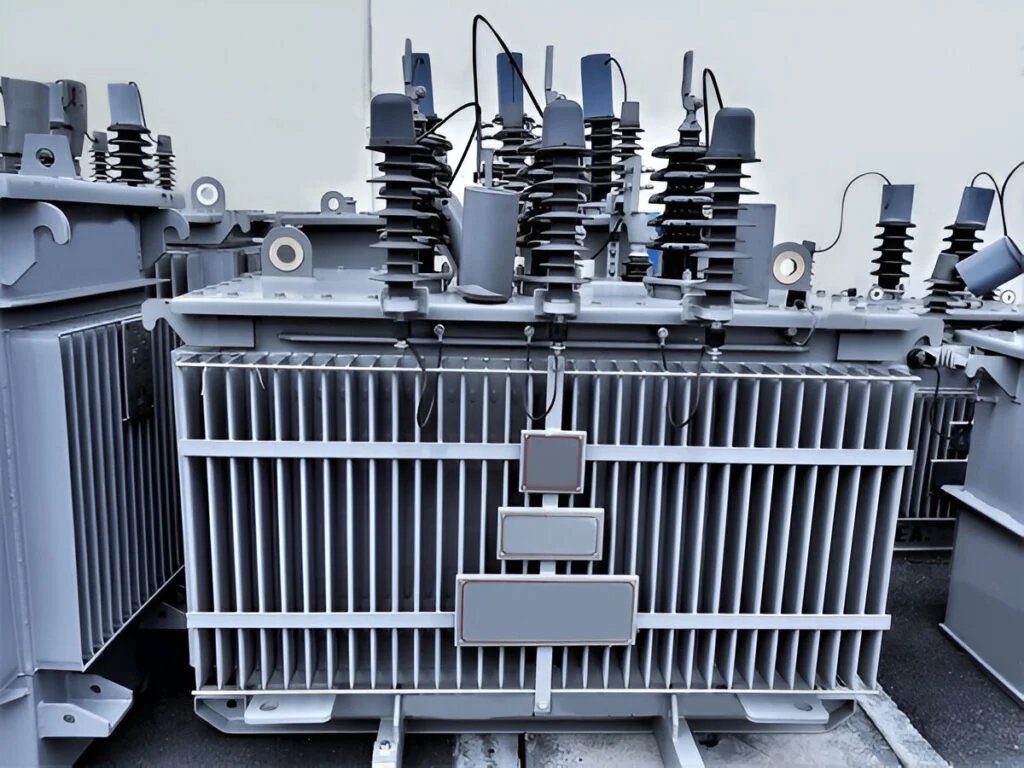
If redundancy exists, capacity may differ. Engineers should compare capex and opex together. That method supports better long-term value.
Dry type or oil immersed for industrial plants?
The answer depends on location and risk. Indoor commercial buildings favor dry type often. They reduce liquid containment needs. Fire rules may become easier. Outdoor yards often favor oil units. They handle overloads efficiently. Large ratings commonly use liquid cooling. Maintenance resources also matter greatly. Oil testing gives predictive signals. Dry units need clean airflow paths. Noise targets can influence choice. Humid rooms may suit resin systems. Tight rooms may need compact layouts. Always compare total installed cost. Include civil works and ventilation.
Which certifications matter for exports?
Required certifications vary by destination market. IEC 60076 covers ratings and tests. IEEE C57 covers design practices widely. ISO 9001 supports quality systems. ISO 14001 may aid ESG reviews. Routine test certificates are essential. Type test evidence adds confidence. Material declarations may be requested. Efficiency statements can affect approvals. Packing compliance helps border clearance. Wooden crates may need ISPM 15 marks. Ask customs brokers early. Utility projects may require witness tests. Clear document control prevents shipment delays. Strong certification packages speed acceptance.