How To Choose Three Phase Transformer?
-
Selecting a three phase transformer requires analyzing core materials, insulation classes, and efficiency for industrial power.
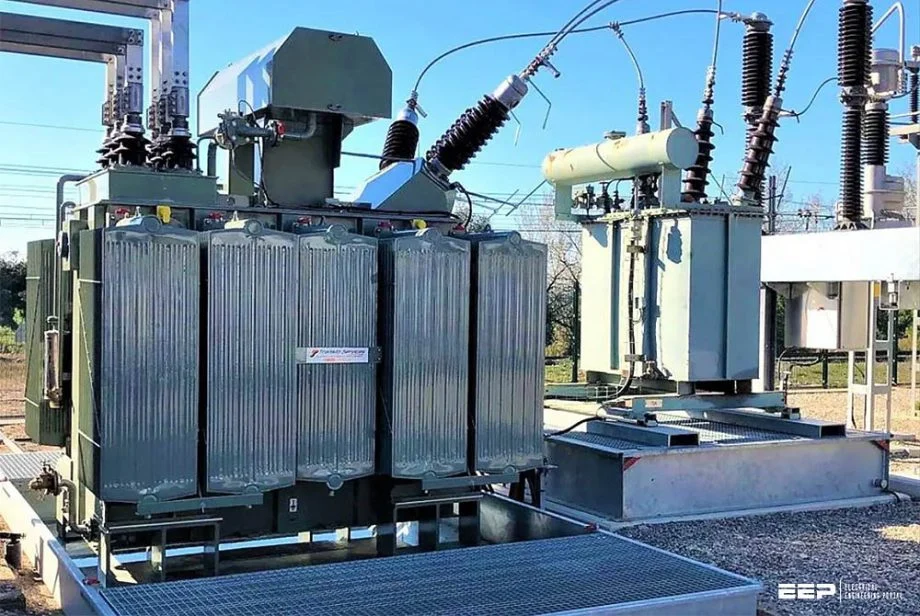
Industrial power distribution relies heavily on the correct selection of a three phase transformer to ensure operational stability. Engineers must evaluate the total load requirements and future expansion plans before making a purchase. Voltage regulation and efficiency ratings significantly impact the long-term electricity costs of any manufacturing facility. High-quality units utilize advanced magnetic materials to minimize energy dissipation during continuous operation. Modern power grids demand robust equipment that can handle fluctuating loads without overheating. Selecting the right capacity prevents premature failure and reduces maintenance downtime. Every technical specification must align with the specific electrical environment of the site. Professional consultation helps in identifying the most suitable configuration for complex industrial applications. Reliability remains the top priority for critical infrastructure projects worldwide. Careful planning ensures that the chosen equipment meets all safety and performance standards for years.
Evaluating Core Material Properties And Efficiency Standards
The magnetic core serves as the heart of every high-performance three phase transformer used in modern industry. Manufacturers typically use cold-rolled grain-oriented silicon steel to achieve superior permeability. This specific material reduces hysteresis losses by aligning the crystal structure with the magnetic field. Eddy current losses are further mitigated through the application of thin laminations with high-resistance coatings. Amorphous metal cores offer even higher efficiency for specialized green energy applications. Superior core design ensures that the unit operates quietly while maintaining a low no-load loss profile. High-grade steel prevents saturation during peak demand periods. Engineers often specify the maximum flux density to ensure the core remains within safe limits. Investing in premium core materials pays off through significantly lower utility bills over time. Quality core construction is vital for maintaining the overall integrity of the power system.
Thermal Performance Of Insulation Classes And Management Systems
Thermal performance dictates the lifespan and reliability of power equipment in harsh industrial environments. Insulation materials are categorized into various classes based on their maximum allowable operating temperatures. Class H insulation systems can withstand temperatures up to 180 degrees Celsius without degrading. These materials often include Nomex paper and specialized silicone resins for enhanced durability. Proper cooling mechanisms like forced air or natural convection are essential for heat dissipation. Temperature sensors provide real-time data to prevent thermal runaway during heavy load cycles. High-quality insulation prevents internal short circuits and extends the service life of the windings. Ambient conditions must be considered when choosing the appropriate thermal protection level. Robust thermal management ensures that the equipment remains operational under extreme weather conditions. Consistent monitoring of temperature levels helps in predicting potential maintenance needs before they become critical issues.
Technical Specifications Of Winding Configurations And Vector Groups
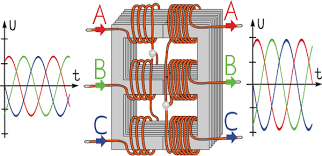
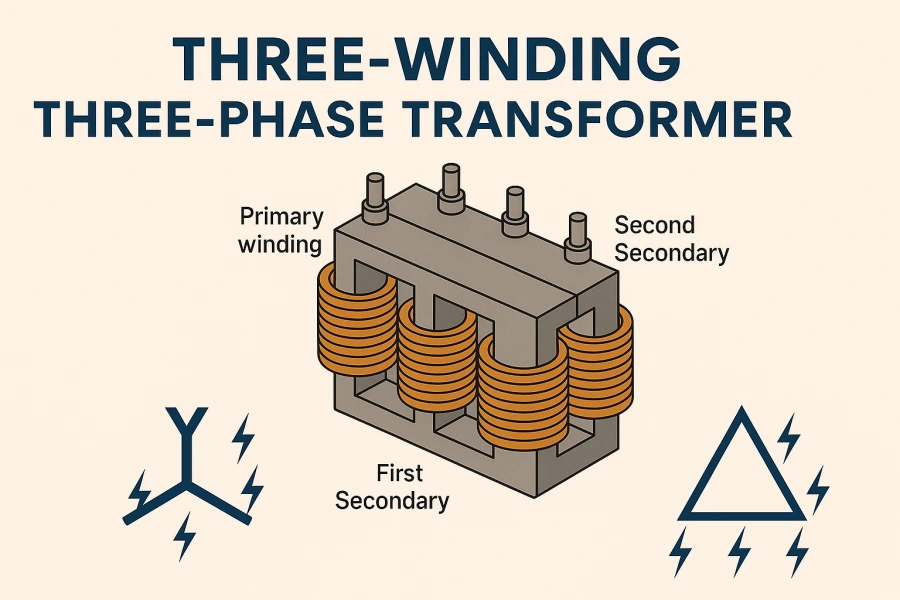
Winding design plays a crucial role in the electrical performance of a three phase transformer. Copper remains the preferred material for windings due to its excellent conductivity and mechanical strength. Aluminum alternatives are sometimes used to reduce weight and initial capital expenditure. The choice between Delta and Star connections depends on the grounding requirements of the system. Vector groups like Dyn11 or Ynd11 determine the phase displacement between primary and secondary voltages. Proper winding techniques minimize leakage reactance and improve voltage regulation. Harmonic mitigation is often achieved through specialized winding arrangements in sensitive electronic environments. High-voltage applications require precise insulation between layers to prevent dielectric breakdown. Grasping these technical nuances is vital for seamless integration into existing power networks. Expert engineering ensures that the winding configuration matches the specific needs of the industrial load.
Comparing Dry Type Versus Oil Immersed Three Phase Transformer
Choosing between dry type and oil-immersed units depends on the installation environment and safety regulations. Dry type models are ideal for indoor applications where fire safety is a major concern. They utilize cast resin or vacuum pressure impregnation for insulation and cooling. In contrast, oil-immersed units offer superior cooling efficiency for high-capacity outdoor installations. Mineral oil or synthetic esters serve as both a coolant and a dielectric medium. These units are often more compact for the same power rating compared to dry types. Maintenance requirements differ significantly between these two primary technologies. Environmental impact assessments should guide the selection of biodegradable cooling fluids. Each technology has specific advantages that cater to different industrial and commercial needs. Proper evaluation of the site conditions will lead to the most cost-effective and reliable equipment choice.
Comparison Of Core Materials And Insulation Classes
| Material Type | Temperature Limit | Efficiency Level | Primary Application |
|---|---|---|---|
| CRGO Steel | 155°C | High | Standard Industrial |
| Amorphous Metal | 140°C | Ultra-High | Green Energy Grids |
| Class H Nomex | 180°C | Very High | High-Heat Zones |
| Class F Resin | 155°C | Standard | Indoor Commercial |
Interpreting Comparative Data For Optimal System Integration
The data presented in the table highlights the critical trade-offs between material performance and application requirements. Choosing CRGO steel provides a balanced solution for most standard industrial power distribution needs. However, facilities focusing on extreme energy efficiency might prefer amorphous metal cores despite the higher cost. Insulation classes must be matched with the expected ambient temperature of the installation site. Using Class H materials ensures that the equipment can handle temporary overloads without permanent damage. High-efficiency materials contribute to a lower total cost of ownership over the product lifecycle. Engineers should use these metrics to specify the exact requirements for their procurement process. Proper material selection directly influences the reliability of the entire electrical infrastructure. Detailed technical analysis prevents the common mistake of under-specifying critical power components. Comprehensive data evaluation leads to better long-term performance and reduced operational risks for the facility.
Critical Protection Features And Enclosure Rating Requirements
Protection mechanisms are vital for safeguarding the three phase transformer from external faults and internal failures. Enclosure ratings like IP23 or IP65 define the level of protection against dust and moisture. High-voltage units often require sophisticated relay systems to detect overcurrent and ground faults. Buchholz relays are standard for oil-immersed models to identify gas accumulation from internal arcing. Pressure relief devices prevent tank rupture during catastrophic internal faults. Surge arresters protect the windings from lightning strikes and switching transients. Short-circuit strength must be verified through rigorous testing to ensure mechanical integrity. Proper grounding of the enclosure and core is essential for personnel safety. Advanced monitoring systems can provide early warnings of potential issues before they escalate. Robust protection schemes are the first line of defense against costly equipment damage and power outages.
Standard Compliance And International Quality Certifications
Adherence to international standards ensures the quality and safety of power distribution equipment. The IEC 60076 series provides comprehensive guidelines for the design and testing of power units. IEEE C57 standards are widely followed in North America for similar applications. Compliance with these regulations guarantees that the equipment meets minimum efficiency and safety benchmarks. Routine tests include insulation resistance, turns ratio, and polarity checks. Type tests like lightning impulse and temperature rise are performed on representative samples.
Partial discharge measurements help in identifying microscopic defects in the insulation system. Certification from recognized bodies like UL or KEMA adds a layer of trust for global buyers. Following these standards simplifies the procurement process and ensures interoperability between different manufacturers. Rigorous testing protocols verify that every unit performs as expected under various operational stresses.
Strategic Procurement Checklist For Industrial Power Systems
Effective procurement requires a systematic approach to evaluate various technical and commercial factors. Buyers should prioritize the following criteria during their selection process:
•Total rated capacity in kVA or MVA.
•Primary and secondary voltage levels.
•Required vector group and phase displacement.
•Efficiency targets and maximum allowable losses.
•Environmental conditions and enclosure IP ratings.
•Availability of local after-sales support and spare parts.
•Compliance with specific regional or international standards.
•Budgetary constraints versus long-term operational savings.
Final Considerations For Long Term Operational Reliability
The checklist provided above serves as a foundational tool for making an informed purchasing decision. Every point on the list addresses a specific technical or operational risk in power distribution. For instance, a 10 kv oil-immersed transformer might be the perfect fit for a medium-sized factory. This specific voltage level is common for regional distribution networks in many industrial zones. Matching the rated capacity with the actual load profile prevents inefficient operation and overheating. Buyers must also consider the lead time for custom-built units to avoid project delays. Quality assurance documentation should be reviewed thoroughly before finalizing any contract. Investing time in the procurement phase ensures a stable power supply for decades. Professional engineering teams often use these resources to standardize their equipment specifications across multiple sites. Long-term reliability depends on the careful alignment of technical capabilities with operational demands.
Technical Parameters For High Voltage Power Distribution
| Parameter | Medium Voltage | High Voltage | Ultra-High Voltage |
|---|---|---|---|
| Voltage Range | 1kV - 35kV | 36kV - 220kV | Above 220kV |
| Cooling Type | ONAN / ONAF | ONAF / OFAF | ODAF / ODWF |
| Insulation Medium | Oil or Resin | Mineral Oil | Synthetic Oil |
| Typical Use | Distribution | Transmission | Grid Interconnect |
Why Objective Evaluation Prevents Procurement Risk
Objective evaluation avoids assumptions. Capacity data reveals reliability. Cost structure explains pricing logic. Delivery records confirm execution ability. Quality systems indicate long-term stability. Export experience reduces compliance risk. Structured assessment improves supplier selection. Buyers gain confidence through verified capability.
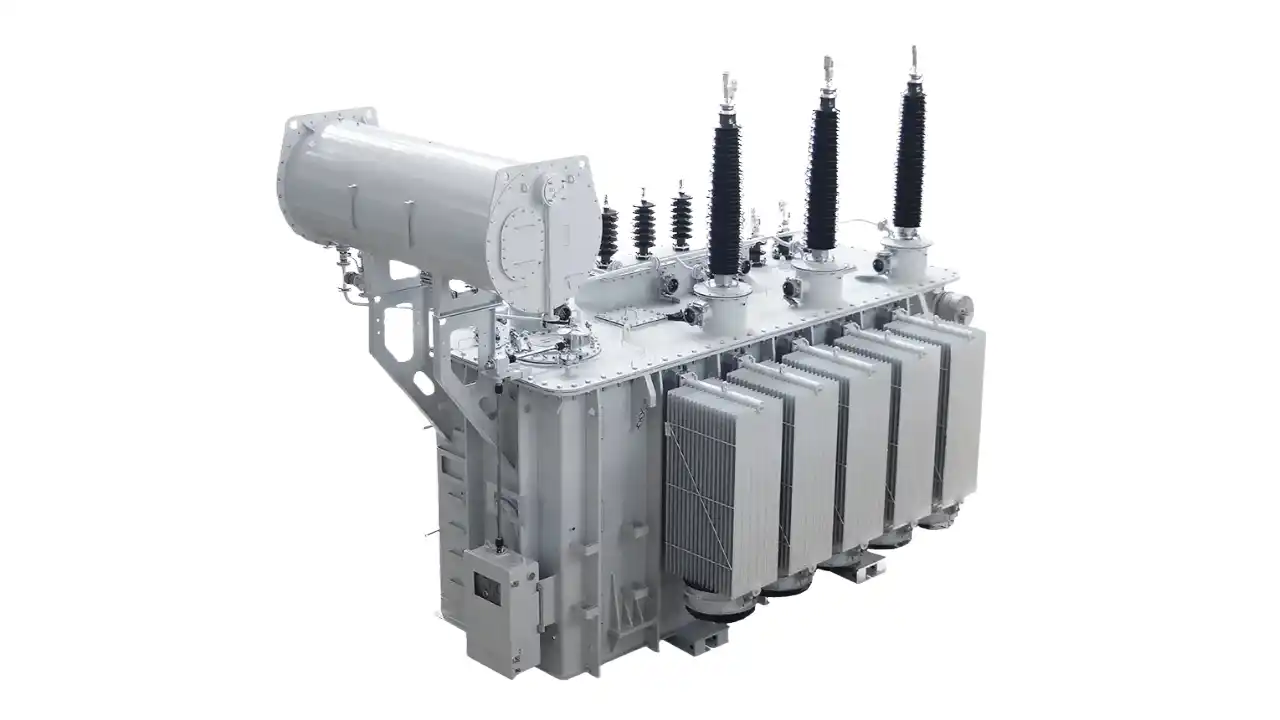
Analyzing High Voltage Requirements For Large Scale Infrastructure
Large scale infrastructure projects often require specialized equipment to handle massive power loads across long distances. A 66 kv oil-immersed power transformer is frequently utilized in sub-transmission networks to step down voltage. These units must feature advanced cooling systems to manage the significant heat generated during operation. High-voltage bushings and tap changers are critical components that require precise engineering and maintenance. The choice of insulation oil becomes even more critical at these higher voltage levels. Regular dissolved gas analysis helps in monitoring the health of the internal insulation system. Robust mechanical construction is necessary to withstand the forces generated during external short circuits. Engineers must ensure that the protection coordination is perfectly tuned for these high-value assets. Reliable high-voltage equipment forms the backbone of a modern and resilient electrical grid. Proper maintenance of these large units is essential for preventing widespread power disruptions.
FAQ
What are the primary cooling methods for these units?
Cooling methods are essential for maintaining the operational temperature of power equipment within safe limits. Natural air cooling is common for small dry type units used in ventilated indoor spaces. Forced air cooling uses fans to increase the heat dissipation rate for higher load conditions. Oil-immersed units often rely on Oil Natural Air Natural (ONAN) systems for standard operation. Larger transformers might use Oil Natural Air Forced (ONAF) or Oil Forced Air Forced (OFAF) methods. These advanced systems use pumps and fans to circulate the cooling medium more effectively. Proper cooling extends the life of the insulation and prevents thermal degradation of the core. Effective heat management is a key factor in ensuring the long-term reliability of any industrial power installation. Regular inspection of cooling fans and radiators helps in maintaining optimal performance throughout the year.
How does the K-factor affect transformer selection?
The K-factor is a numerical value that represents the ability of a unit to handle non-linear loads. Modern industrial facilities often use variable frequency drives and computers that generate significant harmonic currents. These harmonics cause additional heating in the windings and core due to increased skin effect. A standard unit might overheat if subjected to high harmonic content without proper derating. K-rated transformers are specifically designed with heavier neutral conductors and specialized winding techniques. Selecting the correct K-factor ensures that the equipment can handle the specific harmonic profile of the load. This prevents premature insulation failure and maintains system efficiency in electronically intensive environments. Engineers must conduct a thorough harmonic analysis of the facility before specifying the required K-factor for new equipment. Proper selection protects sensitive electronic devices from voltage distortions and thermal stress.
Why is impedance matching crucial for parallel operation?
Parallel operation allows multiple units to share a common load for increased capacity and redundancy. Successful parallel operation requires that the units have identical voltage ratios and vector groups. Impedance matching is particularly important to ensure that the load is shared proportionally to their ratings. If the impedances are not matched, one unit might become overloaded while the others remain underutilized. This imbalance leads to excessive heating and potential failure of the overloaded equipment. Engineers must specify the percentage impedance within a tight tolerance during the procurement process. Proper load sharing improves the overall reliability and flexibility of the industrial power distribution system. Regular testing of parallel units ensures that they continue to operate harmoniously under varying load conditions. Correct impedance alignment is a fundamental requirement for any multi-transformer power network.