
How To Choose Three Phase Transformer Wiring Diagram?
-
Three phase transformer wiring diagram for industrial systems: selection method wiring types safety factors configuration rules.
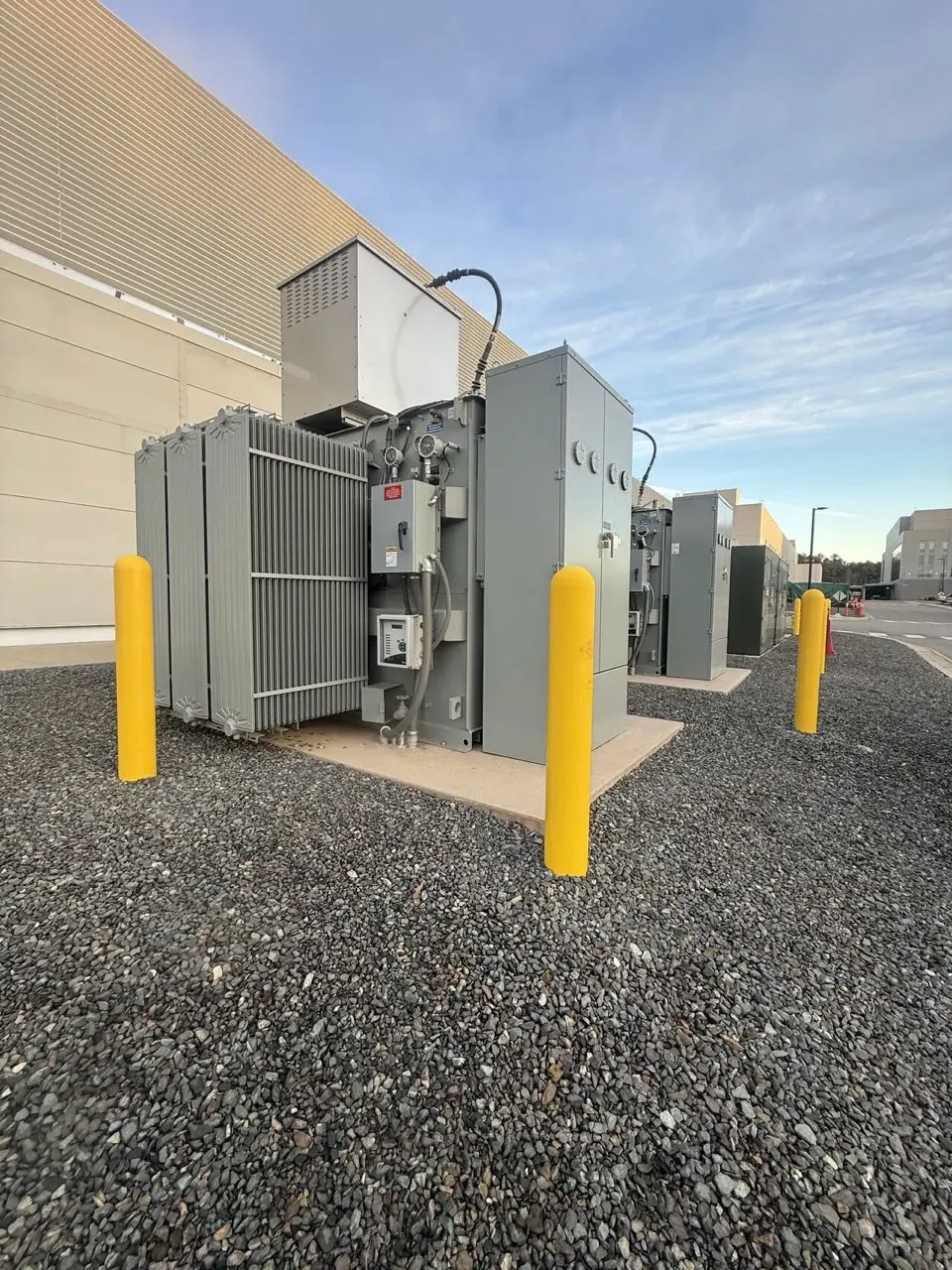
The three phase transformer wiring diagram plays a central role in industrial power distribution design. Engineers evaluate voltage levels, load behavior, and grounding strategies before choosing a configuration. Proper selection improves system efficiency and reduces long-term operational risk. Many B2B facilities depend on stable electrical architecture for continuous production output. Electrical planners also consider regional grid standards and equipment compatibility. Incorrect wiring choices may lead to overheating or phase imbalance issues. Industrial designers often simulate load conditions before final installation decisions. Reliable diagrams help technicians maintain consistency during installation and maintenance. System stability depends on balanced phase distribution across all operational loads. Industrial planners also document wiring standards for long-term maintenance reference. Safety protocols guide every stage of transformer configuration and verification. This approach ensures predictable performance across demanding industrial environments.
Core Electrical Principles in Industrial Transformer Systems
Three-phase systems distribute power through phase-shifted currents that improve efficiency. Engineers rely on phase geometry to reduce transmission losses in heavy industrial environments. A 110 kv oil-immersed power transformer often supports high-capacity grid transmission networks in substations. These systems require precise insulation coordination to ensure safe operation under high voltage stress. Designers also evaluate harmonic distortion when selecting transformer configurations. Cooling systems play a critical role in maintaining stable thermal performance. Mineral oil insulation enhances dielectric strength and supports heat dissipation. Maintenance teams monitor partial discharge levels to prevent insulation failure. Accurate modeling tools help predict performance under variable load conditions. Electrical architecture must align with both operational demand and safety margins.
Configuration Selection Factors in Industrial Wiring Design
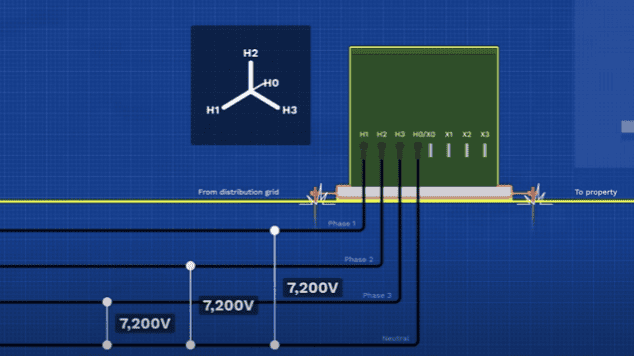
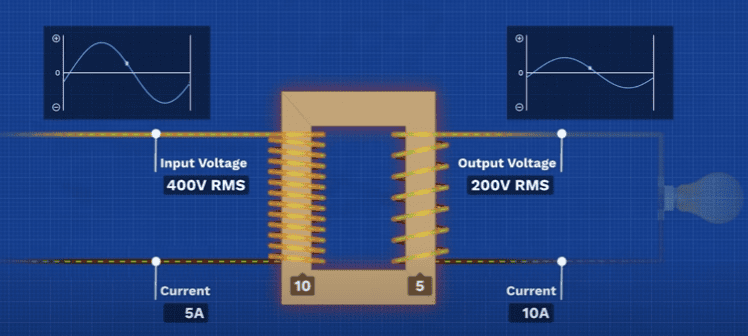
The three phase transformer wiring diagram determines how voltage and current interact across connected windings. Selection depends on whether the system prioritizes voltage stability or current efficiency. Engineers compare delta and star configurations to match operational requirements. Load type strongly influences the final wiring decision in industrial systems. Manufacturing plants often require different setups compared to utility distribution networks. Incorrect configuration increases energy loss and operational instability. Design teams validate each configuration through simulation before deployment. Field technicians verify wiring alignment during commissioning phases. Documentation ensures repeatable installation across multiple facilities. Electrical audits confirm compliance with engineering standards. These steps create a controlled framework for industrial transformer deployment.
Common Wiring Configurations and Industrial Applications
Industrial facilities use multiple transformer wiring configurations to match diverse operational needs. Each configuration supports specific voltage and load characteristics across systems. Engineers select designs based on safety, efficiency, and scalability requirements.
| Configuration | Electrical Behavior | Industrial Application |
|---|---|---|
| Delta-Delta | High current capacity and loop stability | Heavy-duty motor systems |
| Star-Star | Balanced voltage with neutral access | General distribution networks |
| Delta-Star | Voltage step-down with phase stability | Factory equipment supply |
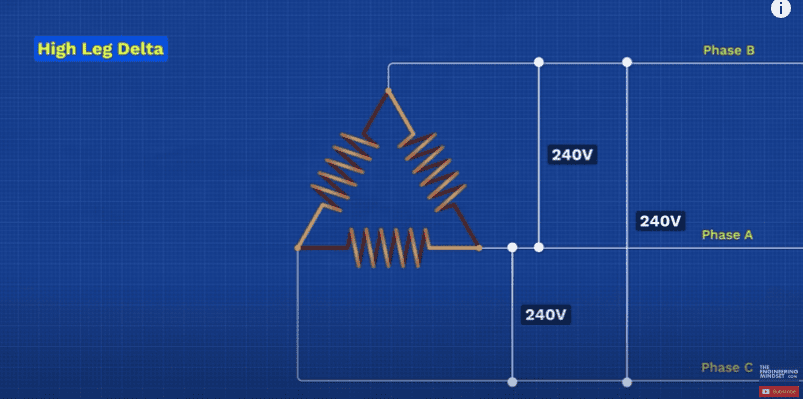
Delta connections improve current handling in heavy load environments. Star configurations support neutral grounding and voltage stability. Hybrid arrangements balance performance across transmission and distribution systems. These differences guide engineers in selecting safe and efficient designs for industrial operations.
Key Wiring Topologies for Industrial Transformer Selection
Selection of wiring topology impacts efficiency, safety, and maintenance complexity. Engineers evaluate multiple configurations before finalizing transformer deployment. The three phase transformer wiring diagram supports decision-making across system design phases. Delta-delta topology provides strong current capacity for industrial motors. Star-star setups enhance voltage balance across distribution networks. Delta-star systems enable voltage step-down for sensitive equipment. Star-delta arrangements reduce starting current in large motor applications.
- Delta-delta for heavy motor loads
- Star-star for balanced distribution systems
- Delta-star for voltage reduction applications
- Star-delta for motor starting control
Engineers document topology choice to support future upgrades. Proper documentation also improves maintenance accuracy across long operational cycles.
Electrical Load Behavior and System Response
Electrical load characteristics directly influence transformer performance under real operating conditions. Resistive and inductive loads create different phase shifts and thermal patterns. A 10 kv oil-immersed transformer typically serves medium voltage industrial distribution systems. Sudden load changes can trigger voltage instability if systems lack proper regulation. Engineers design protective relays to mitigate overload risks. Motor-driven facilities require careful analysis of startup currents. Load balancing improves system efficiency and reduces stress on windings. Monitoring systems track real-time consumption patterns for optimization. These insights support stable operation in demanding industrial environments.
Material and Structural Factors in Transformer Wiring Design
Transformer performance depends heavily on material selection and structural design. Copper windings offer lower resistance and higher conductivity under continuous load. Aluminum windings reduce cost but require larger cross-sectional areas. Insulation systems determine long-term durability under thermal stress. Oil-immersed cooling structures improve heat dissipation efficiency. Core lamination design reduces eddy current losses during operation. Mechanical clamping systems maintain winding stability under vibration. Thermal expansion behavior must be controlled during heavy load cycles. Engineers evaluate all structural elements before final system approval.
| Material Component | Function | Performance Impact |
|---|---|---|
| Copper Winding | Conduct electrical current | High efficiency and low loss |
| Aluminum Winding | Conduct electrical current | Cost efficiency with higher resistance |
| Mineral Oil | Cooling and insulation | Improved dielectric strength |
These material choices directly influence operational efficiency and system lifespan.
Voltage Regulation and Stability Control
Voltage regulation ensures consistent power delivery across fluctuating industrial loads. Tap changers adjust output levels to maintain system stability. Reactive power compensation reduces voltage drops in long transmission lines. Capacitor banks improve overall power factor performance. Automatic control systems respond to load variations in real time. Harmonic filters reduce waveform distortion from nonlinear equipment. Thermal monitoring prevents overheating during peak demand cycles. Proper regulation extends transformer lifespan and improves operational reliability.
Safety and Compliance in Industrial Electrical Systems
International compliance defines safe operation for power equipment across industrial networks. IEC 60076 specifies transformer design, temperature limits, insulation levels, and routine testing. IEC 61936-1 governs high-voltage installation, including clearances and grounding layouts. IEEE C57 series defines performance benchmarks, dielectric tests, and loss evaluation methods. NFPA 70E addresses arc flash risk assessment and protective clothing requirements. OSHA 29 CFR 1910 Subpart S enforces workplace electrical safety rules in industrial environments. IEEE 80 guides grounding design to control fault currents. These standards reduce hazards and equipment failures. Compliance ensures stable operation and safer commissioning. Regular audits confirm adherence during operation and upgrades.
Maintenance Strategies for Long-Term Reliability
Maintenance programs ensure consistent transformer performance across long service life. Routine inspections detect early signs of insulation degradation. Oil sampling identifies moisture or contamination risks. Thermal imaging reveals hotspots in winding structures. Vibration analysis detects mechanical imbalance issues. Cleaning procedures prevent dust accumulation in cooling systems. Scheduled testing validates protection relay accuracy. Predictive maintenance reduces unexpected downtime in industrial operations. Proper documentation supports long-term asset management strategies.
Installation and Commissioning Checklist
The three phase transformer wiring diagram guides structured installation procedures in industrial environments. Technicians verify phase sequence before energizing systems. Ground connections must meet resistance standards for safety compliance. Insulation resistance testing confirms system readiness. Load testing evaluates real operating performance under controlled conditions.
Wiring terminals require torque verification for mechanical stability. Protective devices must be calibrated before commissioning.
- Verify phase alignment and labeling
- Test insulation resistance levels
- Confirm grounding integrity
- Inspect torque on all terminals
- Validate protection relay settings
These steps ensure safe and stable system startup across industrial facilities.
Conclusion for Transformer Wiring Selection in Industrial Systems
Correct selection of the three phase transformer wiring diagram improves system reliability and operational efficiency. Engineers must evaluate load behavior, safety standards, and material design before final implementation. Industrial environments demand stable voltage control and predictable performance under variable conditions. Proper configuration reduces maintenance costs and extends equipment lifespan. Electrical planners must also consider future scalability during design stages. Standardized documentation supports long-term operational consistency. Well-designed transformer systems strengthen industrial power infrastructure and reduce failure risks across production networks.
FAQ about Transformer Wiring Systems
What is the best wiring type for industrial transformers?
Industrial selection depends on load type, voltage level, and stability needs. Delta connections suit heavy motor loads due to strong current handling. Star configurations support neutral grounding and balanced distribution. Engineers often combine both methods in delta-star or star-delta systems. Each choice impacts efficiency, safety, and maintenance complexity. Designers must evaluate operational conditions before final selection. System simulations help confirm performance under real load scenarios. Proper selection improves long-term reliability and reduces energy loss in industrial environments.
How does wiring diagram affect transformer efficiency?
Wiring diagrams control how voltage and current interact within transformer windings. Incorrect configurations increase losses and reduce operational efficiency. Balanced phase distribution improves energy transfer across systems. Proper design minimizes harmonic distortion and thermal stress. Engineers optimize layouts to reduce resistance and improve conductivity. Efficient wiring reduces energy waste during long operational cycles. Load matching also plays a key role in performance optimization. Correct diagram selection ensures stable output under varying industrial demands.
What safety checks are required before energizing?
Safety checks include insulation testing, grounding verification, and phase sequence validation. Engineers also inspect terminal torque and cooling system readiness. Protective relay calibration ensures fault response accuracy. Load simulation confirms system stability under operational conditions. Visual inspection detects physical installation errors before energization. Compliance checks ensure alignment with IEC and IEEE standards. Oil condition testing verifies dielectric strength in immersed systems. These steps reduce operational risks and prevent equipment failure during startup phases.