
How To Choose Three Phase Transformer Sizes?
-
Three phase transformer sizes selection guide for industrial load, voltage, efficiency and safe power system design across applications.
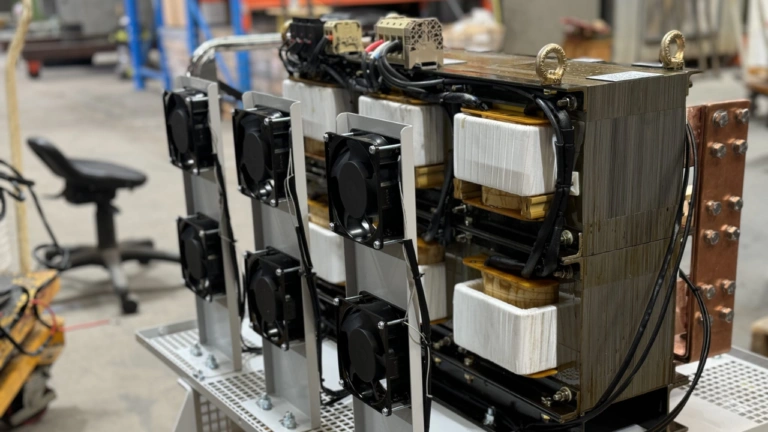
Three phase transformer sizes define how industrial power systems manage voltage conversion and load distribution. These sizes directly influence stability in factories, plants, and energy networks. Engineers select capacity based on operational demand and future expansion. Incorrect sizing leads to inefficiency, overheating, or unexpected downtime. Modern facilities depend on accurate sizing to ensure continuous production flow. Electrical infrastructure often integrates multiple voltage levels to support diverse equipment. Proper configuration reduces stress on transmission lines and improves system lifespan. Industrial planning teams evaluate electrical demand curves before final selection. Environmental conditions also influence thermal performance and insulation design. Reliable sizing supports both safety and operational efficiency in heavy-duty applications.
What are three phase transformer sizes and their industrial role
Three phase transformer sizes represent standardized power capacity ratings used in electrical engineering systems. These ratings are typically expressed in kVA or MVA depending on load scale. Smaller industrial units use compact designs, while large plants require high-capacity systems. These classifications help engineers match equipment with operational demand accurately. Distribution networks rely on these ratings to balance energy flow efficiently. Industrial automation systems require stable voltage regulation for sensitive machinery. In large-scale infrastructure, a 220 kv oil-immersed power transformer is often used for high-voltage transmission support. Proper classification ensures system reliability and minimizes electrical losses. Standardization also simplifies procurement and maintenance planning across industries.
Key load factors influencing transformer capacity selection
Load behavior plays a critical role in determining transformer capacity requirements. Continuous load defines baseline energy consumption during normal operation. Peak load reflects temporary demand spikes during machine startup or heavy production cycles. Power factor impacts how efficiently electrical energy is converted into usable output. Engineers also consider harmonic distortion caused by modern electronic equipment. Seasonal variation may influence long-term demand stability in certain industries. Incorrect load estimation can lead to overheating and reduced equipment lifespan. Safety margins are typically included to handle unexpected demand increases. Accurate measurement tools are essential for reliable load profiling in industrial environments.
Voltage, current, and power rating fundamentals in transformer sizing
Voltage levels determine insulation strength and system compatibility in electrical networks. Current rating defines how much electrical flow a transformer can safely handle. Power rating combines both values to establish total energy transfer capacity. Engineers apply standard formulas to calculate optimal transformer performance ranges. Load balancing across phases ensures stable and efficient energy distribution. Electrical losses increase when current exceeds design thresholds. Proper impedance matching reduces energy waste during conversion processes. Thermal design also depends on accurate voltage and current estimation. These fundamentals ensure safe and efficient operation in industrial environments with variable demand conditions.
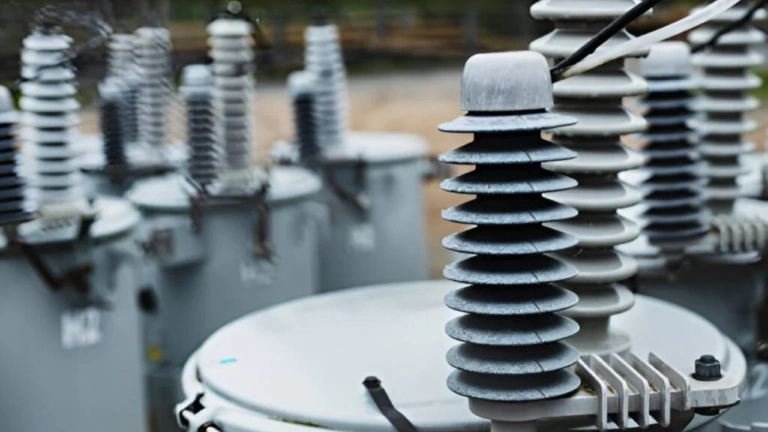
How To Choose Three Phase Transformer Sizes
Selecting the correct transformer capacity requires structured engineering evaluation and load analysis. Engineers begin by calculating total connected load across all equipment systems. Safety factors are added to accommodate future expansion and unexpected demand spikes. Environmental temperature and ventilation conditions also influence final selection. Efficiency curves help determine optimal operating range for long-term performance. Short-circuit resistance must be evaluated for system protection. In medium-voltage applications, a 10kv -35kv dry type transformer is often selected for indoor safety and reduced fire risk. Proper sizing ensures energy efficiency and operational stability. This selection process reduces maintenance costs and improves system reliability.
Common mistakes in industrial transformer sizing and procurement
Incorrect demand forecasting remains one of the most frequent engineering errors. Many systems underestimate startup current requirements for heavy machinery. Some designs ignore future production expansion needs. Power factor neglect leads to inefficient energy usage and higher operational costs. Engineers sometimes select equipment based solely on initial price considerations. This approach often results in higher long-term maintenance expenses. Thermal limitations are occasionally overlooked during procurement decisions. Poor ventilation planning reduces transformer efficiency under heavy load conditions. Accurate technical evaluation prevents these common design and procurement issues effectively.
Efficiency, losses, and thermal design considerations for long-term operation
Energy efficiency depends heavily on minimizing copper and core losses. Copper losses increase with higher current flow through windings. Core losses occur due to alternating magnetic fields in the transformer core. Effective cooling systems maintain stable operating temperatures under load. Oil or air-based cooling methods are selected based on application scale. Proper insulation materials reduce heat-related degradation over time. Thermal expansion control ensures structural integrity during continuous operation. Engineers design ventilation paths to optimize heat dissipation efficiency. These factors directly influence equipment lifespan and operational cost stability.
Engineering checklist for selecting correct transformer capacity
Engineers follow structured evaluation steps before final transformer selection. Load analysis must include both active and reactive power components. Environmental conditions such as humidity and temperature require assessment. Installation space and ventilation capacity influence design feasibility. International standards such as IEC 60076 series and ANSI/IEEE C57 standards define design and safety requirements. These standards regulate insulation levels, efficiency thresholds, and transformer testing procedures. Compliance ensures interoperability across global power systems. Certification processes under IEC 60076-1 and IEEE C57.12.00 verify material quality and thermal performance.
Regional regulations may introduce additional requirements beyond IEC and IEEE frameworks. Manufacturers must align production with standardized test codes such as IEC 60076-3 and IEEE C57.12.90. These frameworks ensure consistent performance across different industrial environments.
Industrial voltage transformation in high-capacity systems
Large-scale transmission networks rely on high-voltage conversion equipment for efficient energy delivery. Long-distance energy transport requires reduced current levels to minimize losses. Substations manage step-down processes for industrial and commercial distribution. In heavy infrastructure projects, voltage stability determines operational safety. Equipment must withstand fluctuating grid conditions without performance degradation. Proper insulation design supports high-voltage resilience under stress conditions. Engineering teams carefully analyze grid demand before deployment decisions. System reliability depends on consistent voltage regulation across multiple nodes.
Load classification and distribution strategy in transformer systems
Industrial facilities classify loads based on operational priority and energy consumption patterns. Critical systems require uninterrupted power supply under all conditions. Non-critical loads may be managed through load shedding strategies. Balanced distribution reduces phase imbalance and system stress. Engineers design redundancy systems for high-risk operations. Energy monitoring tools help optimize real-time consumption patterns. Proper classification improves overall system efficiency and reliability.
Industrial transformer capacity classification overview
| Capacity Range | Application Type | Typical Use |
|---|---|---|
| Up to 500 kVA | Small industrial | Light machinery systems |
| 500 kVA - 2 MVA | Medium industrial | Manufacturing plants |
| 2 - 10 MVA | Large industrial | Heavy production lines |
| Above 10 MVA | Utility scale | Grid substations |
Industrial planning teams use classification data to align equipment with operational requirements. Proper interpretation of capacity ranges improves procurement accuracy. Engineers rely on these benchmarks for system design consistency. Selection accuracy directly impacts long-term operational stability and efficiency.
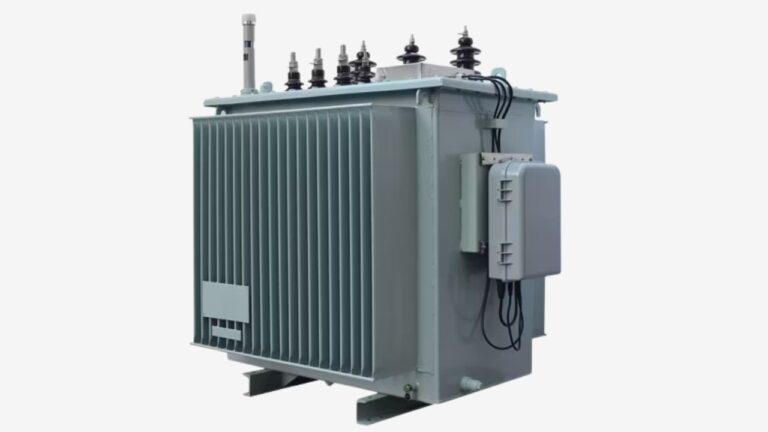
220 kv oil-immersed power transformer in high voltage transmission systems
High-voltage transmission infrastructure relies on large-scale equipment for efficient energy transfer. Oil-immersed designs provide superior cooling and insulation performance under extreme load conditions. These systems support long-distance electricity transmission across regional grids. Engineering teams prioritize thermal stability and dielectric strength in such applications. Proper maintenance ensures consistent performance over decades of operation. Grid reliability depends on stable voltage transformation at critical nodes.
Safety systems are integrated to prevent overload and fault propagation. These units play a central role in national energy distribution networks.
Engineering checklist for selecting correct transformer capacity
Detailed engineering evaluation ensures optimal system performance under varying load conditions. Electrical engineers prioritize accurate measurement of real operational demand. Temperature control systems must align with expected load cycles. Mechanical housing design affects long-term durability and safety. Proper grounding systems reduce electrical risk in industrial environments. Surge protection devices enhance system stability during fluctuations. Predictive maintenance planning improves operational continuity. Equipment certification ensures compliance with international standards.
List of key selection considerations for transformer sizing
- Accurate load demand calculation
- Power factor correction planning
- Thermal dissipation efficiency analysis
- Future expansion allowance
- Safety and compliance verification
Each factor contributes to system reliability and operational efficiency. Engineers prioritize balanced evaluation across all parameters. Ignoring any element may reduce system performance significantly.
Load types and operational impact
| Load Type | Behavior | Impact on System |
|---|---|---|
| Continuous load | Stable demand | Base capacity requirement |
| Peak load | Short spikes | Thermal stress increase |
| Motor load | High startup current | Voltage fluctuation risk |
| Electronic load | Variable harmonics | Efficiency reduction |
Load classification supports accurate engineering design decisions. Proper interpretation helps prevent system overload conditions. Industrial operators use this data to improve energy planning strategies. Efficient load management enhances transformer performance stability.
FAQ
What happens if three phase transformer sizes are underestimated?
Underestimating capacity leads to frequent overheating and insulation degradation. Electrical losses increase when equipment operates beyond rated limits. System instability may trigger unexpected shutdowns in production lines. Maintenance frequency rises significantly under overloaded conditions. Long-term reliability decreases due to thermal stress accumulation. Energy efficiency drops as resistance losses increase. Equipment lifespan shortens under continuous strain. Operational risks increase in critical industrial environments.
How do engineers calculate optimal three phase transformer sizes for factories?
Engineers begin with detailed load auditing across all production equipment. They calculate total demand using both active and reactive power values. Safety margins are added to account for future expansion. Power factor correction improves calculation accuracy and system efficiency. Environmental conditions influence final design adjustments. Simulation tools help predict real-world operational performance. Final selection balances cost, efficiency, and reliability. Accurate calculation ensures stable industrial energy distribution.
What standards affect three phase transformer sizes selection in global projects?
International standards such as IEC 60076 series and ANSI/IEEE C57 standards define design and safety requirements. These standards regulate insulation levels, efficiency thresholds, and transformer testing procedures. Compliance ensures interoperability across global power systems. Certification processes under IEC 60076-1 and IEEE C57.12.00 verify material quality and thermal performance. Regional regulations may introduce additional requirements beyond IEC and IEEE frameworks. Manufacturers must align production with standardized test codes such as IEC 60076-3 and IEEE C57.12.90. These frameworks ensure consistent performance across different industrial environments.