How To Choose Three Phase Transformer Connections?
-
Three phase transformer connections for industrial power systems ensure efficiency, stability, and load control in electrical networks.
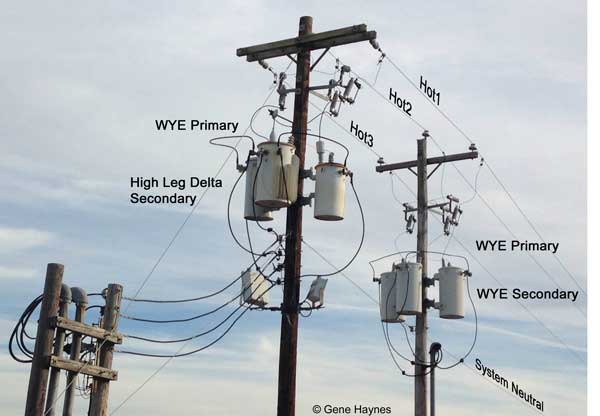
Three phase transformer connections play a central role in modern electrical distribution systems worldwide. Engineers rely on these configurations to stabilize voltage and manage high power transmission efficiently across industrial networks. Different connection types influence current behavior, phase alignment, and system reliability under load variations. Proper selection improves energy efficiency and reduces operational risks in complex facilities. Industrial plants often integrate multiple transformer setups to support continuous production demand. Grid operators also depend on these configurations for consistent power delivery. Selection decisions impact system lifespan and maintenance requirements significantly. These electrical connection principles help engineers design safer and more efficient power infrastructure.
Basic Engineering Principles of Transformer Connection Types
Transformer connection types define how windings interact within a three phase system. Star and delta configurations represent the foundation of most industrial designs. Each arrangement controls voltage transformation and current distribution differently. Engineers analyze phase displacement before selecting appropriate configurations. System performance depends heavily on correct winding alignment and impedance balance. Electrical safety also relies on proper insulation coordination between phases. Load characteristics influence final connection decisions in practical applications. Mastery of these electrical principles enables efficient power transfer in complex systems.
Importance of Three Phase Transformer Connections for System Stability
Three phase transformer connections ensure balanced load distribution across electrical networks in demanding environments. Power systems experience fewer fluctuations when correct configurations are applied during design stages. Engineers prioritize stability because uneven load conditions can damage critical infrastructure. Industrial operations require continuous energy supply without interruption or voltage distortion. Proper connection choices reduce harmonic distortion and improve system efficiency significantly. Utility companies depend on stable configurations to maintain regional grid performance. Equipment lifespan increases when electrical stress remains within acceptable limits. Reliable configuration planning supports long term operational sustainability across multiple industries.
Star (Wye) Configuration in Power Distribution Systems
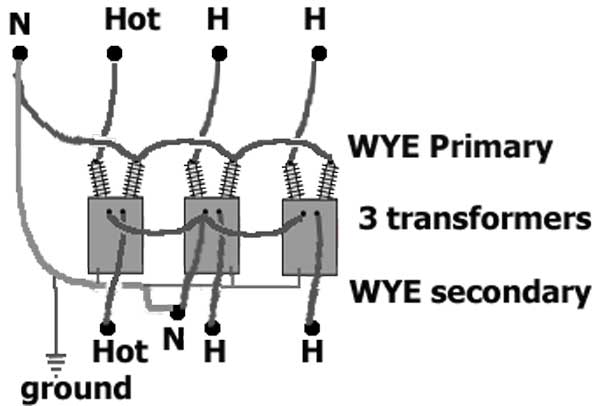
Star configurations connect one end of each winding to a common neutral point. This structure allows access to neutral grounding for safety and stability. Voltage per phase remains lower compared to line voltage levels. Distribution networks often prefer this setup for residential and commercial supply. Maintenance teams appreciate easier fault detection in grounded systems. Current flow remains stable under balanced load conditions. Engineers also use this configuration to reduce insulation stress. Proper design ensures efficient performance under varying load demand.
Delta Configuration Advantages in Industrial Power Networks
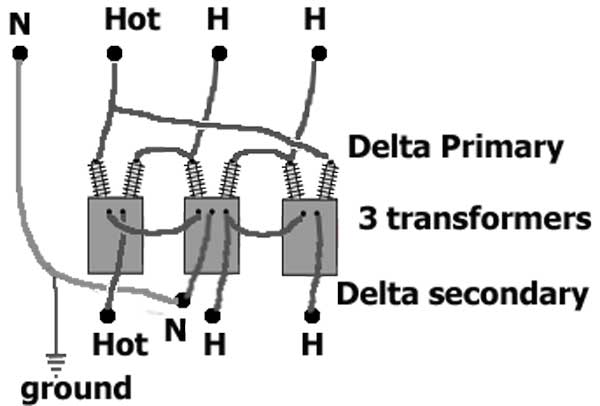
Delta configurations form a closed loop between transformer windings without a neutral point. This design supports high current industrial applications effectively. Circulating currents help reduce harmonic distortion in the system.
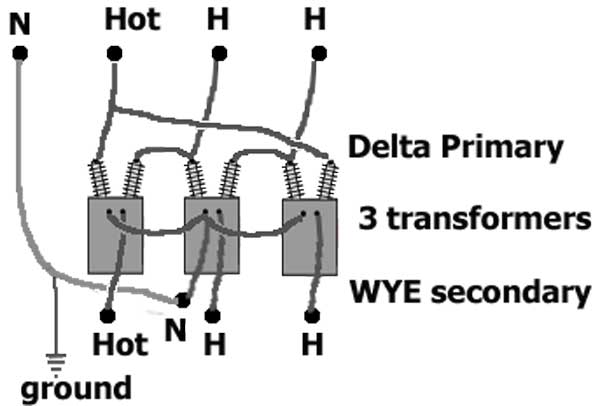
Manufacturing facilities often rely on this setup for heavy machinery operations. Phase balance remains stable even under fluctuating load conditions. Engineers value its robustness in harsh operating environments. Fault tolerance increases due to continuous loop structure. Proper implementation improves overall system resilience and efficiency.
Delta-Star and Star-Delta Configurations in Voltage Transformation Systems
Delta-star arrangements enable efficient voltage stepping between transmission and distribution levels. Engineers use these configurations to manage phase shifts and voltage conversion effectively. Industrial facilities benefit from flexible adaptation between different load requirements. System designers often select these setups for large scale energy networks. Proper phase alignment ensures smooth energy transfer between circuits. In many substations, these configurations improve operational flexibility and control. Electrical losses decrease when transformation stages are optimized correctly. This configuration also supports balanced grid integration across regions. In some heavy duty installations, a 220 kv oil-immersed power transformer is deployed for long distance transmission support.
Performance Comparison of Three Phase Transformer Connections
System performance varies significantly depending on connection type and application environment. Engineers evaluate efficiency, stability, and cost before final selection decisions. The table below highlights key differences across major configurations.
| Connection Type | Efficiency Level | Load Handling | Typical Application |
|---|---|---|---|
| Star (Wye) | Medium | Balanced loads | Distribution networks |
| Delta | High | Heavy industrial loads | Manufacturing plants |
| Delta-Star | Very High | Variable loads | Transmission systems |
Key selection factors include:
- Load stability requirements
- Voltage transformation ratio
- Harmonic distortion tolerance
- Grounding system design
- Maintenance accessibility
Selection Criteria for Three Phase Transformer Connections in Real Projects
Practical engineering decisions require careful evaluation of system behavior under real load conditions. Designers analyze operational data before finalizing transformer configurations. Safety standards influence insulation and grounding strategies significantly. Industrial environments demand robust systems capable of continuous operation. Cooling efficiency also affects long term reliability and performance. Cost control remains essential during large infrastructure development. Proper planning reduces downtime and improves system lifespan. Effective selection ensures optimized energy distribution across networks.
Installation and Safety Considerations in High Voltage Systems
Installation procedures require strict adherence to electrical safety protocols. Engineers verify insulation strength before energizing any system. Grounding systems protect equipment from fault currents and surges. Thermal monitoring ensures transformers operate within safe temperature limits. Proper ventilation reduces overheating risks in confined installations. Commissioning tests validate system performance under load conditions. A 66 kv oil-immersed power transformer is commonly used in regional substations for medium voltage distribution. Accurate installation reduces maintenance frequency and operational failures. Safety documentation ensures compliance across all project phases.
Common Faults and Diagnostic Methods in Transformer Systems
Transformer systems may experience overheating, insulation failure, or load imbalance. Engineers use diagnostic tools to detect early warning signals. Thermal imaging helps identify abnormal temperature distribution patterns. Oil analysis reveals internal degradation and contamination levels. Vibration monitoring supports mechanical fault detection in operational environments. Regular inspections reduce unexpected breakdown risks significantly. Maintenance teams prioritize corrective actions based on severity levels. Proper diagnostics improve system reliability and operational continuity.
Industry Standards and Compliance for Three Phase Transformer Connections
International standards regulate transformer design, testing, and installation practices. IEC refers to the International Electrotechnical Commission, which publishes global electrical safety and performance standards for insulation coordination, temperature rise limits, and dielectric strength testing of transformers. IEEE refers to the Institute of Electrical and Electronics Engineers, which defines engineering practices for transformer loading, fault analysis, and system integration in power networks. Compliance ensures safe and efficient system operation under stress conditions. Manufacturers perform routine testing to verify performance consistency. Certification processes validate product reliability and engineering accuracy. Grid operators rely on standardized systems for interoperability and safety. Regulatory frameworks also support environmental and operational sustainability goals. Proper adherence enhances long term system credibility and performance reliability.
Performance Optimization of Three Phase Transformer Connections in Modern Grids
System optimization focuses on improving efficiency and reducing energy losses. Engineers analyze load patterns to adjust configuration settings. Advanced monitoring systems provide real time operational data. Predictive maintenance strategies improve long term reliability significantly. Power quality management ensures stable voltage and frequency levels. Industrial facilities benefit from optimized energy distribution strategies. Proper configuration reduces stress on electrical components over time. This improves both efficiency and equipment lifespan in demanding environments.
FAQ
What is the difference between star and delta connections?
Star connections use a neutral point for grounding and lower phase voltage. Delta connections form a closed loop without neutral access. Engineers choose star for distribution systems requiring safety and stability. Delta works better in heavy industrial environments with high current demand. Each configuration affects voltage behavior and current distribution differently. Star systems simplify fault detection and grounding procedures. Delta systems improve harmonic reduction and load balancing performance. Selection depends on application requirements and system design goals. Both play essential roles in modern electrical infrastructure design.