
How To Choose Three Phase Transformer Calculations?
-
Three phase transformer calculations support accurate sizing, load balance, power factor planning, and efficient selection.
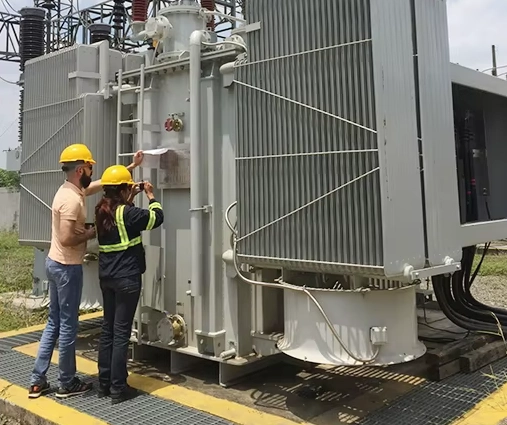
Three phase transformer calculations decide safe sizing, stable voltage, and cost control. Industrial buyers need exact values before procurement starts. Wrong sizing causes heat rise, trips, and wasted capital. Correct numbers improve cable selection and switchgear matching. Engineers usually review line voltage, load current, power factor, and future demand. Many factories run motors, drives, pumps, and heaters together. Each load changes current behavior across shifts. Buyers should compare rated capacity with actual demand curves. A clear method lowers risk during expansion planning. In many utility projects, a 66 kv oil-immersed power transformer serves heavy transmission and substation duty where long service life matters greatly.
Why Accurate Three Phase Transformer Calculations Matter for B2B Buyers
Manufacturers and EPC teams purchase transformers for uptime first. Every outage can stop production lines quickly. Oversized units waste capital and no-load energy. Undersized units run hot and age faster. Procurement teams often compare purchase price only. That approach misses lifecycle cost drivers. Copper loss, iron loss, cooling method, and insulation class matter. Accurate three phase transformer calculations help negotiate realistic specifications. Vendors also respond faster to precise RFQs. Good sizing reduces redesign during installation. Buyers gain smoother approvals from consultants and plant managers.
Core Formula Used in Three Phase Transformer Calculations
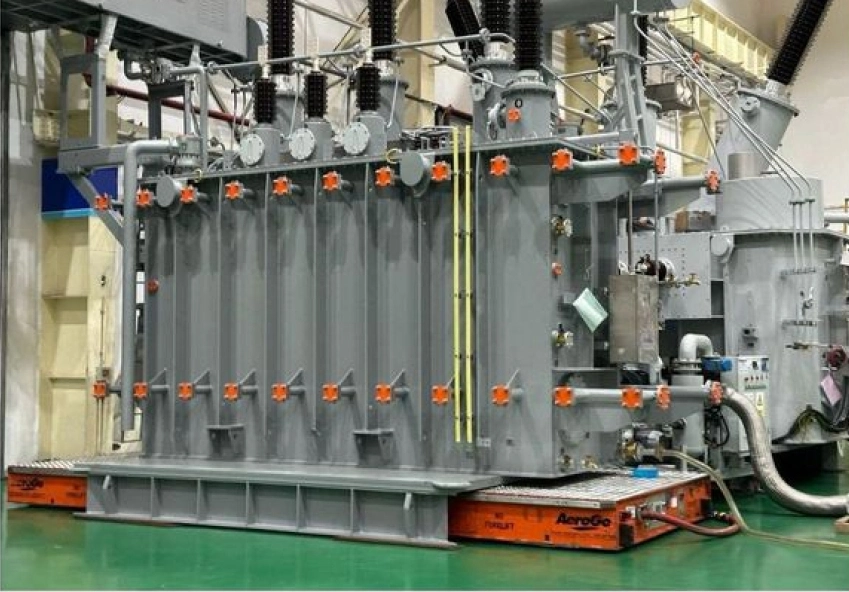
The common capacity formula uses apparent power. In three phase systems, kVA equals √3 × line voltage × line current ÷ 1000. This equation links current demand with supply voltage. Power factor affects real power output, not kVA directly. Real kilowatts equal kVA × power factor. If loads include motors, starting current needs extra review. Harmonic loads may need derating. Engineers should separate continuous and intermittent loads first. After that, they total diversified demand. Safety margin then gets added. Clear documentation supports three phase transformer calculations during bid comparison.
Voltage and Connection Method Effects on Three Phase Transformer Calculations
Star and delta connections change phase relationships. Line voltage differs from phase voltage in star systems. Line current differs from phase current in delta systems. These details affect winding design and protection settings. Some plants need grounded neutral access. Others prefer delta for harmonic tolerance. Cable insulation level also follows system voltage class. Medium-voltage projects often compare compact indoor options. A 10kv -35kv dry type transformer suits many indoor plants needing lower fire risk and reduced oil handling requirements. Buyers should match diagrams before three phase transformer calculations are finalized.
Transformer Rating Selection Table
| Calculated Demand | Typical Next Rating | Common Use Case |
|---|---|---|
| 180 kVA | 200 kVA | Small workshop |
| 430 kVA | 500 kVA | Mixed machinery line |
| 760 kVA | 800 kVA | Processing plant |
| 1180 kVA | 1250 kVA | Large facility |
How to Use Three Phase Transformer Calculations with Standard Ratings
Calculated demand rarely matches catalog ratings exactly. Buyers normally move to the next standard size. That practice leaves operating margin for overload peaks. However, excessive margin can hurt efficiency at light load. Review actual load profile before selecting larger frames. Consider future expansion schedules and new machines. If expansion is near, one larger unit may save later shutdown cost. If growth is uncertain, parallel transformers may offer flexibility. Standard ratings also simplify spare parts planning. Always compare guaranteed losses from each bidder.
Key Inputs Buyers Must Verify
Before sending inquiries, verify all electrical data carefully. Missing inputs create wide price variation. Use this checklist:
- System line voltage and frequency
- Maximum demand and average demand
- Motor starting method and largest motor size
- Power factor target or capacitor bank plan
- Indoor or outdoor installation location
- Ambient temperature and altitude
- Noise limit and enclosure requirement
- Future expansion within three years
Clean input data leads to stronger vendor proposals. It also reduces revision cycles during technical clarification and supports three phase transformer calculations.
Environmental and Thermal Factors
Temperature strongly affects transformer life expectancy. Hot rooms reduce cooling performance quickly. High altitude lowers air density and heat transfer. Dust blocks vents in dry units. Chemical vapors may attack coatings and seals. Outdoor yards need UV and rain protection. Coastal sites need anti-corrosion treatment. Buyers should request derating curves when conditions are severe. Fans may increase capacity for short peaks. Yet fan systems add maintenance needs. Thermal sensors and remote monitoring improve three phase transformer calculations for real duty cycles.
Loss Comparison Table for Commercial Decisions
| Transformer Type | No-Load Loss | Load Loss | Best Priority |
|---|---|---|---|
| Standard Efficiency | Medium | Medium | Low capex |
| High Efficiency | Low | Low | 24/7 operation |
| Dry Type | Medium | Medium | Indoor safety |
| Oil Immersed | Low | Low | High capacity |
Commercial Meaning of Loss Data
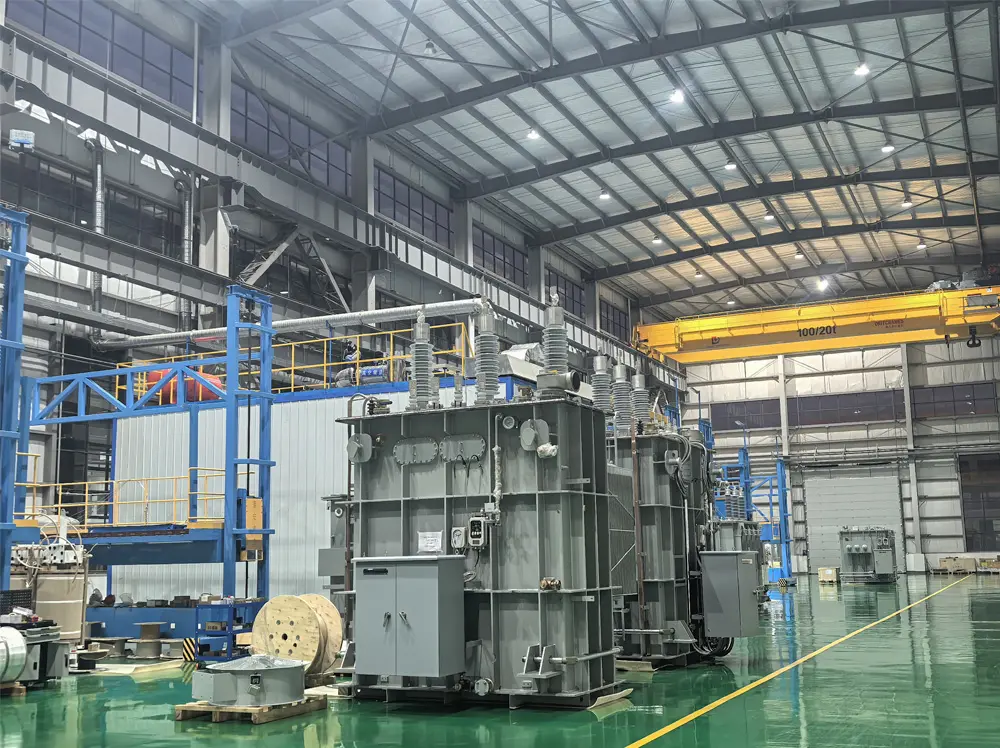
Loss values convert into annual energy cost. Plants running nonstop should value efficiency highly. A cheaper purchase may cost more later. Compare guaranteed loss figures under standards conditions. Ask suppliers for tolerance limits and penalties. Finance teams often appreciate lifecycle comparisons. Carbon reporting programs also favor efficient equipment. When electricity prices rise, efficient units recover premiums faster. Buyers should model five-year and ten-year scenarios. Strong three phase transformer calculations support capital approval discussions.
Common Mistakes in Three Phase Transformer Calculations
Many projects use connected load only. Real demand is usually lower after diversity. Some teams ignore motor starting current completely. Others assume power factor stays constant all year. Harmonic-rich drives can overheat neutral paths and windings. Another error is skipping future capacity needs. Site growth often arrives faster than expected. Wrong impedance selection can weaken fault coordination. Missing tap range may cause voltage complaints. Always review single-line diagrams with vendors before purchase release and repeat three phase transformer calculations.
FAQ
Why are three phase transformer calculations important in industrial systems
They protect uptime, budget, and safety at the same time. Accurate sizing keeps winding temperature within design limits. Correct impedance supports protective coordination during faults. Proper capacity avoids nuisance trips during production peaks. Buyers also gain better cable, breaker, and generator matching. Without calculations, quotations vary widely and comparison becomes difficult. Reliable numbers help suppliers offer realistic guarantees. Plants with expansion plans can reserve suitable margin early. Good three phase transformer calculations reduce redesign, delays, and hidden cost across the project cycle.
How do power factor and load type affect transformer sizing
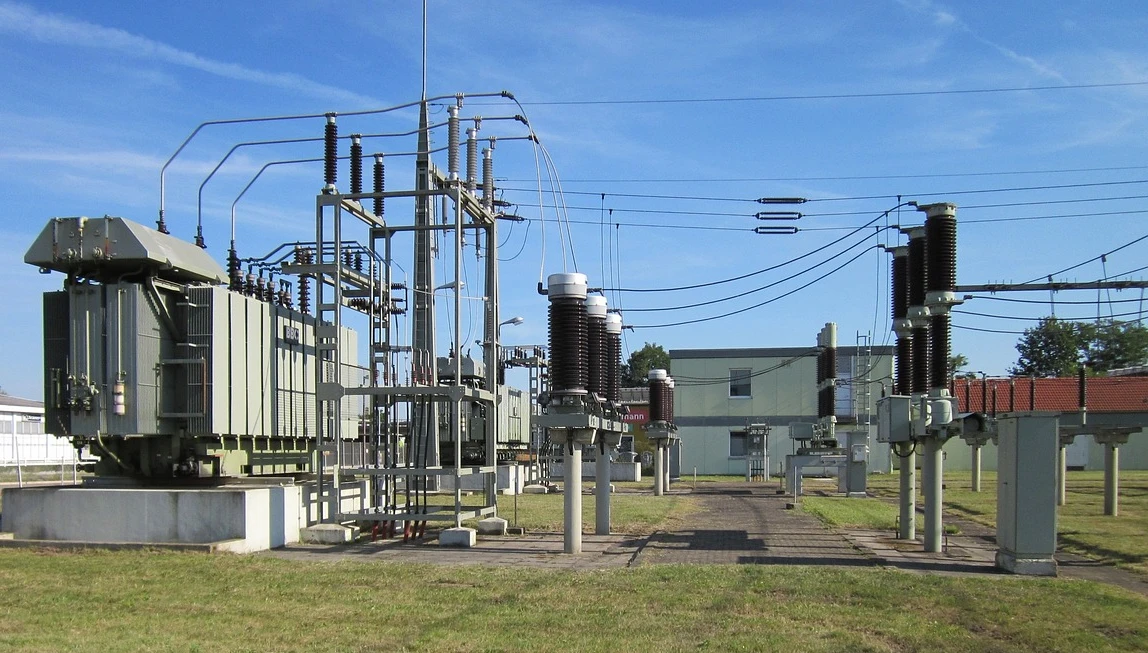
Power factor changes the relation between kW demand and kVA demand. Low power factor means higher current for the same real power. Higher current increases copper heating and voltage drop. Motor loads, welders, and variable speed drives often behave differently from heaters. Some loads create harmonics that need derating or filtering. Intermittent loads may allow diversity benefits. Continuous loads need stronger thermal margins. Buyers should classify each load group first. Then they can apply three phase transformer calculations accurately and avoid expensive oversizing.
What is the most common mistake in transformer calculation design
The most common mistake is using nameplate connected load only. Factories rarely run every machine at full demand together. That assumption inflates capacity and wastes money. Another frequent error is ignoring future expansion, which forces early replacement later. Teams also forget starting current from large motors. Voltage class mismatches can appear when data sheets lack clarity. Some buyers skip loss comparisons and focus only on price. A disciplined review of load profile, growth plan, and operating conditions keeps three phase transformer calculations reliable.