How To Choose Three Phase Step Down Transformer?
-
Three phase step down transformer selection for industrial voltage control, efficiency, safety, and compliance in power systems design.
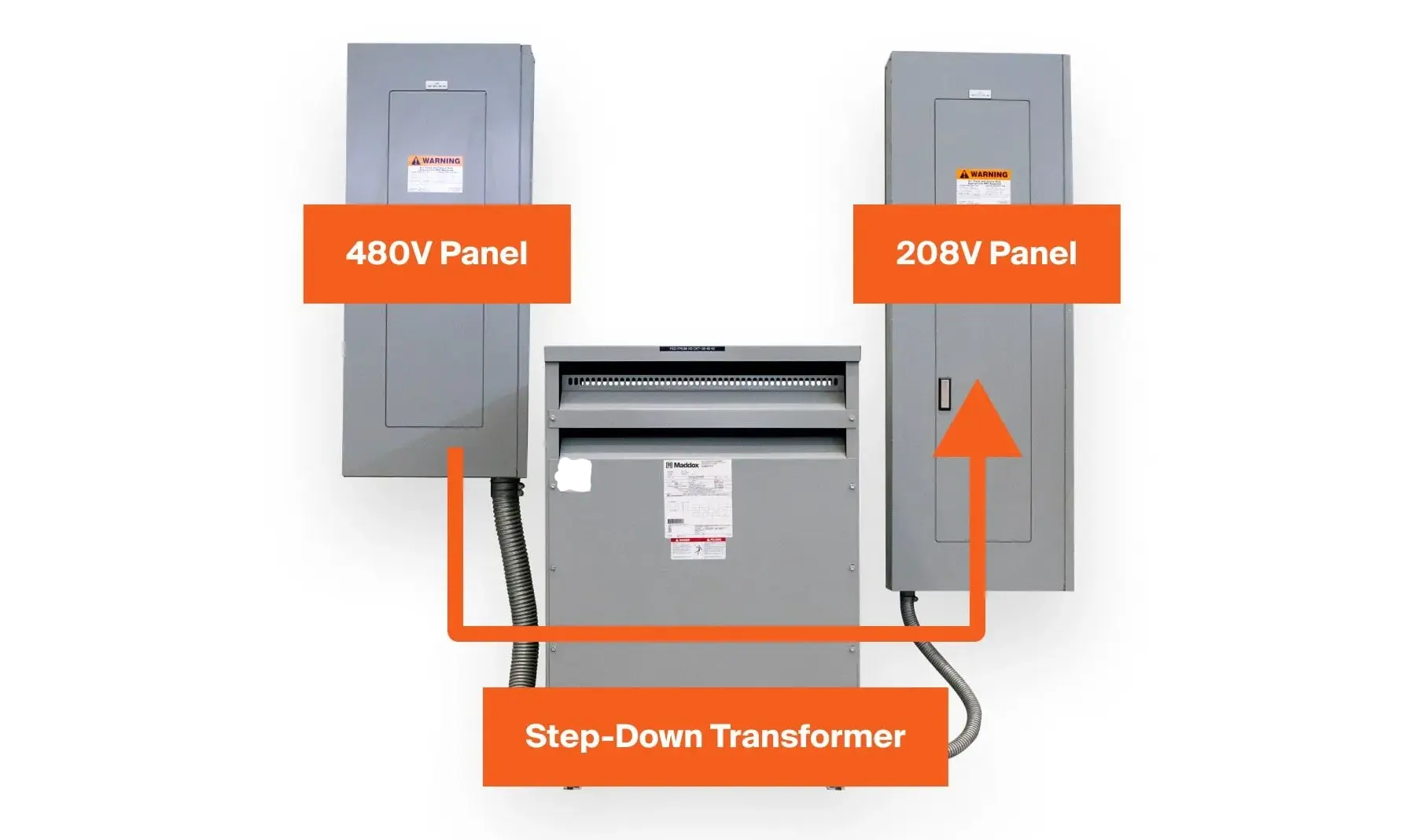
The three phase step down transformer plays a central role in industrial voltage management systems. Engineers prioritize stable conversion from high voltage to usable levels. System designers focus on load behavior, efficiency, and safety margins during selection. Electrical compatibility ensures smooth integration with downstream machinery and distribution panels. Industrial environments require consistent output under fluctuating demand conditions. Proper sizing prevents overheating and premature insulation aging. Selection decisions often depend on operational continuity requirements. Maintenance accessibility also influences final engineering choices. Global facilities demand compliance with strict electrical standards. Cost efficiency remains important but never overrides reliability requirements. System planners evaluate both short term demand and long term expansion potential. Electrical harmonics also influence configuration decisions in complex installations.
Voltage Matching Strategy in Three Phase Step Down Transformer Systems
Voltage matching defines the core performance boundary in industrial electrical networks. The three phase step down transformer ensures accurate reduction from transmission levels to utilization levels. Engineers calculate input and output ratios based on equipment sensitivity. Incorrect voltage alignment increases operational risk and energy loss. System stability depends on precise regulation under varying load conditions. Industrial plants often operate mixed equipment requiring different voltage levels. Protection devices support safe voltage transition during switching events. Electrical designers also consider transient surges during startup cycles. Voltage tolerance ranges must match global compliance requirements. Optimization improves system efficiency while reducing thermal stress. Load distribution analysis helps refine transformer selection accuracy. Long term stability depends on consistent voltage regulation performance.
Capacity Design Logic for Three Phase Step Down Transformer Deployment
Capacity planning defines the operational reliability of electrical infrastructure. The three phase step down transformer must handle peak and continuous loads effectively. Engineers calculate apparent power using real operational demand data. Safety margins ensure stable performance during unexpected load spikes. Undersized systems create overheating and reduced service life risks. Oversized systems increase unnecessary capital and energy losses. Load diversity factors improve accuracy in capacity estimation models. Industrial systems often require scalable transformer configurations. Predictive modeling helps anticipate future expansion requirements. Balanced capacity improves system efficiency and reduces stress. Thermal performance directly correlates with loading conditions. Proper design extends operational lifespan significantly in harsh environments.
Core Engineering Structure and Loss Control in Three Phase Step Down Transformer
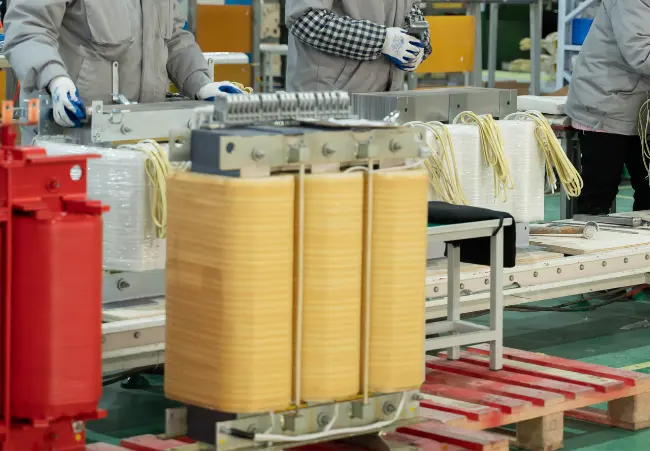
Core design determines efficiency and energy loss behavior in electrical systems. The three phase step down transformer relies on laminated silicon steel cores. These laminations reduce eddy current losses during operation. Copper windings enhance conductivity and reduce resistive losses. Aluminum windings provide cost advantages in certain applications. Magnetic flux optimization improves energy transfer efficiency. Engineers carefully control hysteresis losses through material selection. Proper insulation between laminations prevents unwanted current circulation. Structural rigidity ensures stability under electromagnetic forces. Cooling integration supports consistent thermal balance. Loss reduction directly improves long term operational economics. High precision manufacturing improves overall system reliability significantly.
| Parameter | High Efficiency Design | Standard Design |
|---|---|---|
| Core Material | Grain oriented silicon steel | Conventional steel |
| Loss Level | Low eddy current loss | Moderate loss |
| Thermal Performance | Stable under high load | Temperature rise faster |
Core optimization directly impacts system efficiency and operational stability. Engineers prioritize grain orientation in silicon steel to reduce magnetic losses. Advanced winding techniques improve current distribution across phases. Thermal balance remains critical during continuous operation cycles. Mechanical strength supports vibration resistance in industrial environments. Proper assembly reduces air gaps within the magnetic circuit. Energy loss reduction improves long term operational cost efficiency. Material purity influences both conductivity and thermal performance. Design precision ensures stable output voltage under varying loads. Industrial facilities benefit from reduced maintenance frequency. Improved core structures extend equipment lifespan significantly.
High Voltage Application Context in Power Infrastructure
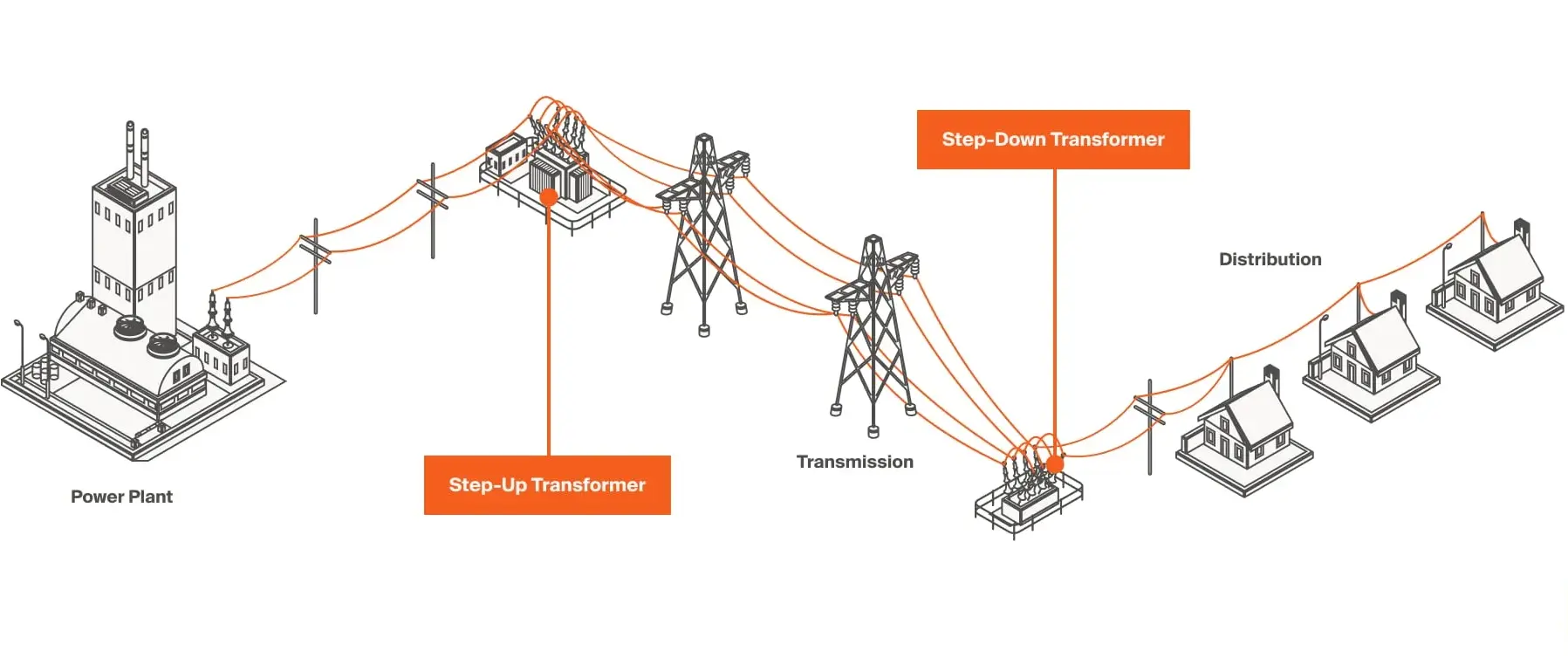
High voltage systems require reliable transformation stages for safe distribution. Industrial networks often operate at transmission levels such as 110 kV oil-immersed power transformer integration points. These systems support large scale energy transmission across regions. Step down processes ensure safe utilization in manufacturing environments. Electrical insulation design becomes critical at high voltage levels. Oil-immersed structures improve cooling and dielectric strength. System reliability depends on strict insulation coordination. Surge protection devices safeguard equipment from transient spikes. Grid stability relies on precise voltage control mechanisms. High voltage infrastructure supports continuous industrial operations. Engineering standards ensure safe long distance power transfer. Equipment durability remains essential in extreme electrical conditions.
Cooling System Efficiency in Three Phase Step Down Transformer
Thermal management ensures stable operation under continuous electrical load. The three phase step down transformer uses oil or air cooling systems. Oil circulation improves heat dissipation from windings and core. Air cooling systems suit smaller industrial installations effectively. Temperature monitoring prevents insulation degradation over time. Cooling efficiency directly influences transformer lifespan and performance. Engineers design ventilation paths for optimal heat flow distribution. Overheating protection systems activate under abnormal load conditions. Thermal sensors provide real time operational feedback. Cooling system selection depends on installation environment. Proper heat management reduces energy loss and mechanical stress. Stable temperature control enhances overall electrical reliability.

| Cooling Type | Application Range | Performance Characteristics |
|---|---|---|
| Oil Immersed | High load industrial systems | Strong heat dissipation capacity |
| Air Cooled | Light industrial setups | Lower maintenance demand |
| Hybrid System | Variable load environments | Balanced efficiency and cost |
Cooling System Efficiency in Three Phase Step Down Transformer
Thermal stability defines operational safety in demanding industrial environments. Efficient cooling prevents insulation breakdown under sustained load conditions. Engineers optimize oil flow paths to maximize heat exchange efficiency. Air circulation complements liquid cooling in hybrid designs. Temperature rise limits follow international electrical safety standards. Proper cooling reduces winding resistance variations over time. System reliability increases with stable thermal profiles. Maintenance cycles depend heavily on cooling system performance. Industrial users benefit from reduced downtime risks. Advanced sensors monitor temperature distribution across core regions. Cooling design also influences acoustic performance levels. Efficient thermal control ensures consistent voltage output stability.
High Voltage Transmission and Industrial Integration Design
Power transmission networks often connect multiple voltage levels across regions. The 220 kV Oil-Immersed Power Transformer supports large scale grid integration. Such systems ensure stable energy transfer across long distances. Industrial substations rely on stepped voltage reduction for safe utilization. Oil insulation improves both cooling and dielectric strength performance. Electrical engineers design these systems for extreme load conditions. Surge resistance remains critical in high voltage environments. Grid synchronization ensures stable frequency alignment across networks. Mechanical housing protects internal components from environmental stress. Long distance transmission efficiency depends on precise voltage control. Equipment durability becomes essential for continuous power delivery. System redundancy improves reliability in national infrastructure networks.
Compliance Standards and Electrical Safety Validation in Three Phase Step Down Transformer
Regulatory compliance ensures safe and consistent transformer operation globally. The three phase step down transformer must meet IEC 60076 requirements for power transformer design, including voltage rating rules, temperature rise limits, and insulation coordination methods. It must also comply with IEEE C57 standards covering efficiency performance, impulse withstand levels, and sound level control for industrial systems.
These standards define insulation strength, testing procedures, and load capacity limits. Certification processes validate performance under controlled conditions. Safety testing includes dielectric strength and thermal endurance evaluation. Grounding systems reduce electrical fault risks in industrial environments. Protective relays prevent overload and short circuit damage. Compliance documentation supports international market access. Quality audits ensure manufacturing consistency across production batches. Testing laboratories verify material and structural integrity. Standard adherence reduces operational and legal risks significantly. Global compatibility improves equipment deployment flexibility.
System Reliability Optimization in Three Phase Step Down Transformer
Operational reliability depends on maintenance strategy and monitoring systems. The three phase step down transformer requires periodic inspection for optimal performance. Condition monitoring detects early signs of insulation aging. Oil quality analysis identifies contamination and degradation risks. Predictive maintenance reduces unexpected failure probability. Load balancing improves long term efficiency and stability. Vibration analysis helps detect mechanical irregularities early. Thermal imaging supports hotspot identification in windings. Digital monitoring systems enhance real time decision making. Maintenance planning reduces lifecycle operational costs significantly. Reliability engineering improves system uptime in critical industries. Proper servicing extends transformer operational lifespan considerably.
FAQ
What is the most important factor when choosing a transformer?
The most important factor is accurate load assessment under real operating conditions. Engineers evaluate both continuous and peak demand levels carefully. Incorrect estimation leads to overheating or inefficient operation. Voltage compatibility also plays a critical role in system stability. Safety margins ensure reliable performance under unexpected load spikes. Environmental conditions influence final selection decisions significantly. Proper analysis ensures long term operational efficiency and reduced maintenance costs. Electrical systems must align with downstream equipment requirements precisely. Reliability depends on balancing capacity, efficiency, and cost factors. Industrial applications require strict adherence to design safety standards. Careful evaluation improves system lifespan and reduces failure risks significantly.
How does cooling method affect transformer performance?
Cooling method directly determines thermal stability and operational lifespan. Efficient cooling prevents insulation degradation under sustained electrical load. Oil based systems provide strong heat dissipation for heavy duty applications. Air cooling works well in smaller or less demanding environments. Hybrid systems balance efficiency and cost for variable conditions. Temperature control improves electrical resistance stability in windings. Poor cooling leads to accelerated aging and performance loss. Engineers select cooling methods based on installation environment and load profile. Monitoring systems help maintain safe temperature levels continuously. Proper thermal design improves both efficiency and safety margins. Cooling performance strongly influences maintenance frequency and long term reliability.
What standards should be checked before purchasing?
Key standards include IEC 60076, IEC 60296, and IEC 60076-5 from the IEC system, along with IEEE C57 series standards for design, testing, and performance validation. IEC 60076 defines voltage levels, temperature rise limits, and insulation coordination. IEC 60076-5 focuses on short circuit withstand capability and mechanical strength. IEEE C57 standards regulate efficiency, impulse testing, sound limits, and safety performance in North American systems. Together these standards ensure electrical, thermal, and mechanical reliability under industrial conditions. Certification under these frameworks confirms compliance with global safety, efficiency, and durability requirements, ensuring stable operation and international market acceptance.