
How To Choose Three Phase Pad Mounted Transformer?
-
Three phase pad mounted transformer selection guide for efficiency, safety, and lifecycle performance in industrial power systems.
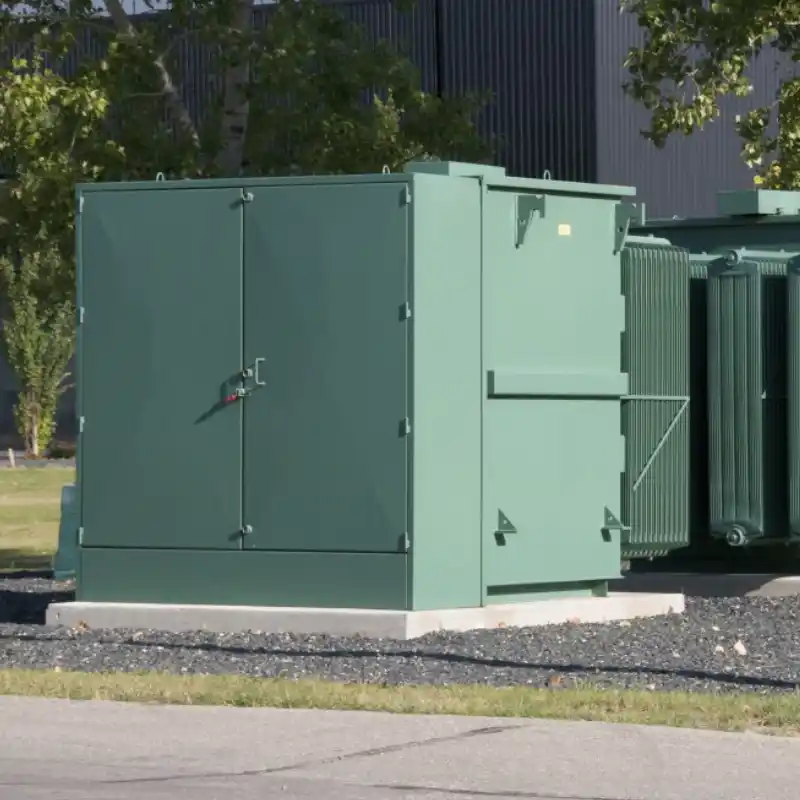
A three phase pad mounted transformer plays a central role in modern power distribution networks. The three phase pad mounted transformer supports underground cable systems in urban and industrial environments. Engineers prefer this equipment for its compact footprint and secure enclosure design. Utilities rely on it for stable voltage regulation across commercial zones. In many installations, the three phase pad mounted transformer improves system reliability under variable load conditions. Its sealed construction reduces exposure to environmental contamination and physical damage. Operators value its ability to integrate into decentralized grid structures. Industrial facilities also use it for consistent downstream voltage delivery. This equipment bridges medium voltage networks and low voltage end users efficiently. Proper selection ensures operational stability and reduces long-term energy losses significantly.
Key design parameters of three phase pad mounted transformer selection
Selecting a three phase pad mounted transformer requires careful evaluation of electrical capacity and system compatibility. Engineers must analyze load demand patterns before specifying unit size. The three phase pad mounted transformer must match voltage class requirements for safe operation. Core material quality also influences efficiency and thermal performance. Copper windings are often preferred for reduced resistance losses. Insulation systems must withstand thermal cycling and electrical stress over long periods. Load balancing across phases ensures stable output performance. Designers also consider short circuit strength for fault conditions. Proper sizing avoids overheating during peak demand periods. These parameters directly impact system longevity and operational cost efficiency.
Electrical performance factors in selection of power distribution transformers
Electrical performance defines how efficiently energy flows through distribution systems. The three phase pad mounted transformer must maintain low core losses under varying loads. Harmonic distortion control is essential in industrial environments with nonlinear loads. High efficiency reduces operational costs over long service cycles. Thermal management ensures winding temperature remains within safe limits. A 220 kv oil-immersed power transformer is often used in transmission networks before step-down stages. Such upstream systems influence downstream transformer loading behavior. Voltage regulation accuracy ensures stable supply to sensitive equipment. Reactive power management improves overall grid efficiency. Engineers prioritize designs that minimize no-load losses and copper losses simultaneously.
Safety standards and compliance requirements for outdoor substation equipment
Safety compliance ensures reliable operation under demanding electrical conditions. The three phase pad mounted transformer must follow international IEC and IEEE standards. Grounding systems protect operators from fault current exposure. Enclosure design prevents unauthorized access and environmental intrusion. Arc-resistant construction reduces risk during internal faults. A 66 kv oil-immersed power transformer is commonly deployed in upstream substations supporting distribution networks. Its insulation coordination influences downstream safety margins. Proper labeling and clearance distances improve maintenance safety. Pressure relief devices prevent internal tank failure during overload events. Routine testing verifies compliance with dielectric strength requirements. These measures collectively enhance system resilience and operator protection.
Environmental conditions affecting installation reliability
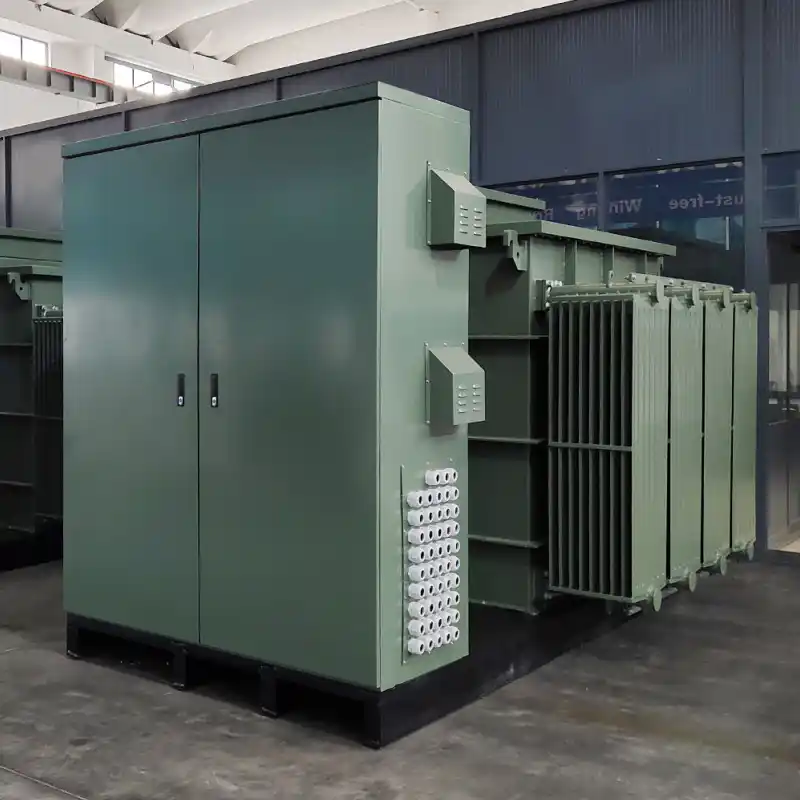
Environmental factors significantly influence transformer performance and lifespan. The three phase pad mounted transformer must withstand humidity, temperature fluctuations, and soil conditions. Corrosion-resistant coatings protect metallic surfaces from degradation. Thermal expansion must be considered during enclosure design. High ambient temperatures can reduce insulation life expectancy. In coastal regions, salt exposure increases corrosion risk. Proper ventilation design helps maintain internal temperature stability. Underground installations require moisture sealing systems for added protection. Mechanical strength ensures durability under external stress. Site assessment is essential before installation planning begins. Environmental adaptation improves long-term reliability and reduces maintenance frequency.
Cost efficiency and lifecycle value considerations
Investment decisions depend on both initial cost and long-term performance. The three phase pad mounted transformer should provide optimal lifecycle value rather than low upfront pricing alone. Energy loss reduction directly impacts operational expenses over time. High-quality insulation reduces maintenance interventions and downtime risk. Efficient core design improves return on investment significantly. Spare parts availability also influences lifecycle cost planning. Predictive maintenance reduces unexpected repair expenses. Installation costs vary depending on site complexity and infrastructure readiness. System upgrades may require compatibility with existing grid architecture. Total cost of ownership remains the most important evaluation metric for industrial buyers.
| Evaluation Factor | High Performance Configuration | Standard Configuration |
|---|---|---|
| Energy Efficiency | Ultra-low core loss design | Moderate efficiency level |
| Thermal Management | Advanced oil circulation system | Conventional cooling method |
| Load Capacity | High overload tolerance | Standard rated load only |
| Maintenance Interval | Extended service cycle | Frequent inspection required |
Performance comparison highlights critical differences between transformer configurations. High efficiency systems reduce operational stress on grid infrastructure. Advanced cooling methods extend insulation lifespan under heavy load conditions. Overload tolerance improves system stability during demand spikes. Maintenance intervals influence long-term operational cost structure. Engineers must evaluate these differences before final equipment selection. Proper configuration alignment ensures stable distribution performance across variable load environments.
Selection criteria checklist for industrial applications
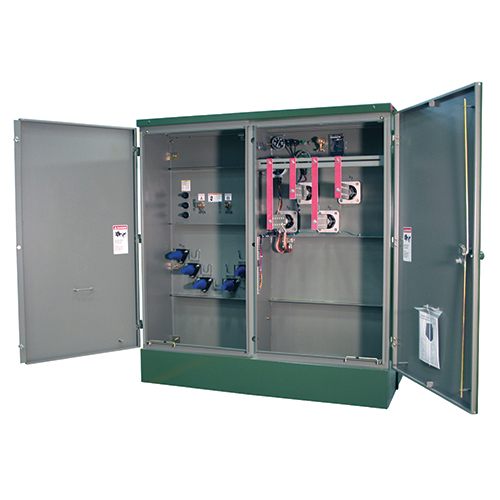
Choosing a three phase pad mounted transformer requires structured evaluation criteria. Engineers must verify electrical compatibility with grid requirements. Load forecasting accuracy plays a major role in sizing decisions. Environmental protection rating ensures safe outdoor operation. Thermal endurance must match peak load conditions. Installation footprint influences site planning efficiency.
- Verify voltage rating compatibility with distribution network
- Assess peak load and continuous load demand
- Confirm insulation class and cooling method suitability
- Evaluate enclosure protection against moisture and dust
- Check compliance with IEC and IEEE safety standards
Systematic evaluation reduces design risks and improves operational stability. Proper checklist application ensures consistent engineering outcomes. Each factor contributes to long-term system reliability and performance optimization.
Maintenance strategies for long-term reliability
Effective maintenance extends transformer operational lifespan significantly. The three phase pad mounted transformer requires periodic inspection of insulation and oil quality. Thermal imaging helps detect early hotspot formation. Electrical testing identifies insulation degradation trends. Scheduled maintenance reduces unexpected failure risks. Connection terminals must be checked for tightening and corrosion. Cooling systems require periodic cleaning and performance verification. Load monitoring ensures operation within safe limits. Predictive analytics improves maintenance scheduling accuracy. Proper documentation supports long-term asset management efficiency.
| Maintenance Task | Frequency | Purpose |
|---|---|---|
| Oil Quality Testing | Annually | Detect insulation degradation |
| Thermal Inspection | Quarterly | Identify overheating risks |
| Electrical Testing | Bi-annually | Ensure dielectric strength |
| Mechanical Inspection | Annually | Check structural integrity |
Maintenance discipline ensures consistent transformer performance across operational cycles. Regular diagnostics prevent major system failures effectively. Predictive maintenance strategies reduce downtime and repair costs. Inspection routines enhance safety and operational reliability. Proper maintenance planning remains essential for industrial power systems.
FAQ
What factors determine the best selection of a three phase pad mounted transformer?
Selection depends on load demand, voltage level, and environmental conditions. Engineers must evaluate peak and continuous load profiles before specification. Insulation class and cooling system also influence performance reliability. Grid compatibility ensures stable integration with existing infrastructure. Thermal performance under stress conditions remains a key factor. Proper evaluation reduces operational risks and improves system efficiency. Lifecycle cost analysis helps determine economic feasibility. Standards compliance ensures safe and reliable operation in industrial environments.
How does installation environment affect transformer performance?
Environmental conditions directly impact insulation life and cooling efficiency. High humidity increases risk of dielectric breakdown over time. Temperature fluctuations affect winding expansion and contraction cycles. Soil conditions influence grounding system performance and safety. Corrosive environments require protective coatings for metal surfaces. Proper site preparation improves long-term operational stability. Ventilation design ensures thermal balance during peak load periods. Environmental assessment is essential before final installation decisions are made.
What maintenance strategy ensures long service life?
A structured maintenance plan ensures long-term transformer reliability. Regular oil testing identifies early insulation degradation signs. Thermal inspections detect abnormal heat patterns in windings. Electrical diagnostics confirm insulation strength and system integrity. Preventive maintenance reduces unexpected breakdown risks significantly. Connection points must be inspected for corrosion and loosening. Load monitoring ensures safe operational limits are maintained. Predictive maintenance tools enhance scheduling accuracy and efficiency. Proper documentation supports continuous performance improvement and asset management.