
How To Choose Three Phase Distribution Transformer?
-
Optimize selection of three phase distribution transformer for efficiency, insulation, and reliable industrial power systems.
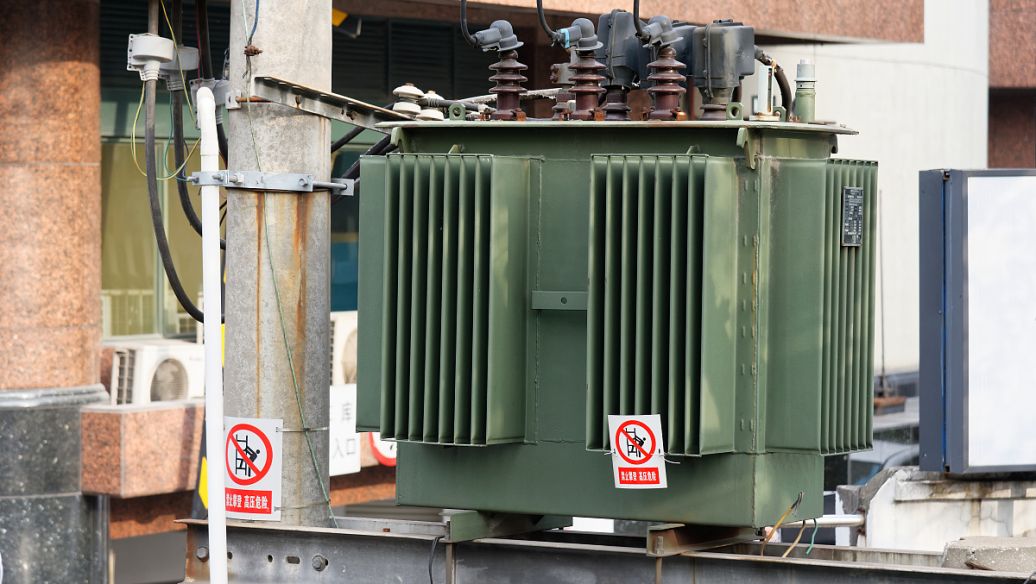
Industrial power networks rely on stable voltage conversion across multiple load zones. A properly selected three phase distribution transformer ensures stable energy delivery in complex facilities. Engineers must evaluate electrical demand, operating environment, and long-term efficiency before selection. Design accuracy directly affects system reliability and operational cost control. Modern industrial plants require consistent voltage regulation under fluctuating loads. Equipment failure often results from poor matching between load profile and transformer capacity. Selecting the right configuration improves energy utilization and reduces downtime risks. Procurement teams often balance technical performance with lifecycle cost considerations. A well-designed system supports continuous operation in manufacturing, utilities, and infrastructure projects.
Key Selection Criteria for Three Phase Distribution Transformer
Selection begins with load assessment and voltage matching across distribution networks. A three phase distribution transformer must align with peak and average demand conditions. Engineers also evaluate impedance levels to ensure stable fault performance. Thermal rise limits influence long-term operational safety and insulation life. Installation environment impacts enclosure design and cooling configuration. Procurement teams often prioritize scalability for future load expansion. Proper specification reduces energy loss and improves grid stability under variable conditions.
Voltage Application Considerations in High Capacity Systems
High voltage systems require precise transformer matching to transmission infrastructure. Large scale utilities may integrate a 66 kv oil-immersed power transformer for regional distribution stability. This type supports long distance transmission with reduced energy loss. Insulation design plays a critical role in handling surge conditions.
Oil immersion improves heat dissipation and dielectric strength performance. Engineers must evaluate system coordination to avoid overload risks. Proper voltage alignment ensures safe and efficient energy transfer across substations.
Efficiency Optimization in Three Phase Distribution Transformer Systems
Energy efficiency determines long-term operational cost in industrial networks. A three phase distribution transformer with high efficiency rating reduces heat loss significantly. Core design and winding configuration directly influence energy conversion performance. Modern silicon steel cores improve magnetic flux stability under load variation. Reduced no-load losses contribute to lower operational expenses over time. Cooling design also supports consistent thermal regulation during peak demand cycles. Efficiency classification helps engineers compare performance across multiple models.
Thermal Management and Cooling System Design
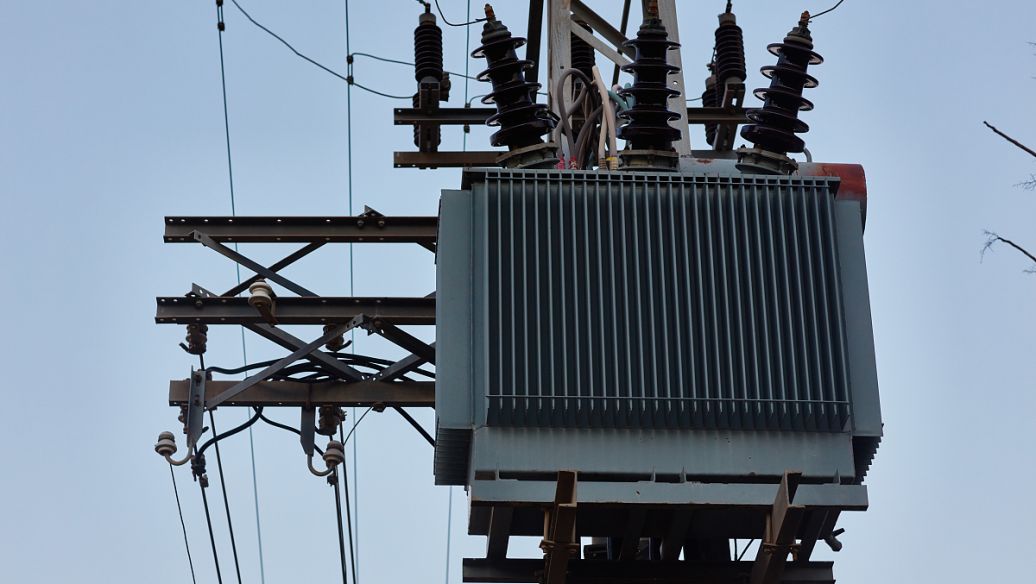
Heat dissipation plays a central role in transformer reliability and lifespan. Oil circulation systems maintain stable internal temperature during heavy load operation. A 35 kv oil-immersed transformer demonstrates strong thermal control in medium voltage applications. Radiator design increases surface cooling efficiency under continuous operation. Forced air systems further enhance heat exchange in high demand environments. Temperature monitoring systems help prevent insulation degradation over time. Proper thermal design ensures consistent performance under fluctuating load conditions.
Electrical Insulation and Mechanical Strength Evaluation
Insulation systems determine operational safety under high voltage stress conditions. Engineers assess dielectric strength to prevent breakdown during surge events. Winding materials must resist thermal aging and electrical stress over long cycles. Mechanical stability ensures structural integrity during short circuit events. Proper insulation coordination reduces failure risk in harsh environments. Core assembly precision also influences vibration control and noise reduction. Strong insulation design improves long-term reliability in industrial power distribution systems.
Selection Checklist for Engineering and Procurement Teams
- Evaluate load demand and peak capacity requirements
- Confirm voltage compatibility with distribution network
- Assess efficiency rating and energy loss levels
- Review cooling system design and thermal performance
- Verify insulation class and dielectric strength
- Check short circuit withstand capability
- Consider installation environment conditions
- Ensure compliance with industrial safety standards
This checklist helps ensure consistent evaluation across multiple suppliers and technical specifications. Procurement teams use these criteria to reduce operational risks and improve system reliability.

Proper evaluation improves lifecycle performance and reduces unexpected maintenance costs. Decision makers must align technical requirements with project scalability needs. Each factor contributes to overall system stability and energy efficiency performance.
Efficiency and Performance Comparison Table
| Efficiency Class | No-Load Loss | Load Loss | Application Scenario |
|---|---|---|---|
| Standard | Moderate | High | Small industrial systems |
| High Efficiency | Low | Medium | Manufacturing plants |
| Premium Grade | Very Low | Low | Critical infrastructure |
This comparison highlights efficiency differences across transformer classes. Lower loss values directly reduce energy consumption over time. High efficiency models suit continuous industrial operations with stable load profiles. Standard units remain suitable for less demanding environments. Selection depends on operational intensity and cost optimization goals.
Technical Parameter Comparison Table
| Parameter | Range | Impact |
|---|---|---|
| Voltage Rating | Low to High | System compatibility |
| Cooling Type | ONAN / ONAF | Thermal stability |
| Insulation Class | A to F | Safety margin |
| Impedance | 4%–10% | Fault current control |
These parameters define operational behavior under different load conditions. Cooling type selection influences thermal performance in demanding environments. Insulation class determines voltage endurance and safety limits. Impedance control supports system protection during fault events. Proper configuration ensures stable and reliable operation across industrial networks.
Engineering Interpretation of Performance Data
Technical comparison helps engineers identify optimal transformer configurations. Lower losses improve energy efficiency across long operating cycles. Cooling systems directly affect load handling capacity during peak demand. Insulation class selection ensures safe operation under voltage fluctuations. Engineers must balance performance, cost, and durability factors. Proper analysis reduces operational uncertainty and enhances system reliability.
Lifecycle Performance and Maintenance Considerations
Long-term reliability depends on consistent maintenance and monitoring practices. Oil quality directly affects insulation performance and cooling efficiency. Periodic testing ensures early detection of degradation risks. Load balancing reduces stress on winding structures over time. Predictive maintenance strategies improve operational uptime significantly. Proper lifecycle planning reduces total ownership cost in industrial systems.
Procurement Strategy for Industrial Applications
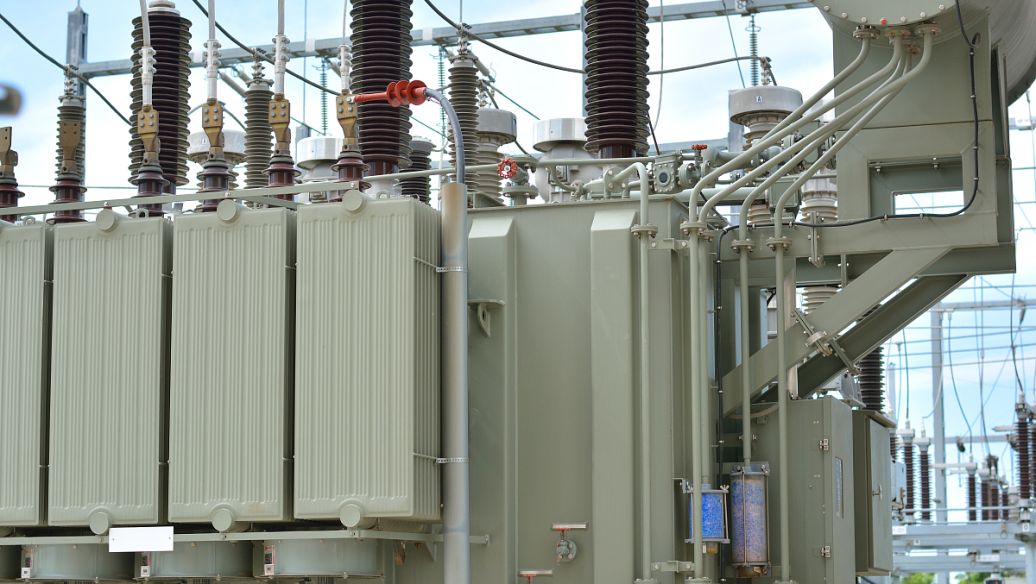
Procurement decisions require alignment between technical specification and budget planning. A three phase distribution transformer must meet both performance and compliance standards. Supplier evaluation includes manufacturing quality and testing certification. Delivery reliability also affects project scheduling and installation timelines. Long-term partnership with qualified manufacturers improves system consistency. Strategic sourcing ensures stable performance across industrial power networks.