
How To Choose Three Phase Delta Transformer?
-
Choose the right three phase delta transformer by load, voltage, cooling, insulation, standards, and operating cost.
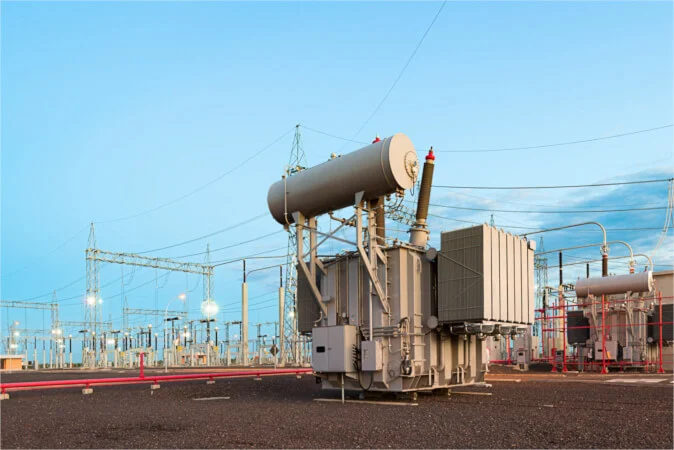
A three phase delta transformer supports motors, drives, pumps, and mixed plant loads with stable phase performance. Many buyers choose a three phase delta transformer for factories that need dependable power flow. Correct selection lowers downtime, heat stress, and repair costs. Wrong sizing creates overload trips and voltage drop during starts. Buyers should review load data before asking for quotes. Voltage class also matters because plant systems vary by region. Ambient heat changes thermal limits during summer peaks. Installation space can restrict enclosure choice. Procurement teams should compare total ownership cost, not only purchase price. Strong decisions start with real operating data, maintenance targets, and future expansion plans.
Why Delta Winding Designs Fit Industrial Loads
A three phase delta transformer performs well with rotating equipment and changing torque demand. Motors often create uneven current during starts. A delta connection helps circulate certain harmonic currents inside the winding loop. That behavior can improve line conditions in some systems. Plants with conveyors, compressors, and mixers often prefer this setup. The design also handles sudden load steps better than many alternatives. Engineers still need proper protection settings and cable sizing. Fault studies remain important before installation. When variable speed drives are common, harmonic review should happen early. Sound electrical coordination protects uptime and extends equipment service life across production lines.
Key Voltage Ratings Before Purchase
Voltage matching is the first technical checkpoint for buyers. A three phase delta transformer must match utility input and plant output needs. Primary voltage must match the utility or upstream bus level. Secondary voltage must suit motors, panels, heaters, or distribution boards. Frequency should align with 50 Hz or 60 Hz service. Tap changers help correct supply variation during daily demand swings. Nameplate tolerances need review before final approval. Large utility projects may also compare a 220 kv oil-immersed power transformer for transmission interfaces, yet factory users often buy lower classes. Every mismatch increases heat, losses, or nuisance trips.
Load Capacity And KVA Sizing Methods
Correct kVA sizing requires more than adding motor labels. Continuous demand should be separated from intermittent peaks. Starting current from large motors can be several times rated current. Welders and compressors may create sharp load pulses. Engineers often apply demand factors after reviewing duty cycles. Spare capacity helps future machines join the system later. Too much oversizing can raise no-load losses and purchase cost. Too little sizing raises winding temperature and voltage sag. A three phase delta transformer should also be checked for short term overload capability in process plants.
| Load Type | Main Concern | Buying Focus |
|---|---|---|
| Motor Group | High start current | Inrush margin |
| Heating Load | Continuous demand | Efficiency |
| Mixed Plant | Variable profile | Thermal reserve |
| Drive Systems | Harmonics | Impedance review |
Insulation Class And Thermal Performance
Insulation class strongly affects service life under heat stress. Common classes include A, B, F, and H. Higher classes tolerate higher internal temperatures, yet operating cooler still helps lifespan. Temperature rise limits should match site ambient conditions. Hot regions need extra caution during summer operation. Cooling methods include natural air, forced air, and oil systems. Ventilation around the unit must stay clear. Dust buildup reduces heat transfer over time. Buyers should ask for winding hot spot assumptions during design review. A three phase delta transformer with sound thermal planning reduces aging and shutdown risk.
Efficiency Standards And Lifetime Cost
Efficiency influences power bills every hour of operation. Core loss occurs whenever the unit is energized. Load loss rises with current and conductor resistance.
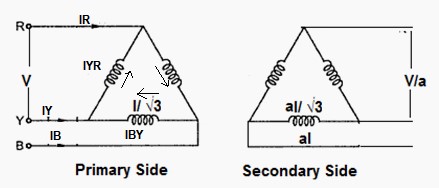
Buyers should compare both values rather than one headline figure. Regional rules may reference IEC 60076 testing practices or local efficiency regulations. Better efficiency often costs more upfront but saves money later. High operating hours improve the payback case. Noise limits can also affect core design choices. Reliable suppliers provide tested values, not estimates. A three phase delta transformer with lower losses often delivers stronger lifecycle value.
| Cost Element | Low Efficiency Unit | Higher Efficiency Unit |
|---|---|---|
| Purchase Price | Lower | Higher |
| Annual Energy Loss | Higher | Lower |
| Cooling Stress | Higher | Lower |
| Long-Term Value | Moderate | Strong |
Enclosure Protection And Site Conditions
Site conditions often decide enclosure style faster than any brochure. Indoor clean rooms need different protection than dusty workshops. Outdoor yards face rain, UV exposure, and corrosion risk. Food plants may require washdown resistance nearby. Chemical sites need coatings that resist fumes. Ventilation openings must balance cooling and contamination control. Noise can matter near offices or occupied zones. Footprint and lifting access affect installation schedules. Some buyers compare a 10kv -35kv dry type transformer where fire safety and indoor placement are priorities. A three phase delta transformer must suit the real environment to prevent avoidable failures.
Supplier Audit Checklist For B2B Buyers
Commercial risk deserves equal attention with technical risk. Strong suppliers provide routine test reports, drawings, and clear lead times. Quality systems such as ISO 9001 can support process control. Buyers should verify winding material claims and insulation sources. Factory capacity matters during urgent expansion projects. Spare parts support should be written into contracts. Warranty response times need clear language. Review export packing methods for sea shipments. A structured RFQ usually speeds accurate offers for any three phase delta transformer order.
- Send full load schedule and voltage data
- Request dimensional drawing early
- Ask for guaranteed losses
- Confirm test witness options
- Lock delivery milestones
- Define after-sales contacts
Long-Term Value Of Correct Selection
The best purchase balances reliability, efficiency, and growth plans. Cheap units may cost more after repeated downtime. Properly sized equipment runs cooler and lasts longer. Stable voltage helps motors avoid overheating and nuisance trips. Maintenance crews benefit from clear documentation and accessible terminals. Spare capacity can delay future capital spending. Standardized fleets simplify training and parts stocking. Buyers who compare technical data with ownership cost usually make better decisions. A three phase delta transformer chosen well supports production targets for many years.
FAQ
What Size Transformer Should I Buy?
Start with measured demand, not guesses. Review peak kW, average load, motor starting current, and duty cycle. Convert real operating needs into kVA with the proper power factor. Add a margin for growth, but avoid excessive oversizing because idle losses continue every hour. Check ambient temperature and enclosure limits because heat reduces usable capacity. If loads cycle sharply, ask for thermal modeling. Sites with welders or compressors need extra attention. Many buyers use twelve months of meter data before final sizing. A supplier should explain every assumption in writing before production begins.
Is Copper Better Than Aluminum Windings?
Copper offers higher conductivity and often allows compact winding designs. It also performs well under mechanical stress during fault events. Aluminum can still be a valid option when designed correctly. It may reduce initial cost and weight in some projects. The right answer depends on budget, space, fault duty, and maintenance philosophy. Joint quality becomes especially important with aluminum connections. Ask for conductor cross section, temperature rise data, and short-circuit capability. Reliable factories build strong units with either material. Engineering quality matters more than simple marketing claims about metal type.
Which Standards Matter For Export Projects?
Export projects should confirm destination rules before purchase orders are released. IEC 60076 is widely referenced for power transformer design and testing. Some markets also require local efficiency regulations, grid codes, or utility approvals. Nameplate language, frequency, and voltage tolerances may differ by region. Seismic or enclosure ratings can matter for certain sites. Documentation should include test certificates, drawings, manuals, and packing lists. Customs delays often happen when paperwork is incomplete. Buyers should ask who owns compliance responsibility in the contract. Early review saves time, freight cost, and commissioning delays later.