GET A QUOTE

Chinese Stock code : 920062

GET A QUOTE

M

Building the future

How Can We Help You Today?

Whether it’s a general inquiry, a request for a quote, or detailed project information, we look forward to connecting with you.

7 + 2 =

Tel / WhatsApp

+86-570-4982-888

Stock code : 920062

Kerun Intelligent Control

BLOG

Blog

  1. Home
  2. Dry Type Transformer
  3. How To Choose Three Phase 480 To 120/240 Transformer Wiring?

≡ Blog Categories

  • Blog
Please enable JavaScript in your browser to complete this form.

How Can We Help You Today?

Whether it’s a general inquiry, a request for a quote, or detailed project information, we look forward to connecting with you.

How To Choose Three Phase 480 To 120/240 Transformer Wiring?

Apr 10, 2026

How To Choose Three Phase 480 To 120/240 Transformer Wiring?

  • Optimize electrical systems with three phase 480 to 120/240 transformer wiring for safe, efficient industrial applications.
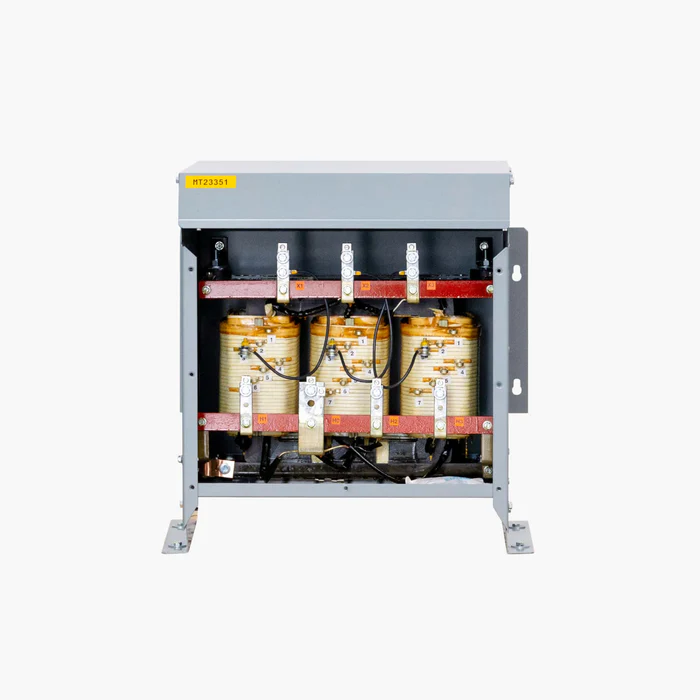
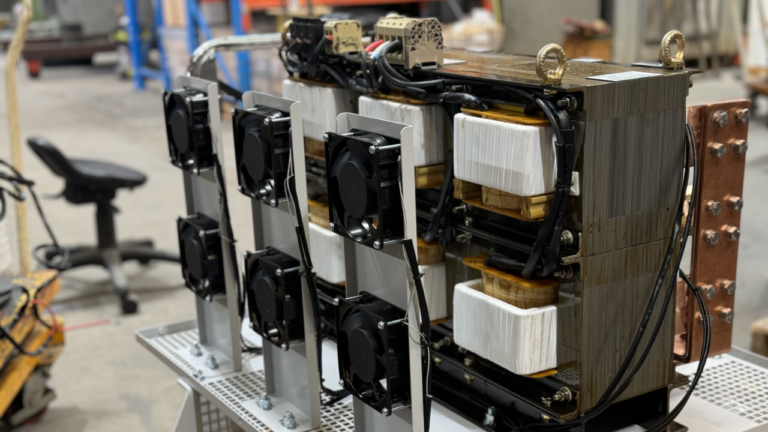
Three Phase 480 To 120:240 Transformer Wiring

Selecting correct three phase 480 to 120/240 transformer wiring is crucial. It impacts industrial and commercial electrical systems significantly. This decision affects operational efficiency and system reliability. Overall safety within any facility is also influenced. Proper wiring ensures optimal power distribution. It prevents costly downtime and equipment damage. Engineers and technicians must consider specifications. Application requirements are also important. Voltage transformation nuances are paramount for successful implementation. This text provides detailed insights. It helps in making informed choices for electrical infrastructure. Adherence to industry standards is emphasized. Best practices ensure robust performance. Careful planning and precise execution are vital steps.

Analysis of Three Phase Power Systems

Three phase power systems are fundamental in industrial settings. They offer advantages over single-phase alternatives. A constant, balanced power supply is provided. This is essential for operating heavy machinery. Large motors also benefit. The 480-volt primary side serves as main distribution. This is common in many commercial buildings. Higher voltage reduces current. It minimizes power loss over long distances. Transformers step down this voltage. They reach usable levels, like 120/240 volts. This powers lighting and smaller equipment. Conversion requires meticulous attention. Precise component selection is also needed. Balanced three phase power aids smoother operation. It extends equipment lifespan. Efficient power conversion is a cornerstone. It supports continuous productivity. It also reduces energy consumption.

Critical Factors in Selecting Transformer Wiring

Choosing appropriate transformer wiring involves critical factors. These guarantee system integrity. Wire gauge, insulation type, and conductor material are primary. The wire gauge must handle current load. It prevents overheating and fire hazards. Insulation must withstand environmental conditions. This includes temperature fluctuations and moisture. Copper conductors offer superior conductivity. They also provide durability. Voltage drop calculations are essential. This is true for longer wiring runs. It maintains consistent power delivery. Overlooking details leads to inefficient operation. It also causes premature component failure. Electrical codes and manufacturer specifications guide decisions. These elements determine long-term performance. They also ensure installation safety.

Installation Safety and Compliance Standards
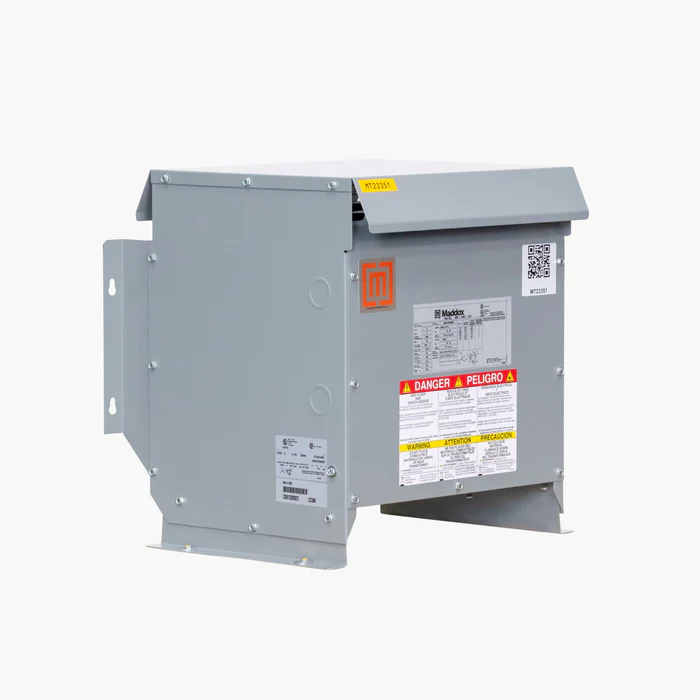
Adhering to stringent safety protocols is non-negotiable. Compliance standards are vital during installation. The National Electrical Code (NEC) provides comprehensive guidelines. These ensure safe electrical practices. Proper grounding and bonding protect personnel. Equipment is also safe from electrical faults. Lockout/tagout procedures must be strictly followed. This happens before work on energized circuits. Qualified electricians should perform tasks. They need extensive experience. Regular inspections ensure ongoing compliance. They identify potential hazards. Ignoring safety measures causes severe injuries. It can also lead to fatalities or equipment failures. A thorough grasp of regulatory requirements is paramount. This commitment fosters a secure working environment.

3 Ph Small 3 Min

Common Wiring Diagrams and Applications

Various wiring configurations exist. These suit specific applications. Delta-wye connections are common. They provide a grounded neutral for single-phase loads. They also maintain three-phase power. Open delta configurations offer a cost-effective solution. This is for lighter loads or temporary setups. Knowledge of these diagrams is crucial. It aids correct installation and troubleshooting. Industrial facilities use these transformers often. They power heavy machinery and general-purpose outlets. For example, a plant might run large motors. It simultaneously supplies power for office lighting. The versatility of these transformers is indispensable. They serve diverse operational environments. Proper diagram interpretation ensures efficiency. It also ensures safe power distribution. This adaptability highlights their importance.

Maintenance and Longevity of Transformer Wiring

Regular maintenance is essential. It extends lifespan and ensures reliable operation. Periodic inspections check for wear. They also look for corrosion or insulation degradation. Loose connections cause overheating. They also lead to arc faults. Immediate tightening is necessary. Dust and debris impede heat dissipation. This causes premature component failure. Thermal imaging identifies hot spots. It indicates potential problems early. A proactive schedule minimizes outages. It also reduces costly repairs. For example, a 220 kv oil-immersed power transformer needs specific routines. These ensure its longevity. Proper care enhances efficiency. It also improves electrical system safety. This diligent approach safeguards investment.

Comparing Transformer Wiring Materials

Choosing the right conductor material is critical. It impacts transformer wiring. Copper and aluminum are common choices. Each has distinct properties. Copper is known for superior conductivity. It also has high tensile strength. It resists oxidation and corrosion. Aluminum is lighter and less expensive. However, it has lower conductivity. It is more prone to expansion and contraction. The choice depends on budget. Application and performance requirements also factor in. For instance, a 110 kv oil-immersed power transformer might have specific recommendations. These are for wiring materials. Below is a comparison table.
Feature Copper Wiring Aluminum Wiring
Conductivity High Lower than Copper
Cost Higher Lower
Weight Heavier Lighter
Corrosion Resistance High Moderate

Key Considerations for Transformer Selection
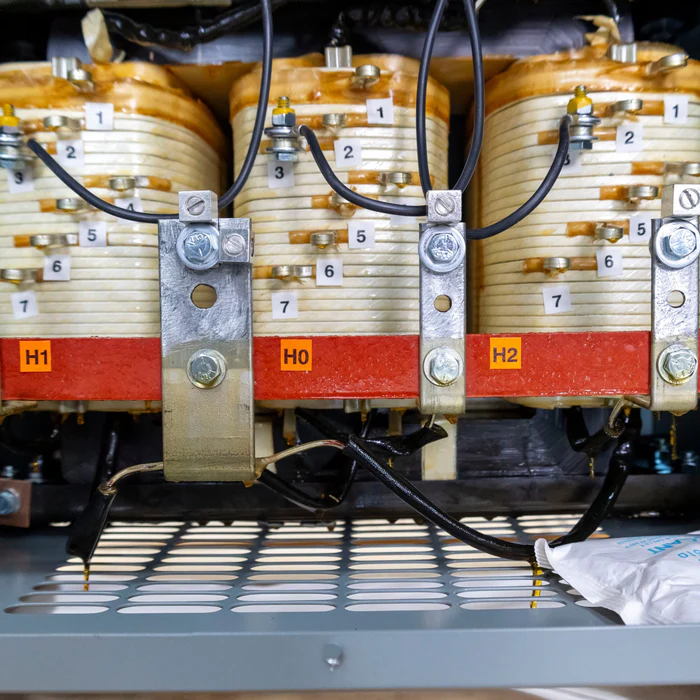
Selecting the appropriate transformer involves more than just voltage conversion. Several factors guide this crucial decision. These considerations ensure the transformer meets specific operational demands. They also guarantee long-term reliability and safety. Neglecting these aspects can lead to inefficiencies or system failures. Thoughtful selection is paramount for optimal performance. Below is a list of key considerations:
KVA Rating: Match the transformer’s capacity to the total load requirement.
Insulation Class: Choose insulation suitable for the operating temperature and environment.
Temperature Rise: Select a transformer with an acceptable temperature rise for its application.
Enclosure Type: Ensure the enclosure provides adequate protection against environmental elements.
Efficiency: Opt for high-efficiency models to minimize energy losses and operating costs.
This list helps streamline the selection process. It ensures all critical aspects are addressed.

Transformer Maintenance Schedule

A structured maintenance schedule is vital. It ensures transformer longevity and reliability. This proactive approach helps identify issues. It addresses them before costly failures. The schedule includes daily, monthly, quarterly, and annual checks. Daily inspections involve visual checks. These look for leaks or unusual noises. Monthly checks include cleaning. They also involve checking connections. Annual testing provides in-depth assessment. It evaluates transformer health. This disciplined approach is a cornerstone. It supports a reliable power system. It ensures peak efficiency. This lasts throughout its service life.
Frequency Maintenance Task Description
Daily Visual Inspection Check for oil leaks, unusual noises, and overall condition.
Monthly Connection Tightness Inspect and tighten all electrical connections to prevent overheating.
Quarterly Cleaning Clean bushings and insulators to prevent flashovers.
Annually Oil Testing Test the dielectric strength and moisture content of the transformer oil.

Conclusion: Optimizing Your Three Phase 480 to 120/240 Transformer Wiring

Optimizing your three phase 480 to 120/240 transformer wiring involves a holistic approach. It encompasses careful selection and precise installation. Diligent maintenance is also included. Each stage plays a pivotal role. It ensures efficiency, safety, and longevity. Prioritizing quality components is fundamental. Adhering to industry best practices is also key. A well-designed system minimizes operational risks. It maximizes productivity. Continuous monitoring prevents minor issues. Timely interventions stop escalation. Investing in expert consultation helps. Skilled labor provides significant long-term benefits. This strategic approach guarantees a robust supply. It meets all industrial needs. It underpins seamless operation of critical equipment.

Frequently Asked Questions

What is the primary function of a three phase 480 to 120/240 transformer?

A three phase 480 to 120/240 transformer steps down voltage. It converts a higher three-phase power supply. This reaches a lower, more usable voltage. This conversion allows facilities to power equipment. It provides three-phase power for heavy machinery. It also supplies single-phase 120/240 volt power. This is for lighting, outlets, and smaller appliances. This versatility makes it a cornerstone. It supports modern electrical distribution systems. The transformer ensures different voltage requirements are met. This happens safely and efficiently. It optimizes overall power usage and equipment compatibility.

How do you determine the correct wire gauge for a 480 to 120/240 transformer?

Determining the correct wire gauge for a 480 to 120/240 transformer requires careful load and code-based calculations. Start by calculating the maximum current draw on both the primary and secondary sides, since conductor sizing must match full-load conditions. Next, consult the National Electrical Code tables to identify minimum ampacity requirements based on conductor material, insulation type, and installation conditions. Ambient temperature, conduit fill, and allowable voltage drop must also be factored in, as they can significantly affect real-world performance. Proper conductor selection ensures the wire can safely carry continuous load without excessive heat buildup. Correct sizing improves system efficiency and helps maintain long-term electrical reliability.

What safety precautions are essential when working with three phase 480 to 120/240 transformer wiring?

Essential safety precautions include de-energizing power. Locking out the source is also vital. This happens before any work begins. Always verify zero voltage. Use a multimeter for this. Wear appropriate personal protective equipment (PPE). This includes insulated gloves and safety glasses. Arc-rated clothing is also necessary. Ensure proper grounding and bonding. This applies to the transformer and wiring. Never work alone on energized equipment. Follow all local electrical codes. Company safety procedures are also important. These measures prevent electrical shocks. They also prevent arc flashes and injuries. Safety must always be the top priority.