
How To Choose Single Phase 480 To 120 240 Transformer?
-
Single phase 480 to 120 240 transformer selection improves industrial safety, voltage control, and load stability.
Why Voltage Conversion Matters In Industrial Facilities
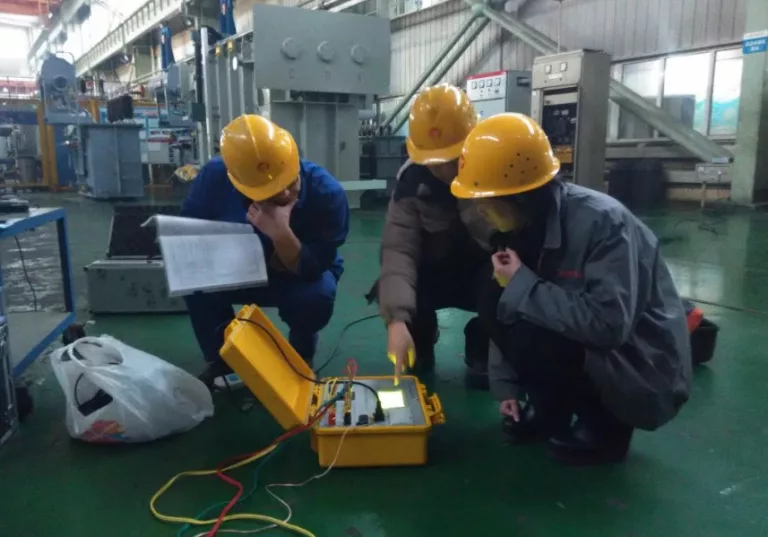
Industrial facilities require stable voltage during continuous equipment operation. Many factories receive 480V utility power from distribution systems. Production devices often require 120V or 240V output instead. A single phase 480 to 120 240 transformer performs that conversion safely. Proper voltage matching protects motors, controllers, and monitoring equipment effectively. Incorrect voltage creates overheating, insulation failure, and production interruptions quickly. Manufacturing plants also face strict electrical compliance requirements today. Reliable voltage conversion improves operational consistency across automated production lines. Electrical engineers evaluate harmonic distortion before transformer installation begins. Thermal performance also affects long operating cycles within demanding facilities. Several industrial buyers prioritize efficiency ratings during equipment procurement decisions. Stable voltage improves PLC communication reliability during heavy production schedules. Maintenance teams also prefer systems with simplified wiring structures and dependable overload protection functions.
Core Specifications That Affect Industrial Transformer Performance
Industrial buyers evaluate several technical specifications before transformer procurement decisions. KVA rating determines available power capacity during connected equipment operation. Frequency compatibility usually follows standard 50Hz or 60Hz utility systems. Copper windings improve conductivity and reduce internal resistance effectively. Aluminum windings lower initial equipment costs for limited applications. Insulation class affects thermal resistance during continuous industrial workloads significantly. A single phase 480 to 120 240 transformer often uses dry type insulation systems. Ventilation structure also influences long term temperature stability inside facilities. Noise control remains important near office areas or precision laboratories. Engineers inspect impedance ratings before connecting sensitive automation systems carefully. Voltage regulation performance supports stable equipment startup during peak conditions. Industrial sites frequently demand epoxy coated coils for moisture protection purposes. Certified manufacturers also complete dielectric testing before shipment approval processes begin.
How To Calculate Correct Transformer Capacity
Load calculation prevents voltage instability during industrial production activities daily. Engineers first calculate total connected equipment wattage across operational circuits carefully. Startup current receives additional attention during motor driven equipment operation periods. Compressors and hydraulic pumps create temporary inrush current during activation sequences. Safety margins support long operating cycles without excessive heat accumulation. Most facilities maintain spare transformer capacity for future equipment expansion plans. A single phase 480 to 120 240 transformer should never operate continuously at maximum capacity. Electrical contractors also examine power factor before final transformer sizing decisions. Harmonic producing equipment may require additional filtering components for stability. Data collection from production equipment improves load prediction accuracy significantly. Continuous loads normally require stronger thermal management systems than temporary loads. Proper sizing extends insulation lifespan and reduces maintenance expenses substantially. Stable voltage output also improves machine precision during automated manufacturing operations.
Transformer Installation Conditions And Environmental Requirements
Installation conditions strongly influence transformer lifespan within industrial production environments today. Indoor systems require sufficient airflow around cooling surfaces continuously. Dust accumulation increases thermal stress across winding insulation materials gradually. Moisture exposure can damage terminals and internal conductive components severely. Electrical rooms often include temperature monitoring for safety compliance purposes. A single phase 480 to 120 240 transformer performs best within controlled operating environments. Industrial electricians maintain clearance distances according to NEC requirements carefully. Grounding systems reduce electrical shock risks during maintenance procedures effectively. Several production sites use vibration isolators beneath transformer mounting structures. Outdoor installations frequently require weather resistant enclosures and corrosion protection coatings. Chemical processing facilities demand additional insulation protection against airborne contaminants. Large utility stations may also contain a 10 kv oil-immersed transformer for heavy distribution applications. Proper environmental planning significantly reduces unexpected equipment failures across industrial facilities.
Comparison Of Dry Type And Oil Filled Systems
Industrial facilities select transformer structures according to operational safety requirements carefully. Dry type systems provide cleaner installation conditions within enclosed production areas. Oil filled units support higher cooling efficiency during heavy load operation. Fire safety standards often favor dry type systems inside commercial buildings. Maintenance procedures also differ between both transformer construction methods significantly. Oil filled units require periodic fluid inspection and leak prevention practices. Dry type systems reduce contamination risks near food processing equipment considerably. Some industrial substations install a 10kv -35kv dry type transformer for medium voltage distribution requirements. Ventilation design becomes extremely important for enclosed dry type installations. Facilities with strict environmental policies frequently avoid oil leakage risks entirely. Production managers also compare long term maintenance expenses before procurement approval. Noise levels vary according to core material design and cooling structures. Safety engineers generally prioritize low smoke insulation materials during indoor installation projects.
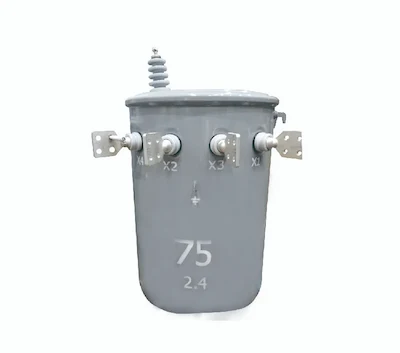
| Transformer Type | Cooling Method | Maintenance Level | Common Application |
|---|---|---|---|
| Dry Type | Air Cooling | Low | Indoor Manufacturing |
| Oil Filled | Oil Circulation | Medium | Utility Distribution |
| Cast Resin | Natural Air | Low | Commercial Buildings |
| Ventilated Dry Type | Forced Air | Medium | Automation Workshops |
Single Phase 480 To 120 240 Transformer Cooling Methods And Insulation Reliability
Transformer cooling methods directly affect operational reliability within industrial facilities. Heat accumulation damages insulation materials during extended production schedules rapidly. Natural air cooling supports smaller industrial transformer installations efficiently. Forced air systems improve heat dissipation under continuous heavy loads effectively. Epoxy resin insulation resists moisture and chemical contamination successfully. Thermal class ratings determine maximum operating temperature during industrial operation periods. Several manufacturers perform heat cycle testing before commercial equipment delivery. A single phase 480 to 120 240 transformer often uses Class H insulation for demanding conditions. Electrical engineers also examine hotspot temperature during equipment commissioning procedures carefully. Ventilation pathways require regular inspection to maintain cooling performance consistently. Dust blockage can increase internal winding temperatures above acceptable limits quickly. Reliable insulation systems improve electrical efficiency and extend operational lifespan considerably. Production managers prioritize stable thermal performance for uninterrupted manufacturing schedules daily.
Protection Features For Industrial Electrical Safety
Electrical protection systems prevent catastrophic equipment damage during fault conditions effectively. Circuit breakers isolate overloaded systems before insulation failure develops completely. Ground fault monitoring improves worker protection near energized industrial equipment significantly. Thermal sensors provide immediate temperature alerts during abnormal operating conditions. Fuse coordination also supports selective fault isolation across connected electrical circuits. Industrial buyers frequently request surge protection for sensitive automation systems additionally. A single phase 480 to 120 240 transformer requires proper grounding for stable operation. Engineers also evaluate short circuit withstand capacity before installation approval processes. Arc flash reduction strategies improve maintenance safety within energized facilities greatly. Several facilities install digital monitoring panels for continuous operational supervision purposes. Remote diagnostics simplify troubleshooting across distributed manufacturing locations substantially. Reliable protection systems reduce unexpected downtime and expensive production interruptions effectively. Safety compliance audits also verify correct installation procedures within industrial environments regularly.
| Protection Feature | Primary Function | Industrial Benefit | Inspection Frequency |
|---|---|---|---|
| Circuit Breaker | Overcurrent Isolation | Equipment Protection | Quarterly |
| Thermal Sensor | Temperature Monitoring | Fire Prevention | Monthly |
| Grounding System | Shock Protection | Worker Safety | Biannual |
| Surge Protection | Voltage Stabilization | PLC Protection | Annual |
Key Purchasing Checklist For Industrial Buyers
Industrial procurement teams follow detailed evaluation procedures before transformer purchases. Reliable manufacturers provide complete electrical testing documentation during quotation stages. Certification compliance demonstrates product reliability under industrial operating conditions consistently. Buyers also inspect enclosure materials before approving outdoor installation applications carefully. Several facilities compare efficiency ratings to reduce long term electricity expenses. Maintenance accessibility influences operational costs during future service procedures significantly. A single phase 480 to 120 240 transformer should match exact operational voltage requirements. Industrial engineers frequently request customized terminal arrangements for installation flexibility purposes. Factory acceptance testing improves confidence before shipment release processes begin. Buyers additionally evaluate warranty duration and replacement component availability carefully. Important procurement considerations include the following operational factors:
- KVA capacity requirements
- Insulation class ratings
- Noise performance levels
- Cooling system structure
- Short circuit protection
- Environmental resistance capability
- Certification compliance records
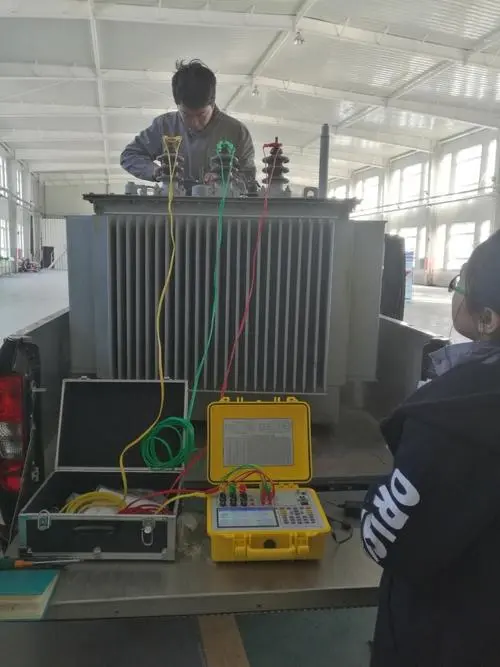
These factors improve purchasing accuracy during industrial transformer selection procedures substantially.
Maintenance Strategies For Long Service Life
Preventive maintenance improves transformer reliability across demanding industrial production environments consistently. Maintenance teams inspect electrical terminals for loosened connections regularly. Dust removal protects ventilation pathways from airflow restriction problems effectively. Infrared scanning identifies abnormal heating before severe equipment failure develops completely. Electrical technicians also verify insulation resistance during scheduled inspection procedures carefully. A single phase 480 to 120 240 transformer benefits from periodic thermal performance evaluations. Production facilities often maintain digital maintenance records for operational analysis purposes. Lubrication rarely applies to dry type transformer construction systems directly. However, cooling fan assemblies may require periodic mechanical inspection procedures. Corrosion inspection becomes important within humid or chemical processing environments additionally. Maintenance schedules usually follow manufacturer recommendations and local compliance standards. Reliable servicing significantly reduces downtime across automated production facilities daily. Stable transformer performance supports consistent manufacturing quality and electrical safety objectives.
Conclusion
Industrial transformer selection requires careful evaluation of electrical and environmental conditions. Voltage stability supports efficient manufacturing across automated production facilities continuously. Proper transformer sizing reduces thermal stress and unexpected operational failures significantly. Engineers should evaluate insulation class and cooling structure before procurement decisions. Certified testing procedures also improve reliability during continuous industrial workloads effectively. A single phase 480 to 120 240 transformer delivers dependable voltage conversion for modern industrial applications. Protection systems further strengthen operational safety during demanding production activities daily. Buyers additionally benefit from detailed maintenance planning and accurate load calculations. Indoor installation conditions require ventilation planning and proper grounding practices carefully. Long term operational stability depends on quality materials and professional installation standards. Industrial facilities achieve better efficiency when transformer specifications match actual equipment requirements accurately.
FAQ
How does a single phase 480 to 120 240 transformer improve equipment safety?
Industrial equipment requires stable voltage for reliable daily operation. Incorrect voltage damages motors, PLC systems, and electronic control boards quickly. A single phase 480 to 120 240 transformer provides controlled voltage conversion for connected systems safely. Stable output reduces overheating risks during extended production schedules significantly. Proper grounding also improves worker protection near energized equipment locations. Thermal insulation systems resist electrical stress during heavy industrial workloads effectively. Circuit protection devices isolate overload conditions before severe damage develops completely. Manufacturing facilities additionally benefit from reduced downtime and improved operational consistency. Certified transformers also satisfy industrial electrical compliance standards across many commercial environments today.
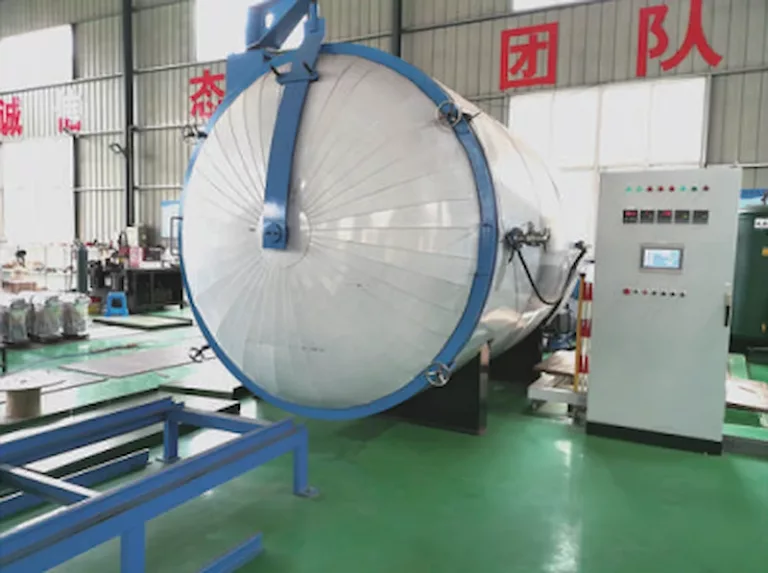
What KVA size should industrial facilities choose?
Correct KVA sizing depends on total connected load requirements within facilities. Engineers calculate equipment wattage before transformer selection procedures begin carefully.Motor startup current also affects required transformer capacity significantly. Production sites usually maintain additional capacity for future expansion plans. Continuous industrial loads create higher thermal stress than temporary loads normally. Oversized transformers increase unnecessary operating expenses during low demand periods. Undersized systems create overheating and unstable voltage during production activities frequently. Industrial contractors often recommend safety margins for reliable long term operation. Accurate sizing improves electrical efficiency and supports stable manufacturing performance across demanding facilities consistently.
Which transformer type works better for indoor industrial environments?
Dry type transformers usually perform better inside enclosed industrial production environments today. These systems reduce oil leakage risks near sensitive manufacturing equipment considerably. Ventilated dry type construction also simplifies maintenance procedures within commercial facilities. Fire safety standards frequently favor dry type systems for indoor applications. Oil filled units provide stronger cooling performance during extremely heavy operational conditions. However, enclosed environments often require cleaner transformer installation structures instead. Environmental policies additionally influence transformer selection within regulated manufacturing industries significantly. Engineers evaluate ventilation, humidity, and thermal conditions before installation approval procedures carefully. Proper transformer selection improves safety, reliability, and operational efficiency across indoor industrial facilities.