
How To Choose Power Transformer Oil Type?
-
Choose the right power transformer oil type with insights on cooling, safety, cost, and performance for oil-immersed transformer systems.
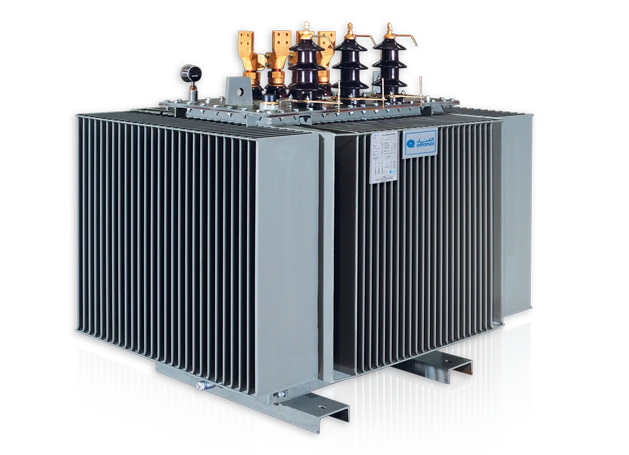
Power transformer oil type defines how an oil-immersed transformer manages cooling and insulation. Engineers use this term to describe structural and thermal configurations. It does not refer to insulating oil chemistry alone. A correct selection ensures stable operation and long service life. Electrical systems require precise thermal control under varying load conditions. Industrial environments demand consistent performance and durability. Utility grids prioritize reliability and low maintenance requirements. Renewable systems require flexibility due to fluctuating loads. Each factor influences the final configuration decision. Poor selection increases operational risks and maintenance costs. Engineers must evaluate system requirements carefully. A balanced approach improves efficiency and long-term reliability.
Core Principles of Oil-Immersed Transformer Operation and Thermal Management
Oil-immersed transformers use liquid insulation and cooling to ensure stable operation. The sealed tank houses windings, a magnetic core, and insulating oil. Thermal energy moves from active parts into the oil medium. Natural convection or forced circulation enhances heat dissipation efficiency. Solid insulation interacts continuously with the surrounding oil environment. Cellulose materials degrade based on temperature and moisture conditions. Controlled oil flow helps slow insulation aging and prolong equipment lifespan. Core losses generate heat during energized operation. Electrical resistance within windings creates additional thermal stress. Engineers design systems to keep temperature rise within strict limits. Efficient cooling maintains insulation integrity over extended service periods. These principles support accurate evaluation of any power transformer oil type.
Classification of Power Transformer Oil Type in Industry
Industry standards classify power transformer oil type according to cooling methods. ONAN systems rely on natural oil and air circulation. ONAF systems introduce forced air cooling for higher capacity. OFAF designs include forced oil and forced air circulation. OFWF systems use water cooling for extreme performance conditions. Each configuration suits specific operational requirements. ONAN systems work well in low to medium load environments. ONAF provides improved cooling without major structural complexity. OFAF supports heavy industrial loads with stable thermal control. OFWF delivers maximum cooling for high-capacity installations. Engineers must align cooling class with load demand. Proper classification ensures efficiency and durability.
Cooling Performance and Thermal Management Factors
Thermal performance determines transformer efficiency and lifespan. Oil absorbs heat from windings and core structures effectively. Cooling systems dissipate heat into surrounding air or water. Load capacity depends on heat removal speed. Higher efficiency enables increased electrical output capability. Temperature rise must comply with IEC and IEEE standards. Excessive heat accelerates insulation degradation processes. Engineers monitor hot-spot temperature for system evaluation. Cooling design affects both short-term performance and long-term reliability. Forced cooling systems stabilize operation under varying loads. Natural systems offer simplicity but limited capacity. Selecting the correct thermal solution is essential for any power transformer oil type.
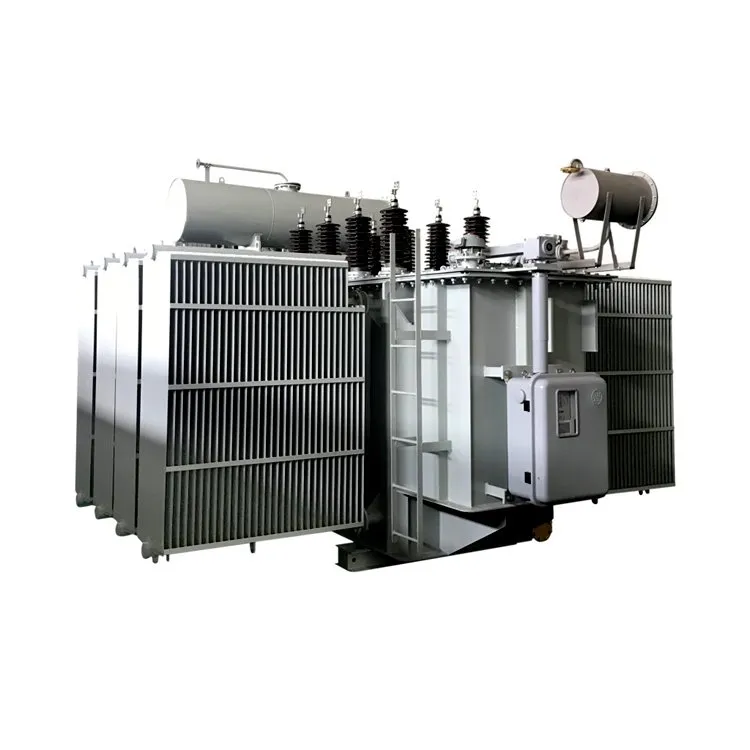
| Cooling Type | Cooling Method | Capacity Range | Typical Use |
|---|---|---|---|
| ONAN | Natural Oil, Natural Air | Low to Medium | Distribution networks |
| ONAF | Natural Oil, Forced Air | Medium | Urban substations |
| OFAF | Forced Oil, Forced Air | High | Industrial plants |
| OFWF | Forced Oil, Water Cooling | Very High | Power stations |
Cooling classifications reveal how systems handle increasing thermal loads. Engineers often select ONAF for flexible performance upgrades. OFAF provides stable operation in demanding industrial environments. OFWF suits compact installations with high power density requirements. Selection must match both thermal demand and environmental conditions.
Insulation System Compatibility and Material Behavior
Insulation systems combine liquid oil with solid cellulose materials. Oil enhances dielectric strength and heat transfer capability. Moisture significantly reduces insulation effectiveness and reliability. Elevated temperatures accelerate chemical aging of cellulose fibers. Engineers assess aging using polymerization degree measurements. Oil quality directly affects insulation stability over time. Contaminants lower dielectric strength and increase failure risk. Proper sealing prevents oxidation and moisture ingress. Regular testing ensures insulation performance remains within limits. Material compatibility determines overall system durability. Careful selection improves reliability and reduces maintenance frequency.
Application-Based Selection of Power Transformer Oil Type
Application requirements strongly influence configuration choices. Industrial systems demand high-load capacity and continuous operation. Utility networks require stable and predictable long-term performance. Renewable installations face fluctuating load conditions frequently. Indoor installations require compact and low-noise designs. Outdoor systems must withstand environmental variations and weather exposure. A 110 kv oil-immersed power transformer often uses advanced cooling systems. High voltage requires precise thermal and insulation coordination. A 35 kv oil-immersed transformer suits medium distribution applications. These systems balance cost, efficiency, and reliability effectively. Engineers must match configuration with operational needs.
Environmental and Fire Safety Requirements
Safety considerations play a critical role in transformer selection. Oil systems must meet fire resistance and environmental standards. Flash point and fire point determine ignition risk levels. Mineral oil offers cost efficiency but lower fire resistance. Ester-based fluids provide higher safety performance. Environmental regulations may require biodegradable insulation solutions. Urban installations prioritize fire safety compliance. Industrial environments often focus on performance under stress. Engineers must balance safety and operational efficiency. Regulatory compliance ensures safe and reliable system operation.
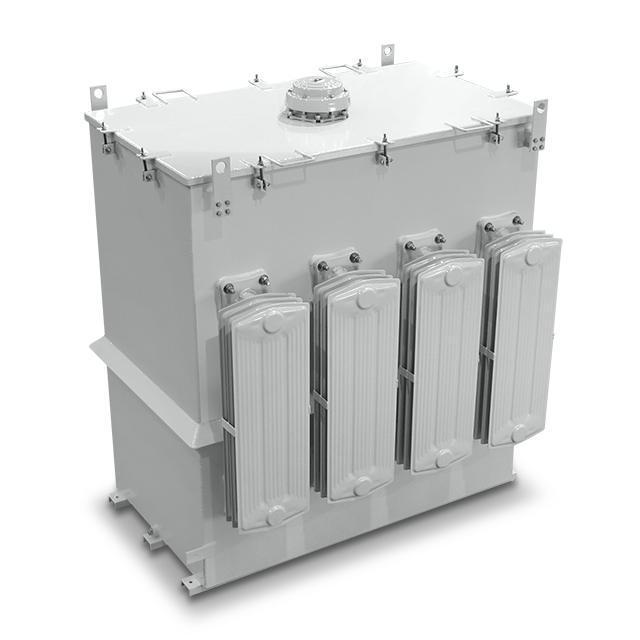
| Oil Type | Fire Safety Level | Environmental Impact | Cost |
|---|---|---|---|
| Mineral Oil | Moderate | Low | Low |
| Natural Ester | High | Very Low | High |
| Synthetic Ester | Very High | Low | Very High |
Safety comparisons emphasize key differences in fire resistance and environmental impact. Ester-based fluids offer enhanced fire safety and biodegradability, making them suitable for densely populated or high-risk areas. In contrast, mineral oil remains widely used in cost-sensitive applications due to its affordability and established performance. Final selection depends on regulatory standards, project risk tolerance, and operational priorities, especially in applications such as a 110 kv oil-immersed power transformer.
Cost Efficiency and Lifecycle Performance
Cost evaluation includes both initial investment and operational expenses. Maintenance requirements influence total lifecycle cost significantly. Oil degradation leads to testing and replacement costs over time. Cooling systems also affect energy consumption levels. Forced cooling increases cost but improves capacity. Natural cooling reduces complexity and maintenance needs. Engineers must balance performance and long-term expenses carefully. Reliable systems reduce downtime and associated losses. Lifecycle analysis supports informed decision-making. Selecting the right power transformer oil type improves economic efficiency.
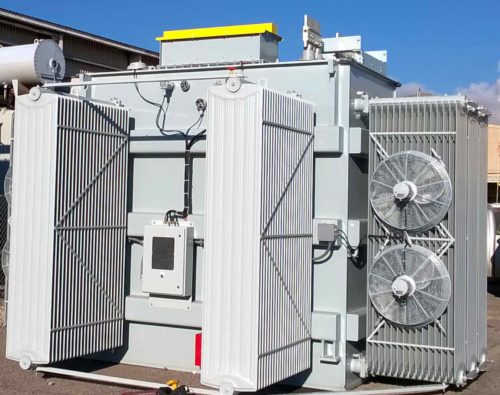
Key Selection Criteria Checklist for Engineers
- Evaluate load capacity and thermal requirements
- Assess installation environment conditions
- Check insulation system compatibility
- Review cooling system efficiency
- Consider fire safety standards
- Analyze lifecycle cost factors
- Match system design with application needs
These criteria provide a structured selection approach. Engineers must evaluate each factor based on project requirements. Ignoring key elements can lead to performance issues. A balanced evaluation ensures reliable operation and optimal efficiency.
Future Trends in Oil-Immersed Transformer Design
Transformer design continues evolving with modern technology integration. Smart monitoring systems enable predictive maintenance strategies. Sensors track temperature, load, and moisture in real time. Eco-friendly insulation materials reduce environmental impact. High-efficiency designs support modern power distribution needs. Renewable energy integration increases demand for flexible systems. Digital tools improve operational control and system reliability. Engineers must stay updated with emerging technologies. Future developments will refine power transformer oil type selection further.
FAQ
What is the difference between transformer oil and power transformer oil type?
Transformer oil refers to the insulating liquid inside the transformer. Power transformer oil type describes the cooling and structural configuration. These classifications define how the system manages heat and load conditions. Oil supports insulation and heat transfer functions. System design determines overall performance and efficiency. Engineers must consider both aspects during selection. Misunderstanding these terms may lead to incorrect specifications. Proper distinction improves system reliability and operational performance.
Which power transformer oil type is best for high-load applications?
High-load applications require advanced cooling configurations for stable operation. OFAF and OFWF systems provide strong heat dissipation capabilities. Forced oil circulation improves thermal efficiency significantly. Engineers often choose OFAF for industrial environments. OFWF suits extremely high-capacity installations with compact space requirements. Selection depends on load demand and environmental conditions. Proper cooling prevents overheating and insulation damage. High-load systems require detailed engineering analysis before implementation.
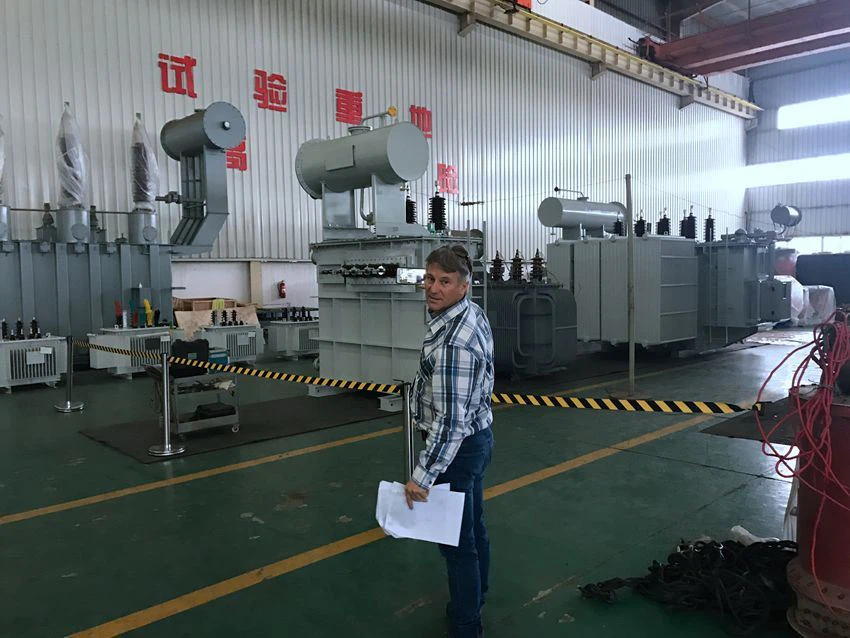
How does cooling method affect transformer lifespan?
Cooling methods directly influence insulation aging and system durability. Efficient heat removal reduces internal temperature and thermal stress. Lower temperature slows down insulation degradation processes. Forced cooling systems maintain stable operation under heavy loads. Natural cooling offers simplicity but limited performance capacity. Poor cooling accelerates aging and increases failure risk. Engineers monitor temperature to assess system condition. Proper cooling selection extends transformer lifespan significantly.