
How To Choose Power Oil Transformer Oil?
-
Power Oil Transformer Oil selection based on dielectric strength, oxidation stability, standards, and cooling performance for transformers.
Introduction to Power Oil Transformer Oil in Electrical Systems
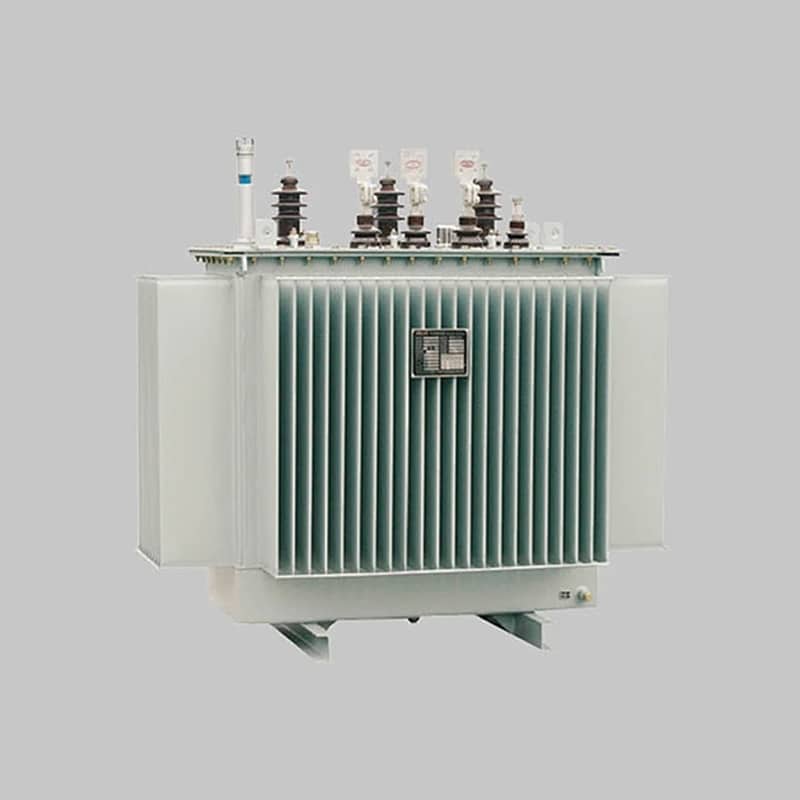
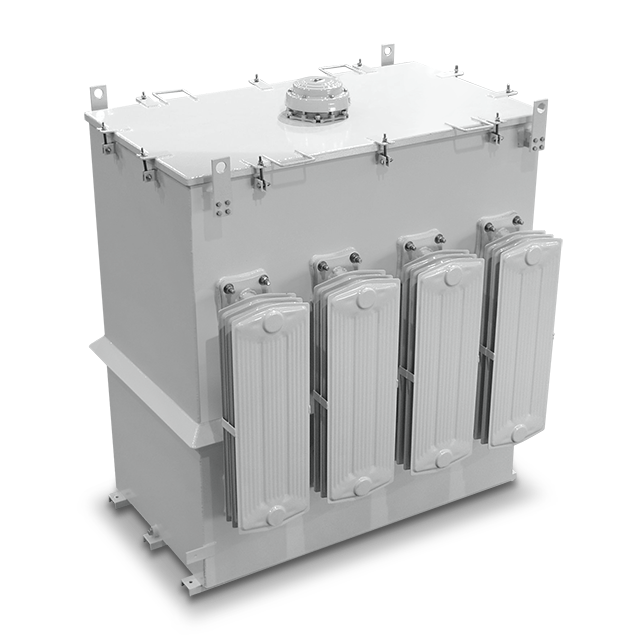
Power Oil Transformer Oil plays a critical role in electrical insulation and thermal management. It supports stable operation in high-voltage transformer systems across industrial networks. Engineers depend on this oil to prevent dielectric failure and overheating risks. Effective insulation reduces internal faults and improves operational reliability. Cooling performance helps dissipate heat generated during continuous load cycles. Proper oil selection directly influences transformer lifespan and maintenance costs. Systems like a 220 kv oil-immersed power transformer demand consistent thermal stability under heavy load. Reliable oil performance ensures energy efficiency and operational safety. Careful selection aligns oil properties with transformer design and working conditions.
Key Properties of Power Oil Transformer Oil for Performance Stability
Power Oil Transformer Oil must exhibit strong dielectric strength to resist electrical breakdown. High insulation capability ensures safe operation under high voltage conditions. Thermal conductivity determines how efficiently heat moves away from windings. Better cooling performance prevents localized overheating and material degradation. Oxidation stability reduces sludge formation and extends oil service life. Low viscosity supports smooth circulation and consistent cooling efficiency. Flash point defines fire safety under extreme temperature conditions. Balanced physical properties enhance long-term transformer reliability. Engineers evaluate these characteristics before selecting oil for demanding environments. Proper property alignment ensures consistent performance across operational cycles.
Types of Power Oil Transformer Oil and Their Application Scenarios
Power Oil Transformer Oil includes several types designed for different operational needs. Mineral oil remains common due to cost efficiency and stable insulation performance. Natural ester oils offer biodegradability and improved fire resistance for sensitive installations. Synthetic esters provide superior thermal stability and longer service life. Each oil type serves specific environmental and performance requirements. Urban substations often require safer and eco-friendly fluid options. Industrial transformers prioritize durability and cost-effectiveness under heavy loads. Selecting the correct oil type ensures optimal balance between safety and efficiency. Application-specific choices improve system reliability and environmental compliance.
Power Oil Transformer Oil Selection Based on Transformer Design
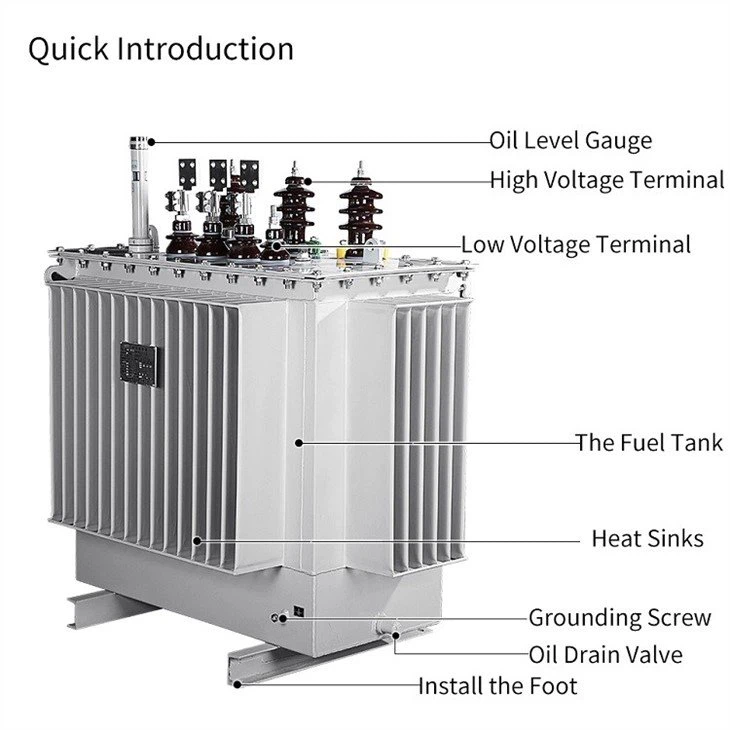
Power Oil Transformer Oil selection depends heavily on transformer structure and load conditions. Voltage class determines insulation requirements and dielectric strength needs. High-load systems require oil with strong heat dissipation capabilities. Material compatibility ensures seals and insulation materials remain stable over time. Engineers consider aging resistance and oxidation stability during selection. Oil must match cooling system design for efficient thermal management. A 110 kv oil-immersed power transformer requires stable oil under moderate voltage conditions. Proper alignment between oil and design improves operational efficiency. Thoughtful selection reduces maintenance frequency and extends service life.
Standards Governing Power Oil Transformer Oil Quality
Power Oil Transformer Oil must comply with international standards for safety and performance. IEC 60296 defines requirements for unused mineral insulating oils. ASTM D3487 specifies classification and testing methods for transformer oil. Compliance ensures consistent quality and predictable performance in service conditions. Testing includes dielectric strength, moisture levels, and oxidation stability checks. Certified oil reduces risk of operational failure in high-voltage systems. Utilities rely on standards for procurement and quality assurance processes. Meeting these standards ensures reliability and long-term equipment protection. Regulatory adherence supports safe and efficient transformer operation globally.
Chemical Characteristics Affecting Power Oil Transformer Oil Performance
Power Oil Transformer Oil performance depends strongly on chemical stability and purity levels. Moisture content significantly affects dielectric strength and insulation reliability. Low moisture ensures stable electrical performance under high voltage stress. Acidity indicates oxidation levels and potential degradation of oil quality. Increased acidity may lead to corrosion and sludge formation inside transformers. Dissolved gas analysis helps identify internal faults early in operation. Gas buildup often signals overheating or insulation breakdown risks. Maintaining chemical balance extends oil lifespan and system reliability. Regular monitoring ensures consistent performance and reduces unexpected failures.
Maintenance Strategies for Power Oil Transformer Oil Longevity
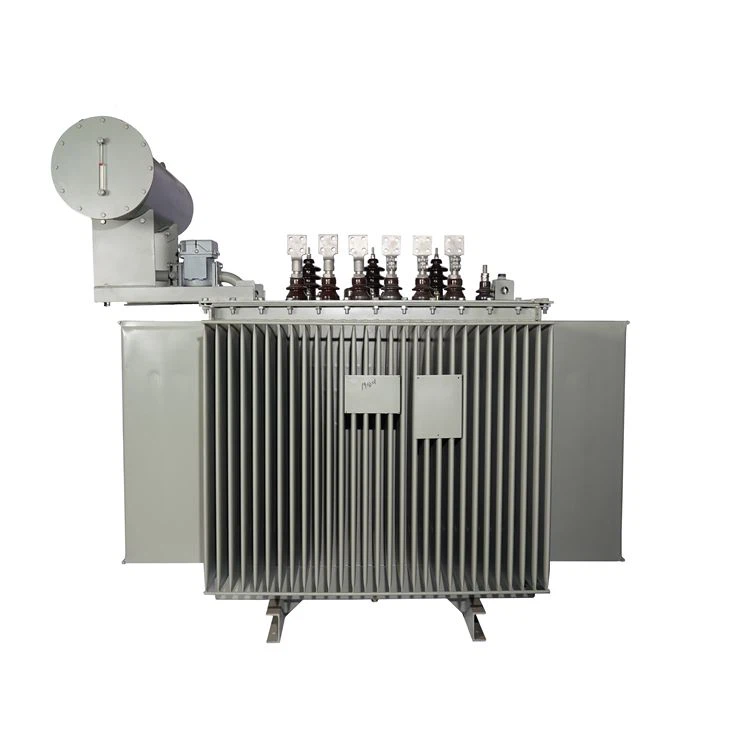
Power Oil Transformer Oil requires regular monitoring to maintain optimal performance levels. Routine testing identifies contamination and early signs of degradation. Filtration removes particles that may affect insulation quality and system safety. Dehydration processes restore dielectric strength by removing moisture. Dissolved gas analysis helps detect internal faults before severe damage occurs. Maintenance schedules vary based on load conditions and operating environments. Predictive monitoring reduces downtime and improves operational efficiency. Oil regeneration can restore performance in certain conditions. Consistent maintenance ensures long-term transformer reliability and cost efficiency.
Environmental Considerations for Power Oil Transformer Oil Selection
Power Oil Transformer Oil selection increasingly considers environmental and safety factors. Biodegradable oils reduce ecological impact during leaks or disposal processes. Ester-based oils provide higher fire resistance compared to mineral oils. High flash points improve safety in indoor and urban installations. Regulations often require environmentally friendly insulating fluids. Sustainable oil solutions support modern energy infrastructure development. Disposal and recycling must follow strict environmental compliance standards. Safety factors include toxicity, flammability, and environmental persistence. Proper selection balances operational efficiency with ecological responsibility. This approach ensures compliance and long-term sustainability.
Comparison Table of Transformer Oil Types
| Oil Type | Dielectric Strength | Thermal Stability | Fire Resistance | Cost Level |
|---|---|---|---|---|
| Mineral Oil | High | Moderate | Low | Low |
| Natural Ester | High | High | High | Medium |
| Synthetic Ester | Very High | Very High | Very High | High |
Oil type comparison helps engineers identify the best solution for specific applications. Mineral oil suits cost-sensitive projects with stable conditions. Ester oils provide enhanced safety and environmental benefits. Performance differences guide decision-making for transformer systems. Proper evaluation ensures balanced selection between efficiency and sustainability.
Performance Parameters for Transformer Oil Selection
| Parameter | Ideal Range | Impact |
|---|---|---|
| Dielectric Strength | > 30 kV | Prevents electrical failure |
| Moisture Content | < 30 ppm | Maintains insulation quality |
| Acidity | < 0.03 mg KOH/g | Reduces corrosion risk |
| Viscosity | Low | Improves cooling flow |
| Flash Point | > 140°C | Enhances fire safety |
These parameters provide a technical foundation for selecting transformer oil. Maintaining proper values ensures reliable insulation and cooling performance. Deviations indicate potential degradation or contamination risks. Engineers rely on these benchmarks for preventive maintenance planning. Accurate parameter control improves system reliability and operational efficiency.
Key Selection Factors for Transformer Oil
- Evaluate dielectric strength based on voltage requirements
- Analyze thermal performance for cooling efficiency
- Consider oxidation stability for long-term durability
- Verify compliance with international standards
- Assess environmental and safety requirements
- Ensure compatibility with transformer materials
- Plan maintenance and monitoring strategies
Selecting transformer oil requires balancing multiple technical and environmental factors. Each factor influences system performance and reliability.
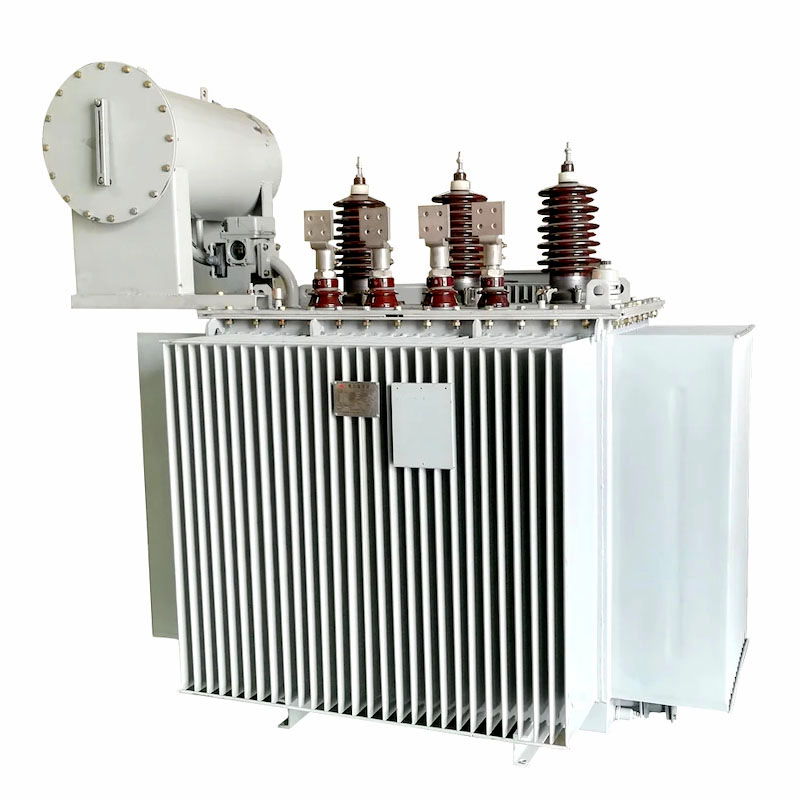
Engineers must evaluate both short-term efficiency and long-term durability. Careful analysis ensures optimal transformer operation across varying conditions.
Conclusion on Power Oil Transformer Oil Selection Strategy
Power Oil Transformer Oil selection requires careful evaluation of electrical, thermal, and chemical properties. Each parameter contributes to transformer safety and performance stability. Proper oil choice aligns with transformer design and operating conditions. Engineers rely on standards and testing data for informed decisions.Consistent oil quality improves efficiency and reduces maintenance costs. Strategic selection ensures reliable operation under varying load conditions. Long-term performance depends on monitoring and maintenance practices. This approach supports stable and efficient power system operation.
FAQ
What is the difference between mineral and ester transformer oil?
Mineral oil is derived from petroleum and offers stable insulation performance. It remains widely used due to its affordability and availability. Ester oils include natural and synthetic options with improved environmental benefits. Natural esters provide biodegradability and better moisture tolerance. Synthetic esters deliver higher thermal stability and oxidation resistance. Ester oils also have higher fire points, improving safety in critical applications. However, ester oils generally cost more than mineral oil. Selection depends on performance requirements and environmental priorities. Utilities often choose ester oils for indoor or sensitive installations. Mineral oil remains suitable for traditional outdoor transformer systems.
How often should transformer oil be tested?
Transformer oil testing frequency depends on system size and operating conditions. Large power transformers typically require testing every six to twelve months. Smaller systems may follow longer intervals based on usage patterns. Critical installations demand more frequent monitoring to ensure reliability. Tests include dielectric strength, moisture content, and dissolved gas analysis.
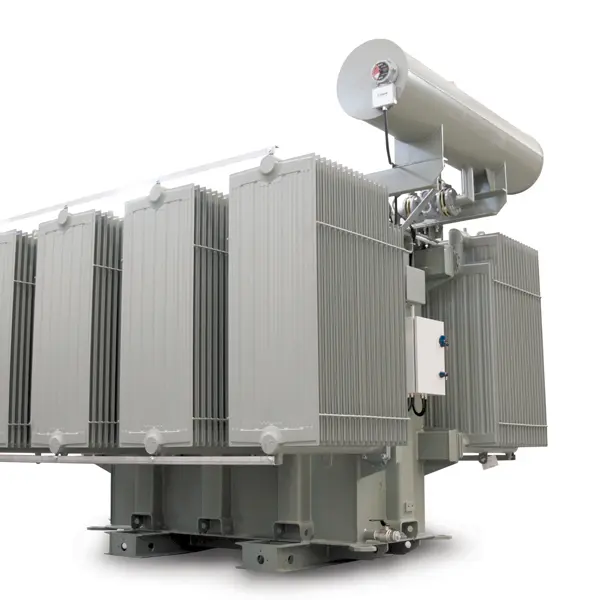
Early detection of contamination prevents major equipment failures. Harsh environments require shorter testing intervals due to increased risk factors. Regular monitoring supports predictive maintenance strategies. Utilities establish schedules based on standards and operational experience. Consistent testing ensures long-term transformer performance and safety.
What are the signs of transformer oil degradation?
Transformer oil degradation appears through physical and chemical changes over time. Increased acidity indicates oxidation and potential internal corrosion risks. Darkened color often signals contamination or thermal aging effects. Reduced dielectric strength suggests weakened insulation performance. High moisture content increases the risk of electrical breakdown. Gas formation may indicate internal faults or overheating issues. Sludge buildup restricts oil flow and reduces cooling efficiency. Unusual odors can also signal chemical deterioration processes. Regular testing helps identify these signs early and prevents failures. Timely maintenance ensures stable transformer operation and extended equipment lifespan.