How to Choose Oil Immersed Transformer Parts?
-
Oil immersed transformer parts selection guide for project managers covering delivery, transport, installation conditions, and supplier coordination.
Oil Immersed Transformer Parts And Their Role In Project Planning
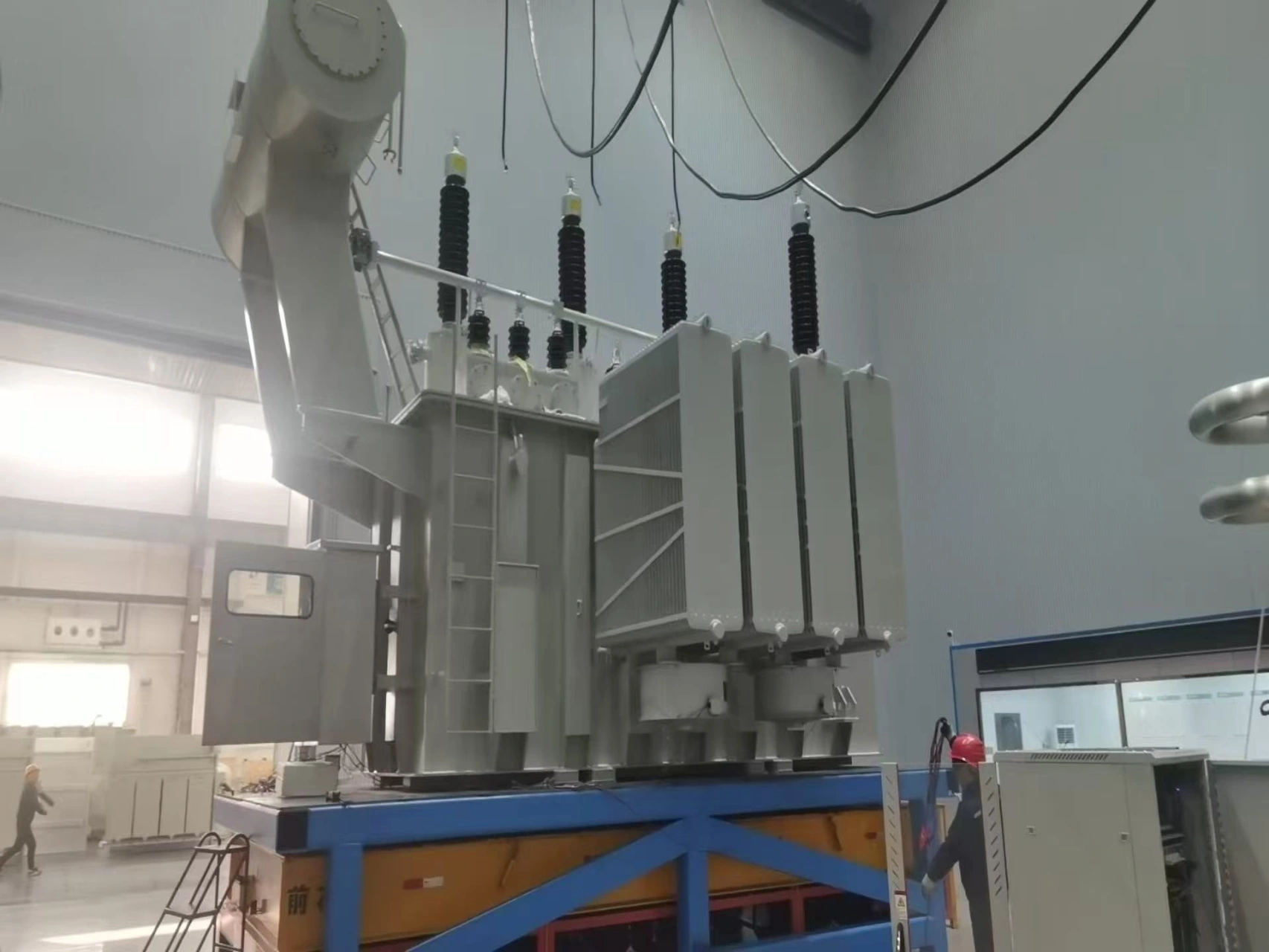
Oil Immersed Transformer Parts Form The Structural System That Ensures Stable Transformer Operation. Core Components Usually Include Bushings, Conservators, Tap Changers, Cooling Radiators, Protection Devices, And Monitoring Instruments. Each Component Contributes To Electrical Insulation, Oil Circulation, Mechanical Stability, Or Temperature Control. For Project Managers, Selecting These Parts Is Not Only A Technical Task. Delivery Schedules, Transportation Arrangements, And Installation Conditions Also Influence Project Execution. Early Planning Helps Reduce Delays During Procurement And Construction Phases. Coordination Between Engineering Teams And Suppliers Ensures Components Match Project Requirements. Understanding These Factors Allows Project Teams To Avoid Installation Problems And Improve Implementation Efficiency.
Why Project Managers Must Evaluate Transformer Parts Beyond Technical Factors
Technical Compatibility Alone Does Not Guarantee Successful Project Execution. Project Managers Must Consider Schedule Coordination, Logistics Planning, And Communication Efficiency. Some Transformer Parts Have Longer Production Cycles Than Others. If Procurement Timing Is Not Planned Carefully, The Entire Transformer Delivery Schedule May Be Delayed. Transportation Safety Also Plays A Major Role When Components Travel Long Distances. Sensitive Components May Require Special Protective Packaging. Efficient Supplier Communication Helps Resolve Design Questions Quickly. Ignoring These Factors Often Leads To Delays During Installation Or Commissioning. Balanced Evaluation Improves Project Reliability And Reduces Operational Risks.
Key Transformer Parts Commonly Evaluated During Projects
Several Transformer Components Require Special Attention During Procurement. Bushings Provide Insulated Electrical Connections Between The Transformer And External Power Systems. Conservators Maintain Oil Level Stability And Allow Thermal Expansion During Operation. Tap Changers Adjust Voltage Levels To Maintain Stable Output. Cooling Radiators Or Fans Dissipate Heat Generated During Electrical Operation. Monitoring Devices Detect Temperature Changes Or Abnormally High Internal Pressure. Each Component Influences Reliability And Maintenance Requirements. Engineers Must Confirm That Selected Parts Match Transformer Ratings And Environmental Conditions. Accurate Component Selection Supports Long Term System Stability.
Delivery Schedule And Supply Stability Considerations
Delivery Planning Plays A Major Role In Transformer Project Management. Many Transformer Components Have Different Manufacturing Lead Times. Bushings, Tap Changers, And Cooling Equipment Often Require Longer Production Cycles. Project Managers Must Confirm Supply Timelines Before Finalizing Procurement Contracts. Delayed Components May Postpone Transformer Assembly Or Installation. Reliable Suppliers Maintain Stable Production Capacity And Clear Delivery Schedules. Transparent Lead Time Information Helps Teams Coordinate Construction Timelines. Predictable Supply Improves Project Planning Accuracy And Prevents Unexpected Delays.

Transportation And Packaging Requirements For Transformer Parts
Transportation Safety Is Essential For Transformer Components. Many Parts Require Special Packaging To Prevent Damage During Shipment. Bushings And Monitoring Instruments Are Particularly Sensitive To Mechanical Shock. Moisture Protection Helps Preserve Insulation Performance During Long Distance Transport. Cooling Radiators May Require Reinforced Frames To Avoid Structural Deformation. Logistics Teams Must Confirm Transport Routes And Lifting Equipment Availability. Incorrect Packaging May Lead To Component Failure Before Installation. Careful Logistics Planning Ensures Equipment Arrives At The Project Site Safely.
Site Installation Conditions And Spatial Planning
Installation Conditions Directly Affect Transformer Component Selection. Limited Installation Space May Restrict Certain Cooling Systems Or Accessory Layouts. Large Radiators Or Conservators Require Adequate Clearance For Safe Installation. Lifting Equipment Must Support The Weight Of Heavy Components. Installation Sequence Planning Determines The Order In Which Components Arrive At The Site. Early Evaluation Prevents Construction Delays Caused By Space Limitations. Engineers Often Work With Project Managers To Review Site Conditions. Careful Spatial Planning Improves Installation Efficiency And Reduces Construction Risk.
Supplier Communication Efficiency And Technical Support
Supplier Communication Plays A Critical Role In Transformer Projects. Rapid Technical Response Helps Resolve Engineering Questions Quickly. Reliable Manufacturers Provide Detailed Drawings And Documentation. Clear Communication Ensures Components Match Project Specifications. Technical Teams Should Provide Support During Both Design And Installation Phases. Poor Communication May Cause Incorrect Component Orders Or Delayed Deliveries. Project Managers Should Evaluate Supplier Responsiveness Before Finalizing Procurement Decisions. Strong Technical Support Improves Project Coordination And Reduces Operational Risk.
Project Preparation Checklist Before Ordering Transformer Parts
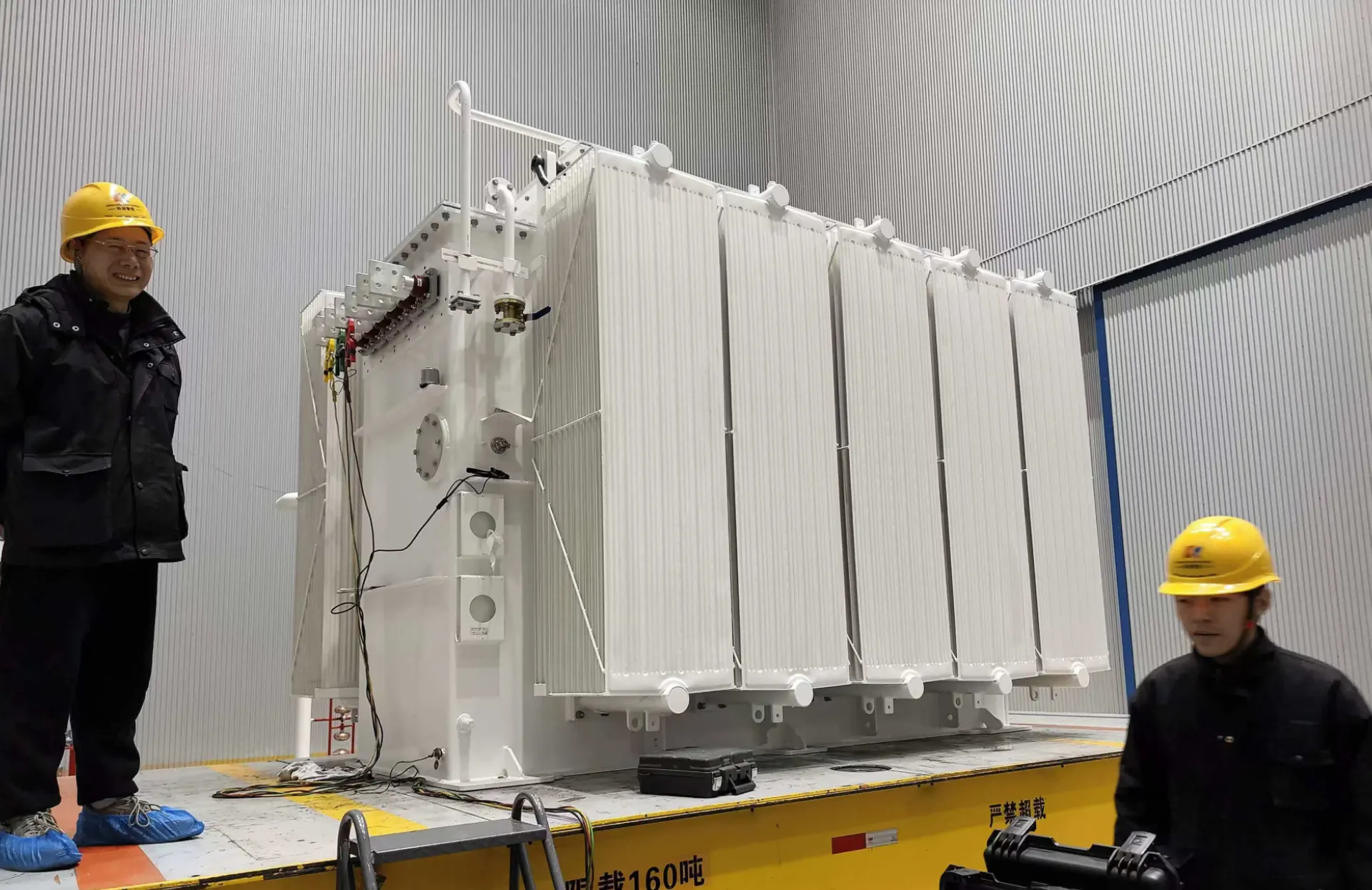
Project Teams Should Prepare Technical Information Before Contacting Manufacturers. Providing Clear Data Helps Suppliers Recommend Suitable Components Quickly.
- Transformer Rated Capacity And Voltage Level
- Cooling Method Such As ONAN Or ONAF
- Environmental Conditions Including Temperature And Humidity
- Site Altitude And Ventilation Conditions
- Installation Space And Transportation Restrictions
- Required Monitoring Devices Or Protection Systems
Why The Preparation Checklist Improves Component Selection
Providing Accurate Project Information Helps Manufacturers Recommend Correct Components. Voltage Levels Determine Insulation Requirements For Bushings. Cooling Methods Influence Radiator Design And Airflow Configuration. Environmental Conditions Affect Thermal Performance And Equipment Durability. High Altitude Locations May Require Insulation Adjustments. Installation Space Determines Feasible Layout Options For Large Accessories. Monitoring Requirements Guide The Selection Of Sensors And Protection Devices. This Preparation Process Improves Communication Efficiency Between Project Teams And Suppliers. Detailed Information Helps Avoid Mismatched Components And Procurement Delays.
Common Project Risks When Selecting Transformer Parts
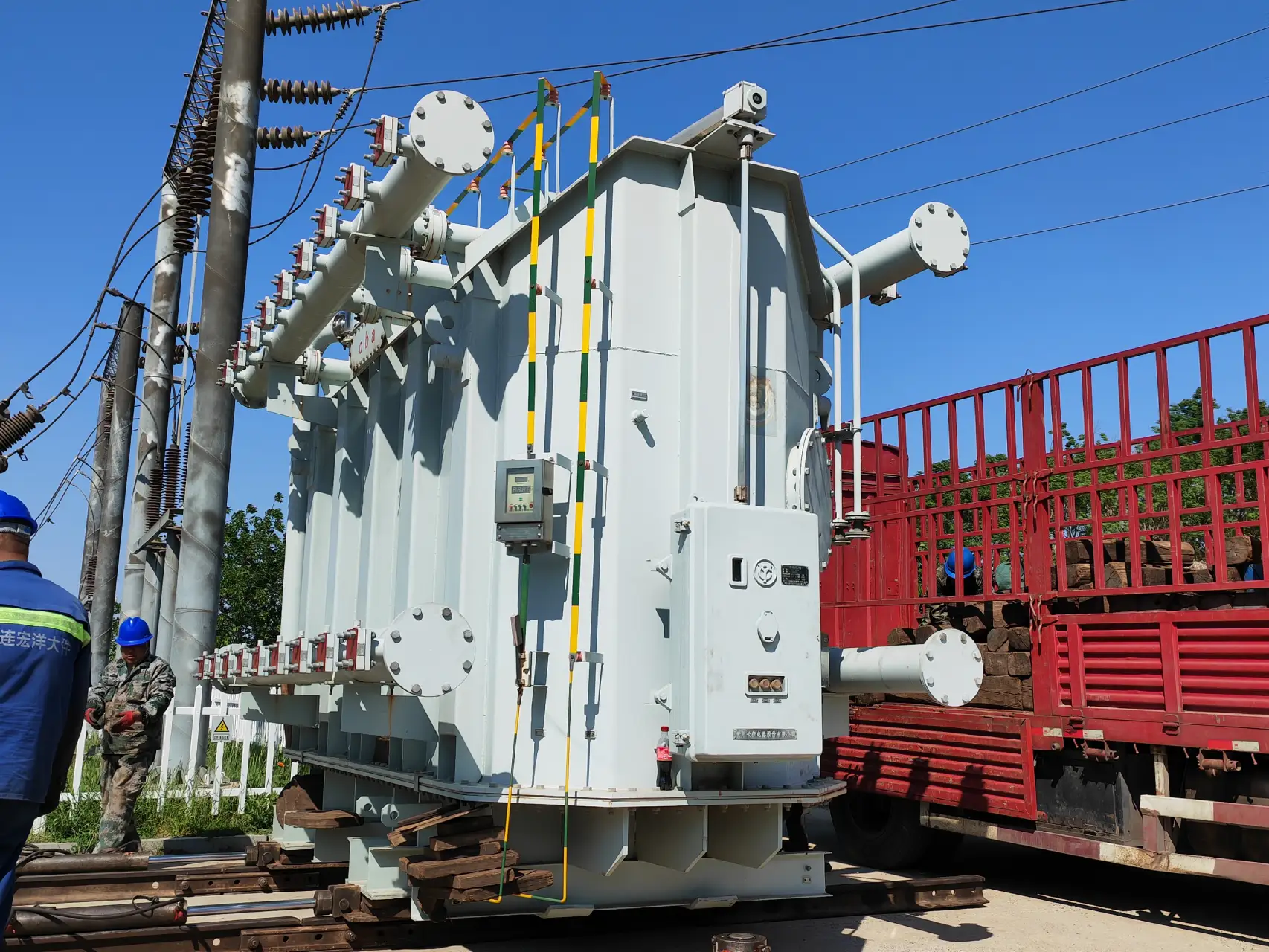
Incomplete Planning Often Creates Avoidable Project Risks. Transportation Size Limitations May Prevent Components From Entering The Installation Site. Ignoring Environmental Conditions Can Shorten Equipment Lifespan. Insufficient Installation Space May Force On Site Design Changes. Incomplete Technical Communication May Result In Incorrect Component Models. Delayed Deliveries Can Interrupt Transformer Installation Schedules. Project Managers Should Identify These Risks During Early Planning. Preventive Coordination Between Engineering And Logistics Teams Reduces Implementation Uncertainty.
Oil Immersed Transformer Parts Comparison Overview
| Transformer Part | Main Function | Project Consideration |
|---|---|---|
| Bushing | External Electrical Connection | Insulation Level And Transport Protection |
| Conservator | Oil Expansion Management | Installation Space And Sealing Design |
| Tap Changer | Voltage Adjustment | Maintenance Access And Control System |
| Cooling Radiator | Heat Dissipation | Ventilation Space And Mounting Support |
| Monitoring Devices | Condition Monitoring | Compatibility With Protection System |
How The Component Table Supports Project Evaluation
The Table Demonstrates How Each Transformer Component Connects With Project Requirements. Bushings Require Careful Transport Protection Because Insulation Damage May Occur Easily. Conservators Need Adequate Installation Space And Reliable Sealing Systems. Tap Changers Must Provide Safe Access For Maintenance Activities. Cooling Radiators Require Proper Airflow To Maintain Thermal Performance. Monitoring Devices Must Integrate With Protection Systems Used In The Project. Reviewing These Factors Together Helps Project Managers Evaluate Compatibility Quickly. Structured Comparison Improves Procurement Decisions.
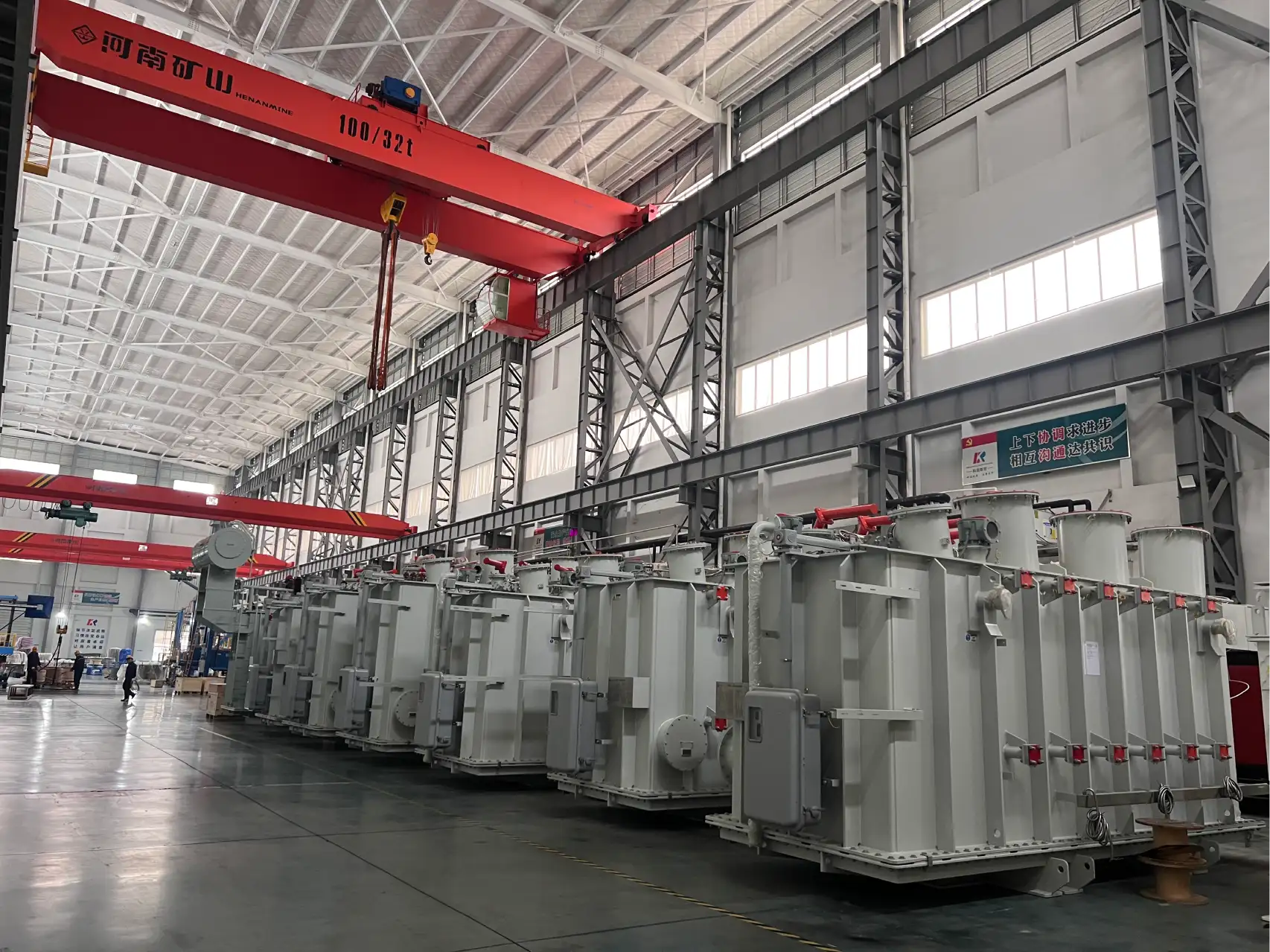
Moving From Awareness To Transformer Configuration Planning
Understanding Oil Immersed Transformer Parts Helps Project Managers Coordinate Engineering And Logistics Tasks More Effectively. Delivery Timelines, Transportation Safety, And Installation Conditions All Influence Component Selection. Supplier Communication Also Plays An Important Role In Solving Technical Issues Quickly. Preparation Checklists Help Teams Avoid Miscommunication During Procurement. Project Teams Ready For Deeper Planning Can Review The Oil Immersed Transformer Selection And Application Guide For More Technical Details. CTA: View The Oil Immersed Transformer FAQ Section To Understand Component Selection And Project Implementation Questions. The Next Stage Focuses On Oil Immersed Transformer Selection And Detailed Configuration Planning.
FAQ
What Are The Most Important Oil Immersed Transformer Parts
Several Components Play A Critical Role In Transformer Operation. Bushings Provide Insulated Electrical Connections Between Internal Windings And External Power Lines. Conservators Maintain Stable Oil Levels During Temperature Changes. Tap Changers Allow Voltage Adjustment When Load Conditions Change. Cooling Radiators Dissipate Heat Generated During Electrical Operation. Monitoring Devices Detect Abnormal Conditions Such As Overheating. Engineers Evaluate These Components Carefully To Ensure Reliable Performance. Proper Component Selection Helps Maintain Long Term Operational Stability.
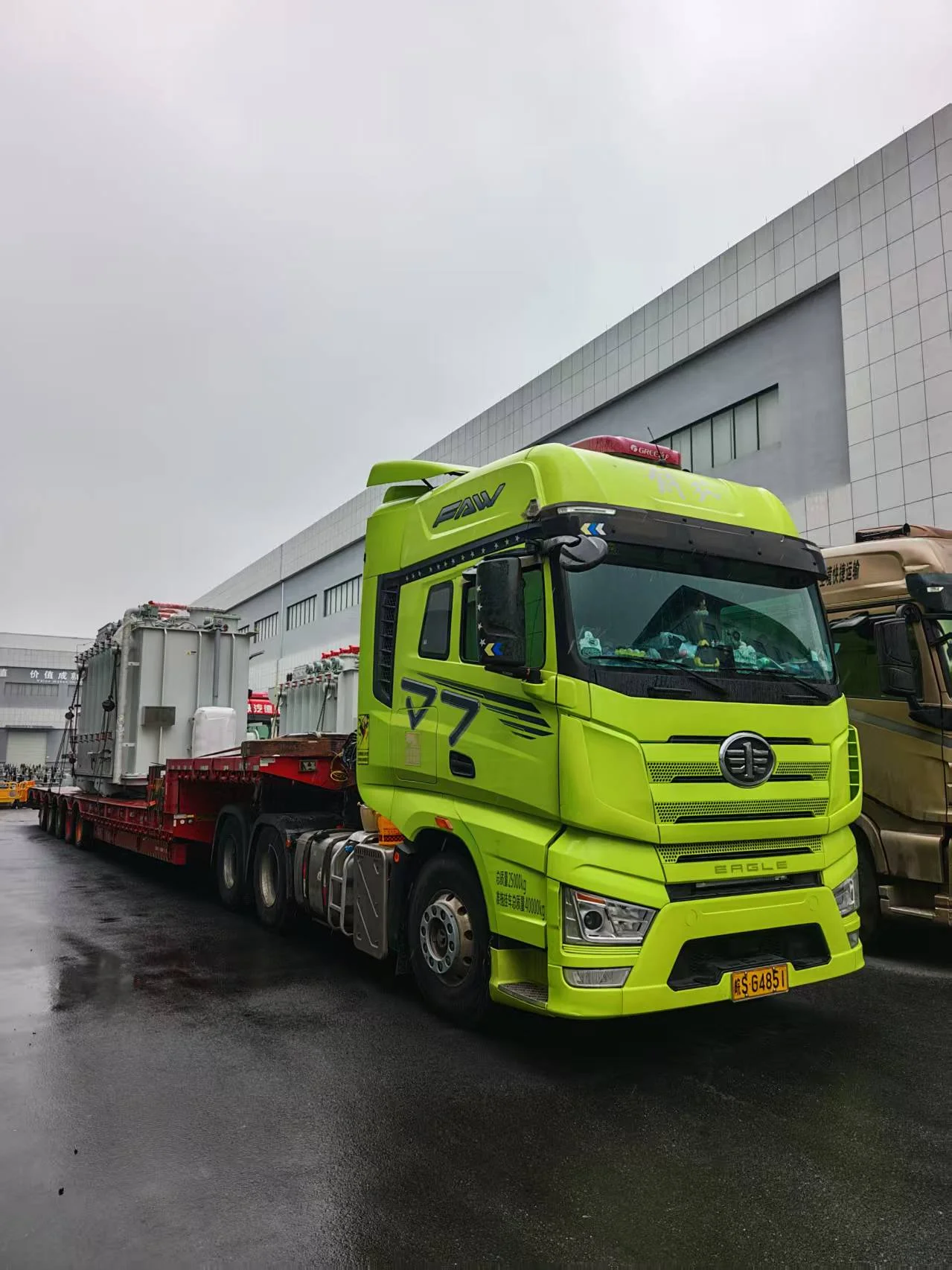
How Does Transportation Affect Transformer Part Selection
Transportation Conditions Influence Packaging And Structural Protection Of Transformer Components. Sensitive Parts Such As Bushings Must Be Protected From Shock And Vibration. Moisture Resistant Packaging Preserves Insulation Quality During Long Distance Transport. Large Components Require Reinforced Frames And Secure Mounting Structures. Project Teams Must Also Evaluate Transport Route Restrictions And Lifting Equipment Capacity. Careful Logistics Planning Prevents Damage And Delays During Delivery. Transportation Evaluation Should Occur Before Final Procurement Decisions.
Why Is Supplier Communication Important When Choosing Parts
Supplier Communication Ensures Technical Requirements Are Fully Understood. Manufacturers Need Accurate Project Information To Recommend Correct Components. Fast Technical Response Helps Clarify Engineering Questions Quickly. Installation Guidance May Also Be Necessary During Commissioning. Poor Communication Can Lead To Incorrect Orders Or Delayed Deliveries. Reliable Manufacturers Provide Continuous Technical Support Throughout The Project Lifecycle. Effective Collaboration Between Suppliers And Project Teams Improves Installation Efficiency And Equipment Reliability.