How to Choose Oil Immersed Transformer Manufacturers?
-
Oil immersed transformer manufacturers evaluation guide with decision table, checklist, risks, and project factors for reliable supplier selection.
Oil Immersed Transformer Manufacturers And Why Evaluation Matters
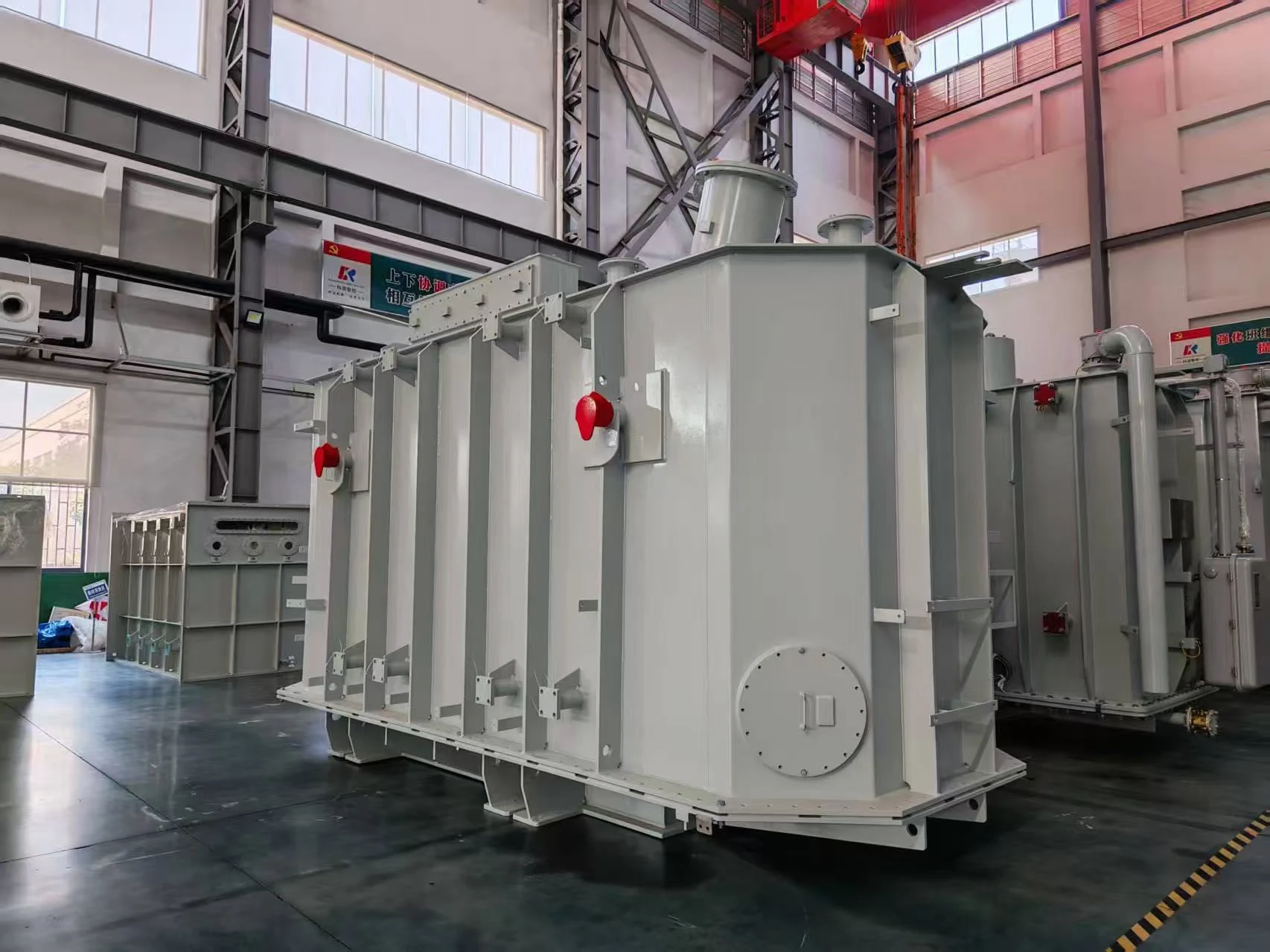
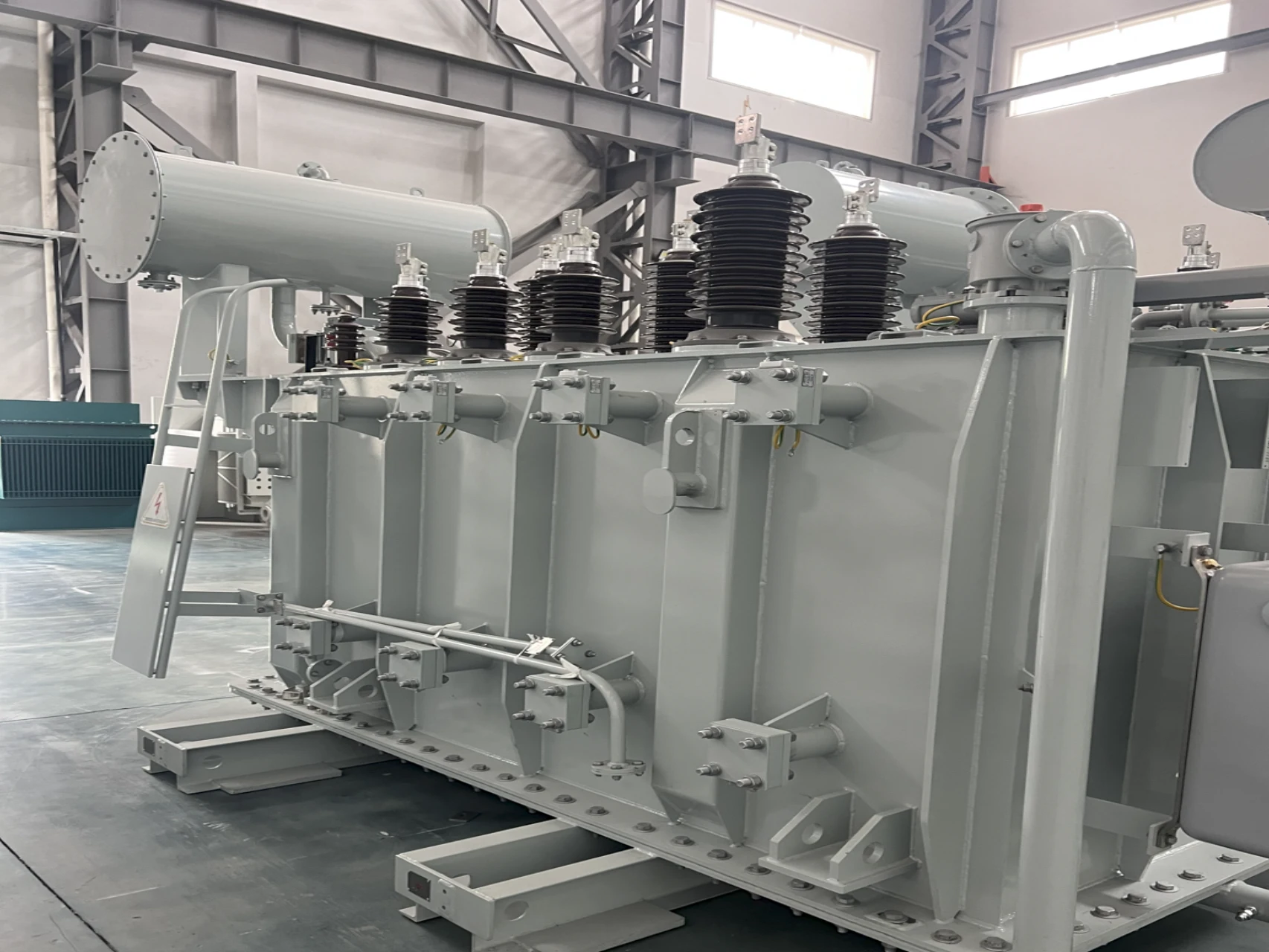
Oil immersed transformer manufacturers supply essential equipment for electrical transmission and industrial power distribution systems. Transformer reliability directly affects grid stability and operational safety. Procurement teams must evaluate manufacturers carefully before selecting a supplier. Manufacturing capability influences insulation strength, cooling efficiency, and equipment lifespan. Incorrect supplier selection can lead to overheating problems or high energy losses. Project developers often begin with a structured screening method to remove unsuitable vendors quickly. Engineers then perform deeper technical analysis on qualified candidates. A systematic evaluation approach reduces procurement risk and improves project planning efficiency. Understanding this process helps buyers match manufacturer capability with project requirements.
Industries That Depend On Oil Immersed Transformer Manufacturers
Power utilities remain the largest buyers of oil immersed transformers. Transmission networks require reliable equipment for voltage conversion across substations. Industrial plants depend on transformers to operate heavy machinery and automated production lines. Renewable energy projects connect solar or wind power plants through step up transformer stations. Mining operations use rugged transformer equipment for demanding environments. Oil and gas facilities rely on stable power systems for safety critical processes. Ports, railways, and transportation infrastructure also require dependable transformers. Each industry presents different voltage levels and operating environments. Manufacturers must demonstrate experience with comparable projects before selection becomes possible.
Why Early Supplier Screening Improves Procurement Efficiency
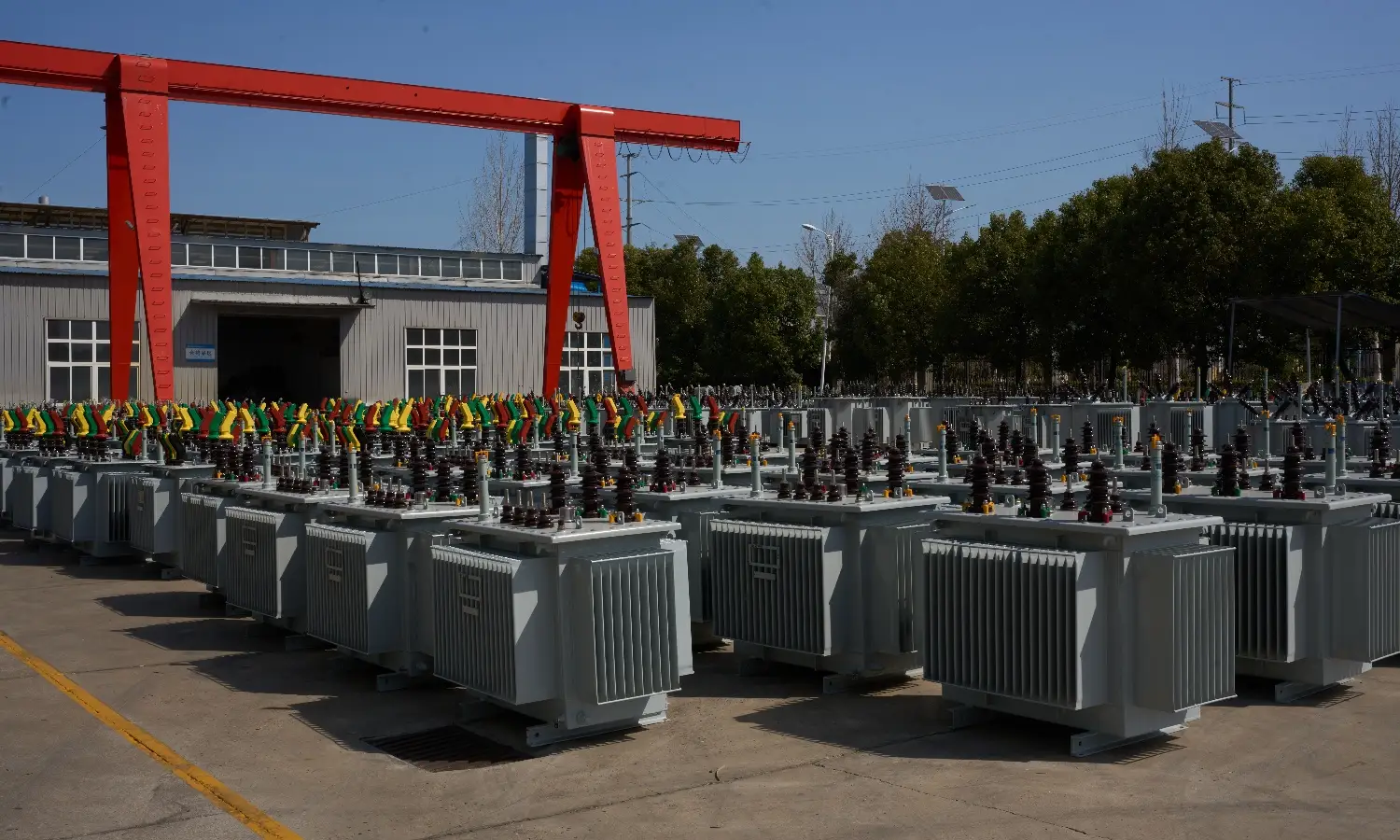
Early supplier screening prevents delays during the engineering procurement phase. Many manufacturers promote similar capacity ranges but offer different technical capabilities. Some specialize in distribution transformers while others build large utility units. Screening helps remove suppliers that cannot meet required voltage or capacity specifications. Procurement teams also check whether the manufacturer provides engineering support. Experienced manufacturers deliver clear technical documentation and responsive communication. Lack of documentation often indicates limited production capability or testing resources. Early filtering allows engineers to focus only on qualified suppliers. This step significantly increases efficiency in the selection process.
Quick Decision Table For Evaluating Oil Immersed Transformer Manufacturers
| Applicable Situation | Not Applicable Situation |
|---|---|
| IEC or IEEE certification available | No certification or test report |
| Experience with similar voltage and capacity projects | No comparable engineering cases |
| Complete technical data provided | Technical parameters unclear |
| Custom design and engineering support | Only fixed standard models |
| Transportation and installation guidance | Manufacturing only without delivery support |
How The Decision Table Helps Eliminate Unqualified Suppliers
The decision table allows procurement teams to remove unsuitable manufacturers quickly. Certification confirms compliance with recognized international standards. Relevant project experience shows that the manufacturer understands operational requirements. Transparent technical documentation allows engineers to evaluate electrical performance accurately. Custom engineering support becomes important when projects require non standard specifications. Installation and logistics support also influence project success. Using this table in early evaluation stages saves time and prevents unnecessary technical discussions. Engineers can then concentrate on manufacturers that meet project expectations.
Technical Factors Engineers Must Verify During Evaluation
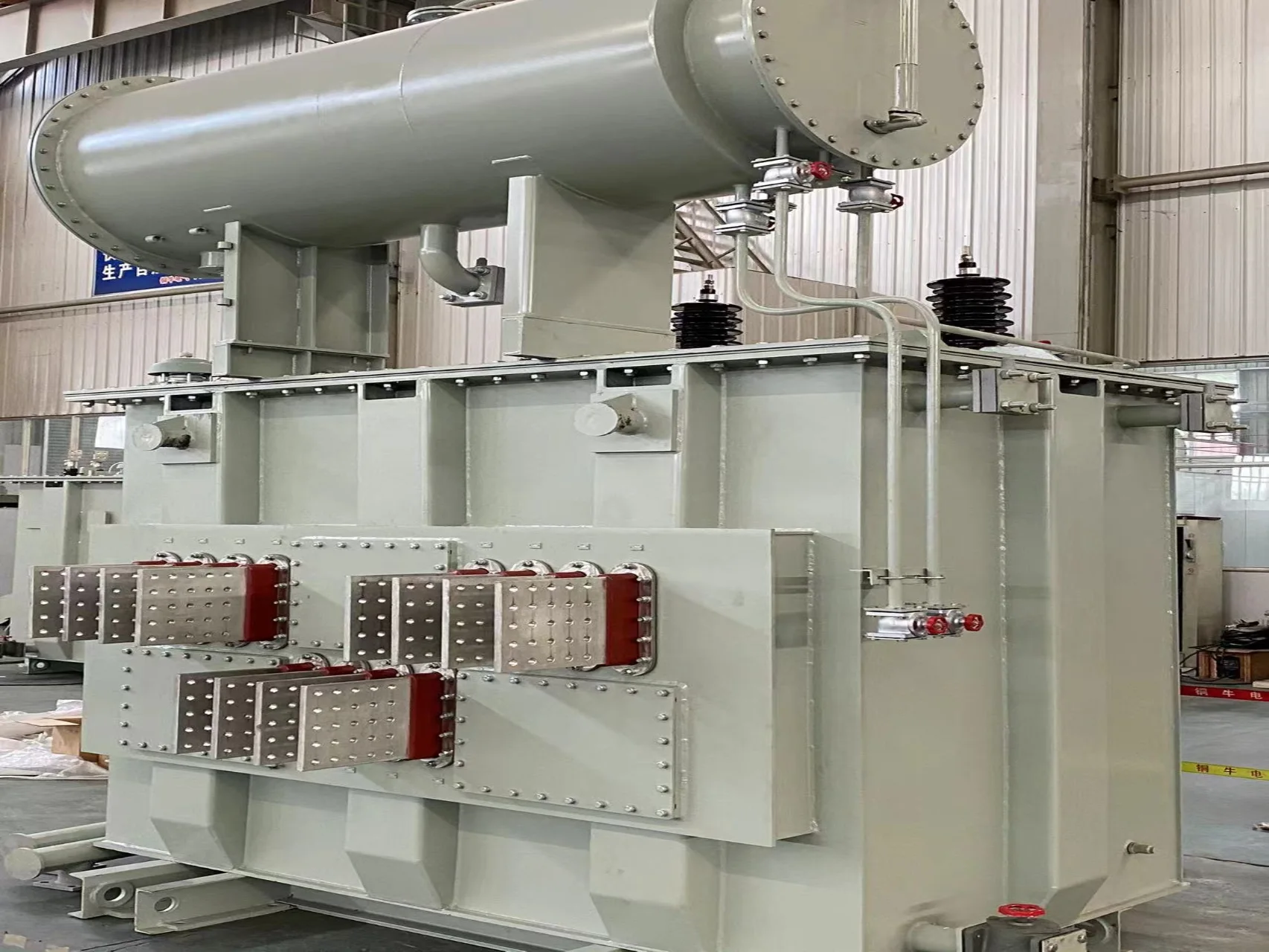
Engineers must review detailed parameters before choosing a transformer supplier. Core loss values determine long term operational energy consumption. Load loss affects system efficiency during normal operation. Temperature rise limits influence insulation lifespan and reliability. Short circuit strength ensures mechanical stability during fault conditions. Insulation level must match the network voltage class precisely. Noise levels may affect installations in urban environments. Cooling methods influence maintenance requirements and installation location. Reliable manufacturers provide certified testing data for each parameter. These factors allow engineers to compare suppliers objectively.
Project Conditions That Affect Manufacturer Suitability
Environmental conditions often influence whether a manufacturer fits the project. High altitude installations require insulation adjustments and cooling design changes. Desert regions demand improved thermal management capability. Coastal environments require corrosion resistant coatings and materials. Transportation limitations may restrict transformer size and weight. Some projects involve narrow access roads or limited crane capacity. Manufacturers with experience in similar environments offer valuable engineering solutions. Evaluating these factors early helps prevent installation problems. Project conditions therefore play an important role during manufacturer selection.

Alternative Transformer Solutions When Oil Immersed Units Are Limited
Certain installations require alternative transformer technologies due to environmental restrictions. Engineers should consider additional equipment solutions when oil immersed transformers cannot meet project constraints.
-
Dry type transformers for indoor or fire sensitive environments
-
Energy efficient transformers for long term commercial operations
-
Modular power equipment for projects requiring rapid installation
Why These Alternatives May Reduce Project Risk
Each alternative transformer solution addresses a specific limitation. Dry type transformers eliminate oil related fire risks in indoor installations. Energy efficient transformer designs reduce operational losses over long periods. Modular electrical equipment simplifies installation in locations with space limitations. Engineers must evaluate project environment and load conditions carefully before selecting an alternative solution. Balanced technology comparison ensures the chosen equipment meets safety, efficiency, and operational objectives. Understanding these options improves early planning decisions.
Risks When Selecting Manufacturers Based Only On Price
Several project risks appear when procurement decisions rely only on price. Low cost equipment may use inferior core materials that increase energy losses. Poor insulation quality can shorten transformer service life significantly. Weak logistics planning may cause transportation or delivery delays. Limited installation support can create problems during commissioning. Incomplete documentation complicates regulatory approval processes. Ignoring load characteristics may lead to improper transformer sizing. Cooling design mismatch may cause overheating during operation. A comprehensive evaluation approach helps avoid these problems.
Steps For Verifying Oil Immersed Transformer Manufacturer Reliability
A structured verification process improves supplier confidence before contract signing.
-
Review manufacturer certifications and testing facilities
-
Examine reference projects with similar voltage ratings
-
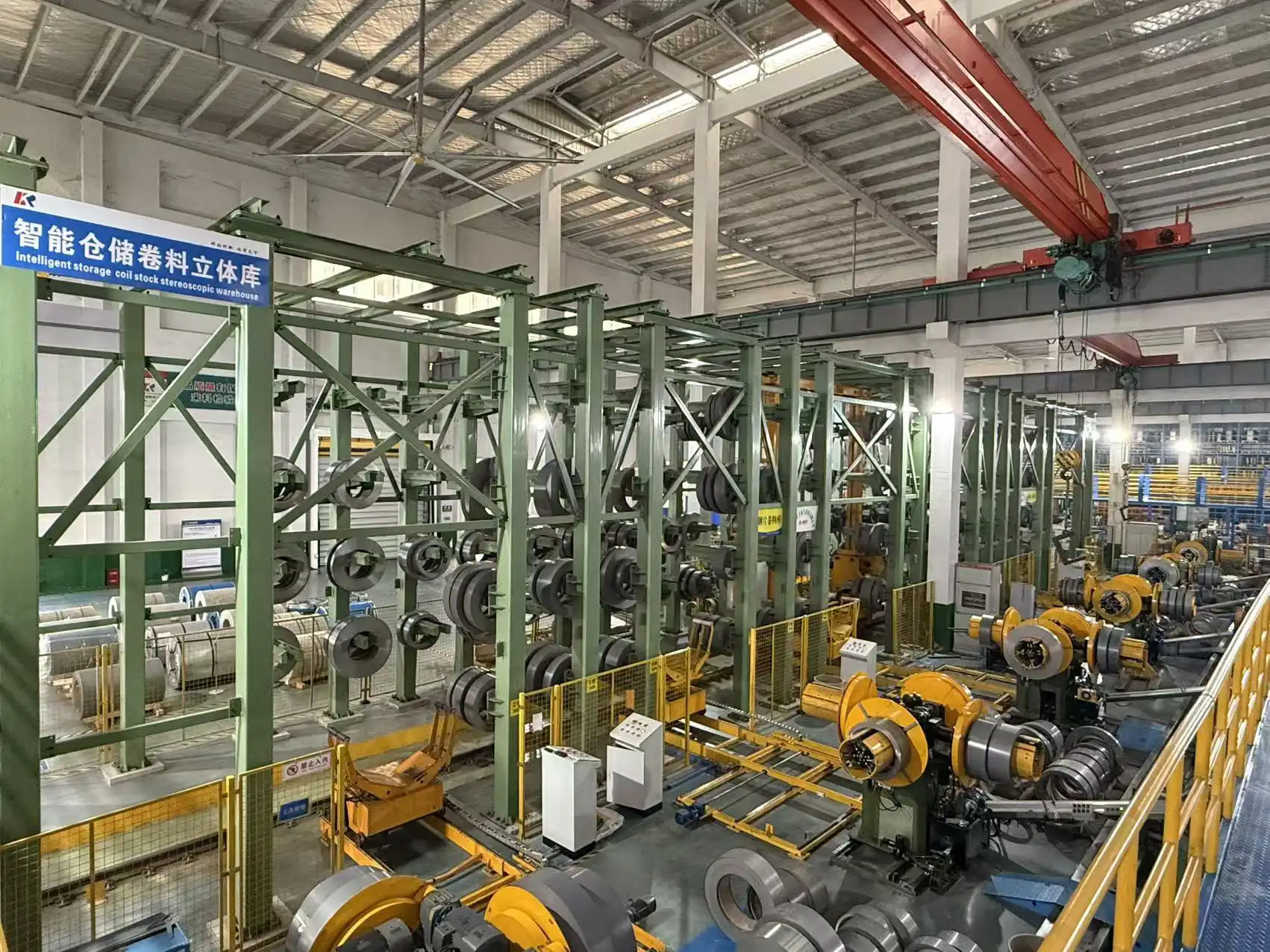
Conduct factory audits to evaluate production quality
-
Confirm engineering support and documentation availability
-
Evaluate logistics planning and installation guidance capability
Why Verification Steps Protect Project Investment
Each verification step reduces uncertainty during procurement. Certification review confirms compliance with global transformer standards. Reference projects demonstrate proven operational reliability. Factory audits reveal production equipment and quality control systems. Engineering support ensures technical issues can be resolved during design stages. Logistics planning guarantees safe delivery and installation procedures. Together these steps provide confidence in manufacturer capability. Thorough verification protects long term project investment.
Moving From Awareness Toward Delivery And Installation Planning
Understanding how to evaluate oil immersed transformer manufacturers creates a strong foundation for procurement planning. Decision tables help eliminate unsuitable suppliers during early stages. Technical verification ensures the remaining manufacturers meet engineering requirements. Environmental conditions and project risks guide final supplier selection. Once a reliable manufacturer is chosen, attention shifts toward logistics and installation planning. Delivery preparation, commissioning procedures, and operational training become the next steps. Readers can now proceed to the next stage focusing on transformer delivery and installation considerations.
FAQ
What Certifications Should Oil Immersed Transformer Manufacturers Provide
Reliable oil immersed transformer manufacturers normally provide certification aligned with international electrical standards. IEC certification confirms compliance with widely recognized transformer design guidelines. IEEE standards are often required for projects in North America or international utility networks. Testing documentation should include insulation level verification, load and no load loss testing, and temperature rise measurement. Short circuit withstand testing also demonstrates mechanical strength during electrical faults. Independent laboratory verification further increases credibility. Procurement teams must carefully review these documents before approving a supplier. Certification therefore becomes one of the most important indicators of transformer manufacturer reliability.
Why Is Project Experience Important When Selecting Manufacturers
Project experience provides strong evidence of real engineering capability. Transformers used in industrial plants, utilities, or renewable energy systems operate under different electrical conditions. Manufacturers that previously completed similar voltage and capacity projects already understand insulation requirements and cooling limitations. They also know how to manage transportation logistics for heavy electrical equipment. Reference installations allow engineers to verify operational performance over time. Experienced manufacturers often provide better technical communication during project planning. This experience reduces engineering uncertainty and lowers overall project risk significantly.
Can Smaller Manufacturers Still Produce Reliable Transformers
Some smaller transformer manufacturers produce highly reliable equipment when strong engineering and quality systems exist. Production scale alone does not determine equipment performance. Technical expertise, certified testing processes, and material quality influence transformer reliability more strongly. Procurement teams should evaluate documentation transparency and previous project cases carefully. Factory audits can reveal manufacturing discipline and process control capability. Smaller suppliers may also offer flexible customization and faster engineering communication. Balanced evaluation ensures project requirements remain the central decision factor rather than company size alone.