How to choose medium voltage dry type transformer?
-
Medium voltage dry type transformer selection guide for project managers covering delivery, transport, site conditions, documentation, and supplier coordination.
Why does medium voltage dry type transformer selection affect project success?
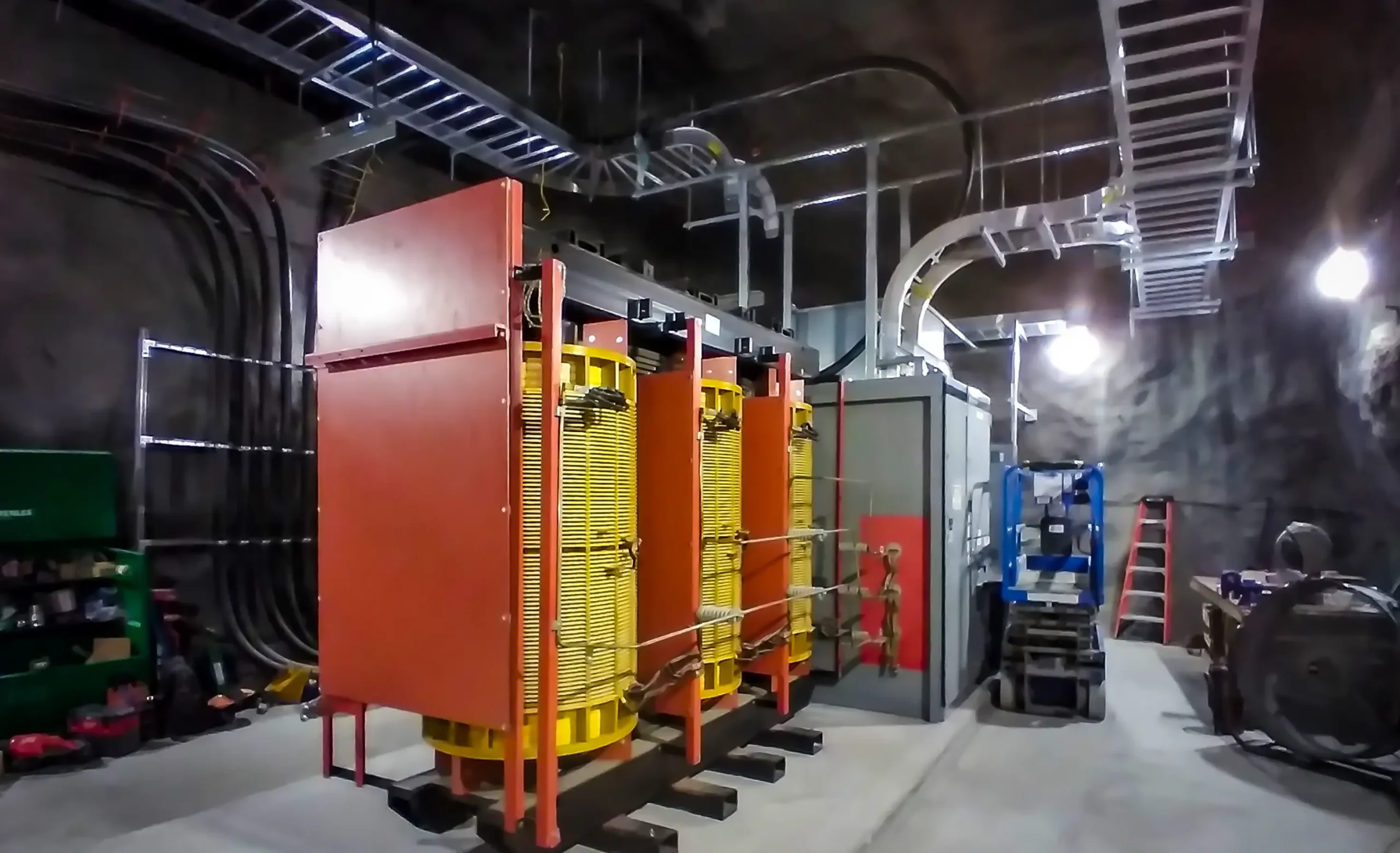
medium voltage dry type transformer selection directly influences schedule control, installation coordination, and long-term operational stability in infrastructure and industrial projects. Project managers often focus first on rated capacity and voltage level, yet real project risk frequently hides in delivery timing, transport feasibility, and site readiness alignment. Medium voltage equipment typically requires longer manufacturing cycles compared with low-voltage units because insulation systems, core dimensions, and testing procedures become more complex at higher voltage classes. Delays in confirming specifications can shift manufacturing slots and extend lead times. Early communication between engineering teams and suppliers ensures accurate technical definition before production begins. Careful evaluation at the selection stage prevents downstream installation conflicts, rework, and commissioning setbacks that affect overall project milestones.
How should project managers define electrical requirements clearly?
Electrical clarity reduces misunderstanding between design consultants, EPC contractors, and manufacturers. Voltage class, frequency, insulation level, impedance, cooling method, and protection requirements must be defined precisely in early documentation. Medium voltage dry type transformer configurations vary depending on regional grid standards and short-circuit levels. Incomplete data often forces suppliers to make conservative assumptions that increase cost or delay engineering confirmation. Load characteristics, including harmonic distortion and peak demand cycles, also affect winding and thermal design. Project managers should coordinate with electrical consultants to validate system diagrams before issuing purchase inquiries. Clear technical alignment shortens approval cycles and reduces risk of specification revisions after order placement.
Why do delivery schedule and manufacturing lead time matter at the consideration stage?
Delivery planning becomes critical when project timelines are compressed or when site construction progresses in parallel with equipment production. Medium voltage dry type transformer manufacturing involves core assembly, winding casting or impregnation, curing cycles, enclosure fabrication, and comprehensive testing. Each phase requires controlled sequencing and cannot be compressed without quality compromise. Suppliers with stable production capacity provide more predictable lead times. Project managers should confirm factory workload, material availability, and slot allocation before finalizing contracts. Realistic scheduling avoids last-minute air freight or site idling costs. Early coordination between procurement and engineering teams supports smoother project sequencing and better cash flow management.
How do transportation and site conditions influence transformer selection?
Transportation constraints influence enclosure size, weight limits, and packaging requirements for medium voltage dry type transformer units. Access roads, bridge capacity, crane availability, and installation space should be evaluated before confirming dimensions. Indoor substations may restrict height or ventilation clearances. Coastal environments may require corrosion-resistant enclosures. High-altitude installations affect cooling performance due to reduced air density. Project managers should share site drawings, environmental data, and logistical constraints with suppliers early in the selection process. Alignment between design and site reality reduces modification risk during delivery. Proper transport planning also protects insulation integrity and prevents mechanical stress during handling.

What communication points improve collaboration with suppliers?
Effective communication transforms supplier relationships into project partnerships. Technical clarification meetings help resolve impedance tolerances, tapping range requirements, and enclosure customization. Clear documentation standards ensure drawings match construction schedules. Agreement on approval timelines reduces administrative bottlenecks. Regular progress updates from suppliers support transparent planning. Project managers benefit when suppliers provide proactive engineering suggestions based on prior project experience. Open dialogue prevents misunderstandings related to compliance or performance guarantees. Collaborative communication strengthens coordination between electrical, civil, and procurement teams.
Which project documents should be prepared before placing an order?
Comprehensive documentation accelerates engineering confirmation and reduces design revisions. Project managers should organize electrical single-line diagrams, load calculation summaries, site layout drawings, environmental condition descriptions, short-circuit data, and applicable regulatory standards. Medium voltage dry type transformer selection depends on accurate system parameters and physical installation constraints. Missing documentation often triggers multiple revision cycles and extends lead time. Structured preparation improves negotiation efficiency and technical clarity.
Recommended project data checklist
- Single-line diagram and voltage level confirmation
- Rated capacity and load profile description
- Short-circuit current and impedance requirements
- Ambient temperature, altitude, and humidity data
- Installation layout drawings and transport limitations
- Applicable grid or industry standards
Why structured documentation reduces procurement risk
Structured data ensures technical consistency across stakeholders. Suppliers can validate feasibility quickly. Engineering revisions become less frequent. Project risk decreases through proactive alignment.
How do technical specifications compare during supplier evaluation?
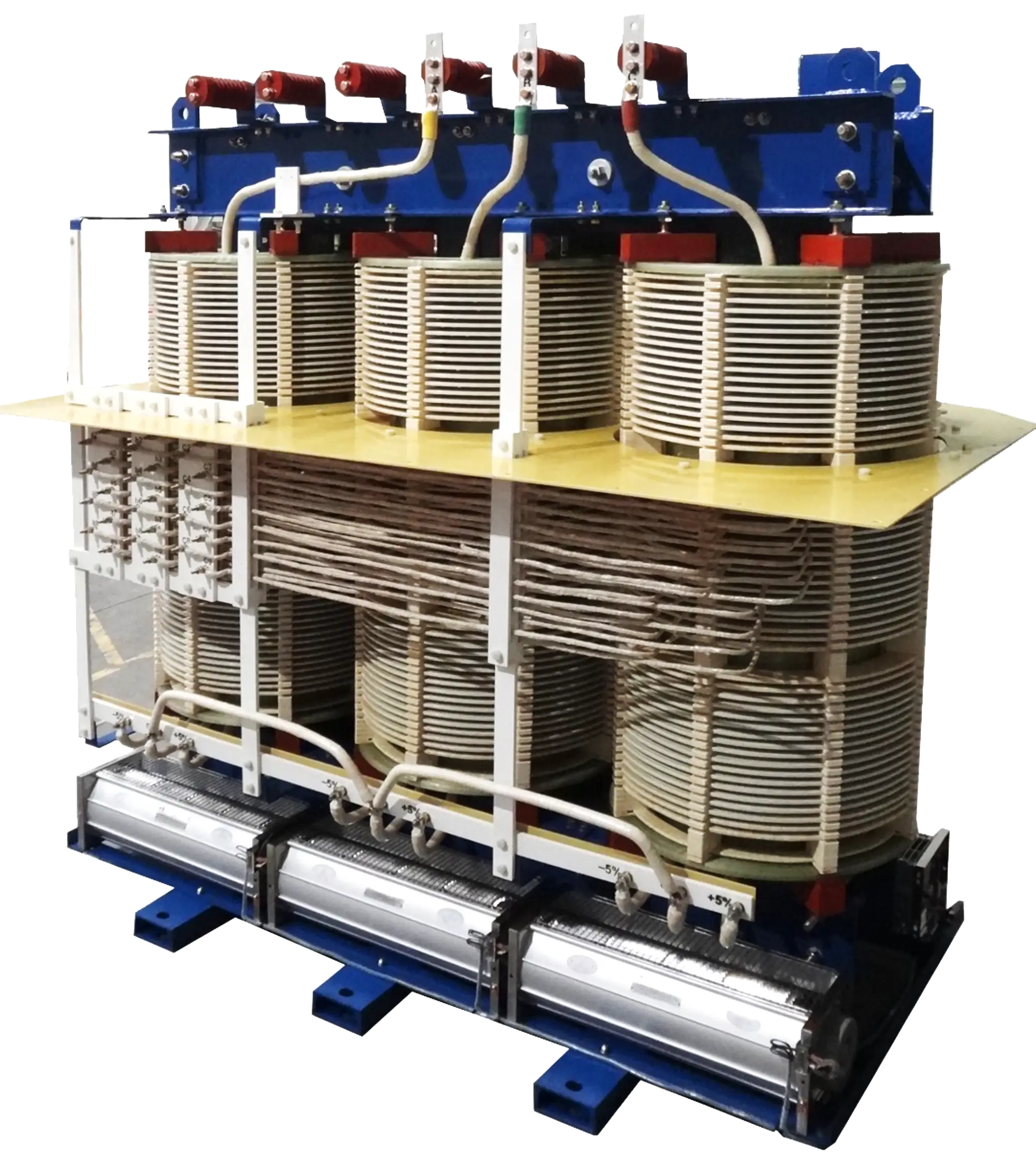
Comparative evaluation helps project managers balance performance, cost, and reliability. Differences in insulation system, cooling design, and testing scope often indicate varying long-term stability. Transparent specification comparison clarifies trade-offs before contract signing.
| Evaluation Item | Standard Offer | Enhanced Project Offer |
|---|---|---|
| Insulation System | Basic epoxy casting | High-grade resin with thermal margin |
| Cooling Design | Natural air only | Optimized airflow or forced cooling |
| Testing Scope | Routine tests | Routine plus performance verification |
| Enclosure | IP basic protection | Customized IP rating |
| Documentation | Generic drawings | Project-specific drawings |
How comparison supports informed selection
Side-by-side comparison clarifies lifecycle implications. Enhanced designs often reduce maintenance risk. Documented testing increases acceptance confidence. Project managers can justify decisions with measurable criteria.
Why choose Kerun Intelligent Control?
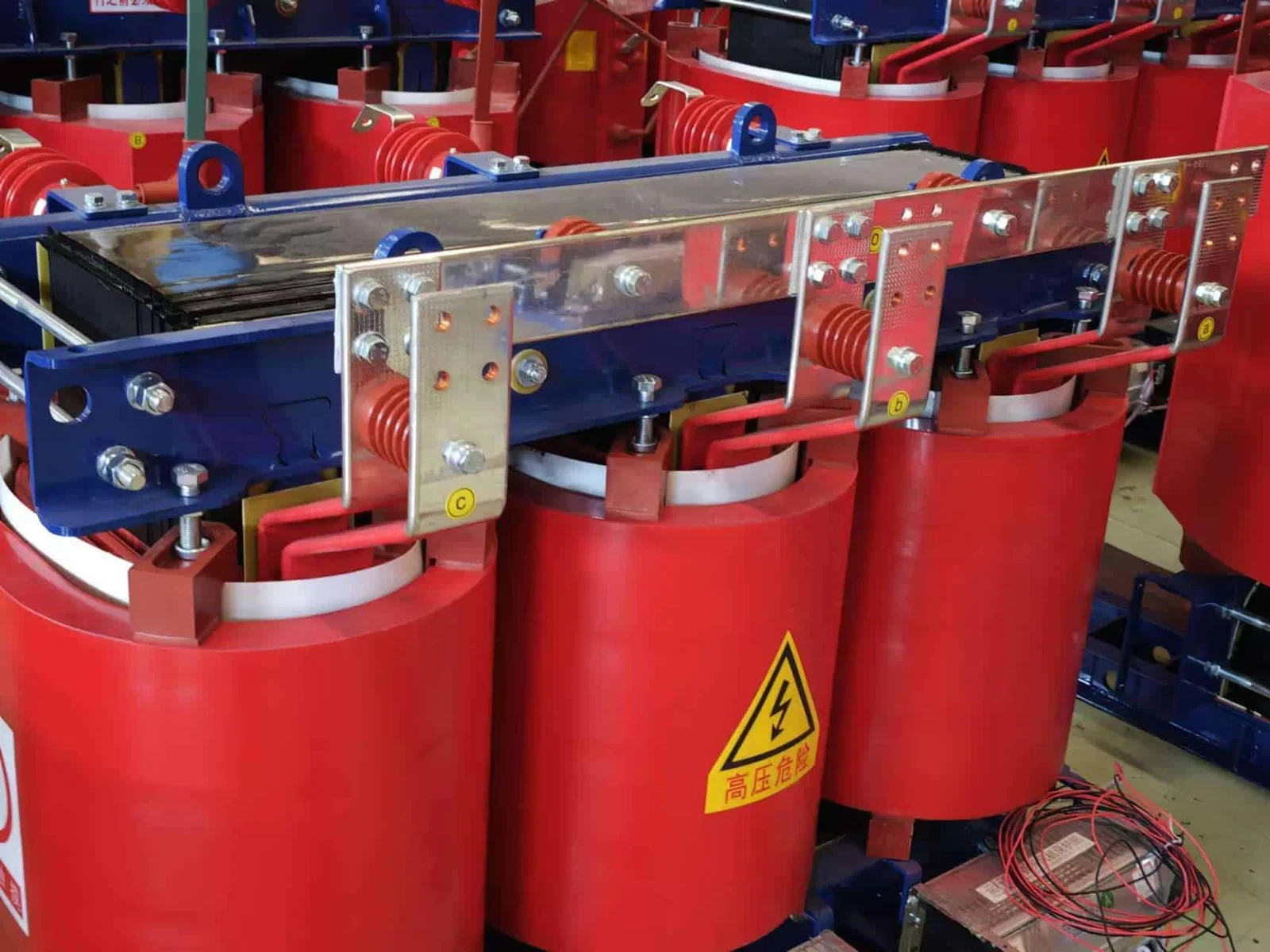
Why choose Kerun Intelligent Control? Kerun provides medium voltage dry type transformer solutions tailored to complex infrastructure and industrial projects. Engineering teams coordinate closely with project managers to align delivery schedules, site conditions, and compliance requirements. Manufacturing capacity supports stable lead times without sacrificing testing rigor. Technical documentation reflects project-specific parameters rather than generic templates. Transport planning assistance ensures safe and efficient site arrival. Kerun prioritizes communication transparency and long-term reliability, supporting smooth execution from specification to commissioning.
FAQ
How early should a medium voltage dry type transformer be specified in a project timeline?
Specification should occur during the early design development phase to protect schedule integrity. Medium voltage equipment involves longer production cycles and stricter testing requirements compared with low-voltage systems. Early specification allows suppliers to allocate production capacity and confirm material availability. Delayed confirmation may shift manufacturing slots and impact site energization timelines. Project managers benefit from aligning procurement with civil and electrical milestones. Early engagement reduces risk of last-minute design modifications and ensures smoother coordination with contractors and utility authorities.
Why is transport planning critical for medium voltage transformer projects?
Transport planning affects equipment integrity and site readiness significantly. Medium voltage dry type transformer units can be heavy and dimensionally large, requiring specific lifting arrangements and route assessment. Restricted access roads or limited crane capacity may demand design adjustments. Improper handling can stress insulation systems or mechanical structures. Early transport review prevents unexpected logistics delays and reduces installation risk. Sharing route surveys and lifting plans with suppliers improves coordination and ensures safe delivery.
How does supplier communication impact overall project efficiency?
Consistent communication reduces technical misunderstandings and accelerates approval cycles. Clear dialogue allows rapid clarification of impedance tolerances, cooling strategies, and enclosure options. Project managers gain better visibility into manufacturing progress and potential schedule risks. Transparent reporting improves trust and collaboration across stakeholders. Effective communication minimizes change orders and strengthens integration between engineering and procurement teams. Long-term project success depends as much on communication discipline as on equipment performance.
