
How To Choose Low Voltage Switchgear Manufacturers?
-
Low voltage switchgear manufacturers selection depends on capability, certifications, quality, and lifecycle cost efficiency.
How to Choose Low Voltage Switchgear Manufacturers for Reliable Power Systems
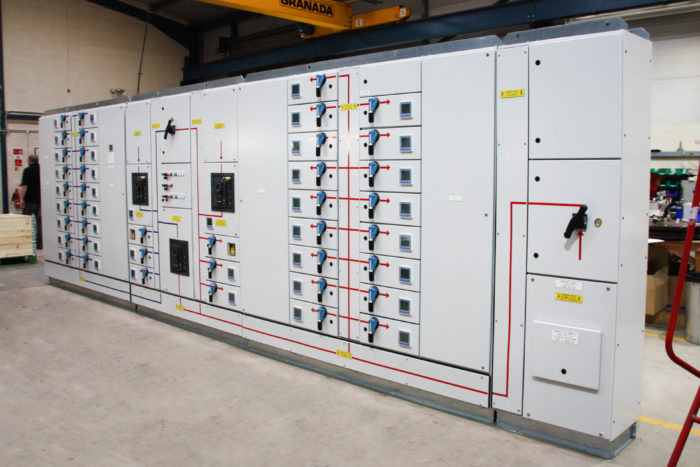
Choosing low voltage switchgear manufacturers requires careful technical and commercial evaluation. Electrical systems depend on stable distribution and protection performance. Reliable suppliers ensure safe operation under varying load conditions. Equipment quality directly affects uptime, maintenance cycles, and efficiency. Engineers often assess compliance with IEC and ANSI standards early. Strong manufacturers provide tested products and consistent service support. Market competition increases the importance of careful supplier selection. Poor choices may result in failures and costly downtime. Buyers should examine engineering strength and supply capability closely. A structured evaluation process improves long-term stability and financial outcomes.
Evaluating Technical Capabilities of Low Voltage Switchgear Manufacturers
Technical capability defines the core strength of low voltage switchgear manufacturers. Design teams must understand power distribution and fault protection principles.Advanced systems integrate circuit breakers, relays, and monitoring modules. Engineers follow IEC 61439 or ANSI C37 standards during development. These standards define insulation coordination and temperature rise limits. Busbar systems use copper or aluminum with accurate current ratings. Insulation materials must resist heat and electrical stress effectively. Manufacturers with strong research teams deliver optimized designs. Technical documents should clearly define ratings and protection levels. Careful engineering evaluation ensures compatibility with project requirements.
Key Components Used by Low Voltage Switchgear Manufacturers
| Component | Function | Material | Importance |
|---|---|---|---|
| Circuit Breaker | Interrupts fault current | Metal alloys | Critical |
| Busbar | Distributes electrical current | Copper or aluminum | High |
| Insulation System | Prevents leakage | Polymer composites | Critical |
| Protection Relay | Detects abnormal conditions | Electronic modules | High |
Manufacturing Processes in Low Voltage Switchgear Manufacturers
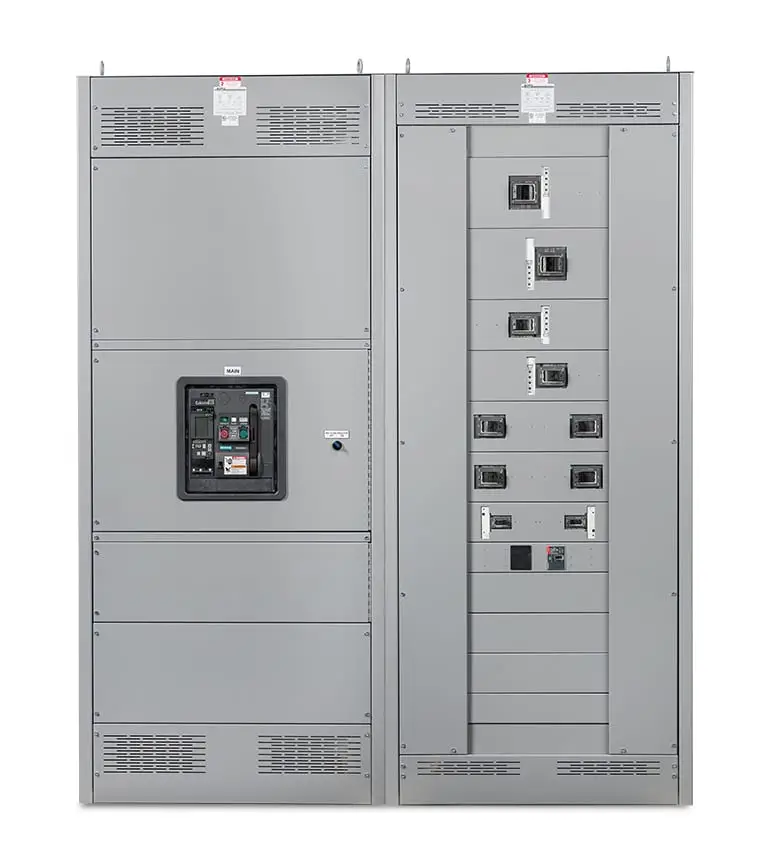
Production quality depends on strict processes used by low voltage switchgear manufacturers. Assembly lines follow standardized workflows to ensure consistency. Skilled technicians install components with precise torque control. Quality teams perform dielectric testing to verify insulation strength. Temperature rise tests confirm safe operation under full load. Mechanical endurance tests evaluate switching device durability. ISO 9001 certification supports consistent production management. Traceability systems track materials and production batches effectively. Reliable manufacturers maintain detailed inspection records for each unit. Consistent processes reduce failure risks and improve long-term reliability.
Standard Testing Methods Applied by Manufacturers
| Test Type | Purpose | Standard | Frequency |
|---|---|---|---|
| Dielectric Test | Verify insulation strength | IEC 61439 | Routine |
| Temperature Rise Test | Check heat performance | IEC 61439 | Type Test |
| Short Circuit Test | Validate fault resistance | ANSI C37 | Type Test |
| Mechanical Test | Ensure durability | IEC Standards | Routine |
Product Range Offered by Low Voltage Switchgear Manufacturers
Product diversity reflects the flexibility of low voltage switchgear manufacturers. Standard products serve common commercial and industrial applications. Customized solutions address unique requirements such as space limits. Modular designs allow flexible configuration of feeders and protection units. Advanced systems integrate digital monitoring for diagnostics and control. Customization includes enclosure size, protection schemes, and communication interfaces. Industrial environments require higher durability and environmental resistance. Manufacturers must adapt solutions for sectors like energy and infrastructure. A broad product range indicates strong engineering capability. Buyers benefit from solutions tailored to specific operational conditions.
Supply Chain Capabilities of Low Voltage Switchgear Manufacturers
Stable supply chains support consistent production for low voltage switchgear manufacturers. Materials include copper busbars and advanced insulation polymers. Supplier reliability affects cost control and production timelines. Efficient logistics systems reduce delays and ensure predictable delivery. Inventory systems balance stock levels with demand fluctuations. Production planning aligns with project schedules and capacity limits. Delays in delivery can disrupt entire electrical installations. Reliable manufacturers maintain backup suppliers to reduce risks. Buyers should evaluate delivery history and supply chain resilience carefully. Strong supply systems ensure smooth project execution.
Supply Chain Risk Evaluation
| Factor | Description | Risk Level | Mitigation Strategy |
|---|---|---|---|
| Material Shortage | Lack of copper or parts | High | Multiple sourcing |
| Logistics Delay | Shipping disruptions | Medium | Local storage |
| Supplier Dependency | Single vendor reliance | High | Diversification |
| Inventory Imbalance | Overstock or shortage | Medium | Demand planning |
Cost Evaluation When Choosing Low Voltage Switchgear Manufacturers
Cost analysis should consider both price and lifecycle value. Low-priced equipment may increase maintenance costs over time. High-quality components reduce failures and service interruptions. Energy efficiency influences long-term operational expenses. Reliable low voltage switchgear manufacturers provide better return on investment. Spare parts availability affects maintenance efficiency and downtime costs. Buyers should analyze total ownership cost rather than initial price.
Transparent pricing structures improve financial decision making. Strategic procurement focuses on long-term operational benefits. Balanced evaluation ensures cost efficiency and performance reliability.
Lifecycle Cost Comparison Metrics
| Cost Element | Short-Term Impact | Long-Term Impact | Evaluation Method |
|---|---|---|---|
| Initial Purchase | High | Low | Quotation comparison |
| Maintenance | Low | High | Service records |
| Energy Efficiency | Medium | High | Performance data |
| Downtime Cost | Low | Critical | Operational analysis |
Interpreting Evaluation Results from Manufacturers
The tables provide structured insights for comparing low voltage switchgear manufacturers. Buyers should prioritize technical capability and quality performance. Cost efficiency remains important but should not dominate decisions. Evaluation results highlight strengths and weaknesses across suppliers. Risk assessment improves when data is analyzed systematically. Decision makers must balance reliability, cost, and engineering quality. Strong manufacturers perform consistently across multiple evaluation metrics. Data-driven decisions reduce uncertainty and improve project success rates. Clear evaluation frameworks support consistent procurement strategies. Effective interpretation leads to confident supplier selection.
After-Sales Support from Low Voltage Switchgear Manufacturers
After-sales service ensures long-term system performance and reliability. Manufacturers should provide maintenance guidance and technical assistance. Spare parts availability reduces downtime during unexpected failures. Training programs help operators understand system operation and safety. Service teams must respond quickly to technical issues. Documentation supports troubleshooting and system upgrades effectively. Long-term partnerships depend on consistent service quality. Buyers should review service agreements carefully before contracts. Strong support systems improve equipment lifespan and efficiency. Reliable service enhances overall system stability.
Common Mistakes in Selecting Low Voltage Switchgear Manufacturers
Many buyers focus only on price without evaluating technical performance. Ignoring certification requirements increases compliance risks significantly. Some projects overlook the importance of after-sales service support. Poor communication may cause misunderstandings during production stages. Lack of testing verification can lead to unexpected equipment failure. Buyers sometimes underestimate supply chain risks and delays. Choosing inexperienced manufacturers increases operational uncertainty. Proper evaluation prevents costly mistakes and ensures system reliability. Awareness of common issues improves procurement decisions. Careful planning leads to better long-term outcomes.
Conclusion: Building Partnerships with Low Voltage Switchgear Manufacturers
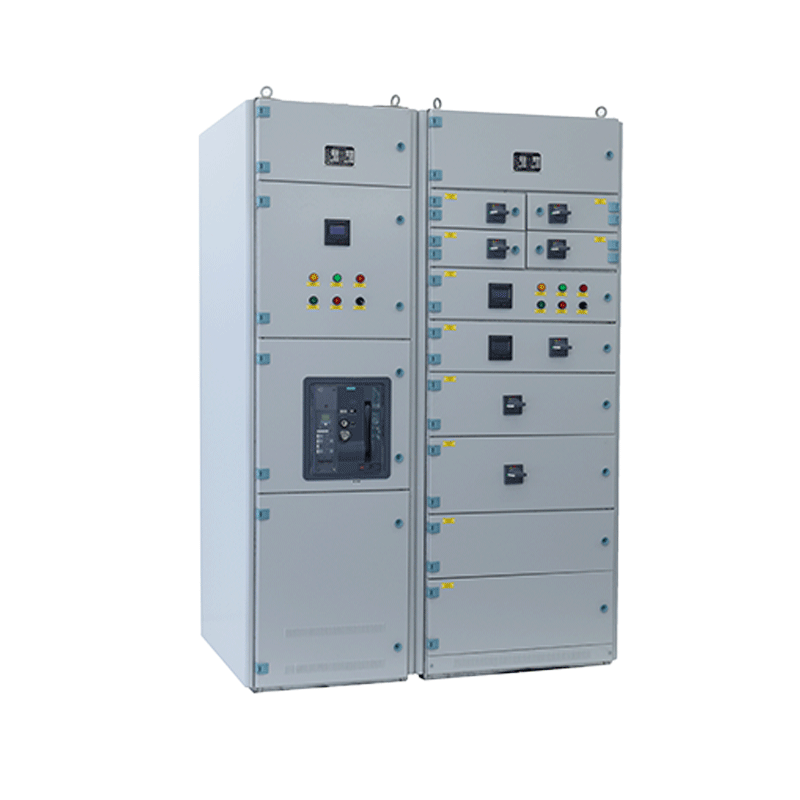
Selecting the right low voltage switchgear manufacturers supports safe and efficient power systems. Strong partnerships ensure consistent product quality and reliable service. Long-term collaboration improves operational stability and reduces risks. Strategic supplier selection enhances project performance and efficiency. Engineers must align technical requirements with financial objectives carefully. Reliable manufacturers contribute to sustainable and efficient operations. High / Low-voltage switchgear solutions require proper evaluation and planning. Effective decisions create long-term value across industrial applications. Continuous improvement strengthens supplier relationships and operational success.
FAQ
How do low voltage switchgear manufacturers ensure product safety?
Manufacturers ensure safety through strict engineering and testing procedures. Design teams follow IEC 61439 and ANSI standards for compliance. These standards define insulation levels and thermal performance limits. Testing includes dielectric strength and short circuit resistance verification. Each unit undergoes inspection before delivery to confirm reliability. Protection devices prevent overload and electrical faults effectively. Materials must resist heat, moisture, and environmental stress.Quality control systems track production consistency and component performance. Documentation ensures traceability and compliance verification. Safety depends on precise design and strict manufacturing control.
What certifications should reliable manufacturers have?
Reliable manufacturers typically hold globally recognized certifications. IEC 61439 defines performance requirements for low voltage assemblies. ANSI standards apply to North American electrical systems. ISO 9001 ensures consistent quality management processes. Some companies also follow ISO 14001 for environmental compliance. Certification bodies verify compliance through audits and inspections. These certifications confirm adherence to safety and performance standards. Buyers should always verify certification authenticity before selection. Certified manufacturers provide higher reliability and accountability. Strong certification profiles reduce procurement and operational risks.
Why is customization important in switchgear solutions?
Customization allows switchgear systems to meet specific operational needs. Different industries require unique protection and configuration designs. Space limitations may require compact and modular solutions. Environmental conditions affect enclosure materials and cooling methods. Customized systems improve both safety and operational efficiency. Engineers can optimize layouts for easier maintenance access. Integration with monitoring systems enhances real-time performance visibility. Standard solutions may not meet complex project requirements. Tailored designs improve compatibility with existing infrastructure. Customization ensures better long-term performance and reliability.