
How To Choose Low And Medium Voltage Switchgear?
-
Select low and medium voltage switchgear with proper safety, ratings, standards, and cost control for reliable, stable performance.

Introduction to low and medium voltage switchgear
Low and medium voltage switchgear plays a vital role in electrical distribution systems. It ensures safe control, protection, and isolation of power circuits. Engineers depend on it to maintain system stability and prevent failures. Industrial and commercial applications require different configurations based on load demands. Proper selection of low and medium voltage switchgear improves efficiency and reduces operational risks significantly. Poor choices may lead to downtime and equipment damage. Environmental conditions also affect performance and durability. Each component must align with system requirements carefully. Buyers should evaluate specifications, materials, and design features before making decisions. Strategic planning ensures consistent performance and long-term reliability.
Key considerations for low and medium voltage switchgear selection
Selecting low and medium voltage switchgear requires balancing safety, performance, and cost factors. Engineers must evaluate application requirements before choosing equipment. Industrial environments demand higher durability and fault tolerance. Commercial systems often focus on flexibility and cost efficiency. Load characteristics influence equipment capacity and configuration choices. Space limitations also impact system design and installation methods. Reliable suppliers provide tested and certified solutions for high / low-voltage switchgear. Decision makers should compare multiple options before final selection. Maintenance requirements affect long-term operational efficiency. Proper evaluation ensures stable performance and reduced operational risks.
Electrical ratings and technical specifications
Electrical ratings determine how equipment performs under various operating conditions. Voltage rating must match system requirements precisely. Current capacity defines the maximum load the system can handle safely. Short circuit rating ensures equipment withstands fault conditions effectively. Frequency compatibility supports stable system performance. Engineers should verify all specifications before finalizing selection. Incorrect ratings may cause overheating or system failure. Accurate calculations improve system reliability and efficiency. Equipment must operate within defined limits consistently. Careful analysis prevents costly operational issues.
Safety design and protection features
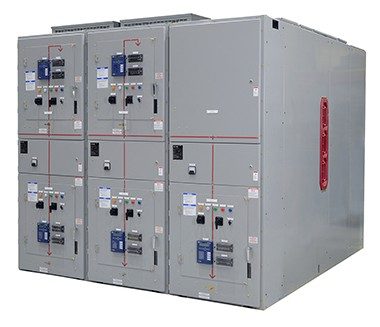
Safety design protects both equipment and personnel during operation. Insulation systems prevent electrical leakage and accidental contact. Arc protection mechanisms reduce fire and explosion risks. Proper grounding ensures safe current dissipation during faults. Enclosures protect internal components from environmental damage. Engineers must consider protection levels based on installation location. Outdoor systems require weather-resistant materials and sealing. Indoor systems focus on accessibility and compact design. Reliable safety features enhance operational confidence. Strong protection mechanisms reduce long-term risks significantly.
Standards and compliance requirements
Standards ensure consistency, safety, and reliability across electrical systems. Organizations such as IEC and ANSI define strict performance guidelines. Certified equipment undergoes extensive testing before market release. Compliance reduces risks and simplifies approval processes. Regional regulations may vary depending on application requirements. Industrial sectors often demand higher compliance levels. Non-compliant equipment may lead to safety hazards and penalties. Buyers should verify certifications before purchasing equipment. Standardized systems improve compatibility and performance consistency. Following regulations ensures long-term operational stability.
Types of low and medium voltage switchgear systems
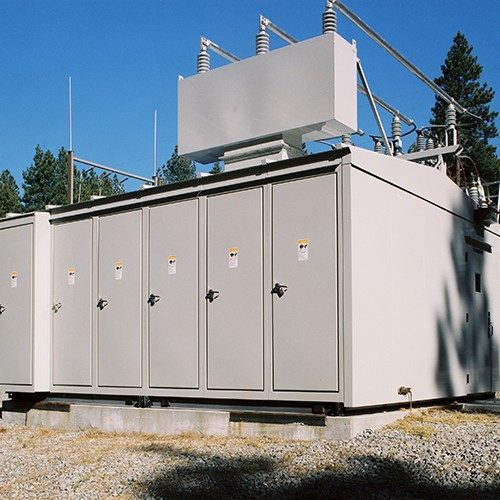
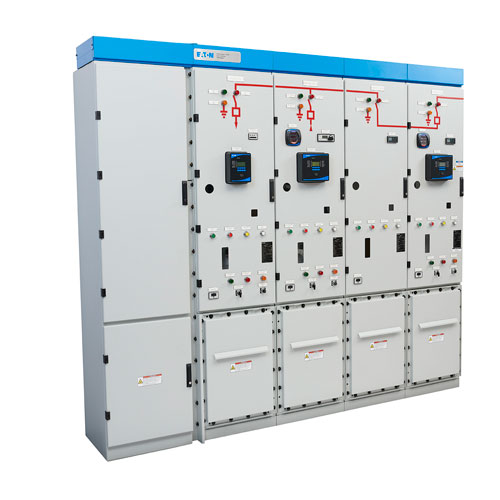
Low and medium voltage switchgear systems include several designs for different applications. Air-insulated systems offer simple maintenance and cost advantages. Gas-insulated systems provide compact size and high reliability. Metal-clad designs enhance safety through compartmentalized structures. Metal-enclosed systems allow flexible installation in various environments. Each type serves specific operational requirements effectively. Engineers must assess performance needs before selecting a system. Space, budget, and safety requirements influence final decisions. Proper system choice ensures efficient and stable operation. Careful comparison improves long-term system value.
List of common switchgear types and advantages
Different switchgear types provide unique benefits depending on application needs. Selection should align with performance expectations and cost considerations. Common options include the following:
- Air-insulated systems offer low cost and easy maintenance
- Gas-insulated systems provide compact size and high reliability
- Metal-clad systems ensure enhanced safety and fault isolation
- Metal-enclosed systems support flexible installation options
- Hybrid systems balance performance and cost effectively
Each option requires detailed evaluation before implementation. Engineers must compare features, cost, and maintenance requirements carefully.
Detailed comparison of switchgear technologies
| Type | Advantages | Limitations |
|---|---|---|
| Air Insulated | Cost effective, simple maintenance | Large size, lower compactness |
| Gas Insulated | Compact, highly reliable | Higher cost, complex handling |
| Hybrid Systems | Balanced performance, flexible design | Moderate complexity |
Evaluating insulation and design after comparison
Comparing technologies helps determine the most suitable insulation approach. Air-insulated systems work well in spacious environments. Gas-insulated systems suit compact installations with higher performance demands. Hybrid designs provide flexibility for specialized applications. Engineers should consider environmental factors during selection. Temperature, humidity, and contamination affect insulation performance. Space constraints also influence design decisions significantly. Maintenance access remains an important consideration for long-term use. Proper evaluation improves reliability and operational efficiency. Strategic selection ensures optimized system performance.
Environmental and installation considerations
Environmental conditions influence equipment performance and durability significantly. Outdoor installations require protection against moisture and temperature changes. Indoor systems focus on space efficiency and accessibility. Dust and pollution levels affect insulation reliability. Engineers must evaluate installation conditions before selecting equipment. Ventilation and cooling requirements support stable operation. Structural constraints may limit equipment size and layout. Proper installation improves system safety and performance. Careful planning reduces maintenance challenges over time. Environmental adaptation ensures long-term system reliability.
Cost control and lifecycle value analysis
Cost evaluation involves both initial investment and long-term expenses. High-quality equipment often reduces maintenance and replacement costs. Energy efficiency contributes to lower operational expenses. Modular designs allow easier upgrades and scalability. Spare parts availability affects maintenance efficiency significantly. Budget planning should include installation and operational costs. Investing in reliable systems improves long-term value. Cost optimization requires balancing performance and affordability. Strategic decisions support sustainable operations. Lifecycle analysis ensures better financial planning.
Common selection mistakes and how to avoid them
Many buyers focus only on initial cost and ignore long-term performance. Incorrect rating selection often leads to system failures. Ignoring safety standards increases operational risks significantly. Choosing unsuitable insulation types may reduce system reliability.
Lack of maintenance planning causes unexpected downtime. Engineers should evaluate all technical and environmental factors. Comparing multiple suppliers improves decision quality. Proper documentation ensures compliance with standards. Avoiding common mistakes enhances system efficiency. Careful planning leads to better performance outcomes.
Final decision strategy for switchgear selection
Effective decision making requires balancing multiple technical and financial factors. Engineers should define system requirements clearly before selection. Comparing options helps identify the most suitable solution. Safety and compliance must remain top priorities during evaluation. Cost considerations should include lifecycle expenses. Reliable suppliers provide better support and product quality. Environmental conditions influence final equipment choice significantly. Strategic planning ensures consistent system performance. Proper selection of low and medium voltage switchgear reduces risks and improves efficiency. A structured approach leads to successful implementation.
FAQ
What is the difference between low and medium voltage switchgear?
Low and medium voltage switchgear typically operates below 1 kV or up to 36 kV ranges. Each category serves different operational requirements and system scales. Low voltage systems are widely used in buildings and commercial facilities. Medium voltage systems support industrial plants and utility networks. Equipment design becomes more complex as voltage increases. Protection mechanisms also become more advanced in higher voltage systems. Engineers must match system requirements carefully when selecting equipment. Proper use of low and medium voltage switchgear ensures safety and efficiency. Accurate classification improves performance and reliability across applications.
How do I choose the right switchgear rating?
Choosing the correct rating requires evaluating voltage, current, and fault conditions precisely. Engineers must calculate expected load requirements under normal and peak conditions. Short circuit capacity should match system fault levels accurately.
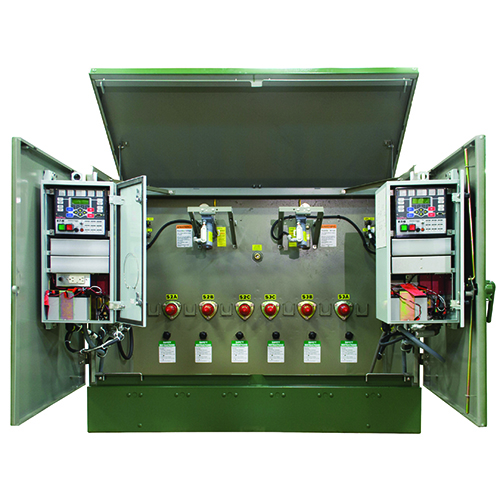
Frequency compatibility ensures stable performance across operations. Environmental factors may influence equipment ratings and performance limits. Oversized systems increase costs without adding significant value. Undersized equipment may fail under heavy load conditions. Proper selection of low and medium voltage switchgear improves system reliability. Careful analysis prevents operational risks and costly failures. Technical documentation provides essential guidance during the selection process.
Which switchgear type is best for industrial applications?
Industrial applications require durable and high-performance equipment for stable operations. Gas-insulated systems provide compact size and strong reliability in demanding environments. Metal-clad systems offer enhanced safety and effective fault isolation. Air-insulated systems remain suitable for large facilities with sufficient space. Selection depends on operational conditions and environmental factors. Engineers must evaluate load requirements and compliance standards carefully. Maintenance accessibility also affects long-term efficiency and system uptime. Proper use of low and medium voltage switchgear ensures consistent performance. Choosing the right system reduces risks and supports reliable industrial operations.