
How To Choose Iron Core For Transformer?
-
Select the right iron core for transformer by comparing CRGO steel grades and lamination standards for efficient B2B procurement.
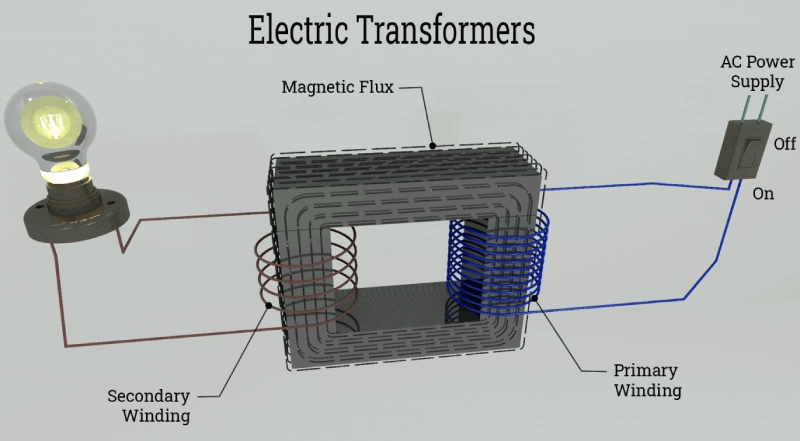
Selecting a high-quality iron core for transformer units remains a critical decision for electrical engineering professionals. This component directly impacts the energy transmission performance and overall system efficiency of power distribution networks. Proper component specification prevents excessive thermal accumulation during long-term commercial operations. High-voltage systems require specific magnetic materials to resist severe electrical degradation over decades. Engineers frequently choose specialized configurations for a 10kv -35kv Dry Type Transformer in modern commercial facilities. These configurations must maintain low excitation currents to avoid unexpected grid outages and equipment failure. Optimal designs minimize operational costs while maximizing the total functional lifespan of industrial electrical equipment. Buyers must evaluate raw material specifications carefully before committing to volume purchases from manufacturers.
Technical Steel Grade Specifications for Energy Efficiency
Silicon steel selection determines the magnetic flux density limit within the primary transformer core assembly. Cold Rolled Grain Oriented steel provides excellent directional permeability for highly demanding industrial grid systems. Modern factories process this metal to align the crystalline structure along the rolling direction perfectly. This alignment reduces magnetostriction and lowers audible noise during high-voltage grid operations. Premium grades like laser-scribed silicon steel offer thinner laminations for reduced eddy currents. B2B procurement teams prefer materials complying with IEC 60404-2 quality testing standards for standard verification. These international standards guarantee precise measurement of specific magnetic losses under stable laboratory conditions. Selecting certified steel grades ensures the completed machinery operates with minimal thermal dissipation problems.
Analyzing Lamination Thickness and Magnetic Loss Factors
Metal sheet thickness significantly affects the generation of unwanted eddy currents in electrical components. Thicker sheets allow larger circulating loops of current, which generates excessive heat within the metal. Reducing lamination thickness to fractions of a millimeter effectively constrains these circulating electrical paths. Manufacturers apply thin inorganic insulation coatings on both sides of each individual steel sheet. This physical barrier prevents electrical conduction between adjacent layers in the completed stacked unit. Standard operational values show a clear correlation between sheet thickness and measured core losses. The following technical table compares different standard sheet thickness levels against typical energy dissipation rates. Technical procurement officers use these metrics to balance initial purchase costs against long-term operating losses.
| Steel Grade | Lamination Thickness (mm) | Maximum Core Loss at 50Hz (W/kg) | Magnetic Flux Density (Tesla) |
|---|---|---|---|
| 23ZH090 | 0.23 | 0.90 | 1.85 |
| 27ZH100 | 0.27 | 1.00 | 1.83 |
| 30ZH120 | 0.30 | 1.20 | 1.82 |
Interpreting Lamination Thickness Performance Data
Data from the preceding table clearly indicates that thinner laminations reduce energy loss. Specifically, the 0.23 millimeter grade achieves the lowest dissipation rate of 0.90 watts per kilogram. This substantial reduction in wasted heat minimizes energy loss in the iron core for transformer assemblies. Thinner materials require complex manufacturing processes, which increases the initial acquisition cost for buyers. Engineers must calculate the return on investment over decades of continuous power grid operation. Using thin steel also requires strict adherence to assembly pressure standards during factory fabrication. Excessive clamping force can damage the delicate interlaminar insulation coatings between the steel sheets. Insufficient clamping pressure leads to mechanical vibrations and loud humming noises during power transmission.
Comparing Structural Core Geometries and Noise Metrics
Physical core architecture also plays a vital role in determining mechanical and magnetic noise levels. Different geometric designs affect the pathway of magnetic flux lines through the steel sheets.
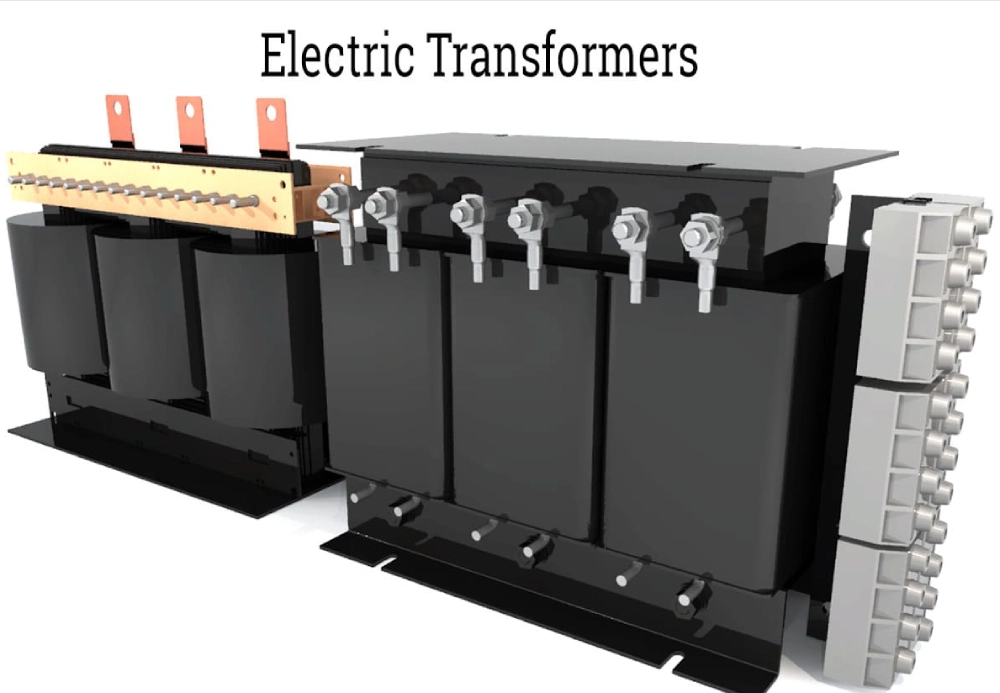
Standard stacked joints often create localized air gaps where magnetic resistance increases significantly. These air gaps cause minor flux distortion and increase the vibration of the transformer core structure. Advanced step-lap cutting techniques allow smoother transitions for magnetic flux at the joints. This construction methodology reduces both operating noise levels and no-load losses in the system. The secondary table below details the acoustic impact of various structural designs across operating frequencies. Purchasing managers can utilize this geometric data to specify exact noise requirements for sensitive urban environments.
| Joint Geometry Type | Step-Lap Configuration | Average Noise Level (dB) | No-Load Loss Reduction (%) |
|---|---|---|---|
| Standard Butt Joint | None | 58 | Baseline |
| 3-Step Lap Joint | Moderate | 52 | 8% - 12% |
| 7-Step Lap Joint | Advanced | 46 | 15% - 18% |
Optimizing the Iron Core for Transformer Systems
Advanced step-lap joints clearly reduce noise output from fifty-eight decibels down to forty-six decibels. This substantial noise reduction enhances the performance of the iron core for transformer designs. Lowering operating noise prevents structural fatigue caused by continuous micro-vibrations inside the metal enclosure. Acoustic control remains vital when deploying machinery in residential zones or indoor utility rooms. Additionally, seven-step lap configurations improve the overall magnetic flux distribution around joint regions. Smooth flux paths reduce local heating, which prevents early aging of surrounding insulating materials. Procurement experts should always check whether the chosen factory possesses automated step-lap cutting machines. Precision machinery ensures consistent geometric alignment and tight dimensional tolerances during structural block assembly.
Key Quality Certification Steps for Custom Procurement
Professional purchasers must verify manufacturing standards before finalizing heavy electrical equipment orders. Leading factories use standardized testing procedures to confirm the quality of each magnetic core shipment. Buyers should request mill test certificates showing core loss measurements at specified induction levels. Verifying these metrics ensures that the materials match the physical specifications requested in the contracts. Strict quality protocols guarantee high operational reliability under extreme environmental and electrical conditions. This validation process minimizes risk when deploying expensive equipment in remote utility installations. The list below contains essential testing criteria that every manufacturer must perform regularly. Reliable suppliers provide documented evidence for each of these steps during the factory inspection.
- Epstein Frame Testing: Standard verification of magnetic loss under ASTM A343 conditions.
- Dimensional Tolerance Inspection: Precise measurement of lamination stack width and height deviations.
- Interlaminar Insulation Resistance Testing: Electrical resistance checks using standard ASTM A717 methods.
- No-load Loss Verification: Performance checks under full excitation voltage prior to final delivery.
Standardizing Factory Testing for Enhanced System Longevity
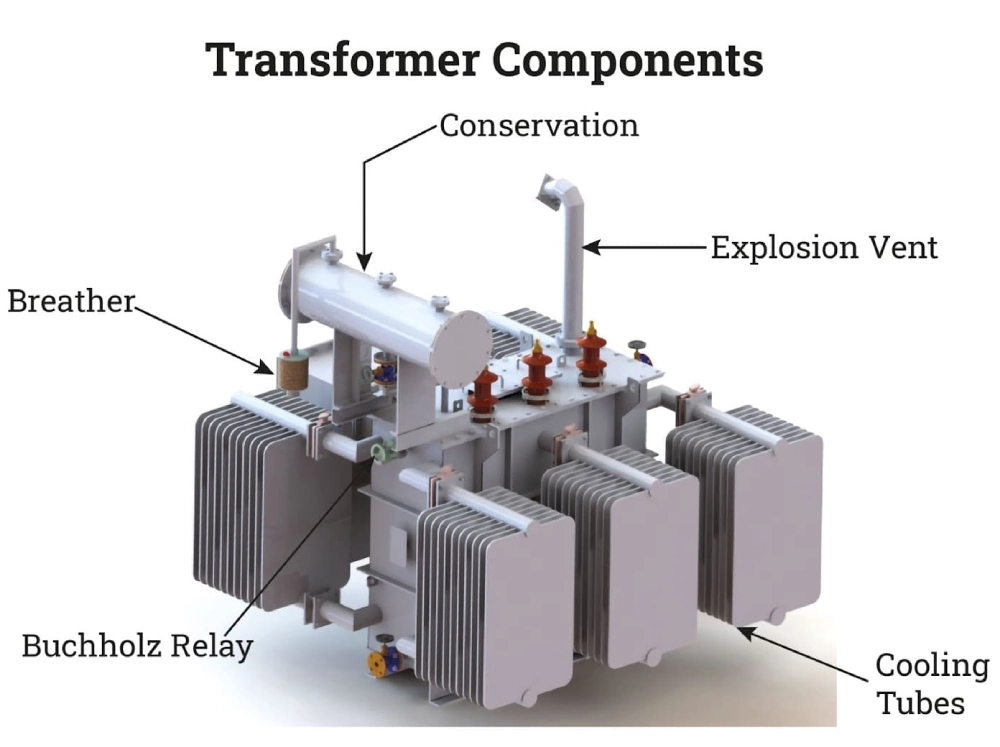
Implementing the listed inspection procedures ensures superior reliability for various high-performance substation designs. These strict testing standards remain crucial when sourcing a customized iron core for transformer applications. For instance, engineers require Epstein frame testing to verify materials for a 10 kV Oil-immersed Transformer unit. This liquid-cooled equipment demands absolute electrical stability to prevent catastrophic internal short circuits or overheating. Adequate insulation resistance prevents localized current leakage, which degrades insulating oils over time. Proper dimensional tolerances also prevent physical damage during high-stress assembly within the transformer casing. Documented compliance reports give operators confidence that the distribution infrastructure will run smoothly for decades. Investing in certified hardware protects utility networks from massive maintenance costs and unexpected blackouts.
FAQ
What is the physical difference between CRGO and amorphous steel?
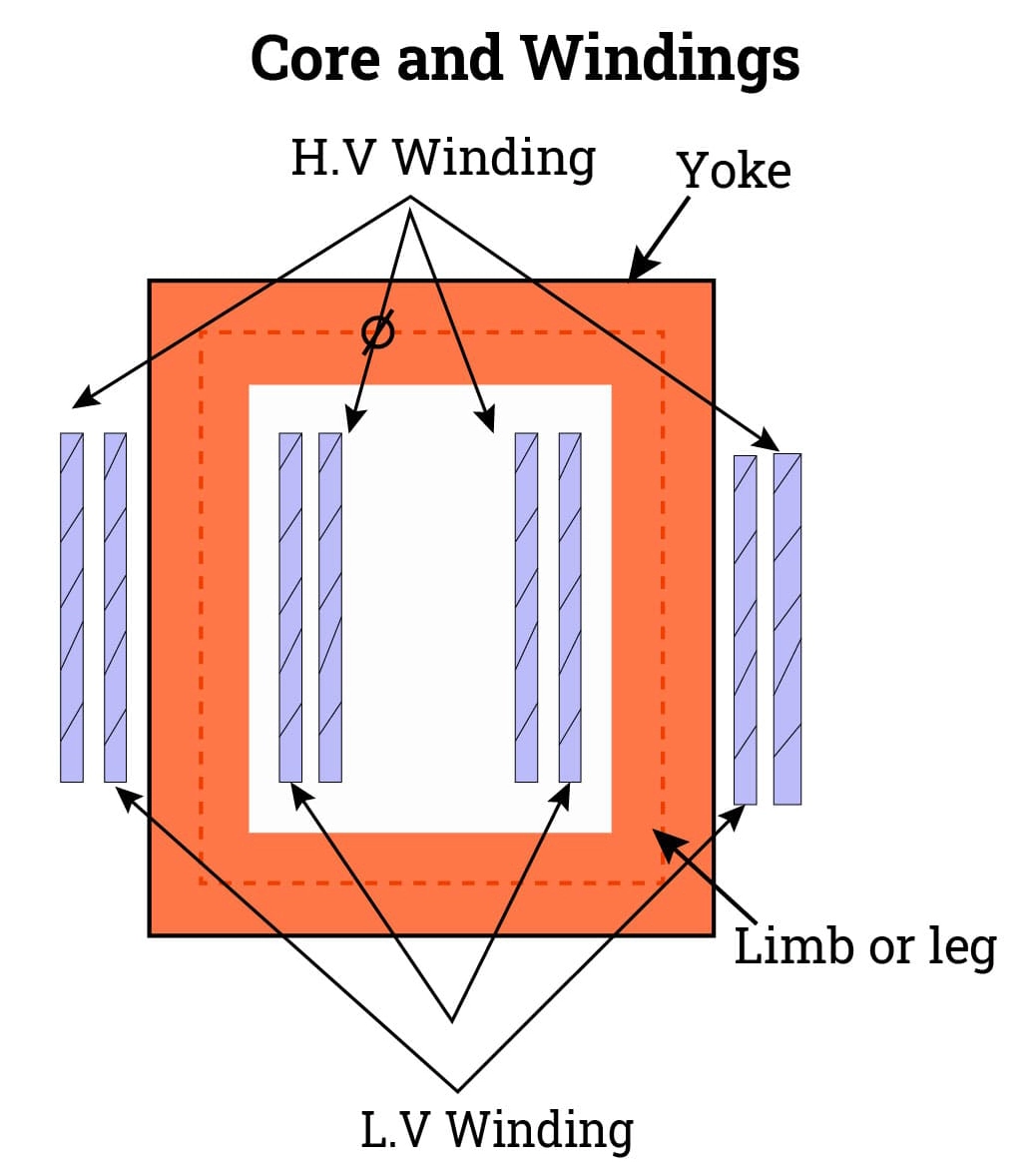
Cold Rolled Grain Oriented steel features a highly organized crystalline structure within its metal sheets. This directional grain orientation allows magnetic flux to flow with minimal physical resistance. In contrast, amorphous alloy lacks a structured crystalline atomic lattice altogether. An unorganized atomic structure significantly lowers core losses under standard distribution operating conditions. Amorphous materials are exceptionally thin, making them harder to assemble into a rigid structure. Fabricators must use specialized techniques when winding this brittle material for an iron core for transformer units. Choosing between these metals depends on the target efficiency goals and total project budget.
How does lamination sheet thickness affect overall core loss?
Thinner laminations restrict the cross-sectional area available for the movement of unwanted eddy currents. These currents circulate inside the metal sheets when magnetic fields alternate during active power transmission. Reducing sheet thickness from 0.30 millimeters to 0.23 millimeters greatly suppresses these internal electrical loops. Consequently, the transformer core generates less wasted heat energy during continuous high-voltage operations. Thin laminations require adequate surface insulation to prevent electrical conduction between adjacent stacked sheets. Modern factories apply specialized chemical coatings to maintain high surface resistance under heavy clamping pressure. Balancing sheet thickness with coating quality ensures optimal mechanical stability and superior electrical performance.
What testing standards regulate magnetic steel quality?
International bodies maintain strict testing criteria to ensure uniform quality across steel manufacturing facilities. The ASTM A343 standard defines the precise testing methods for measuring core loss under laboratory setups. This procedure utilizes a specialized Epstein frame to measure the magnetic properties of standard strip samples. Additionally, the IEC 60404-2 standard assists manufacturers in evaluating electrical steel laminations worldwide. These parameters establish acceptable tolerance limits for dimensional variations, insulation resistance, and magnetic permeability. B2B procurement teams must always request full verification reports before accepting bulk steel shipments. Verified testing documentation protects buyers from receiving substandard materials that increase operating costs.