
How To Choose High Voltage Switchgear Manufacturers?
-
High voltage switchgear manufacturers selection guide covering RFQ parameters, delivery milestones, risks, and procurement strategies for projects.
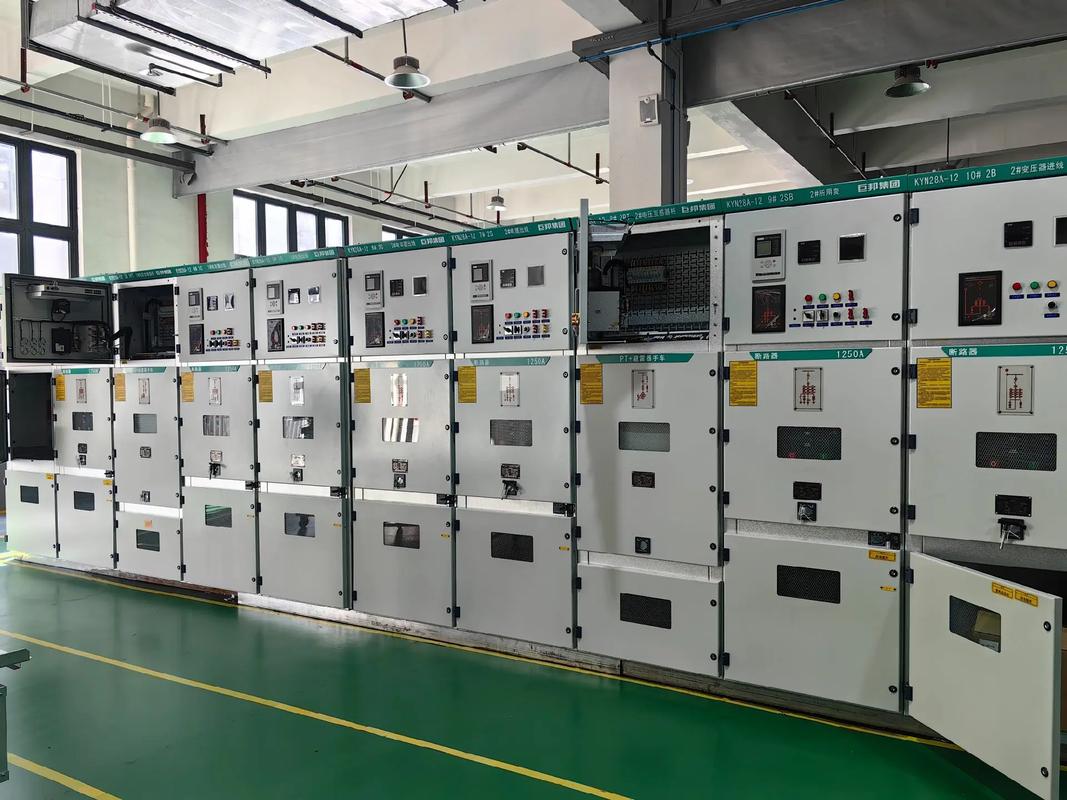
High voltage switchgear manufacturers and procurement impact
high voltage switchgear manufacturers determine equipment reliability, delivery performance, and long term operational safety in power projects. Procurement teams must evaluate more than price when selecting suppliers. Engineering compatibility, documentation quality, and delivery coordination all influence project outcomes. Poor supplier selection may lead to delayed installation, system mismatch, or safety risks. A structured procurement approach improves supplier comparison efficiency. Combining RFQ parameter clarity with delivery milestone control creates a complete decision framework. Project managers benefit from reduced uncertainty and smoother execution. Understanding this process supports better supplier selection in early project stages.
Why procurement perspective differs from engineering evaluation
Procurement teams focus on both technical compliance and delivery execution capability. Engineering teams emphasize performance parameters such as voltage rating and short circuit capacity. Procurement teams must also consider lead time, logistics coordination, and supplier responsiveness. Communication speed affects how quickly design issues can be resolved. Contract clarity influences delivery accountability and risk management. Procurement decisions therefore require a broader evaluation framework. Integrating technical and commercial factors improves project efficiency. Balanced evaluation ensures both performance and delivery reliability.
RFQ stage and the importance of parameter clarity
RFQ preparation forms the foundation of supplier selection. Incomplete information often causes repeated communication and design changes. Clear technical parameters allow manufacturers to provide accurate quotations. Environmental conditions must be defined to ensure proper equipment configuration. Commercial terms such as delivery time and warranty period also require clarity. A structured RFQ reduces misunderstanding and speeds up evaluation. Procurement teams should standardize RFQ templates for consistency. Accurate input leads to reliable supplier comparison results.
Core technical parameters for RFQ preparation
Technical parameters define switchgear performance under normal and fault conditions. Procurement teams should include detailed specifications in RFQ documents.
- Rated voltage and rated current values
- Short circuit breaking capacity and withstand current
- Frequency and insulation level requirements
- Protection rating and installation type
- Busbar material and connection configuration
- Protection and control system requirements

Why technical parameter clarity improves quotation accuracy
Clear technical parameters allow manufacturers to design suitable configurations quickly. Rated voltage determines insulation system requirements. Short circuit capacity defines breaker selection and mechanical strength. Protection level ensures durability under environmental conditions. Busbar design affects current carrying capability and heat dissipation. Control systems influence automation and integration performance. Accurate parameter definition reduces design revisions. Procurement teams benefit from faster and more reliable supplier responses.
Environmental and application conditions in procurement decisions
Environmental factors directly affect switchgear performance and lifespan. High altitude installations require insulation adjustment. Temperature range influences cooling design and material selection. Humidity and corrosive gases may require special enclosure protection. Seismic requirements may affect structural design. Installation method determines cabinet configuration and layout. Procurement teams must include these conditions in RFQ documents. Prop
Commercial requirements and supplier service expectations
Commercial conditions influence supplier selection alongside technical capability. Lead time determines whether project schedules can be met. Warranty period reflects supplier confidence in product quality. After sales response time affects maintenance efficiency. Custom design capability supports complex project requirements. Payment terms and logistics coordination also require consideration. Procurement teams should define these requirements clearly. Balanced evaluation ensures both technical and commercial alignment.
Supplier evaluation beyond quotation comparison
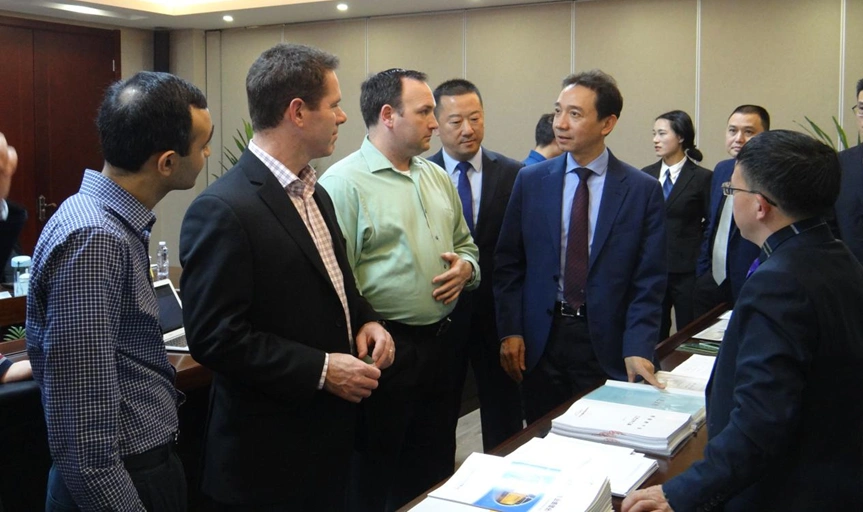
Quotation comparison alone does not confirm supplier capability. Procurement teams must verify certifications such as IEC or local standards. Type test reports provide evidence of performance verification. Manufacturing facilities should demonstrate quality control systems. Project references indicate experience with similar applications. Technical response speed reflects engineering capability. Documentation quality supports installation and maintenance. Comprehensive evaluation ensures supplier reliability beyond pricing.
Delivery milestone control for project execution
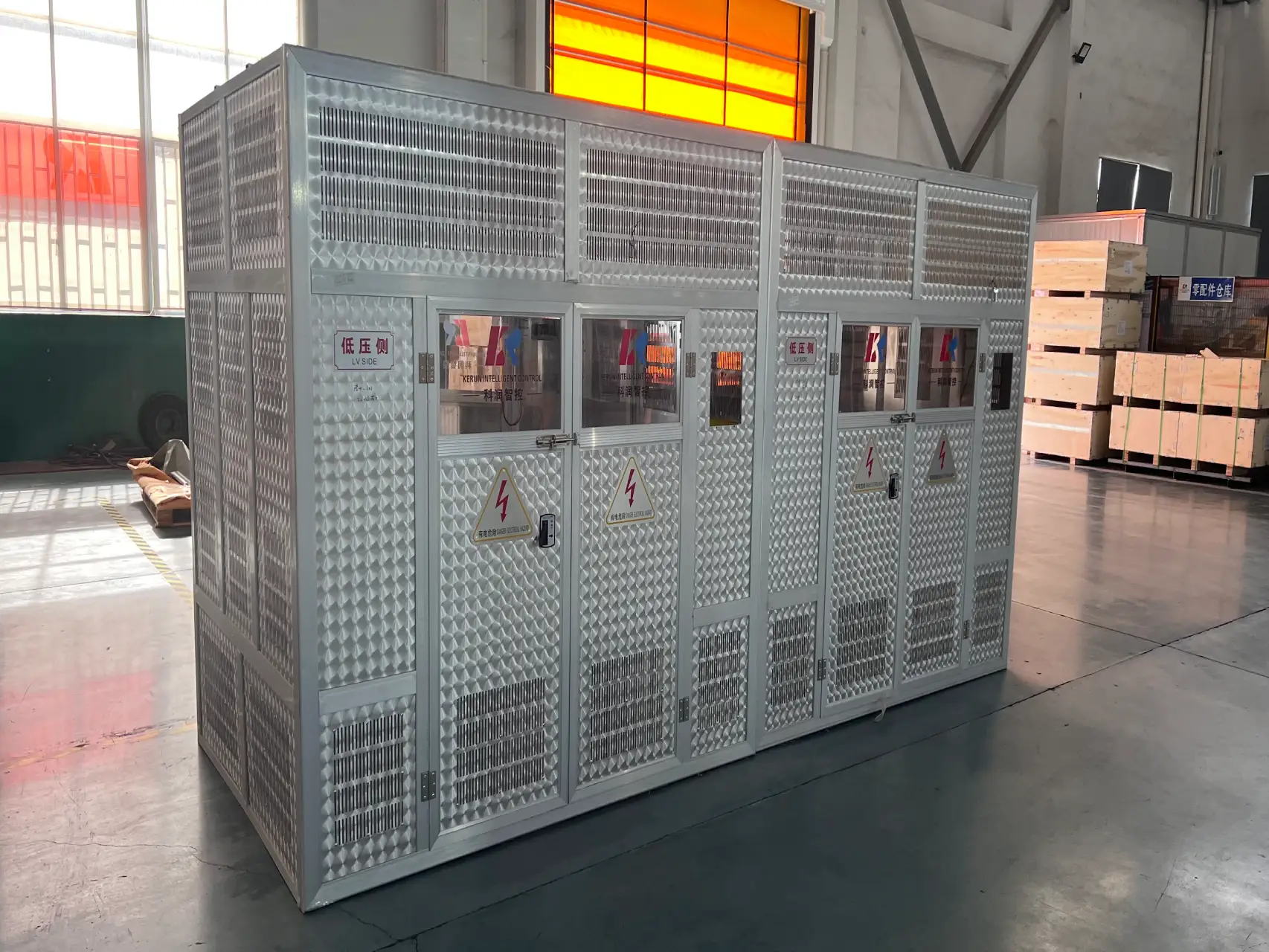
Delivery milestone management ensures project progress remains on schedule. Procurement contracts should define clear stages from design to delivery.
- Drawing approval and technical confirmation stage
- Manufacturing and process quality inspection stage
- Factory testing and verification stage
- Packaging and protection preparation stage
- Transportation and logistics tracking stage
Why delivery milestones ensure project success
Defined milestones improve coordination between supplier and project team. Drawing approval ensures manufacturing follows confirmed design. Manufacturing stage monitoring maintains quality control consistency. Testing stage verifies performance before shipment. Packaging stage protects equipment during transport. Logistics tracking ensures timely delivery to site. Structured milestone control reduces delays and disputes. Procurement teams gain better visibility over project progress.
Delivery process comparison table for supplier evaluation
| Milestone | Best Practice | Risk if Ignored |
|---|---|---|
| Drawing Approval | Confirmed before production | Design mismatch |
| Manufacturing | Quality inspection included | Production defects |
| Testing | Complete FAT reports | Undetected faults |
| Packaging | Moisture and shock protection | Transport damage |
| Transport | Logistics tracking | Delivery delay |
How the delivery table supports procurement planning
The table highlights how each delivery stage connects with project risk control. Drawing approval prevents design errors before production begins. Manufacturing inspection ensures consistent product quality. Testing verifies equipment performance under simulated conditions. Packaging protects equipment during transportation. Logistics tracking ensures delivery schedule alignment. Viewing these stages together helps procurement teams manage supplier performance. Structured planning improves project execution reliability.
Common procurement risks when choosing manufacturers
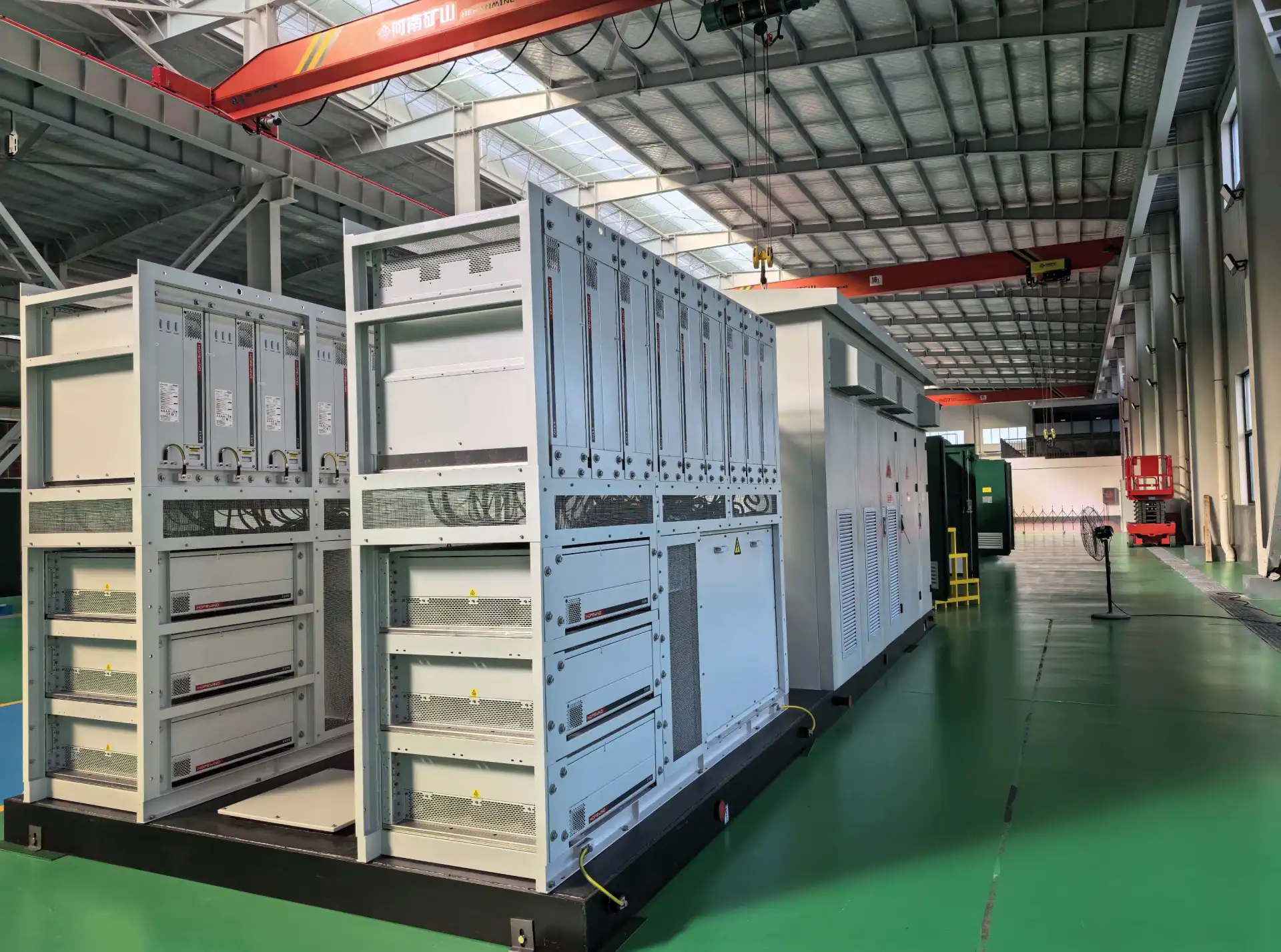
Several risks appear when procurement focuses only on price comparison. Low cost suppliers may lack certification or testing capability. Poor communication may delay technical clarification. Missing documentation complicates installation and maintenance. Inadequate packaging may cause transport damage.Unclear delivery terms increase schedule risk. Lack of milestone control reduces accountability. Awareness of these risks helps procurement teams avoid costly mistakes. Preventive planning improves supplier selection outcomes.
Unclear delivery terms increase schedule risk. Lack of milestone control reduces accountability. Awareness of these risks helps procurement teams avoid costly mistakes. Preventive planning improves supplier selection outcomes.
Practical procurement strategies for efficiency improvement
Procurement teams can improve efficiency through standardized processes. RFQ templates ensure consistent parameter collection. Supplier prequalification reduces evaluation time. Third party factory audits provide additional verification. Clear contract terms define technical and delivery expectations. Regular communication improves coordination during project execution. Documentation management supports future maintenance activities. Structured strategies enhance procurement effectiveness across projects.
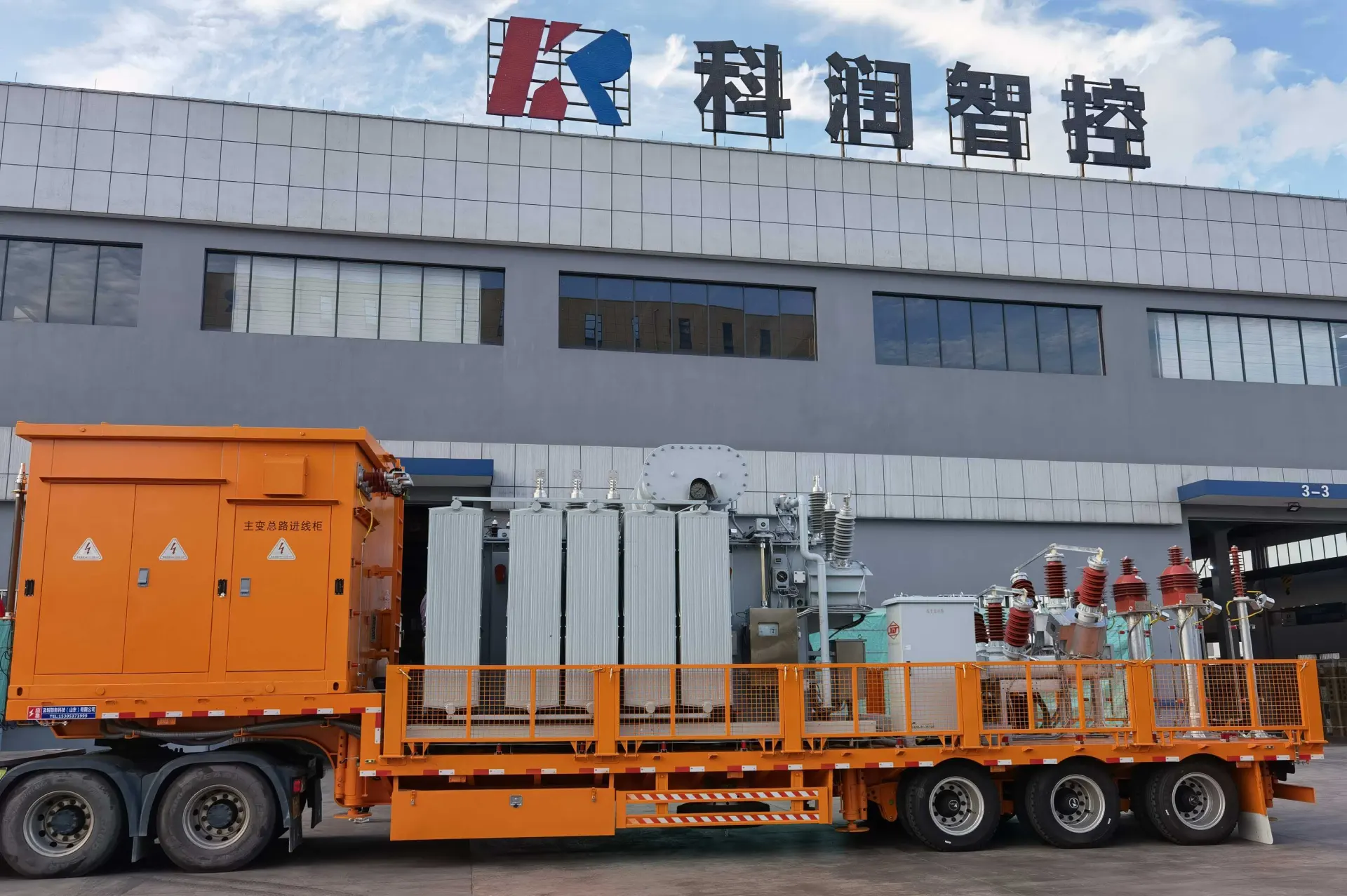
Moving from awareness to delivery and installation stage
Understanding how to choose high voltage switchgear manufacturers provides a strong foundation for procurement planning. RFQ parameter clarity improves quotation accuracy and supplier comparison. Delivery milestone control ensures project execution remains on schedule. Risk awareness helps teams avoid common procurement mistakes. Project teams ready for implementation should focus on delivery and installation practices next. The High and Low Voltage Switchgear Selection and Project Implementation Pillar provides further guidance. CTA: Get a quotation by submitting project parameters for tailored recommendations. The next stage focuses on Switchgear Delivery and Installation where on site execution becomes critical.
FAQ
What information is required when requesting quotations from manufacturers
Procurement teams should provide detailed technical and environmental parameters. Rated voltage, current, and short circuit capacity define basic equipment requirements. Installation environment such as indoor or outdoor conditions influences design.Environmental factors including temperature and humidity affect material selection. Control system requirements determine automation compatibility. Commercial details such as delivery time and warranty also require clarity. Providing complete information allows manufacturers to deliver accurate quotations and reduces revision cycles.
How do delivery milestones affect project success
Delivery milestones ensure that each project stage progresses in a controlled manner. Drawing approval confirms technical accuracy before manufacturing begins. Manufacturing monitoring ensures consistent quality throughout production. Testing verifies performance before shipment. Packaging protects equipment during transport. Logistics tracking ensures timely arrival at site. Without milestone control, delays and quality issues may occur. Structured milestones improve coordination and reduce project risk.
Why should procurement teams evaluate manufacturers beyond price
Price alone does not reflect supplier capability or product quality. Certification, testing capability, and project experience provide better indicators of reliability. Poor quality equipment may increase maintenance costs and operational risks. Delivery delays can affect overall project schedules. Strong technical support ensures smooth installation and operation. Procurement teams must evaluate total lifecycle value rather than initial cost. Balanced assessment improves long term project success.