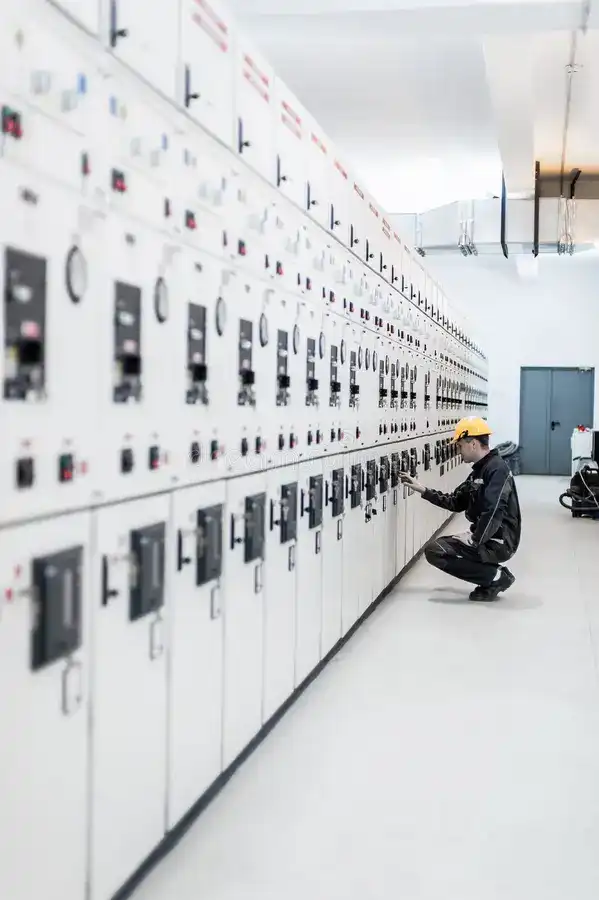
How To Choose High Voltage Switchgear Maintenance?
-
High-voltage switchgear maintenance ensures safety and reliability with key factors, best practices, and step-by-step checklists.
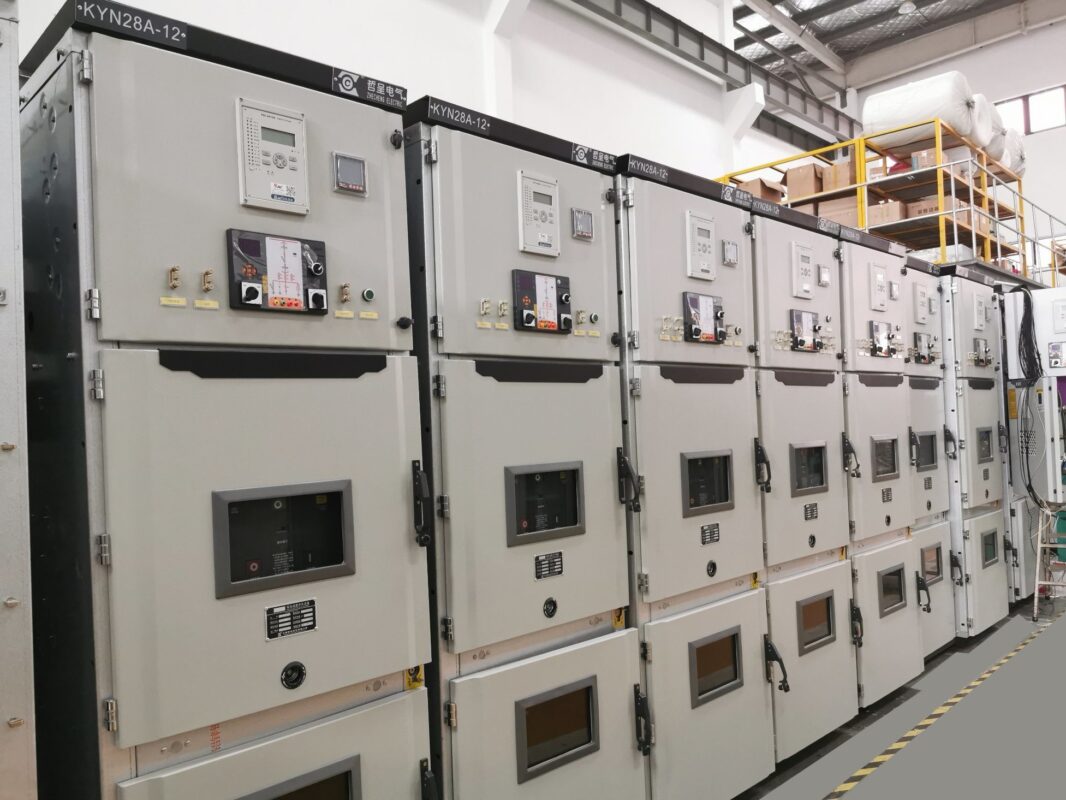
Introduction to High Voltage Switchgear Maintenance
High voltage switchgear maintenance is essential for safety and operational efficiency. A chemical plant in Germany once faced a sudden shutdown due to a failed air-insulated switchgear. Visual inspection revealed corrosion on busbars that caused the short circuit. Regular maintenance could have prevented this issue. Switchgear ensures circuits are controlled and protects equipment from overloads. Maintenance programs reduce risks, extend equipment life, and safeguard personnel. Modern systems often integrate sensors to monitor performance and detect anomalies early. Operators should combine manufacturer guidelines with industry standards for a reliable maintenance plan. Proper execution ensures minimal downtime and cost savings. This case highlights why proactive maintenance is critical.
Key Factors Influencing Maintenance Selection
Selecting the right maintenance approach depends on multiple factors. A data center in Singapore experienced minor outages because inspections were irregular. Humidity accelerated insulation degradation, and predictive monitoring was absent. After revising their program, quarterly electrical testing and annual thermal imaging were added. Equipment age, voltage rating, and operational load guide frequency. Environmental conditions, operator skill, and compliance requirements further influence the plan. Vendor support and personnel training play a vital role in procedure execution. Budget constraints must be balanced with safety priorities. Considering these factors ensures an effective and reliable high voltage switchgear maintenance strategy that prevents unplanned failures.
Types of High Voltage Switchgear
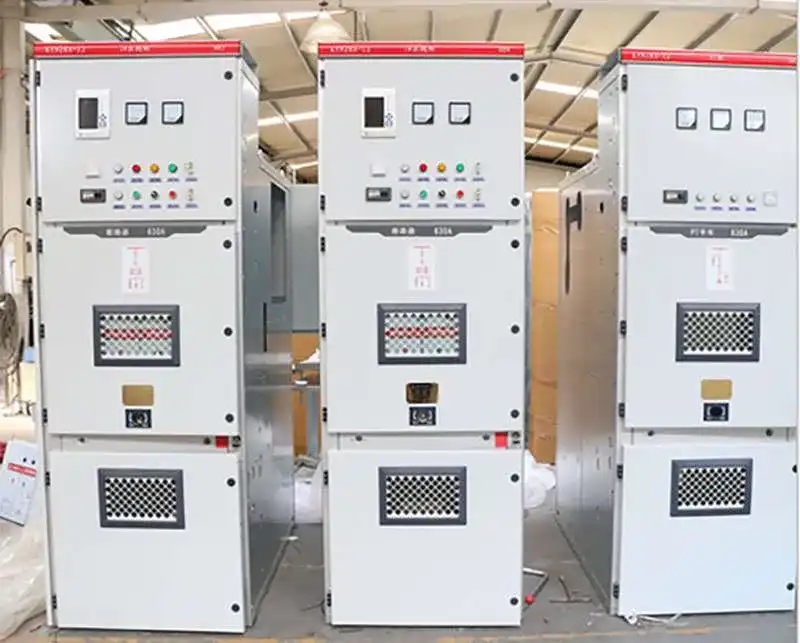
High voltage switchgear comes in various types, each requiring tailored maintenance. Air-insulated switchgear is widely used and easier to inspect. Gas-insulated switchgear is compact, with fewer environmental issues, but requires specialized tools. For example, a utility company in Canada implemented gas-insulated switchgear for urban substations. Early maintenance detected minor gas leaks, preventing downtime. Components such as breakers, disconnectors, and busbars demand individual attention. Modular designs simplify maintenance but require careful handling. Following manufacturer procedures ensures safety and reliability. Understanding the equipment type allows operators to plan maintenance efficiently. Targeted high voltage switchgear maintenance reduces costs and enhances system longevity.
Importance of Regular Maintenance for Safety
Routine maintenance reduces hazards and prevents unexpected failures. A Texas industrial plant adopted a monthly inspection routine. Monthly visual checks detected overheating in high voltage breakers before they caused downtime. Predictive diagnostics revealed early wear, allowing timely replacement of contacts and insulation. Operators followed strict isolation and grounding procedures. Personal protective equipment minimized risks during work. As a result, unexpected outages dropped significantly, and equipment lifespan extended. Proactive inspections maintain reliability and protect personnel. This example demonstrates that safety relies on structured maintenance schedules and not ad hoc repairs. Proper high voltage switchgear maintenance safeguards both operations and people.
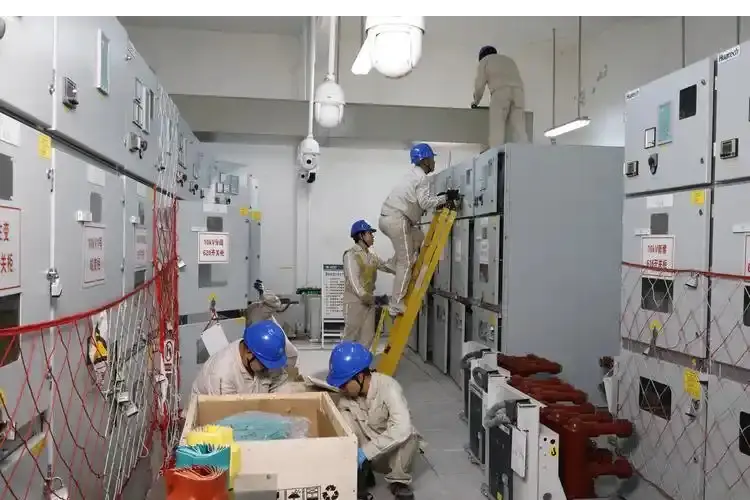
Inspection Procedures and Protocols
Effective inspections follow structured protocols. A Brazilian hydroelectric facility implemented step-by-step checks. Visual inspections revealed rust on busbars, while electrical testing showed reduced insulation resistance. Thermographic imaging detected hotspots before failures occurred. Mechanical operation tests ensured switches moved correctly. Historical inspection records highlighted recurring issues. Safety procedures included isolating live circuits, using protective gear, and following lockout/tagout protocols. Checklist-based inspections reduced human error and improved compliance. Documenting all procedures ensured accountability. These measures illustrate that following structured protocols is essential for reliable high voltage switchgear maintenance. Predictive and preventive strategies work best when supported by thorough inspections.
Tools and Equipment Required for Maintenance
Proper tools enhance safety and accuracy. A UK substation upgraded its maintenance program with insulation testers, torque wrenches, and thermal cameras. Portable analyzers detected partial discharge early, preventing failures. PPE such as gloves and arc-resistant clothing protected staff. Calibrated instruments ensured consistent readings. Using correct tools reduced damage risks and improved inspection speed. Manufacturer-recommended equipment is essential for sensitive switchgear components. Proper storage and handling preserve tool function. Training personnel in safe tool usage further minimizes risks. Selecting suitable equipment supports both preventive and predictive high voltage switchgear maintenance, optimizing performance while ensuring safety.
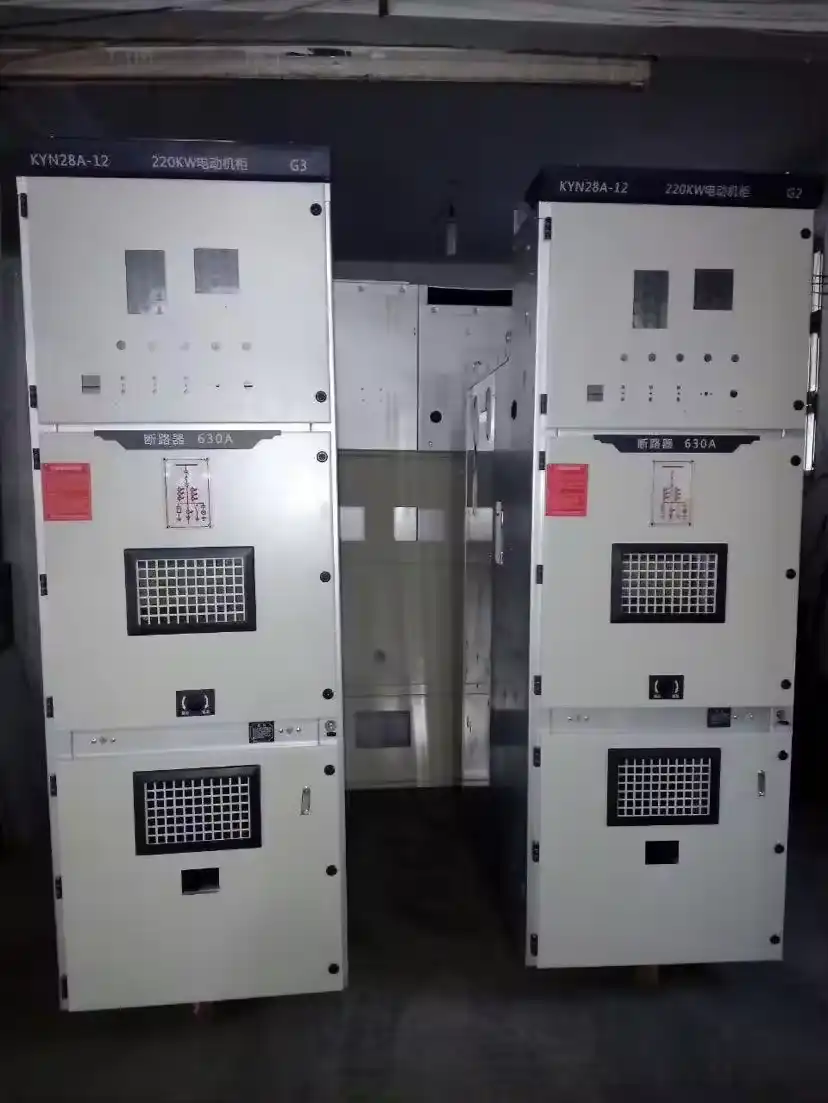
Common Mistakes in High Voltage Switchgear Maintenance
Many facilities make errors that compromise reliability. A power plant in India neglected documentation, causing repeated inspections. Overlooking environmental impacts accelerated insulation wear. Relying solely on visual inspections missed internal faults. Inadequate training increased accident risks. Delaying maintenance until failure caused costly downtime. Incorrect tool usage damaged components. Ignoring manufacturer recommendations weakened equipment reliability. Poor scheduling clustered tasks inefficiently. Recognizing these mistakes allows operators to adopt safer, more effective high voltage switchgear maintenance strategies. Awareness and proactive measures significantly reduce accidents and system interruptions.
Cost Considerations and Budget Planning
Maintenance involves careful financial planning. A South Korean factory compared costs between reactive and preventive maintenance. Reactive repairs were cheaper initially but caused repeated downtime. Preventive measures reduced long-term costs by extending switchgear lifespan. Predictive monitoring required initial investment but prevented major outages. Budget planning should prioritize safety and compliance. Cost-benefit analysis determined optimal inspection intervals. Contracting professional services ensured high-quality maintenance at predictable costs. Record-keeping prevented unnecessary repetition of procedures. Strategic planning maximized operational efficiency while maintaining reliable high voltage switchgear function.
Maintenance Tasks and Responsibilities for High Voltage Switchgear
| Task | Frequency | Responsible | Notes |
|---|---|---|---|
| Visual inspection | Monthly | Technician | Detect corrosion, dust, or physical damage |
| Electrical testing | Quarterly | Engineer | Measure insulation resistance and contact integrity |
| Thermal imaging | Annually | Specialist | Spot hotspots before failure occurs |
| Mechanical operation test | Bi-annually | Technician | Ensure smooth movement of switches and disconnectors |
| Documentation review | Continuous | Supervisor | Maintain logs for trends and compliance |
Best Practices for Efficient Maintenance
Structured procedures enhance maintenance efficiency. A German utility implemented checklist-based inspections, predictive monitoring, and staff training programs. Tasks scheduled during low-load periods minimized disruptions. Calibrated instruments ensured accurate measurements. Vendor guidance aligned with equipment specifications. Integrating preventive and predictive approaches optimized cost and reliability. Communication among teams improved coordination. Proper documentation tracked maintenance history and trends. These best practices ensure safer, more reliable high voltage switchgear maintenance. Facilities adopting these strategies saw a measurable reduction in downtime and improved operational safety.
Step-by-Step Explanation of the Maintenance Checklist
A utility company in India applied this checklist systematically. Monthly visual inspections identified dust buildup and loose connections. Quarterly electrical testing revealed minor insulation degradation. Thermal imaging detected hotspots, preventing failures. Bi-annual mechanical tests ensured proper switch operation. Continuous documentation allowed tracking trends and regulatory compliance. Assigning responsibility clarified accountability among technicians, engineers, and supervisors. This structured execution reduced unexpected failures by 70% in two years. Cases like this prove that a detailed maintenance plan transforms high voltage switchgear management from reactive to proactive, protecting both equipment and staff.
FAQ
What is the recommended frequency for high voltage switchgear maintenance?
Maintenance frequency varies with equipment type, age, and environmental conditions. A manufacturing plant in Italy adopted monthly visual inspections, quarterly electrical testing, and annual thermal imaging. Predictive monitoring tools adjusted intervals based on performance trends. Operator expertise and historical maintenance data further guided scheduling. Regular adherence prevented unexpected failures and prolonged switchgear lifespan. Scheduling should balance safety, operational demands, and compliance requirements. This structured approach reduces downtime, enhances reliability, and ensures personnel safety. Following consistent inspection intervals allows early detection of wear, insulation faults, and mechanical issues. This approach supports both preventive and predictive maintenance strategies effectively.
Can maintenance prevent unexpected failures in switchgear systems?
Yes, proper maintenance prevents sudden failures. A steel mill in Japan experienced frequent breaker trips before implementing predictive monitoring. Thermal imaging identified overheating contacts, and timely repairs prevented shutdowns. Scheduled inspections revealed corrosion and insulation degradation, allowing early intervention. Documenting findings helped identify recurring issues. Trained personnel followed isolation and grounding procedures to ensure safety. Regular maintenance, including cleaning, lubrication, and testing, prevented small problems from escalating. Combining preventive and predictive methods improved system reliability. Downtime decreased significantly, operational continuity increased, and maintenance costs were optimized. Proactive high voltage switchgear maintenance safeguards both equipment and staff.
Are there safety regulations specific to switchgear maintenance?
Yes, safety standards dictate procedures and protective measures. A Canadian substation strictly followed lockout/tagout rules and PPE requirements. Electrical codes specified isolation, grounding, and inspection steps. Regulatory compliance ensured legal operation and minimized liability. Personnel training emphasized hazard recognition and emergency response. Documentation of inspections verified adherence to safety standards. Periodic audits evaluated adherence to local and international regulations. Following these rules reduced accident risks and ensured operational continuity. Incorporating regulatory requirements into maintenance routines enhances overall safety. Operators who integrate compliance measures prevent injuries, protect equipment, and maintain reliable high voltage switchgear performance.