How to Choose High Voltage Switchgear Condition Monitoring?
-
High voltage switchgear condition monitoring selection checklist covering sensors, compatibility, safety protection, and predictive maintenance strategy.

High voltage switchgear condition monitoring in modern power systems
high voltage switchgear condition monitoring plays a critical role in modern electrical infrastructure. Industrial facilities rely on switchgear to control, protect, and distribute electrical power safely. Equipment failure may cause power interruptions, production losses, or safety hazards. Continuous monitoring helps operators detect abnormal conditions before faults develop. Engineers increasingly deploy digital monitoring systems to observe temperature, humidity, partial discharge, and gas conditions. These systems provide real time visibility of equipment performance. Project managers therefore evaluate monitoring solutions carefully during early planning stages. Proper system selection improves reliability and reduces unexpected downtime.
Why monitoring systems matter for equipment safety and reliability
Electrical switchgear operates under high voltage and heavy load conditions. Mechanical wear, insulation aging, or environmental factors may gradually degrade performance. Monitoring systems track operational parameters to detect early warning signals. Maintenance teams receive alerts before critical faults occur. Reliable monitoring also supports predictive maintenance strategies. Predictive maintenance reduces repair cost and prevents sudden shutdowns. Utilities and industrial operators increasingly depend on digital monitoring technology. Reliable systems therefore strengthen operational safety and protect expensive electrical assets.
Understanding the purpose of switchgear condition monitoring
Condition monitoring systems gather data from sensors installed inside switchgear compartments. Temperature sensors detect overheating at busbars or cable connections. Humidity sensors identify condensation risks that weaken insulation performance. Partial discharge monitoring detects insulation degradation in high voltage components. Gas detection devices reveal early signs of insulation failure or overheating. These sensors transmit data continuously to monitoring platforms. Engineers review the information to assess equipment health. Continuous analysis therefore improves operational awareness across electrical facilities.
Ten point checklist for high voltage switchgear condition monitoring
Engineers often rely on structured evaluation criteria when selecting monitoring systems.
- Real time monitoring capability
- Multi parameter sensing
- Data accuracy and communication stability
- Remote monitoring and alarm functions
- Compatibility with existing switchgear systems
- Future scalability of the monitoring platform
- Stable power supply and backup solution
- Data analysis and trend prediction capability
- Safety protection and environmental resistance
- Balanced cost efficiency and maintenance convenience

Why the checklist improves monitoring system selection
Structured evaluation helps engineers compare monitoring solutions effectively. Real time monitoring ensures that operators receive timely warnings when equipment conditions change. Multi parameter sensing allows comprehensive risk detection across electrical systems. Accurate data collection ensures reliable maintenance decisions. Remote monitoring capability supports centralized management of distributed facilities. Compatibility with SCADA systems enables integrated data analysis. Scalability ensures that future equipment additions remain supported. Backup power protection guarantees continuous operation during grid disturbances. Trend analysis supports predictive maintenance planning. Balanced cost evaluation ensures long term operational efficiency.
Real time monitoring and early fault detection benefits
Real time monitoring forms the foundation of modern equipment maintenance strategies. Sensors transmit data continuously from switchgear compartments to monitoring platforms. Operators observe abnormal temperature rises or insulation anomalies immediately. Early warnings allow maintenance teams to schedule inspection before damage spreads. Preventive intervention reduces unexpected shutdowns and equipment replacement costs. Industrial facilities therefore achieve higher operational stability. Reliable monitoring also improves safety for personnel working around high voltage equipment.
Importance of multi parameter monitoring capability
Single parameter monitoring often fails to detect complex equipment failures. Electrical faults may develop through several interacting conditions. Temperature rise may indicate poor contact resistance or overload. Humidity increase may accelerate insulation degradation. Partial discharge signals reveal insulation deterioration inside high voltage components. Gas detection identifies overheating or internal insulation damage. Monitoring multiple parameters provides a complete picture of equipment condition. Comprehensive data therefore improves fault diagnosis accuracy.
System compatibility with existing switchgear and SCADA platforms
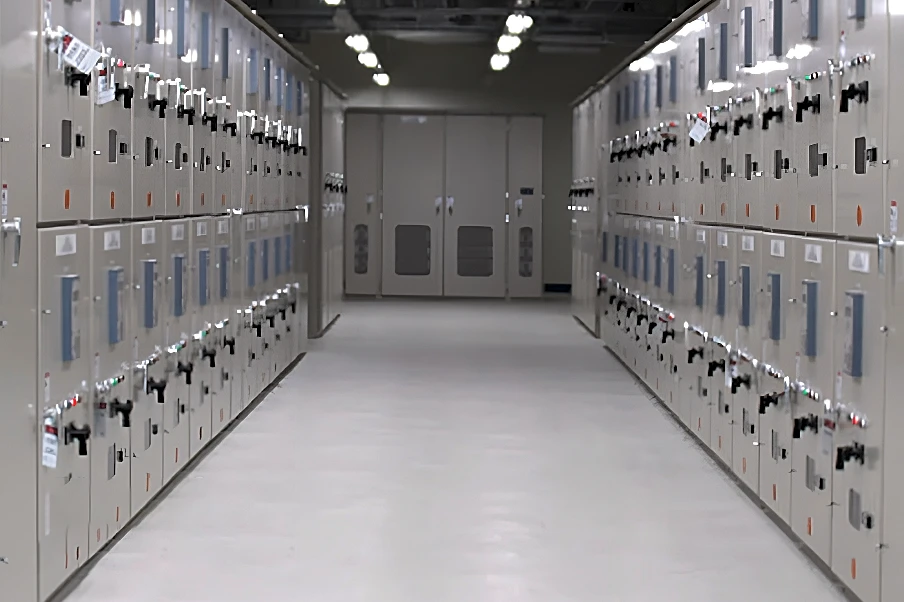
Compatibility remains an essential factor during monitoring system deployment. Many industrial facilities already operate SCADA or centralized monitoring platforms. Condition monitoring systems should integrate easily with these infrastructures. Data sharing allows operators to manage multiple electrical assets from a unified interface. Lack of compatibility may isolate monitoring data from existing management systems. Integration challenges increase operational complexity and maintenance workload. Engineers therefore verify communication protocols and data interfaces carefully before installation.
System scalability and long term monitoring expansion
Industrial power systems often expand as production capacity increases. Monitoring systems should therefore support additional sensors and switchgear units. Scalable architecture allows gradual expansion without replacing the entire platform. Future monitoring points may include additional switchgear panels or transformer systems. Flexible design ensures smooth integration of new equipment. Planning scalability early helps organizations control long term investment costs. Engineers therefore consider future facility expansion during monitoring system selection.
Monitoring system comparison overview
| Evaluation Factor | Benefit | Potential Risk if Ignored |
|---|---|---|
| Real time monitoring | Immediate visibility of equipment condition | Delayed fault detection |
| Multi parameter sensing | Comprehensive risk monitoring | Incomplete fault diagnosis |
| Accurate data collection | Reliable maintenance decisions | Incorrect operational response |
| Remote monitoring | Reduced manual inspection workload | Slow fault response time |
| System compatibility | Centralized equipment management | Fragmented monitoring platforms |
| Scalability | Support for future expansion | Costly system replacement |

How comparison tables support engineering evaluation
Comparison tables help engineers analyze monitoring systems more efficiently. Each evaluation factor connects directly with operational performance and maintenance efficiency. Real time monitoring reduces operational risk through immediate alerts. Multi parameter sensing improves detection of complex electrical faults. Accurate sensors strengthen reliability of collected operational data. Remote monitoring capability enables centralized supervision across multiple sites. Compatibility ensures seamless integration with existing digital infrastructure. Scalability protects long term investment by supporting system expansion. Structured evaluation therefore simplifies technology selection.
Common mistakes when implementing monitoring systems
Several implementation mistakes often reduce monitoring effectiveness. Some projects ignore compatibility with existing SCADA platforms. Monitoring data then remains isolated from other electrical systems. Others rely on only one monitoring parameter such as temperature. Limited data may hide early warning signals from insulation degradation. Insufficient data storage capacity also limits long term analysis capability. Lack of expansion planning may prevent integration of future monitoring devices. Careful planning prevents these avoidable problems during system deployment.
Preparing for advanced compliance and switchgear management
High voltage switchgear condition monitoring helps organizations build safer and more reliable electrical systems. Monitoring platforms provide continuous insight into equipment condition. Engineers can detect anomalies early and prevent critical failures. Structured evaluation methods ensure the selected system meets technical and operational requirements. Organizations ready for deeper implementation should review broader switchgear configuration strategies. The High and Low Voltage Switchgear Selection and Project Implementation Guide provides further technical planning insight. Future project stages often focus on regulatory compliance and equipment integration.
FAQ
What parameters should high voltage switchgear condition monitoring include
Effective monitoring systems observe several operational parameters simultaneously. Temperature monitoring detects overheating at cable joints or busbars. Humidity monitoring identifies condensation that weakens insulation strength. Partial discharge monitoring reveals early insulation degradation inside switchgear compartments. Gas detection sensors help identify abnormal insulation decomposition. Some systems also monitor mechanical vibration or contact wear. Combining these parameters allows engineers to evaluate equipment health more accurately. Comprehensive monitoring therefore reduces the probability of unexpected equipment failure.

Why is remote monitoring important for switchgear systems
Remote monitoring allows maintenance teams to supervise electrical equipment without constant physical inspection. Monitoring platforms send real time alarms when abnormal conditions occur. Engineers can analyze system data from control centers or mobile devices. This capability reduces routine inspection workload and improves operational efficiency. Remote monitoring also shortens response time during emergencies. Faster response helps prevent small faults from becoming major equipment failures. Industrial facilities therefore gain improved reliability and operational safety.
How does condition monitoring support predictive maintenance
Condition monitoring systems collect operational data continuously throughout equipment operation. Engineers analyze historical data to identify performance trends. Gradual temperature increases or repeated partial discharge signals may indicate insulation aging. Predictive maintenance models estimate remaining equipment lifespan based on these trends. Maintenance teams can schedule service before failure occurs. Planned maintenance reduces downtime and lowers repair costs. Predictive analysis therefore transforms maintenance from reactive repair into proactive management.