
How to choose high voltage gas insulated switchgear?
-
Key factors, benefits, and maintenance of high voltage gas insulated switchgear for safe, efficient, and long-lasting operation.

Introduction to High Voltage Gas Insulated Switchgear
High voltage gas insulated switchgear is essential for modern electrical networks. It provides compact, reliable, and safe solutions for high-voltage distribution. Urban substations benefit from its smaller footprint compared to conventional air-insulated switchgear. For example, a city substation in Singapore replaced 132 kV air-insulated switchgear with gas-insulated modules, freeing valuable rooftop space while maintaining reliability. The equipment isolates live components in pressurized gas, reducing risks of electrical faults. Operators experience improved system reliability and longer operational life. Proper selection affects both immediate performance and long-term maintenance costs. Engineers must consider technical specifications carefully. Neglecting compatibility with network requirements can cause operational failures.
Key Benefits of High Voltage Gas Insulated Switchgear
High voltage gas insulated switchgear offers multiple advantages over traditional alternatives. Its compact design significantly reduces space requirements, making it ideal for dense urban installations. For example, Tokyo’s Shinjuku substation adopted this technology to fit within a multi-story structure, which would not be feasible with air-insulated systems. Noise reduction further enhances its suitability for populated areas. The sealed, pressurized gas environment protects components from dust and moisture, ensuring stable performance. Reliability remains consistently high even in harsh industrial or extreme weather conditions, which is critical for high voltage switchgear applications. Additionally, longer maintenance intervals help reduce labor and operational costs. Fully enclosed live parts improve safety, while modular configurations support easy upgrades and expansion. Energy efficiency is also improved due to minimal internal losses, and streamlined installation reduces both downtime and overall project expenses.
Essential Technical Specifications to Consider
Choosing the right high voltage gas insulated switchgear depends on evaluating specifications. Voltage rating must match network design. Current rating ensures the equipment handles maximum operational loads. Short-circuit rating protects the network during faults. In a Saudi Arabian desert project, engineers selected GIS rated for 400 kV and high temperature tolerance to withstand extreme heat. Insulation type and dielectric strength determine performance reliability. Gas purity and pressure directly affect longevity. Operating temperature range ensures proper functioning in extreme climates. Mechanical endurance guarantees reliable switching operations. Auxiliary controls allow integration with modern automation systems. Monitoring features improve preventive maintenance planning. Compatibility with existing infrastructure reduces installation complexity and costs.
Factors Affecting the Lifespan of High Voltage Switchgear
The lifespan of high voltage gas insulated switchgear is influenced by multiple factors. Environmental conditions, such as humidity or industrial pollution, impact durability. For example, a power plant in India extended GIS life by installing air filtration and humidity control systems. Gas leakage or improper handling shortens operational life. Mechanical wear from frequent operations affects components. Thermal stress during load variations can reduce efficiency. Quality of materials and manufacturing ensures longer service life. Regular preventive maintenance significantly extends performance. Proper installation, including alignment and grounding, is critical. Operational frequency and switching load influence component wear.
Installation Requirements and Space Considerations
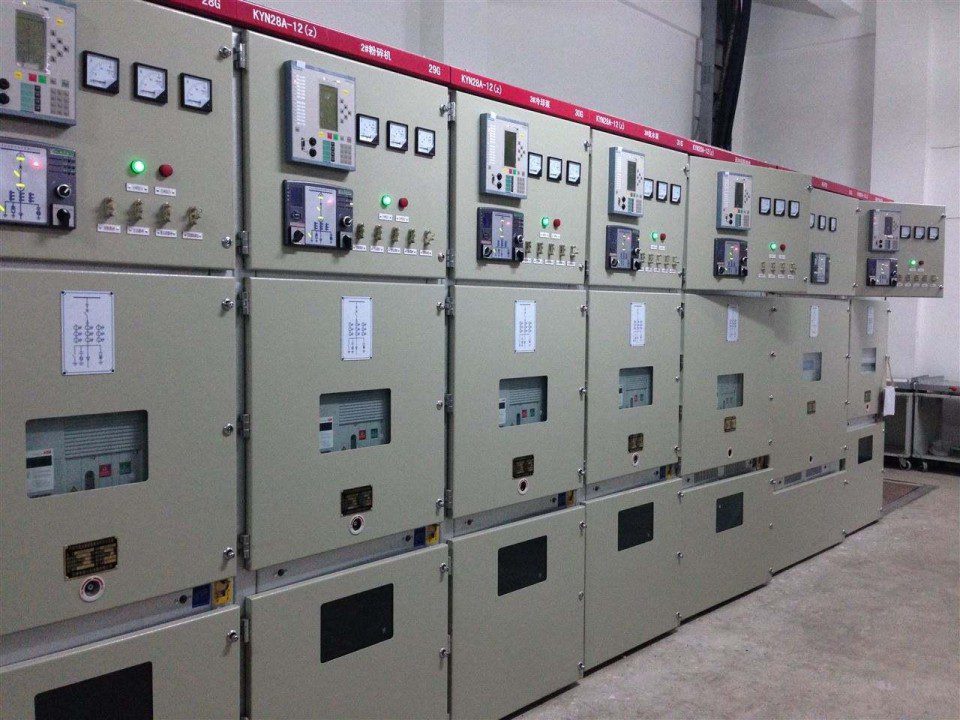
Installation of high voltage gas insulated switchgear requires careful planning. Its compact design fits small indoor spaces efficiently. A Shanghai commercial district installed a 110 kV GIS inside a basement facility, saving ground-level space for offices. Modular construction allows phased installation or future expansions. Access for maintenance must be considered when laying out equipment. Adequate ventilation and temperature control improve reliability. Electrical clearances are necessary for safety during operation. Cable entry points should match existing network paths. Transport and handling of heavy components require specialized equipment. Following manufacturer guidelines ensures proper installation.
Safety Standards and Compliance Regulations
Compliance with safety standards is critical for high voltage gas insulated switchgear. International standards, such as IEC 62271, ensure equipment reliability and safety. National regulations may add further requirements. Protective relays and interlocks prevent operational hazards. A utility in Germany upgraded a 220 kV substation with GIS to meet strict European safety codes, drastically reducing arc flash risks. Fire and arc flash safety mechanisms protect personnel and infrastructure. Proper labeling and grounding enhance operational safety. Routine inspections by certified authorities verify compliance. Equipment must include monitoring systems for insulation and gas pressure.
Cost Considerations for High Voltage Gas Insulated Switchgear
High voltage gas insulated switchgear often requires higher upfront investment. However, long-term operational costs are lower than conventional alternatives. Reduced maintenance and energy losses save expenses over time. In Dubai, replacing air-insulated switchgear with GIS decreased annual maintenance costs by 35%, despite a higher initial purchase price. Compact installation decreases land or building costs. Modular designs allow future upgrades without replacing equipment. High reliability lowers downtime and production losses. Balancing initial costs with life-cycle savings ensures optimal investment.

Maintenance Practices to Ensure Reliability
Proper maintenance guarantees high voltage gas insulated switchgear performance. Inspecting gas levels prevents leaks and faults. A petrochemical plant in Houston uses remote monitoring sensors on GIS, detecting minor pressure drops before failures occur. Cleaning external surfaces reduces contamination. Lubricating moving parts minimizes mechanical wear. Protective relays and control circuits require regular testing. Thermal inspections identify hotspots early. Documentation supports troubleshooting and future planning. Scheduled preventive maintenance extends operational lifespan.
Common Mistakes When Selecting Switchgear
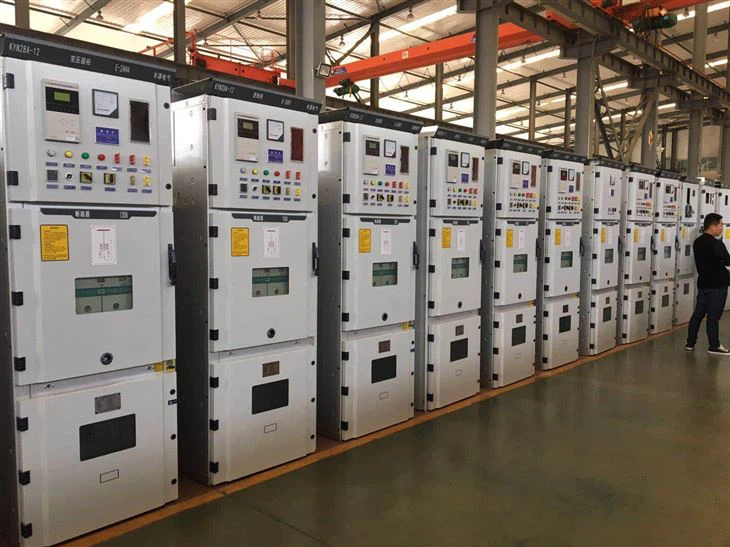
Mistakes in selecting high voltage gas insulated switchgear can reduce system efficiency. Ignoring voltage and current ratings may lead to overloads. Overlooking short-circuit capacity reduces network protection. For example, a regional grid in Brazil initially selected GIS rated for 72 kV instead of 138 kV, forcing costly replacements. Overlooking space constraints complicates installation. Using low-quality materials decreases lifespan. Environmental factors, such as humidity, can increase maintenance needs. Neglecting compliance with safety standards creates legal risks.
Future Trends in High Voltage Gas Insulated Switchgear
High voltage gas insulated switchgear is evolving with technological advancements. Digital monitoring allows predictive maintenance. In Europe, several utilities use AI-driven GIS monitoring to detect faults early. Smart grid integration improves energy efficiency. Compact and lightweight designs simplify installation. Environmentally friendly insulating gases are gradually replacing SF6. Automation enhances safety and operational flexibility. Modular configurations support phased expansion. Sensors detect potential faults before impacting power delivery.
High Voltage GIS vs Air-Insulated Features
| Feature | High Voltage Gas Insulated Switchgear | Air-Insulated Switchgear |
|---|---|---|
| Footprint | Compact | Large |
| Maintenance Frequency | Low | High |
| Reliability | High | Moderate |
| Noise Level | Low | Moderate |
| Installation Cost | High | Lower |
Technical Analysis of Feature Comparison
The table illustrates why high voltage gas insulated switchgear is ideal for urban and industrial networks. Compact footprint saves valuable installation space. Low maintenance reduces operational disruption and costs. Reliability ensures stable network operation even under harsh conditions. Noise suppression meets urban compliance standards. Although installation costs are higher, long-term savings justify the investment.
Conclusion and Final Recommendations
Selecting high voltage gas insulated switchgear requires consideration of technical, economic, and safety aspects. Specifications must match network requirements. Maintenance planning ensures long-term reliability. Installation planning reduces operational risks. Safety standards and compliance protect personnel and assets. Life-cycle cost analysis balances initial investment with long-term savings. Planning for future expansion ensures adaptability. Avoiding common mistakes maximizes operational performance. Prioritizing quality guarantees efficient and stable power distribution.
FAQ
What is the lifespan of high voltage gas insulated switchgear?
Typically, it ranges from 30 to 40 years. Proper installation and maintenance are essential. Environmental factors like humidity, dust, and temperature can affect durability. Monitoring systems detect faults early, preventing serious damage. Using high-quality components extends service life. Utilities in Europe and Asia report over 35 years of reliable operation under controlled conditions. Preventive maintenance schedules and occasional upgrades ensure longevity.
How often should maintenance be performed?
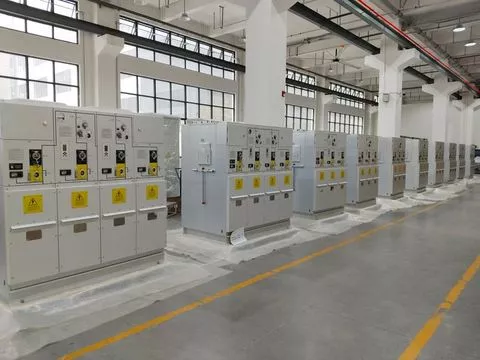
Maintenance depends on manufacturer guidelines, generally every one to three years. Tasks include checking gas pressure, inspecting electrical connections, cleaning components, and testing relays. Some facilities, like a petrochemical plant in Houston, use remote monitoring for real-time diagnostics. Environmental conditions may require more frequent checks. Proper documentation of inspections helps planning. Consistent maintenance minimizes downtime and repair costs, ensuring safe and efficient operation.
Can it be upgraded for future capacity needs?
High voltage gas insulated switchgear is modular, allowing phased expansion. Additional bays or circuits can be installed without full replacement. For example, a Tokyo substation added new modules to meet rising demand without downtime. Upgrades may include higher current ratings, improved monitoring, or automation integration. Careful initial planning reduces complexity. Compatibility with existing infrastructure ensures smooth upgrades. Modular designs allow utilities to adapt to evolving network requirements efficiently.