How to choose dry type transformer supplier?
-
dry type transformer supplier selection impacts reliability, lifespan, testing quality, and delivery performance across industrial power systems.
Why does the choice of a dry type transformer supplier affect system lifespan?
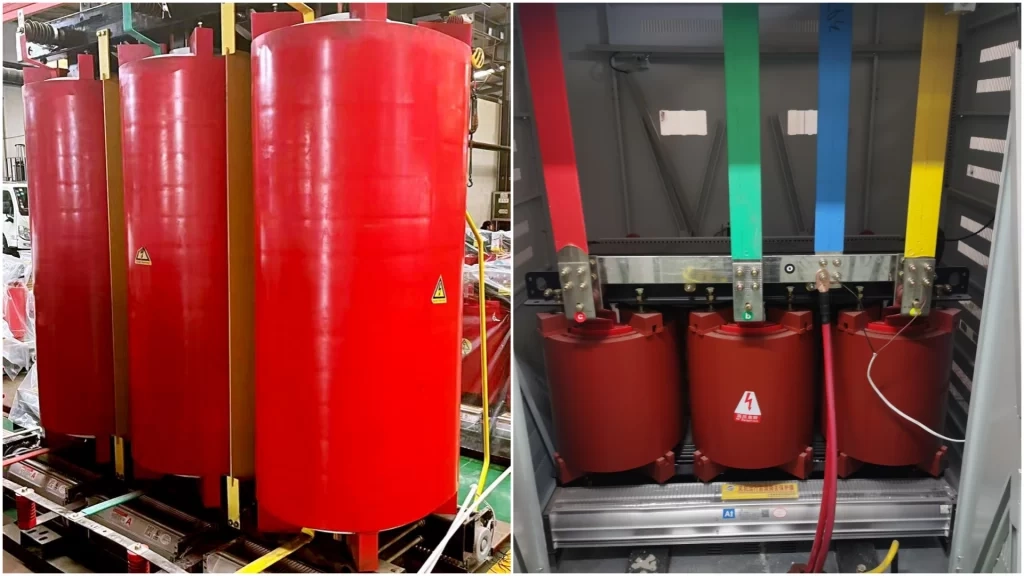
dry type transformer supplier selection directly influences operational reliability across the entire service life of a power system. Many buyers focus heavily on initial pricing, yet long-term performance depends on deeper engineering and manufacturing factors that only the supplier can control. Thermal design margins determine how insulation ages under continuous load conditions. Winding structure and impregnation quality influence vibration resistance and partial discharge behavior.
Environmental adaptability defines whether the transformer can maintain stable output under dust, humidity, or elevated ambient temperatures. A capable supplier integrates these considerations during design rather than correcting issues later. Poor supplier decisions often result in premature failures, rising maintenance costs, and unplanned downtime. Reliable suppliers reduce uncertainty by delivering predictable performance across decades, not only during initial commissioning.
Which reliability factors should buyers evaluate before selecting a supplier?
Reliability evaluation begins with understanding how a supplier designs for thermal stability and insulation endurance. Temperature rise limits reveal whether the design operates close to material thresholds or maintains conservative safety margins. Insulation class selection determines resistance to overload and thermal cycling. Core material quality affects no-load losses and long-term noise behavior. Winding impregnation processes influence dielectric strength and resistance to partial discharge. Environmental protection ratings indicate suitability for indoor or semi-enclosed installations. A professional supplier explains how each factor interacts with real operating conditions rather than relying on catalog values. Buyers gain confidence when technical explanations align with documented test data and historical project performance.
Key reliability indicators used by experienced procurement teams
- Temperature rise margin relative to insulation class
- Partial discharge control and verification data
- Thermal overload tolerance under realistic load profiles
- Environmental protection level and enclosure options
- Material traceability and documented process control
Why these reliability indicators define supplier credibility
These indicators collectively reveal how seriously a supplier treats long-term performance. Temperature and insulation parameters directly affect aging speed. Partial discharge control protects internal insulation from invisible degradation. Environmental resistance ensures stable operation in demanding locations. Suppliers able to document these elements demonstrate mature engineering systems. Procurement teams benefit from reduced lifecycle risk and clearer cost forecasting.
How do load characteristics and site conditions influence supplier suitability?
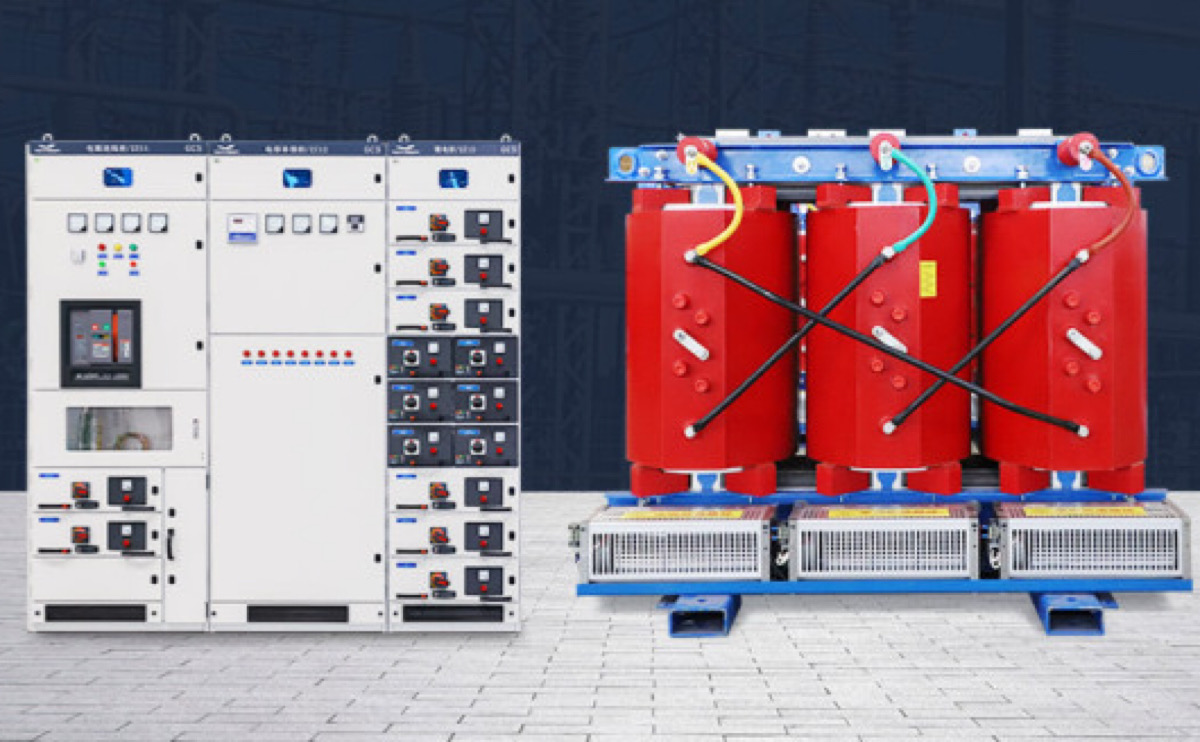
Load behavior varies significantly between commercial buildings, industrial facilities, and infrastructure projects. Some systems operate near rated capacity continuously, while others experience intermittent peaks. Ambient temperature, ventilation quality, and airborne contaminants further complicate thermal management. A capable dry type transformer supplier evaluates these factors before recommending ratings or enclosure designs. Generic solutions may meet nominal specifications but struggle under site-specific stress. Suppliers with application engineering expertise adjust winding design, cooling paths, and insulation selection accordingly. This alignment between load reality and design intent ensures stable operation and prevents accelerated aging caused by underestimated environmental or electrical stress.
What specifications reveal a technically capable dry type transformer supplier?
Specifications serve as a transparent window into supplier competence when interpreted correctly. Temperature rise values indicate thermal margin discipline. Insulation class selection reflects material investment strategy. Sound level ratings expose core precision and assembly quality. Partial discharge limits demonstrate insulation process control. Efficiency values influence long-term operating cost. Enclosure standards confirm compliance with safety requirements. A reliable supplier supports each specification with test methodology and acceptance criteria. Ambiguous or unsupported values often indicate marketing-driven documentation rather than engineering-backed performance. Procurement teams should prioritize clarity, consistency, and verifiable data over visually appealing datasheets.
Supplier capability comparison overview
| Evaluation Item | Basic Supplier | Reliable Supplier |
|---|---|---|
| Temperature Rise | Near material limit | Conservative margin |
| Insulation Class | Standard selection | Enhanced durability focus |
| Partial Discharge | Limited disclosure | Verified low values |
| Testing Scope | Routine tests only | Routine and type tests |
| Documentation | Generic datasheets | Project-specific records |
How specification depth supports better purchasing decisions
Detailed specifications reduce hidden risks and align expectations. Clear values simplify technical comparison between suppliers. Verified data supports internal approval processes. Strong documentation improves commissioning and future maintenance planning. Buyers gain long-term confidence rather than short-term reassurance.
Why does testing capability separate suppliers during procurement?
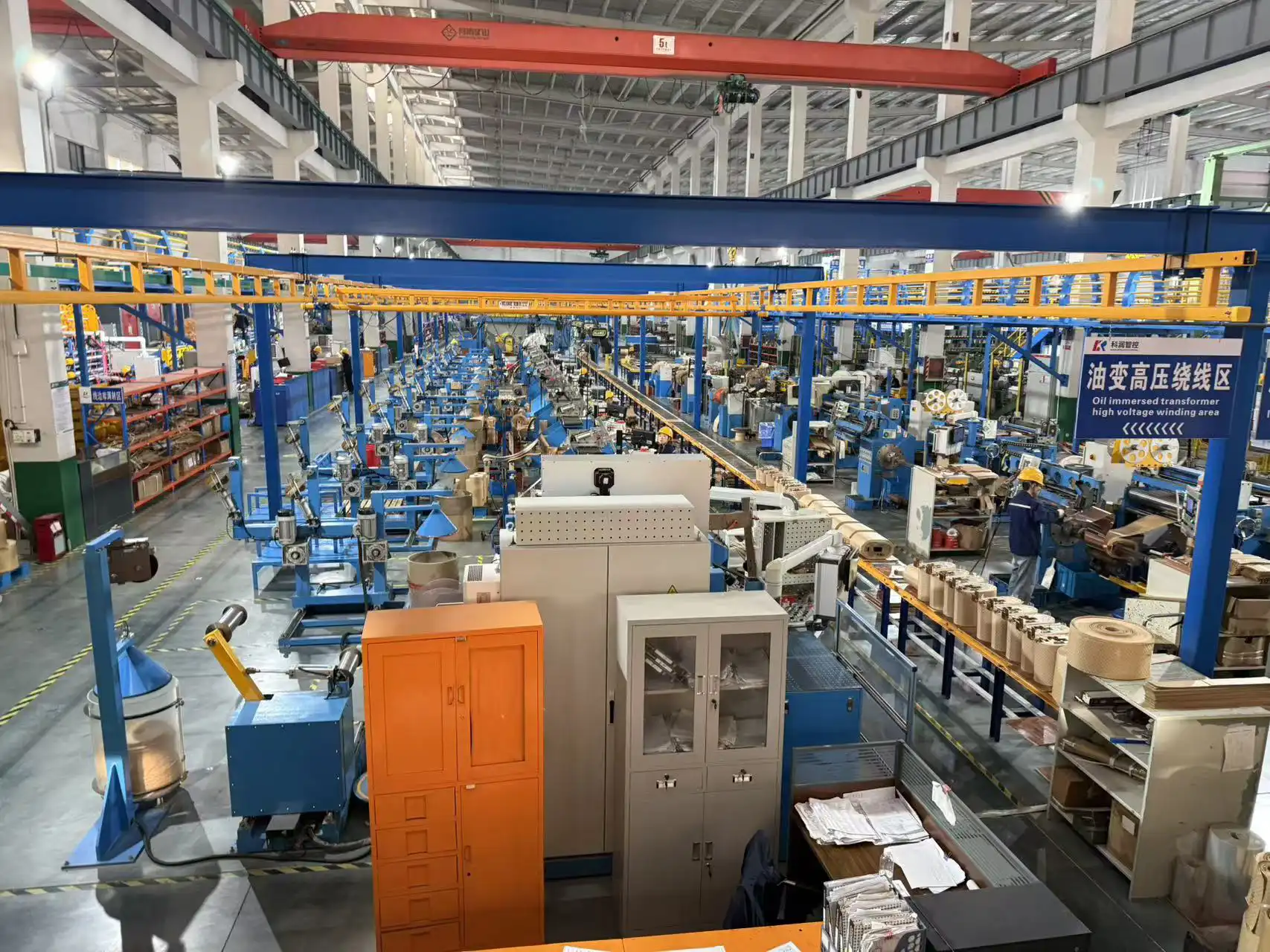
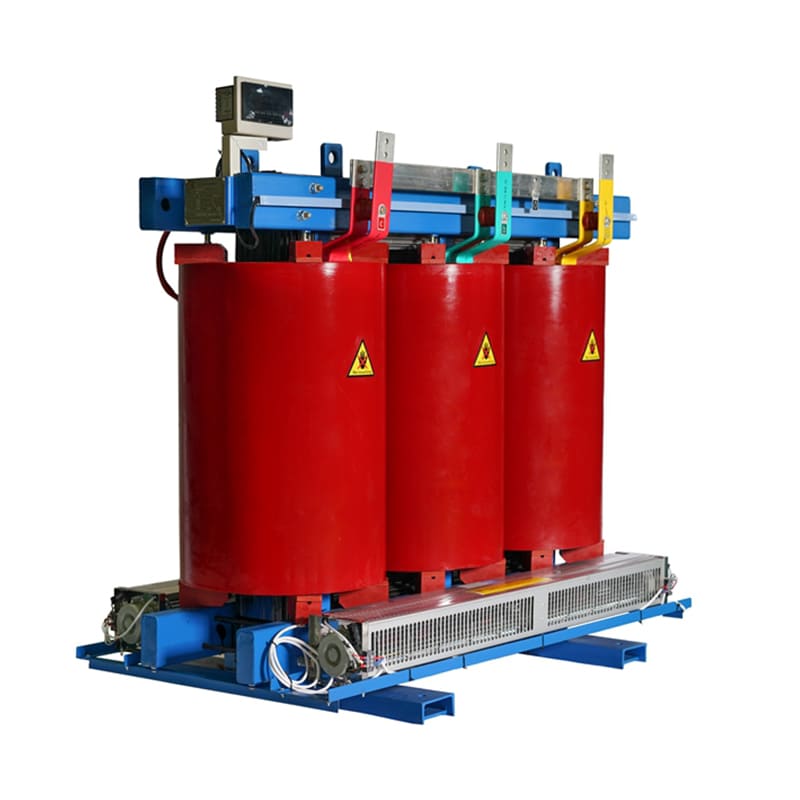
Testing validates whether design assumptions translate into real-world performance. Routine tests confirm manufacturing consistency across batches. Type tests verify thermal and dielectric limits under stress conditions. Partial discharge testing identifies insulation weaknesses before installation. Noise tests confirm compliance with workplace and regulatory requirements. Suppliers with internal testing laboratories maintain tighter quality feedback loops. Dependence on external testing may delay corrective actions and obscure root causes. Comprehensive test reports also support acceptance inspections and future troubleshooting. Strong testing capability protects procurement investment by minimizing early-life failures.
How does after-sales support influence long-term supplier value?
After-sales support extends the effective value of a dry type transformer beyond delivery. Installation assistance ensures correct mechanical handling and electrical connection. Commissioning support reduces energization risk. Spare parts availability limits downtime during unexpected events. Technical response speed influences fault resolution efficiency. Reliable suppliers maintain clear communication channels throughout the service period. Weak after-sales systems shift operational burden onto asset owners. Procurement teams should treat support capability as a technical requirement rather than a commercial add-on.
Why choose Kerun Intelligent Control?
Why choose Kerun Intelligent Control? Kerun integrates design, manufacturing, and testing within a unified quality system. Engineering teams prioritize temperature rise control and insulation longevity. Manufacturing processes follow documented procedures with material traceability. Testing includes routine verification and performance validation. Project teams adapt solutions to site-specific conditions rather than forcing standard designs. Global project experience confirms consistent delivery capability. After-sales teams provide responsive technical support. Kerun focuses on lifetime reliability rather than short-term cost competition.
How should procurement teams structure supplier evaluation processes?
Structured evaluation improves procurement outcomes across complex projects. Initial screening confirms certifications and project references. Technical review validates specifications and test data. Factory audits assess process discipline and quality culture. Commercial evaluation aligns delivery schedules with project milestones. Final selection balances risk, value, and long-term support capability. Clear criteria reduce subjective bias. Cross-functional participation improves decision robustness. Supplier transparency supports smoother collaboration during delivery and installation.
Practical supplier evaluation checklist
- Verified temperature rise and insulation parameters
- Complete routine and type test documentation
- Documented manufacturing and quality processes
- Environmental adaptation capability
- Defined after-sales response structure
Why structured evaluation reduces lifecycle risk
Structured methods expose hidden weaknesses early. Teams gain consistent evaluation language. Decisions become repeatable and auditable. Long-term system reliability improves measurably.
How does supplier selection influence delivery and installation stages?
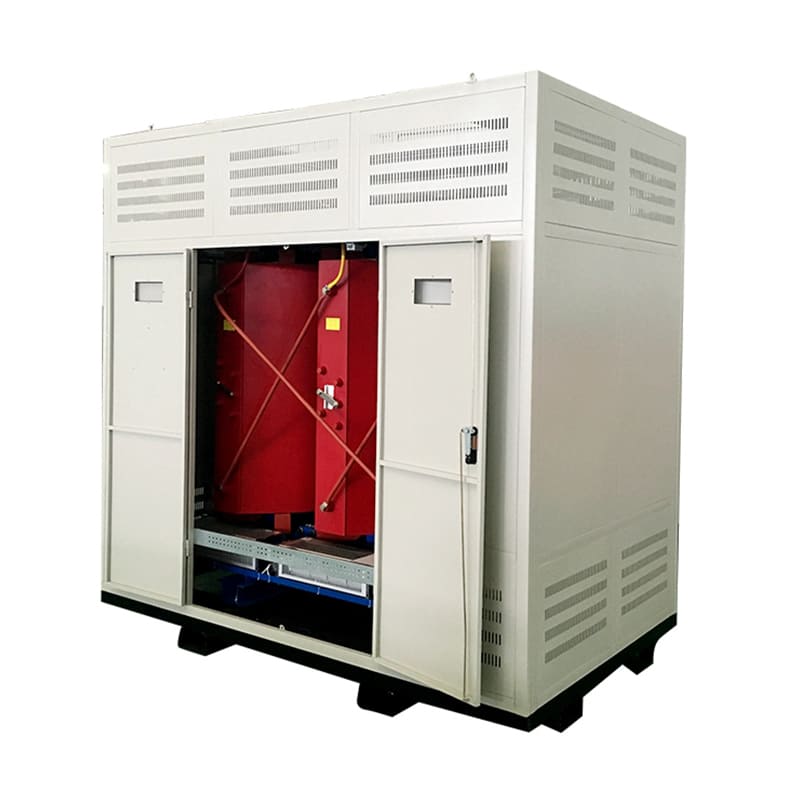
Supplier coordination affects packaging quality and transport protection. Clear documentation supports site preparation. Installation guidance reduces mechanical stress on windings. Commissioning support ensures stable initial operation. Suppliers involved early help prevent site-related issues. Late-stage corrections increase cost and delay energization. Reliable suppliers integrate smoothly with contractors and utilities, supporting efficient project execution.
FAQ
How does a supplier’s thermal design philosophy influence dry type transformer lifespan?
Thermal design philosophy determines how insulation materials age over time. Conservative temperature margins slow degradation significantly. Aggressive designs accelerate aging under continuous load. Insulation class selection interacts with thermal stress directly. Suppliers investing in thermal modeling and validation deliver longer service life. Procurement teams should review temperature rise data carefully. Long-term reliability reflects design discipline rather than rated capacity alone.

Why is temperature rise often more important than nameplate rating during supplier evaluation?
Nameplate rating does not reflect operating stress accurately. Temperature rise indicates real thermal behavior under load. Lower rise extends insulation life. Suppliers optimizing thermal performance reduce failure probability. Buyers comparing temperature margins gain deeper insight into design quality. Thermal data reveals engineering maturity clearly.
How does testing capability protect procurement investment over time?
Testing verifies performance before installation risk occurs. Routine tests confirm consistency. Type tests validate design limits. Partial discharge testing protects insulation integrity. Suppliers with strong testing systems reduce early failure risk. Documented results support acceptance and future diagnostics. Procurement investment remains protected through verification discipline.