How to choose dry type transformer the insulation?
-
dry type transformer the insulation selection affects compliance, thermal margin, safety, and long-term reliability in industrial power systems.
Why insulation selection is a compliance-critical decision for dry type transformers
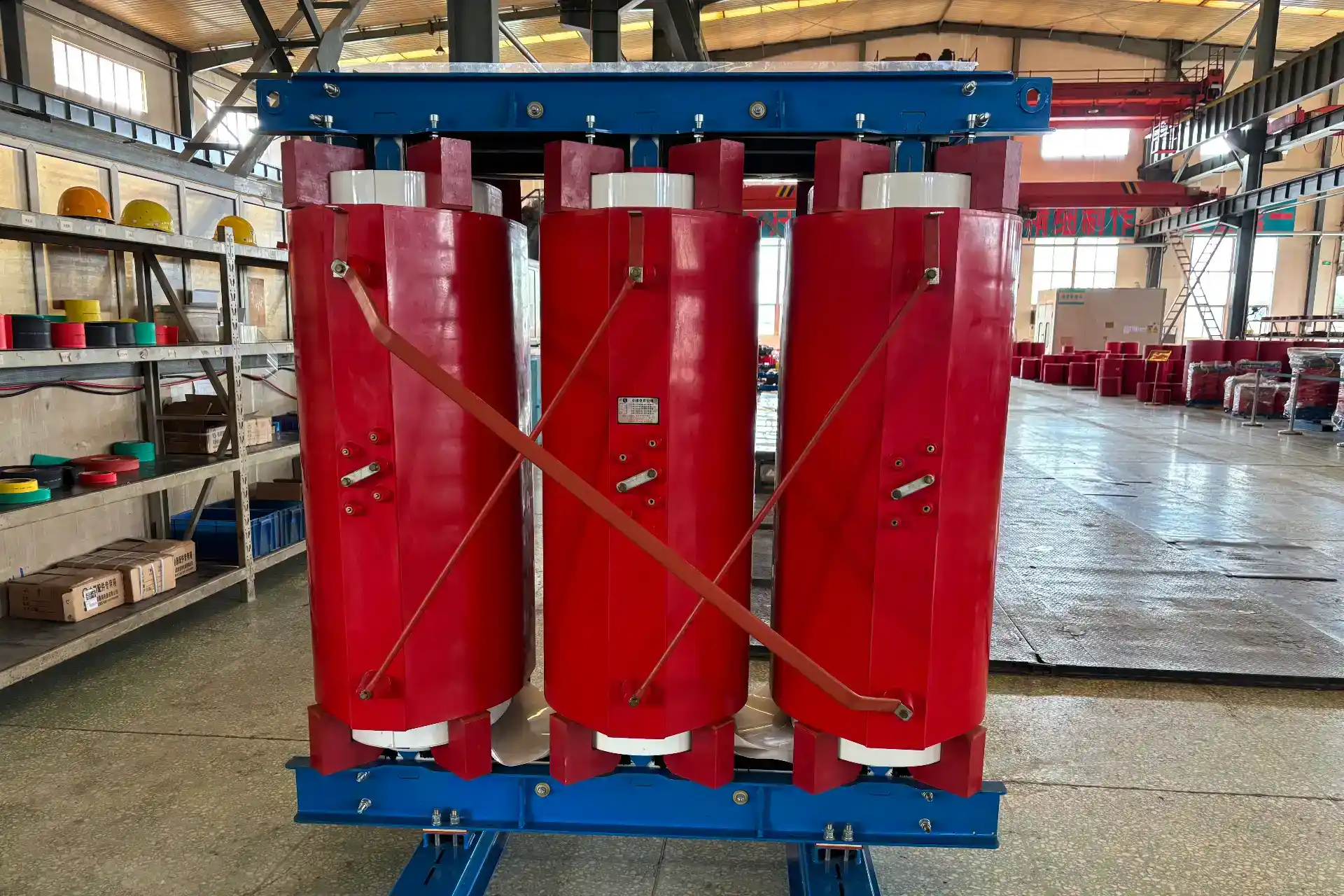
dry type transformer insulation is not only a technical detail but a core compliance requirement that directly affects safety, lifespan, and regulatory acceptance. In many projects, insulation is selected too casually, often based only on insulation class labels without understanding real operating stress. In practice, insulation performance determines how well the transformer withstands temperature rise, overload events, and environmental exposure. Poor insulation choices can lead to accelerated aging, partial discharge, or even fire risk, which may cause compliance failure during inspection. From a consideration-stage perspective, buyers must evaluate insulation systems as part of a broader compliance framework, ensuring alignment with applicable standards, site conditions, and long-term reliability expectations rather than relying on nominal ratings alone.
What types of dry type transformer insulation are commonly used?
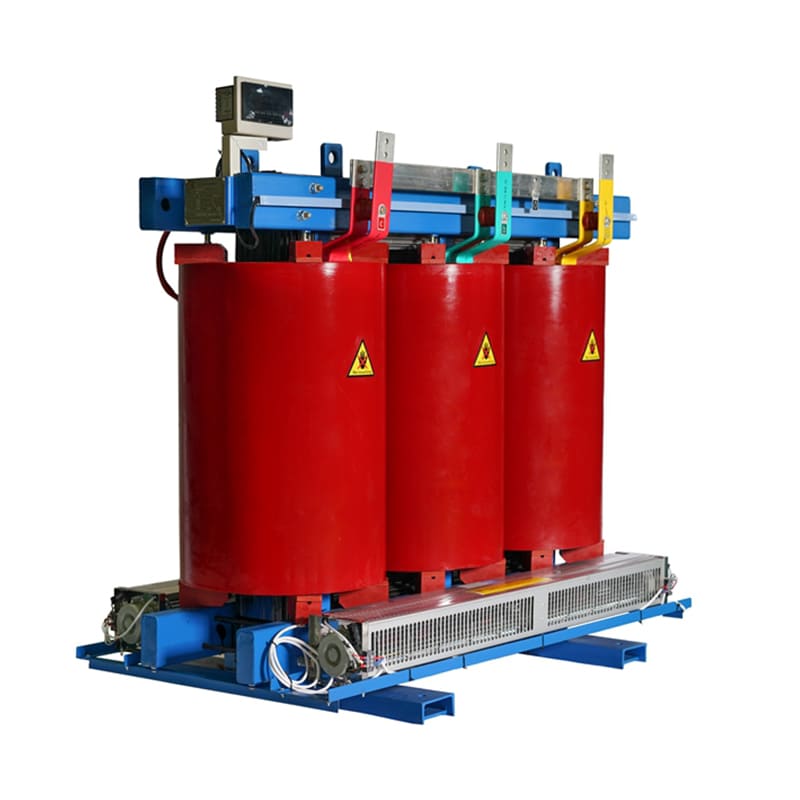
Different insulation systems are used in dry type transformers depending on performance, cost, and compliance requirements. Resin-cast insulation offers excellent moisture resistance and mechanical strength, making it suitable for harsh or dusty environments. Vacuum pressure impregnation systems rely on varnish-treated windings and are commonly applied in controlled indoor conditions. Solid insulation materials such as epoxy, Nomex, or polyester films influence thermal endurance and dielectric strength. Each insulation type behaves differently under thermal cycling and overload conditions. Selecting among them requires understanding not only material properties but also how they interact with cooling design, winding structure, and enclosure protection. Compliance-driven selection focuses on predictable aging behavior and stable dielectric performance over time.
How do insulation class and temperature rise work together?
Insulation class alone does not guarantee compliance if temperature rise is not properly controlled. Insulation class defines the maximum allowable hot-spot temperature, while temperature rise reflects how close the transformer operates to that limit. A transformer with Class F insulation but high temperature rise may age faster than a Class B unit with conservative thermal margins. Engineers evaluate insulation systems by combining class rating, ambient temperature assumptions, and expected load profile. Compliance assessments therefore consider insulation class as a system parameter rather than a standalone label. Buyers who understand this interaction can avoid designs that technically meet standards but offer limited operational margin in real-world conditions.
Small calculation example: how insulation choice affects thermal margin
To illustrate insulation selection, assume a dry type transformer operates in a 40°C ambient environment. If Class F insulation allows a maximum hot-spot temperature of 155°C, the theoretical temperature rise limit is 115°C. Suppose the design temperature rise under rated load is 90°C, leaving a 25°C thermal margin. If the same transformer uses Class B insulation with a 130°C limit, the margin would shrink to zero under identical conditions. This simple calculation shows how insulation class and temperature rise interact. However, such calculations are illustrative only, and final selection must always be verified by a qualified engineer using detailed thermal models and applicable standards.
Which compliance standards influence insulation selection?
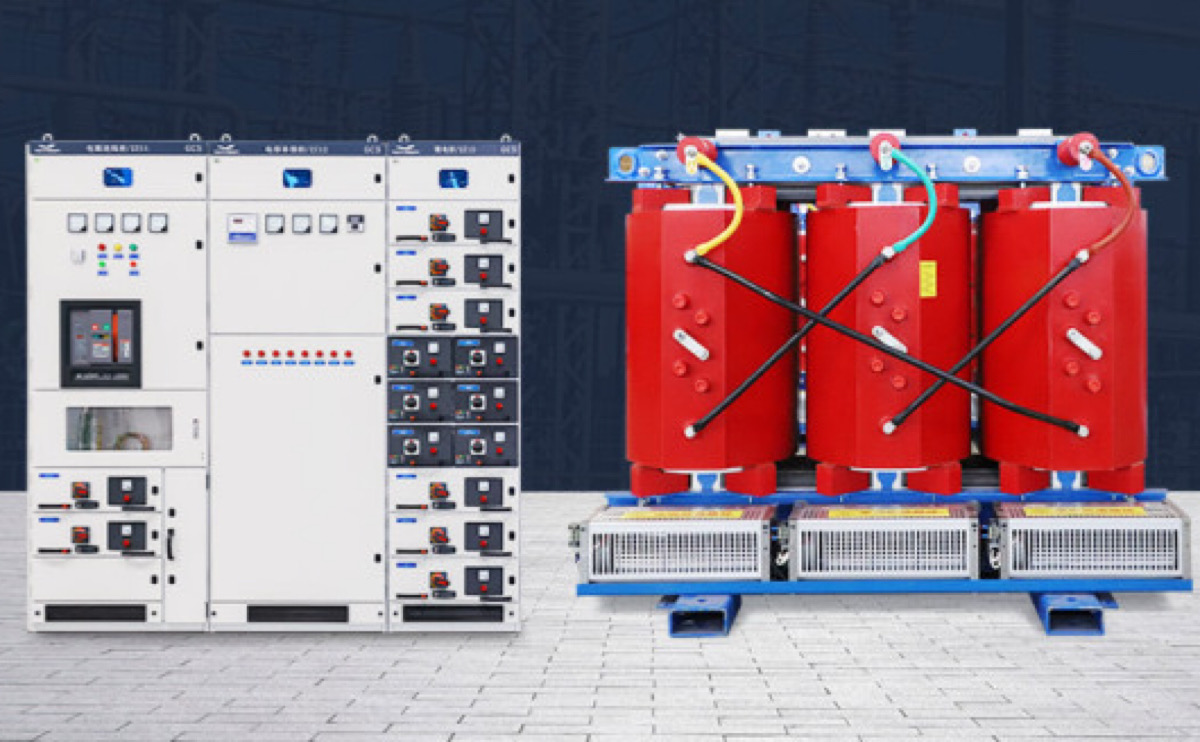
Compliance requirements for dry type transformer insulation are shaped by international and regional standards. IEC and IEEE standards define insulation classes, test methods, and temperature limits. Fire performance regulations influence material selection in public or indoor installations. Environmental standards affect moisture resistance and emission behavior. Inspection authorities often review insulation documentation during acceptance testing. Suppliers must demonstrate conformity through test reports and material certificates. Buyers should ensure that insulation systems are not only labeled correctly but also supported by documented compliance evidence. This reduces approval risk during commissioning and operation.
Insulation system comparison for compliance-oriented selection
| Insulation Type | Thermal Endurance | Moisture Resistance | Typical Application |
|---|---|---|---|
| Resin-Cast | High | Excellent | Industrial, dusty environments |
| VPI | Medium | Moderate | Indoor controlled areas |
| Hybrid Systems | Medium–High | Good | Commercial buildings |
This comparison highlights how insulation choice should align with compliance and operating context rather than cost alone.
How insulation choice affects procurement decisions later
Insulation decisions made during the consideration stage directly influence procurement outcomes. Higher insulation classes and robust systems often increase upfront cost but reduce lifecycle risk. Procurement teams must balance budget constraints with compliance durability. Clear insulation specifications simplify supplier comparison and reduce ambiguity during tender evaluation. Insulation systems that meet compliance requirements with sufficient margin lower the risk of future disputes or retrofits. Early clarity supports smoother transition into the procurement stage and aligns technical expectations with commercial negotiation strategies.
Why choose Kerun Intelligent Control?
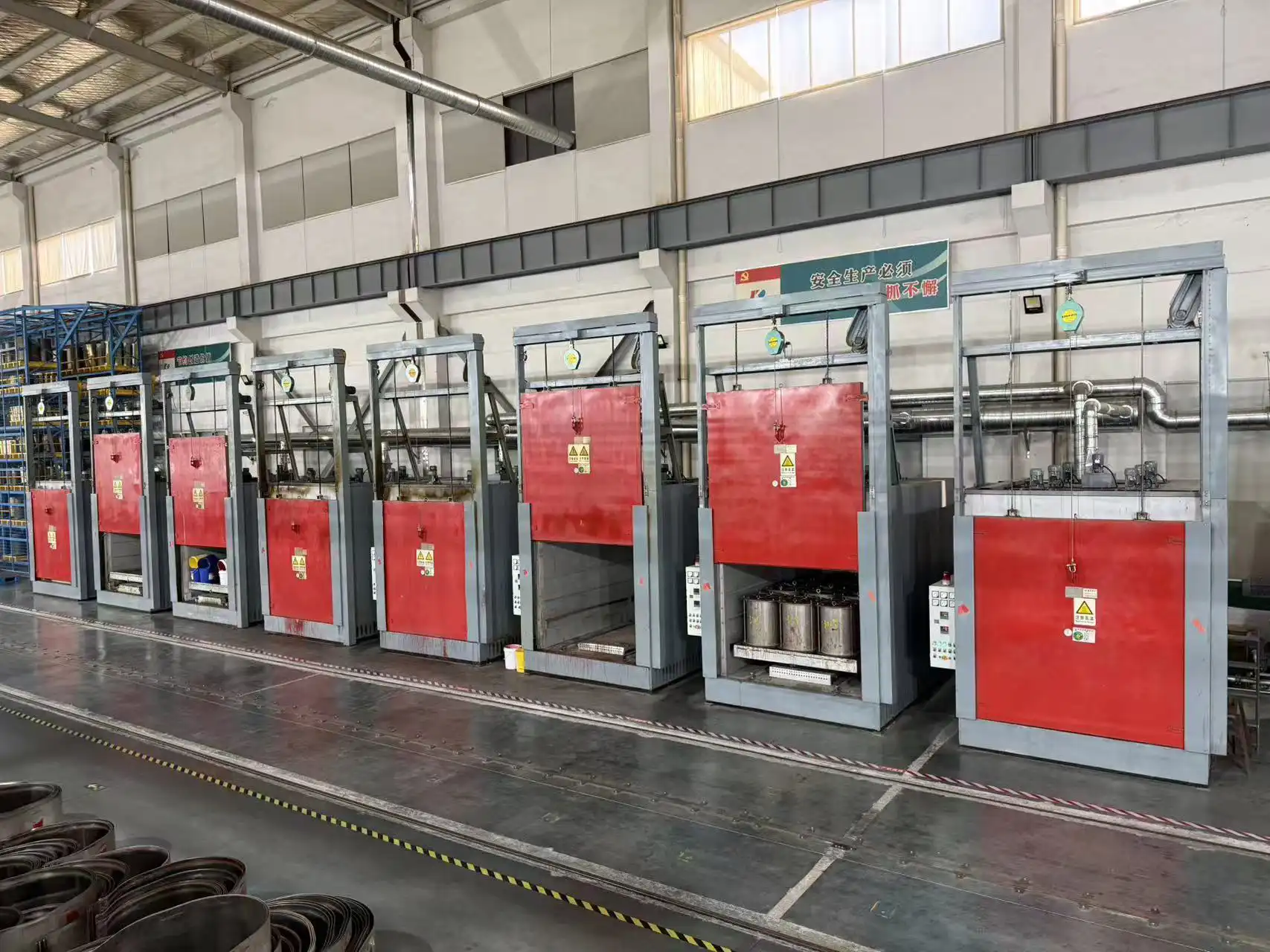
Why choose Kerun Intelligent Control? Kerun integrates insulation system design into its overall transformer engineering process rather than treating it as a material choice alone. Engineering teams evaluate insulation class, temperature rise, and environmental stress together to ensure compliance stability. Manufacturing follows controlled impregnation and curing processes. Testing verifies dielectric strength and partial discharge behavior. Project experience across industrial and commercial installations confirms insulation reliability under real conditions. Kerun’s approach helps buyers meet compliance requirements while preparing for confident procurement decisions.
FAQ
How does insulation class affect the actual service life of a dry type transformer?
Insulation class influences service life by defining the maximum allowable operating temperature of insulation materials, but actual lifespan depends on how close real operating conditions approach that limit. Even when a transformer complies with a higher insulation class, continuous operation near the thermal ceiling accelerates chemical aging of insulation materials. Each increase in operating temperature significantly shortens insulation life expectancy. Therefore, insulation class should be evaluated together with temperature rise, ambient conditions, and load profile. Compliance-focused buyers understand that insulation class provides a safety boundary rather than a guarantee of longevity. Long service life is achieved when insulation operates with sufficient thermal margin, validated through design data and test results, and finally confirmed by engineering verification during project review.
Is higher insulation class always the safest choice for compliance?
Choosing a higher insulation class does not automatically ensure better compliance or safety if the overall system design does not support it. While higher classes allow greater thermal endurance, they may also encourage designs with higher temperature rise, which reduces practical margin. In some applications, a lower insulation class combined with conservative thermal design delivers better long-term stability. Compliance authorities typically evaluate documented temperature rise, test results, and conformity to standards rather than insulation class alone. Buyers should avoid selecting insulation purely as a numerical upgrade and instead assess whether the insulation system aligns with cooling design, enclosure protection, and environmental exposure. Final compliance must always be validated through engineering assessment and applicable standards.
What documentation should buyers request to verify insulation compliance during procurement?
During procurement, buyers should request detailed insulation-related documentation to verify compliance and reduce acceptance risk. This includes insulation material specifications, insulation class certification, temperature rise test reports, and partial discharge test results. Fire performance certificates may be required for indoor or public installations. Environmental resistance documentation supports suitability for humid or dusty locations. Clear linkage between insulation design and applicable IEC or IEEE standards is critical. Suppliers able to provide project-specific documentation demonstrate stronger compliance readiness. These records also support installation approval, commissioning, and future audits. Comprehensive insulation documentation enables smoother transition from consideration to procurement and reinforces confidence in supplier capability.